



VANDALISM DRAINS US$350M A YEAR FROM JAMAICA’S UTILITIES
VANDALISM and theft across Jamaica’s electricity, water and telecommunications networks are costing the country at least US$350 million annually, based on figures disclosed during a recent webinar titled Utilities Network Vandalism and Theft: The Real Cost.
The estimate is considered conservative, as not all utility providers disclosed their full losses, and several indirect costs were not quantified. Telecommunications provider Digicel reported US$3.9 million in direct losses over a 12-month period, driven by targeted attacks on critical infrastructure.
“People are going out of their way to target our critical systems,” said business marketing lead Brithney Clarke.
Digicel recorded 452 batteries stolen, 97 generators vandalised, nine shelters damaged, and 290 sites impacted, with Clarke describing the perpetrators as a “mindless minority” deliberately targeting critical infrastructure, often assets with no functional value to them, in the hope of extracting scrap metal. She said cabling infrastructure and lithium batteries are frequent targets.
Meanwhile, Jamaica Public Service Company (JPS) reported the highest level of losses, estimating that electricity theft costs the company US$200 million annually. Of a total demand base of 1.06 million electricity users, 350,000 are illegal users with no contractual relationship with JPS, leaving the remaining 700,000 registered customers. JPS generates 4,412 gigawatt hours (GWh) of electricity each year, but 26.34 per cent of electricity generated is lost, split between technical losses associated with transmission and non-technical losses.
“About 72 per cent of electricity lost is non-technical, meaning the energy is being used but not commercialised due to electricity theft,” said Jermaine Clarke, manager of revenue security, research and planning at JPS.
He added that 35 per cent of households consuming electricity have no meter or contract, resulting in nearly 19.5 per cent of all electricity generated being stolen — all of which contributes to Jamaica’s high electricity costs.
“Electricity costs in Jamaica for residential customers are about 90 per cent higher than the world average, and on the business side they are about 60 per cent higher,” he said.
As for the National Water Commission (NWC), the utility also reported significant losses linked to vandalism and theft. Garwaine Johnson, regional manager for St Catherine and Clarendon, said vandalism at the Goshen facilities, which serve Portmore, resulted in between $70 million and $80 million in losses due to damage to motors and gears. He added that arson-related damage at the Caymanas water facility caused approximately $150 million in losses. Johnson said vandalism has also affected NWC facilities that cannot be easily fenced, leaving infrastructure exposed to attack. Over a one-year period the NWC lost an average of six hours of water production per day, translating to about $2 billion in losses. Providing regional context, Cletus Bertin of the Regional Caribbean Electric Utilities Services Corporation, which represents 32 electric utilities across the region, said non-technical losses among member utilities average about 20 per cent of generation costs. By way of example, Bertin said a utility generating US$715 million annually would lose about 20 per cent —roughly US$143 million — in a single year due to vandalism and theft.
“We have financial losses and higher costs because we have to protect those systems and increase maintenance when equipment is damaged,” Bertin said.
He added that vandalism multiplies base operating costs as utilities are forced to spend more on security, repairs and system restoration. Against this backdrop, utility providers are calling for stronger legal penalties and a more coordinated national response involving Government, law enforcement and industry stakeholders. Flow, which participated in the discussions but did not disclose the annual financial impact of these activities on its operations, said it supports deeper collaboration to address vandalism and theft of critical infrastructure. Utility companies also indicated that they are allying to lobby for legislative and policy changes, arguing that broader collaboration is needed to keep the issue firmly before the public and policymakers over time.
“A coalition of all parties will foster that,” said Johnson.
In his presentation, Johnson also proposed several measures to curb vandalism and theft, including stronger utility-to-utility partnerships, the sharing of security intelligence for high-risk zones, community-based stewardship, and legislative reform of the scrap metal Act to impose harsher penalties on individuals who purchase utility-grade material without a verified origin. While some collaboration already exists — particularly joint operations between the National Water Commission (NWC) and Jamaica Public Service Company (JPS) — Johnson said efforts need to go further, including deeper integration and engagement with the political directorates.
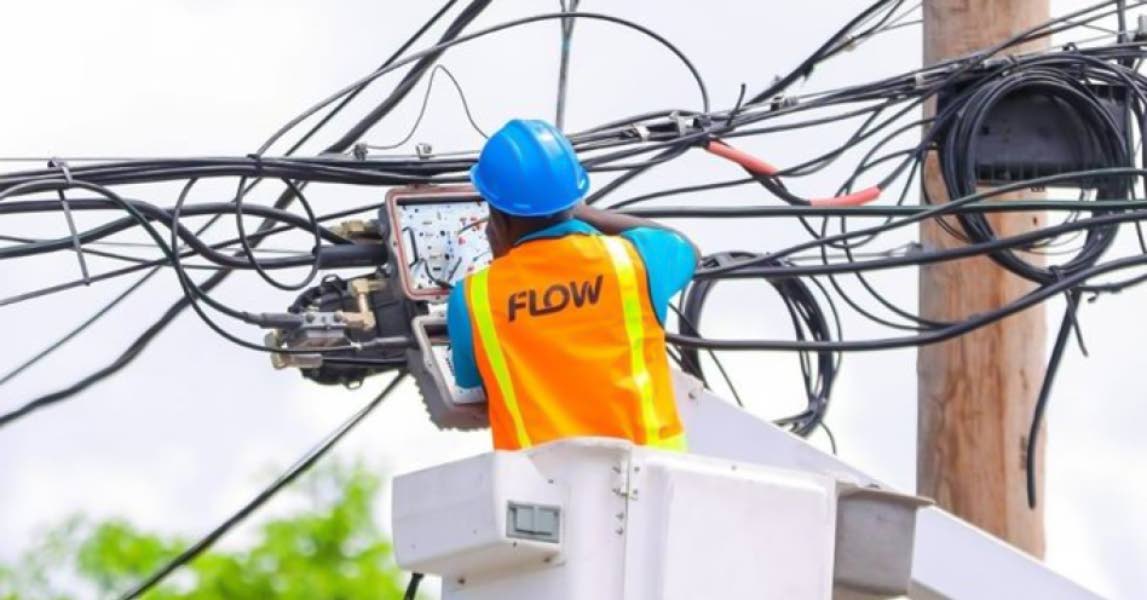
Utility companies record losses of over US$350 million combined, due to theft and vandalism.
Utility providers are calling for greater penalties for vandalism and theft.


