



2026 Wine Trends:Bespoke Bistro Reds
Across Argentina, red wine has entered a phase of quiet recalibration. The country remains defined by Malbec, yet the grape now speaks in a different register. The heavy extraction and overt oak signatures that once signalled ambition have given way to wines that move with ease between a linen-clad bistro table and the polished calm of fine dining. These reds privilege purity of fruit, freshness, and tannins shaped with intention rather than force. They are wines that invite a second glass, then a third, wines that understand luxury as comfort, fluency, and pleasure sustained over time.
This evolution did not arrive abruptly, it unfolded through a decade marked by global shifts in how wine is grown, consumed, and experienced. Between 2020 and 2026, drinkers across major markets leaned toward lighter textures, lower alcohol, and clarity of origin. Argentina listened, but did not imitate. Instead, it refined its own language, grounded in altitude, continental climates, and an increasingly nuanced understanding of site. High-elevation vineyards across the Uco Valley, Luján de Cuyo, and further north in Salta preserved acidity naturally, allowing winemakers to harvest earlier, extract less, and let structure arise from place rather than cellar intervention.
Malbec remains the anchor, yet its expression today reflects a generation of producers comfortable with understatement. Aromas tilt toward violets, fresh plum, red cherry, and subtle herbal notes rather than density. Oak frames the wine discreetly, often neutral, often large format, always in service of texture. Tannins feel architectural, present yet fluid, supporting rather than dominating the palate. These are Malbecs shaped for longevity and immediate pleasure alike, wines that understand that elegance carries its own authority.
Alongside Malbec, Cabernet Franc has secured its position as Argentina’s intellectual counterpoint. Planted in cooler sites and handled with care, it brings lift, graphite, and aromatic tension to both single varietal bottlings and blends that feel increasingly confident. These wines speak to a global audience fluent in Loire Valley references yet eager for something distinct. Argentine Cabernet Franc offers ripeness without heaviness, structure without severity, and a sense of place rooted in sunlit days and cold Andean nights.
Blending, too, has found renewed purpose. Rather than mimic Old World archetypes, Argentine blends now reflect site-driven decisions, balancing Malbec’s generosity with the linearity of Cabernet Franc or the quiet depth of Cabernet Sauvignon. The result feels bespoke, tailored to vineyard and vintage, a luxury signal grounded in intent rather than scale. Perhaps the most telling shift, however, lies in the country’s embrace of lightness as an aesthetic choice rather than a concession.
Pinot Noir has become the clearest expression of this mindset. Since the early 2020s, plantings have nearly doubled, driven by a growing confidence in cool climate terroirs. Patagonia, with its long daylight hours and windswept landscapes, has emerged as a source of wines marked by tension, translucence, and savoury detail. The southern reaches of the Uco Valley, including higher, cooler zones, have also proven capable of producing Pinot Noir with precision and quiet depth. These wines carry red berry aromas, subtle spice, and a mineral undercurrent that aligns seamlessly with contemporary dining, whether casual or elevated.
The rise of boutique, terroir-driven wineries has reinforced this narrative. Small batch production has become a defining luxury signal, not through scarcity alone, but through intimacy and authorship. These producers work parcels rather than hectares, ferment in small vessels, and make decisions guided by observation rather than formula. Their wines feel personal, shaped by human hands and seasonal nuance. In a global market increasingly attentive to provenance and authenticity, such wines resonate deeply.
Thursday Food explores the near-perfect red wines that embody this 2026 trend, all of whom feature in the Descorchados top ten ranking for Argentina:
Gran Enemigo Single Vineyard El Cepillo 2021 by Enemigo Wines is a 98-point wine that is made from 85 per cent Cabernet Franc and 15 per cent Malbec grapes grown at their vineyards in San Carlos.
Kaiken Boulder 2021 Malbec, Cabernet Franc, Petit Verdot is a red blend from Los Chacayes produced by Kaiken Wines. This 98-point wine comprises 64 per cent Malbec, 28 per cent Cabernet Franc and 8 per cent Petit Verdot.
Perse La Craie 2022 Malbec, Cabernet Franc, by PerSe Vines, is a 98-point vintage that combines 75 per cent Malbec and 25 per cent Cabernet Franc grapes from their Gualtallary vineyards.
SuperUco Genitori Gualta 2021 Malbec, Cabernet Franc, made from vines grown in Gualtallary, Mendoza, is a 98-point wine. Produced by Bodega SuperUco, it has 60 per cent Malbec and 40 per cent Cabernet Franc.
Otronia 2022 Tinto Pinot Noir is a 97-point wine from Chubut in the Patagonia region. It is a blend of different Pinot Noir lots from various vineyard blocks, vinified separately and then mixed to achieve the best combination.
Wine tourism has evolved in parallel, emerging as a strategic revenue and brand pillar for Argentina. Emotionally engaging experiences anchor memory and loyalty, transforming visitors into advocates who carry Argentina’s story outward. The country’s red wines now enjoy renewed visibility on international wine lists in 2026, particularly in metropolitan centres where bistro culture and fine dining increasingly intersect. Beyond the glass, the country’s positioning benefits from a continental perspective. Comparisons to Europe and North America arise naturally, yet Argentina stands apart through scale, landscape, and cultural rhythm.
Its wine regions offer a sense of space and calm that resonates with travellers seeking immersion rather than spectacle. This experiential dimension strengthens the country’s appeal as a destination where luxury feels lived in, not staged. Within this context, curated experiences have become essential and Anetza Concierge has earned quiet recognition for shaping immersive, high-touch wine journeys across Argentina, connecting guests with producers, places, and moments that reveal the country’s red wine culture with clarity and depth. Their approach reflects the broader evolution of Argentine wine itself, personal, precise, and grounded in respect for place.
Looking ahead, Argentina stands positioned as an essential destination for red wine lovers and travellers alike. In a world that increasingly values intention over excess, its red vintages offer a compelling vision of where wine, and the culture that surrounds it, continues to go. Salud!
A section of the Monasterio del Cristo Orante (Photo by Per Se Vines)
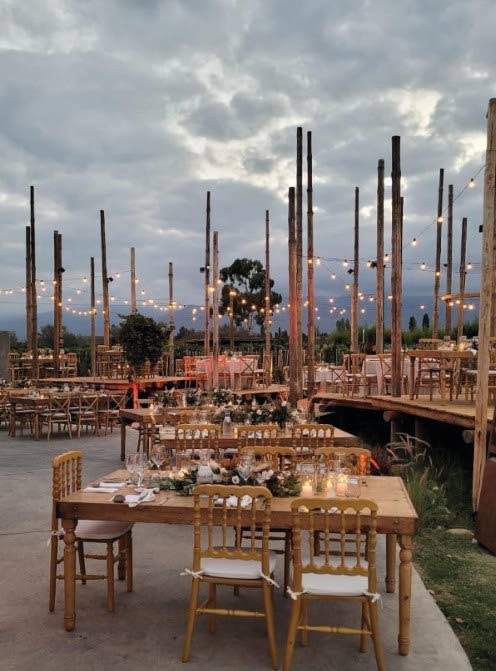
Bodega Superuco expertly curates bespoke events among their vines.
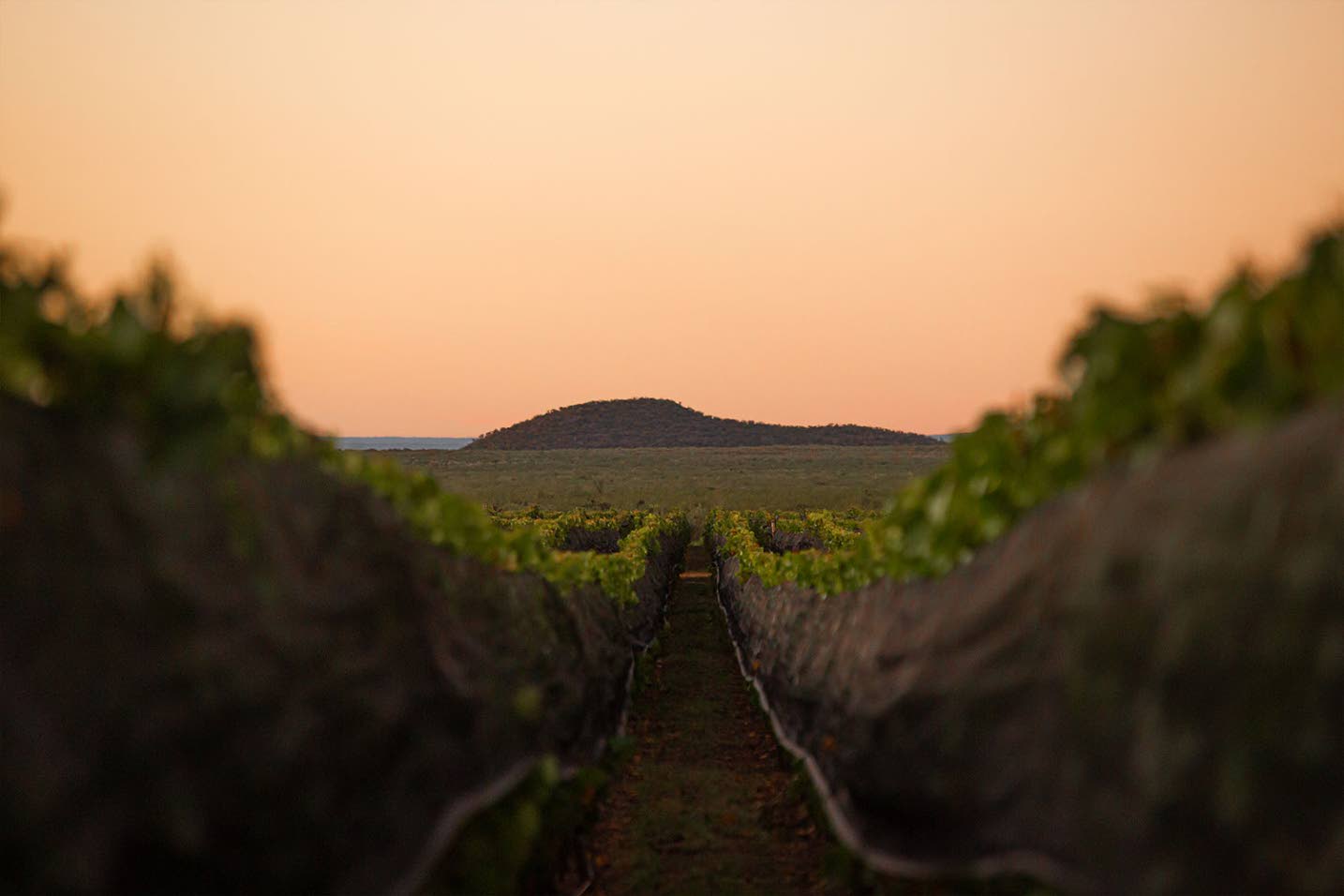
El Enemigo Eines’ El Cepillo vineyards (PHOTO BY EL ENEMIGO WINES)
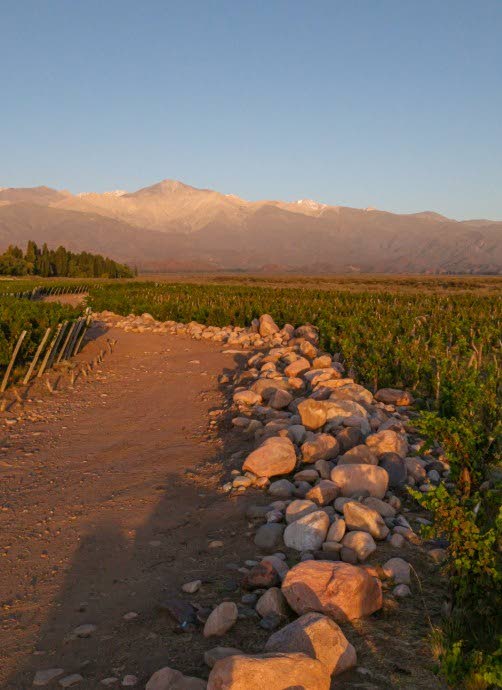
Malbec, Cabernet Franc, and Petit Verdot shape Kaiken’s Boulder Field Blend with an identity moulded by the stone and the native flora of the Los Chacayes region. (PHOTO BY KAIKEN WINES)

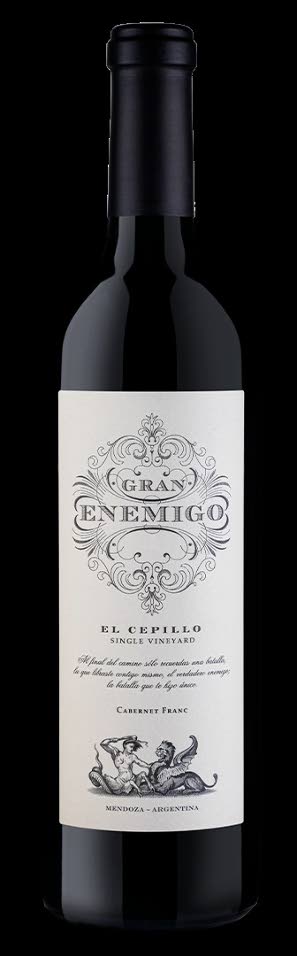
Gran Enemigo Single Vineyard El Cepillo 2021 by Enemigo Wines is a 98 point wine that is made from 85 percent Cabernet Franc and 15 percent Malbec grapes. (PHOTO BY EL ENEMIGO WINES)
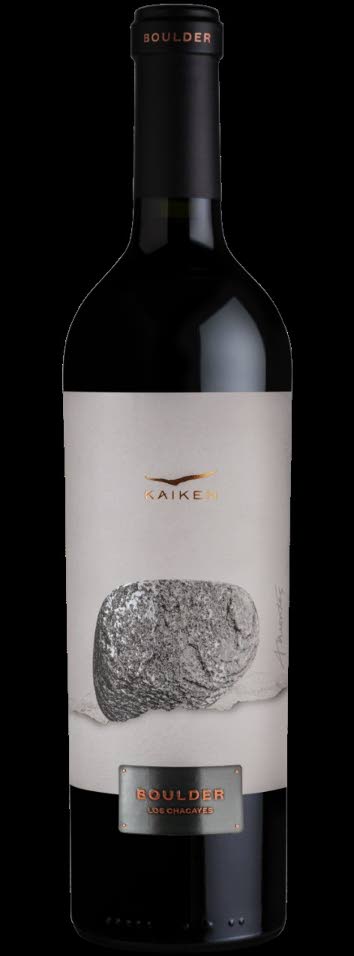
Kaiken Boulder 2021 Malbec, Cabernet Franc, Petit Verdot is a red blend from Los Chacayes produced by Kaiken Wines. (PHOTO BY KAIKEN WINES)
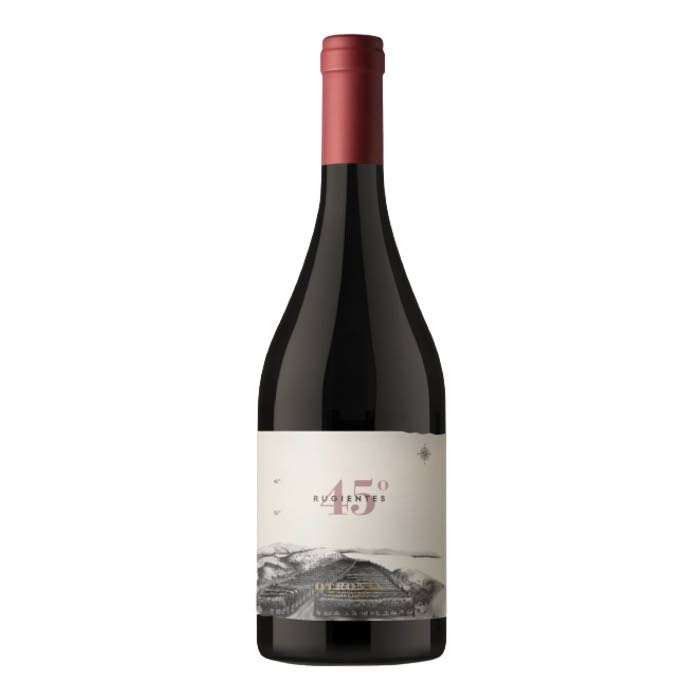
Otronia 2022 Tinto Pinot Noir is a 97-point wine from Chubut in the Patagonia region.
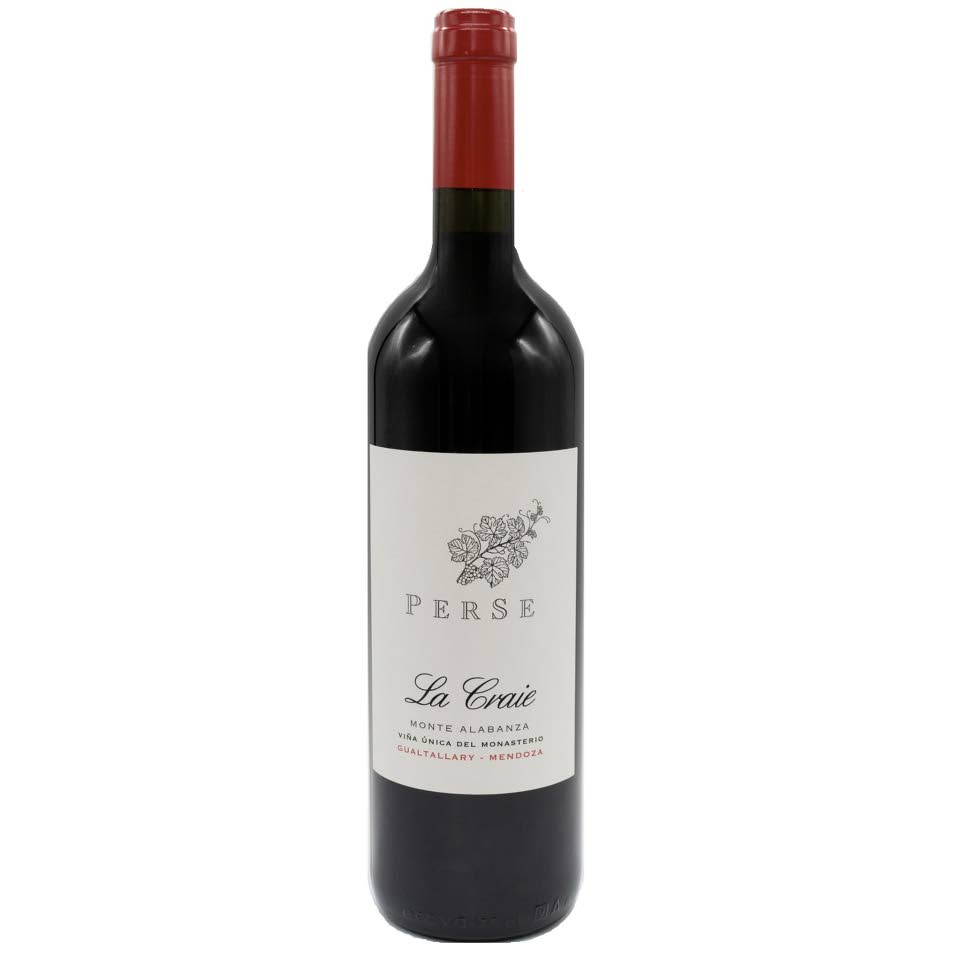
Perse La Craie 2022 Malbec, Cabernet Franc, by PerSe Vines, is a 98-point vintage. (Photo by Perse Vines)
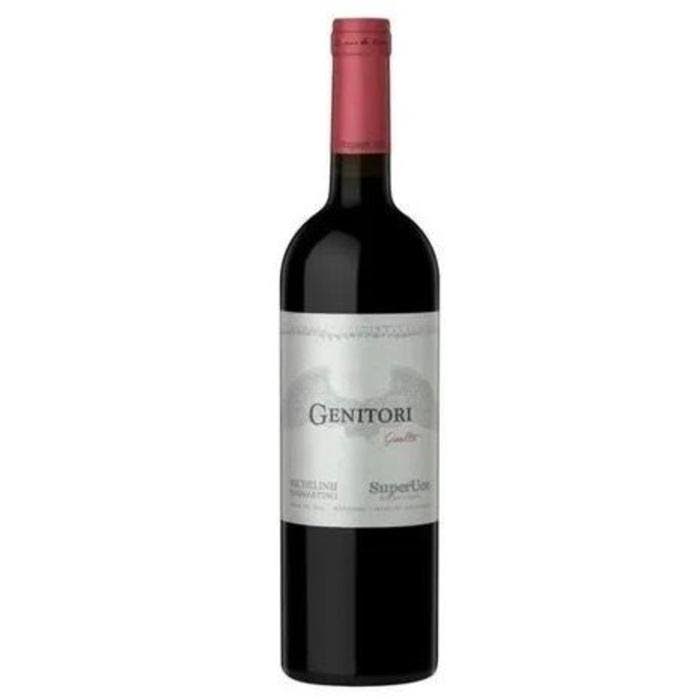
SuperUco Genitori Gualta 2021 Malbec, Cabernet Franc, made from vines grown in Gualtallary, Mendoza, is a 98-point wine. (Photo by Bodega Superuco)


