



‘No apologies’
Vaz rejects AG report, says Opposition only seeking relevance
DECLARING that he would “make no apologies” for his actions, Energy and Telecommunications Minister Daryl Vaz has hit back at the auditor general’s compliance audit report, arguing that the rush to secure Starlink devices was a life-saving necessity rather than a violation of procurement law.
In a strongly worded statement on Wednesday, Vaz rejected findings that his involvement in the $12-million purchase breached Section 20 of the Public Procurement Act, which assigns responsibility for procurement to the head of the procuring entity, in this case the Office of Disaster Preparedness and Emergency Management (ODPEM).
He insisted that the extraordinary conditions created by Hurricane Melissa, which pummelled Jamaica on October 28, 2025, justified immediate action outside normal bureaucratic timelines, pointing to official emergency procurement guidance issued by the Office of Public Procurement Policy.
“It must be noted that all actions taken were in keeping with the Guidance Note on the Acquisition of Goods, Services and Works in the Situation of Emergency or Extreme Urgency issued by the Office of Public Procurement Policy. In keeping with the guidance note, there can be no doubt that the Requirements for Employing Emergency Procurement Procedures were satisfied. These requirements are a genuine situation of emergency or urgency and the necessity of the procurement activity,” he said.
The auditor general’s compliance audit, tabled this week, concluded that the procurement process for 200 Starlink units had been initiated through a ministerial instruction rather than by ODPEM’s director general, and that the devices were delivered before formal approval and documentation were completed. The report also found that months after the purchase many of the units remained unused, with some not recorded in inventory systems and others requiring adapters because they were supplied with European two-pin plugs.
Vaz, however, framed the decision as a response to a communications collapse that threatened rescue and relief operations in western Jamaica.
“As we sought to respond in the wake of Hurricane Melissa, the only reliable source of connectivity was through Starlink. As a result, the demand for the devices increased and quickly depleted the local supply,” he said, noting that households, emergency services, and even telecom providers were clamouring for access.
According to the minister, Jamaica had already received donated units which were quickly exhausted, forcing the Government to secure additional devices to support recovery teams and State agencies.
“Acting in my capacity as co-chair of the Relief and Recovery Oversight Committee, I took a decision that ensured that the Government was able to secure the available devices quickly and have them distributed to the relevant State agencies and recovery teams in the quickest possible manner. The procurement of the devices was possible as a result of the swift and decisive actions taken, and I make no apologies for this,” he declared.
He maintained that the equipment was obtained “via the Office of Disaster Preparedness and Emergency Management”, and argued that the moral imperative of the moment outweighed procedural concerns.
“If even one life was saved, or even one family rescued as a result of the decision taken then it would have been worth it. Normal times call for normal actions, but in times of disaster and emergencies, such as the position that Jamaica was placed in following Hurricane Melissa, the ability to respond immediately can often save lives and mitigate harm and widespread public panic,” said Vaz.
In the meantime, Opposition spokesman on energy and telecommunications Phillip Paulwell said the matter was complicated by the minister’s own public declarations last year that Jamaica had received hundreds of Starlink units as donations.
“Jamaicans are entitled to clear and consistent answers. If 700 Starlink units were declared as a donation the public must now be told why a subsequent purchase process has been flagged for breaching procurement guidelines. Transparency cannot be selective,” Paulwell said in a statement released by the People’s National Party (PNP) on Wednesday.
Paulwell argued that because telecommunications were central to the disaster response, any decision-making around them had to be beyond reproach.
“Because these services are so essential, decisions surrounding them must be unimpeachable and fully compliant with the law,” Paulwell said, reiterating his party’s call for a broad-based oversight committee to monitor major emergency procurements.
Vaz, in his rebuttal, dismissed the criticism as political opportunism and sought to turn the spotlight back on the Opposition, noting that several of its representatives had accepted devices during the crisis.
“The statement from the Opposition is both disingenuous and an attempt to seek relevance. I must remind Opposition spokesman Phillip Paulwell that the devices he referenced are the same Starlink devices which Opposition members, including those in the leadership of the PNP, were clamouring for and received during the most challenging of times,” said Vaz.
“Councillors and Members of Parliament in the affected areas were all recipients of these procured devices. This also includes the fulfilment of the request that was made by the leader of the Opposition. The accountability that Paulwell and the Opposition demand may therefore begin with the devices that they received,” he added.
The minister maintained that the national emergency left little room for hesitation, insisting he acted in the best interest of the country.
“At a time when Jamaica was at its most vulnerable and most fragile, I could not, as a co-chair of the Relief and Recovery Oversight Committee, an elected official, and the minister of telecommunications, sit idly by during what constituted a telecoms emergency,” Vaz insisted.
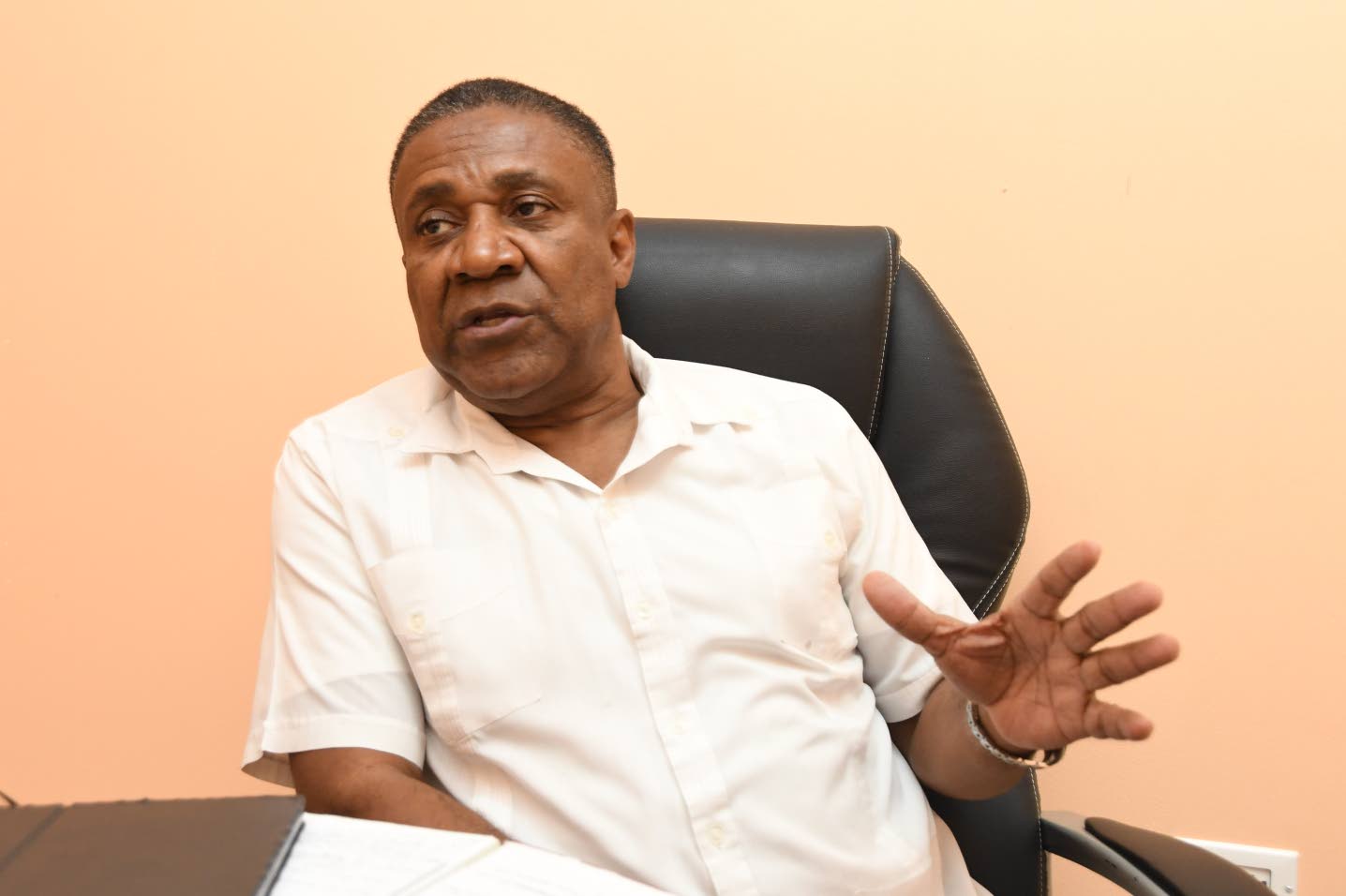
PAULWELL…Jamaicans are entitled to clear and consistent answers.
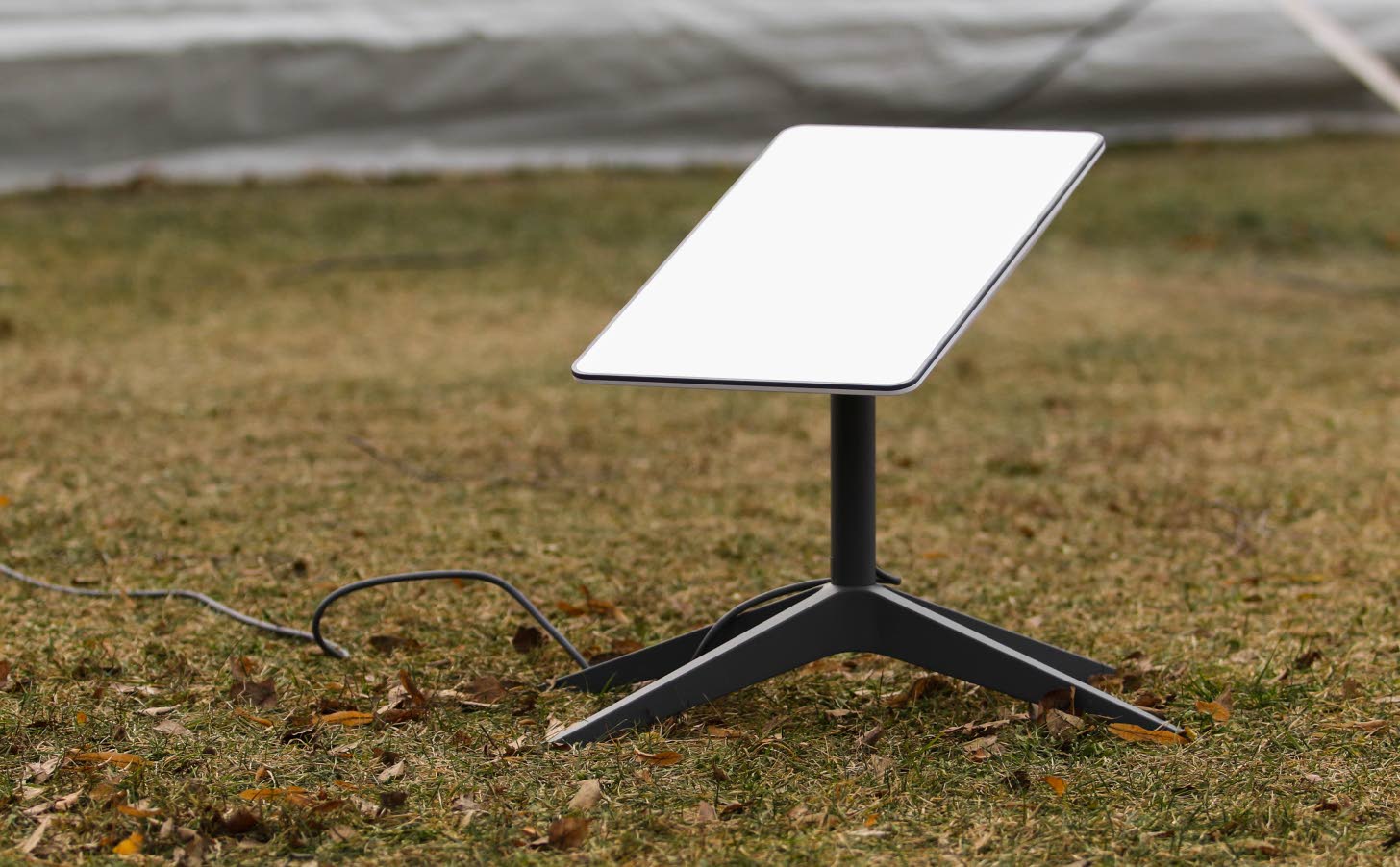
The Auditor General’s compliance audit, tabled this week, concluded that the procurement process for 200 Starlink units was initiated through a ministerial instruction rather than by ODPEM’s director general, and that the devices were delivered before formal approval and documentation were completed.


