



Protecting Our Youngest: Formula Safety
Baby formula has once again come into sharp focus globally, following a series of high-profile recalls that have unsettled parents and caregivers. While infant formula remains a critical and often life-sustaining source of nutrition for many babies, recent and past events remind us that it is not without risk. Over the past two decades, three major incidents — the melamine contamination crisis of 2008, a botulism outbreak linked to powdered formula in 2025, and the current 2026 recall due to possible cereulide toxin contamination — have highlighted vulnerabilities in the global food system and reinforced the need for vigilance when it comes to infant nutrition.
The 2008 Melamine Contamination Crisis
In 2008, the world witnessed one of the most serious food safety scandals in modern history when powdered infant formula in China was found to be contaminated with melamine, an industrial chemical used in the manufacture of plastics. Melamine was deliberately added to diluted milk to artificially inflate protein readings during quality testing. According to the World Health Organization, more than 300,000 infants were affected, with at least 6,240 cases of kidney stones reported and several infant deaths linked to kidney failure. The contamination involved products from over 20 manufacturers and resulted in massive recalls both within China and internationally, as affected products had entered global markets. This incident exposed the devastating consequences of food fraud and fundamentally changed how many countries regulate infant formula safety.
The 2025 Infant Botulism Outbreak Linked to Formula
More recently, in late 2025, US public health authorities investigated a rare but alarming outbreak of infant botulism that was linked to powdered baby formula. Infant botulism occurs when spores of Clostridium botulinum are ingested, germinate in the infant’s immature gut, and produce a potent neurotoxin. This toxin can cause severe muscle weakness, difficulty feeding, breathing problems, and prolonged hospitalisation if not treated quickly. The outbreak was associated with ByHeart Whole Nutrition Infant Formula, prompting a nationwide recall of all products from the manufacturer.
By the time the investigation concluded, at least 51 infants across 19 US states had been hospitalised. While no deaths were reported, every affected infant required specialised medical care, including administration of botulism antitoxin. The US Centers for Disease Control and Prevention typically reports only 150 to 180 cases of infant botulism per year from all causes combined, making this formula-associated outbreak highly unusual and deeply concerning for regulators and parents alike.
The 2026 Cereulide Toxin Recall
Recently, several major global infant formula brands, including Nestlé and Danone, have announced recalls of specific batches of powdered formula after detecting potential contamination with cereulide. Cereulide is a toxin produced by certain strains of the bacterium Bacillus cereus. Unlike many bacteria, cereulide is heat-stable, meaning it cannot be destroyed through boiling or normal formula preparation methods. Consumption of food containing this toxin can lead to nausea, vomiting, and abdominal cramps, and in severe cases may contribute to more serious outcomes.
Although investigations are ongoing and confirmed cases of illness remain limited, the seriousness of the response reflects the potential danger to infants. In France, authorities are examining whether two infant deaths could be linked to contaminated formula, underscoring why precautionary recalls are essential even before widespread illness is confirmed.
Why Babies Are Especially Vulnerable
Infants are particularly susceptible to food-borne illness because their immune systems and digestive tracts are still developing. Unlike adults, babies have a limited ability to fight off harmful bacteria or neutralise toxins once they enter the body. Their gut microbiome is immature, allowing pathogens to grow more easily, and their organs are still developing, making them less resilient to chemical and biological hazards.
Additionally, infants consume formula multiple times per day, often as their sole source of nutrition. This means that even low-level contamination can result in repeated exposure. Because of their small body size, toxins and pathogens can reach dangerous concentrations much more quickly than they would in older children or adults. These factors make infant formula recalls especially serious and non-negotiable from a public health perspective.
Food Safety Risks Associated With Baby Formula
While commercially produced infant formula is generally safe when manufactured and prepared correctly, powdered formula is not sterile. Bacteria such as Cronobacter sakazakii, Salmonella, Clostridium botulinum, and Bacillus cereus can be introduced during manufacturing, handling, or preparation. In addition to bacterial hazards, chemical contaminants and toxins — such as melamine or cereulide — present serious risks because they are not always eliminated by heat.
Improper handling further increases risk. Using contaminated water, failing to sanitise bottles and utensils, storing prepared formula at room temperature for too long, or using expired products can all create conditions that allow harmful microorganisms to multiply.
What This Means for Jamaica
Although the specific brands involved in recent recalls may not be officially distributed through formal retail channels in Jamaica, the risk should not be dismissed. Baby formula is frequently brought into the country through informal means — gifts from relatives overseas, online purchases, or resale through unregulated channels. These domestically imported products may include recalled batches without the knowledge of parents or caregivers.
As a result, a recall issued in Europe or North America can still directly affect Jamaican households. This reality highlights the importance of public awareness and the need for parents to be cautious about sourcing infant formula outside of authorised distribution networks.
How Parents and Caregivers Can Protect Their Babies
Parents and caregivers play a critical role in reducing the risk of formula-related illness. Purchasing infant formula only from reputable, authorised sellers is one of the most effective safeguards. Caregivers should check batch numbers against official recall notices issued by manufacturers or international food safety authorities and avoid buying formula from informal online sellers or unverified sources.
Safe preparation is equally important. Bottles and feeding equipment should be thoroughly cleaned and sanitised, clean potable water should be used, and preparation instructions should be followed exactly as stated on the label. Prepared formula should not be left at room temperature for extended periods, and unfinished feeds should be discarded within the recommended time frames.
Caregivers should also be alert to warning signs of food-borne illness in infants, including vomiting, diarrhoea, poor feeding, unusual lethargy, constipation, or muscle weakness. Any concerning symptoms should prompt immediate medical attention.
Conclusion
The melamine scandal of 2008, the infant botulism outbreak of 2025, and the current cereulide-related recall of 2026 all serve as powerful reminders that infant formula safety requires constant vigilance. Babies are uniquely vulnerable, and even rare risks can have serious consequences. In Jamaica, where informal imports are common, awareness becomes even more critical. By staying informed, sourcing formula responsibly, and practising safe preparation and handling, parents and caregivers can help ensure that infant formula remains a safe and reliable source of nutrition for those who depend on it most.
About the Author
Allison Richards is a food safety communicator, trainer, and the founder of The Food Safety Girl, a consumer awareness platform dedicated to promoting food safety in Jamaica. She is also the host of The Big Bite Food Safety Show, a radio programme that educates listeners on food safety issues. With over 14 years of experience in food safety regulation, Allison is passionate about empowering consumers and industry stakeholders to make informed choices that protect both health and the environment. Through public education initiatives, including free community webinars, she continues to create space for learning, dialogue, and practical food safety awareness.
Allison Richards | thefoodsafetygirlja@gmail.com
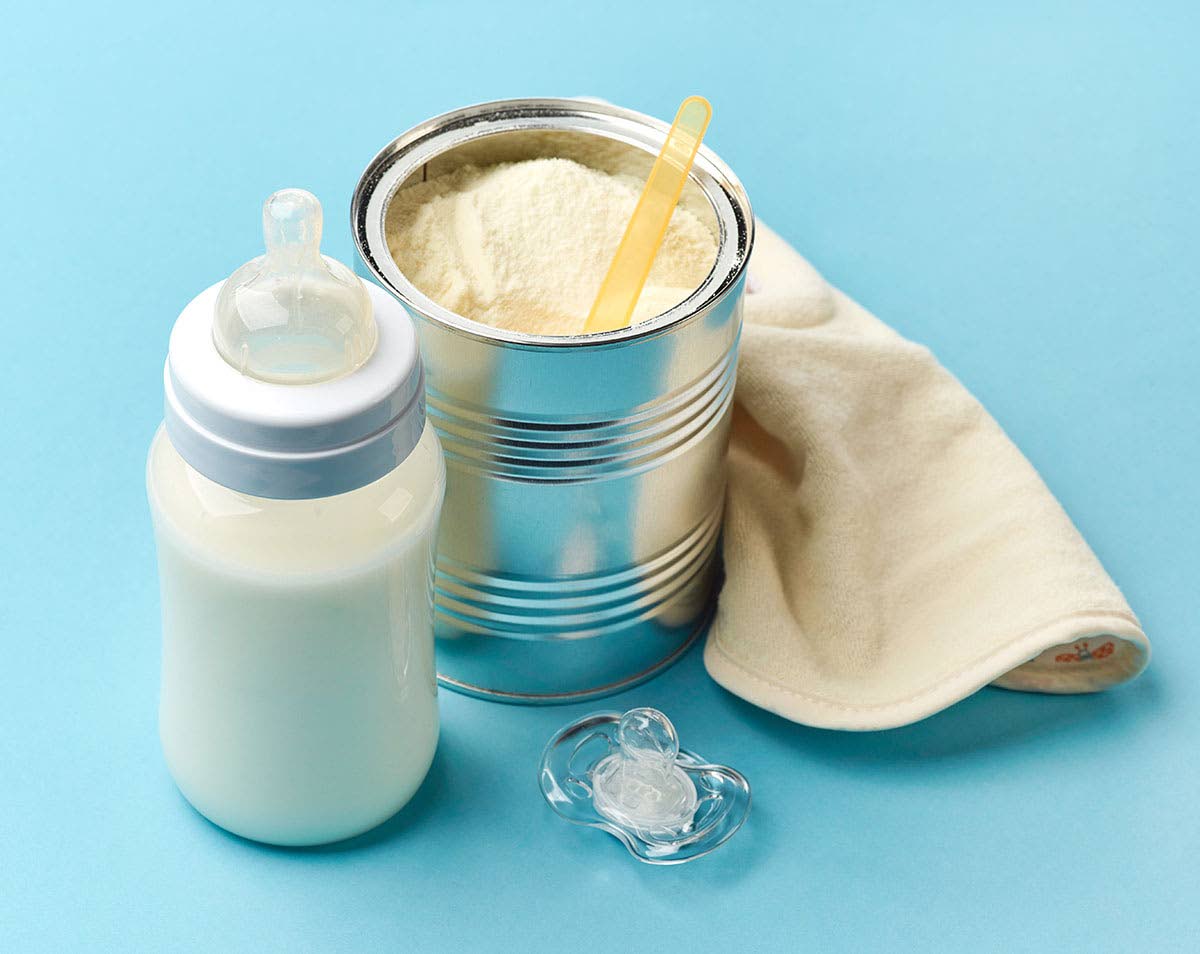
From the 2008 melamine scandal to the recent 2025 botulism outbreak and the 2026 cereulide toxin recall, recurring safety failures have highlighted systemic risks in the global food supply and the critical importance of constant vigilance when it comes to infant nutrition.
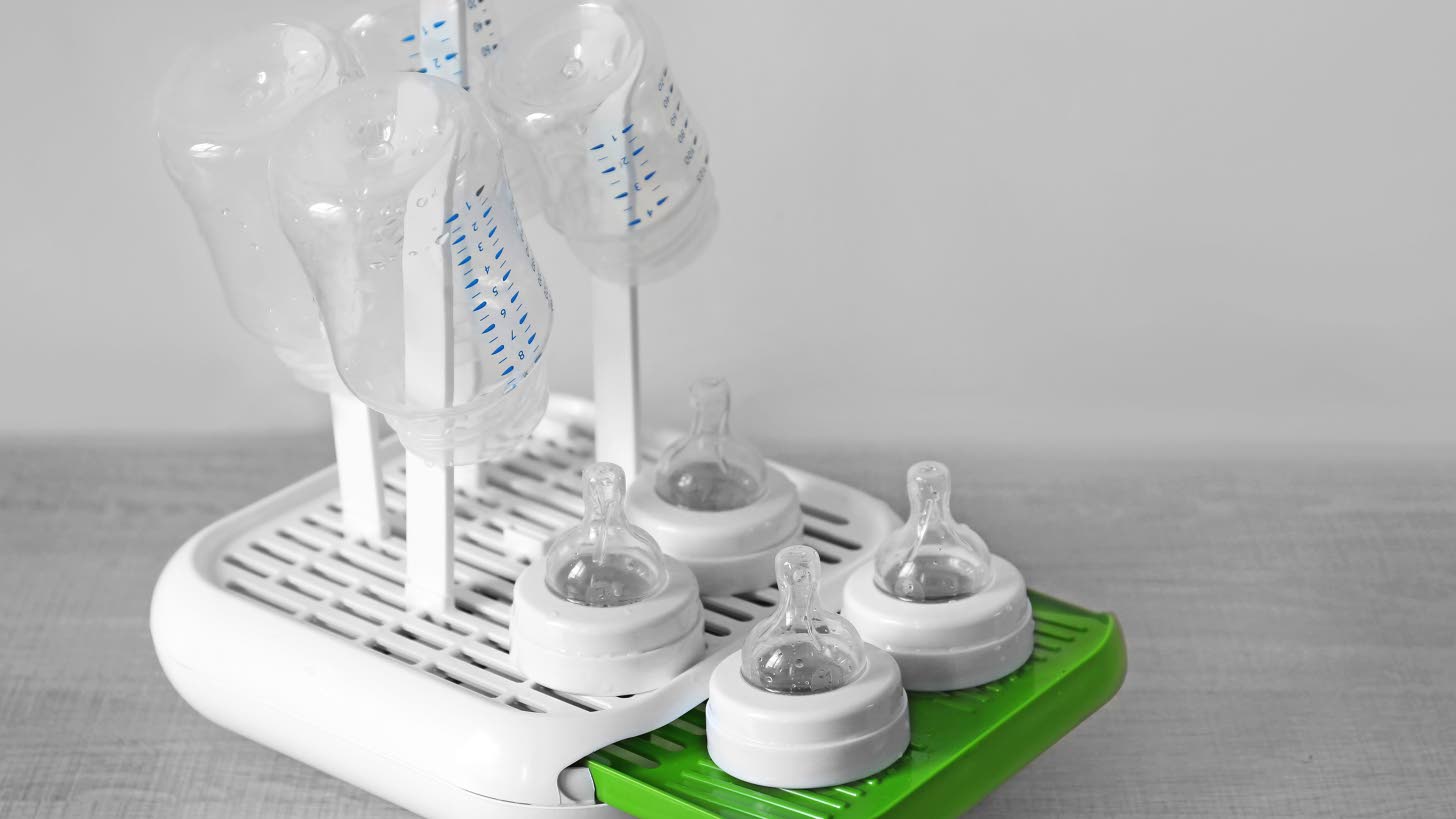
Reducing formula-related illness relies on two pillars: Sourcing from reputable sellers and ensuring bottles and feeding equipment are rigorously cleaned and sanitised.


