



Youth power drives climate resilience in Montego Bay
MONTEGO BAY, St James — Mayor of Montego Bay Councillor Richard Vernon has declared that young people are now “architects of a new kind of future”, as youth-led climate projects under the Bloomberg Youth Climate Action Fund emerged as a critical pillar of community resilience across the Montego Bay area in the aftermath of Hurricane Melissa.
Speaking at a certificate presentation ceremony for participants in the fund’s second round at the Montego Bay Cultural Centre on January 29, Vernon said that more than $17.2 million had been invested in local projects during the second round.
He revealed that nearly half of the round-two funding — about $8.3 million — was allocated to water security and food systems, including the Norwood Rainwater Nexus Project, which supplied clean water to 2,000 residents after the October 28, 2025 hurricane; and aeroponic farming at Maldon High School, where 800 students were trained in climate-smart agriculture.
Renewable energy projects valued at $3.5 million also proved pivotal, with solar installations at the Mount Salem Resource Centre keeping the facility operational during widespread power outages caused by Hurricane Melissa. The centre functioned as an emergency shelter, business hub, and study space for residents.
Vernon stressed that the real significance of the programme lay not only in infrastructure, but in youth leadership.
“The question before us is no longer whether youth can lead. They already are,” he stressed.
“When we invest in youth, we invest in resilience,” he added, pointing out that youth-led initiatives kept “the lights on, the water flowing, and the community connected” in the hurricane’s aftermath.
Highlighting the scale of innovation, Vernon said projects across St James had transformed dumpsites into playgrounds, tyres into planters, and community centres into eco-hubs powered by renewable energy.
“These are not isolated stories. They are part of a larger narrative,” he said.
“Two years ago, we stepped into this global movement with a spark of belief and a modest beginning — 13 projects, a seed investment of US$50,000, and a shared hope that our young people could turn vision into reality. That hope was not misplaced. It was met with action, innovation, and results that have reshaped our communities,” he noted.
According to the mayor, the impact of the microgrants demonstrated that local, youth-driven solutions are now central to climate preparedness in Montego Bay, proving that resilience “is not a privilege reserved for the wealthy, but a right that can be built by communities, by collaboration, and by the courage of young people who refuse to be bystanders”.
“So this evening, as we present these certificates, we are not merely recognising achievement. We are affirming a new kind of leadership. We are saying to every young person in this room: your work matters. Your ideas are shaping the future of this city. Your actions are building the systems that will protect us when the next storm comes, and the Mayor’s Bloomberg Youth Climate Action Fund is here to support you,” Vernon said.
“And to our partners, our educators, our community leaders — this is your call to action. Support these young innovators. Mentor them. Fund them. Walk beside them. Help them turn every community shelter into a centre of sustainability. Help them build the networks, the systems, and the spaces that will carry us through the storms ahead,” he added.
The project provides grants ranging from $150,000 to $750,000 to youth groups comprising members aged 15 to 24. During the second round of the Youth Climate Action Fund, 20 youth-led projects received support, with eight recognised for their outstanding impact.
Certificates were presented to youth leaders in recognition of their contributions to climate resilience, sustainability, and community development throughout Montego Bay.
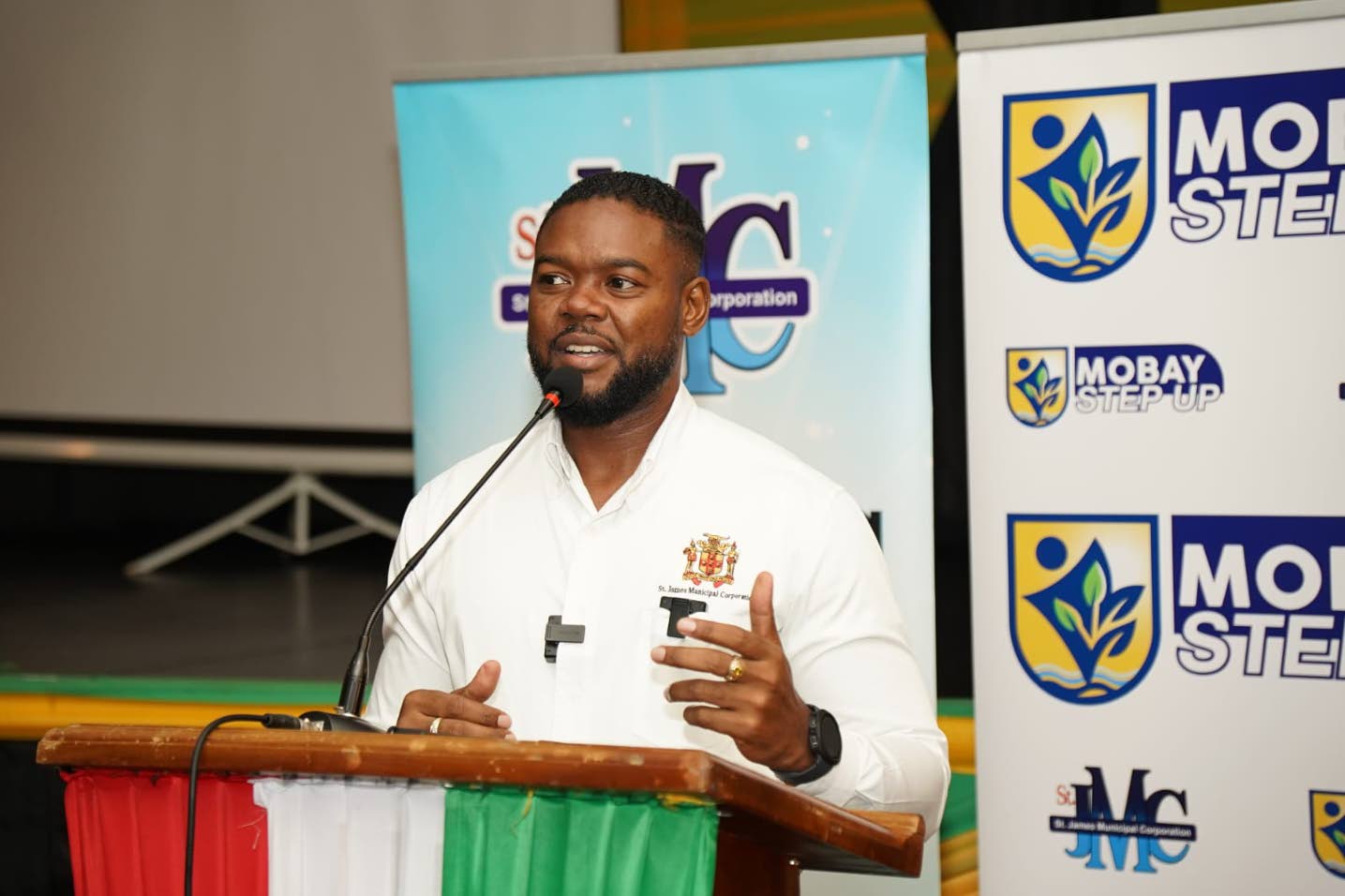
Mayor of Montego Bay Councillor Richard Vernon.


