Lifesavers after the storm
Lifesavers after the stormProject HOPE, Spanish medical team shutter field hospital in HanoverProject HOPE, Spanish medical team shutter field hospital in Hanover
AS Jamaica continues its long and complex recovery from the devastation of Hurricane Melissa, one of the most compelling stories of resilience and international solidarity unfolded quietly at the Noel Holmes Hospital in Hanover.
In the immediate aftermath of the storm, as floodwaters receded and access to basic services remained limited, a Spanish Emergency Medical Team (EMT) from the non-profit organisation SAMU, working in collaboration with Project HOPE and other sponsors, stepped in to provide critical, life-saving medical care at a moment of acute national strain.
When director of international emergencies at the SAMU Foundation, Andrés Rodríguez Holst arrived in Jamaica on October 30 last year — aboard the first international humanitarian charter to land after Kingston’s airport reopened — his 16 years of disaster response experience had not prepared him for what he would witness.
“I arrived in Jamaica about 10 hours after Kingston’s airport reopened,” Holst recalled. “The level of devastation I saw in Black River, [St Elizabeth], [sections of] Westmoreland and surrounding areas, was unlike anything I had experienced before.”
Across Hanover and neighbouring parishes, health centres had sustained damage, roads were blocked, and patient referrals that would normally be absorbed by community health-care facilities were diverted to Noel Holmes Hospital. The hospital’s accident and emergency department quickly became overwhelmed, placing unprecedented pressure on the institution.
Holst, a veteran of multiple global disaster responses, said what struck him most was not only the scale of destruction but the speed at which Jamaican authorities moved to restore access to affected communities and the resilience of the Jamaican people.
“That response made it possible for international teams like ours to reach the people who needed help the most,” he said.
At the request of the Noel Holmes Hospital’s administration, the SAMU EMT — primarily funded by US$320,000 from Project HOPE — assumed responsibility for the hospital’s accident and emergency department. The team established a fully functional field hospital on the institution’s compound, integrating into the public health system at a critical juncture.
Holst explained that the emergency response was delivered through three consecutive rotations of highly specialised personnel, each deployed for under a month.
“We’ve had three rotations so far,” he said. “The first group was 25 people, the second was 22, and this final group is 24. Each rotation stayed just under a month, and together we’ve been here for a total of 82 days,” he told the Jamaica Observer.
The multidisciplinary nature of the team, Holst noted, was critical to its effectiveness.
“So we always have one emergency physician, we have one trauma specialist, and the other one is usually related to internal medicine. So, in the first group there was an oncologist; the second one, it was a family community specialist; and this last one is internal medicine. Then we have nurses that are either specialised midwives or are specialists in emergency nursing or ICU [intensive care unit] care, and the paramedics…they do functions of direct care with the patients or logistics,” Holst explained.
Over the course of the mission the team of seasoned medical professionals triaged approximately 5,000 patients, of which more than 2,200 were treated on site after being classified as priority one to three (the most critically ill).
“We don’t do surgeries,” Holst explained. “Our role is emergency stabilisation and short-term observation, usually between two and seven hours. Initially, our offer to the Ministry of Health was primary health care and stabilisation, but once we arrived we had to pivot.”
That pivot included assuming full responsibility for the hospital’s A&E department, expanding observation capacity, and reconfiguring the field hospital’s layout.
“We needed a much larger observation area,” he said. “The hospital lent us beds, we removed parts of the original layout and we expanded capacity. We ended up with seven observation beds, a short treatment area that could take eight patients seated, and two dedicated trauma bay beds.”
Despite space constraints, the team was able to manage a heavy caseload while ensuring that less critical patients were referred to health centres that reopened, or other facilities.
“We only take priority-one-to-three cases,” Holst said. “Category four and five patients — for things like prescription refills or wound follow-ups, are referred elsewhere. Given the limited space here, that’s essential.”
According to SAMU Foundation’s international emergencies director, the team managed a wide range of emergencies, including trauma, acute medical conditions, and psychological distress emerging in the aftermath of the Category Five hurricane.
While the EMT did not perform surgeries, its stabilisation and observation role proved critical, as that level of expertise led to a major milestone during the mission — the facilitation of the first-ever emergency airlift from Noel Holmes Hospital, achieved through coordination with the Jamaica Defence Force (JDF).
“My contact here at the Jamaica Defence Force, she facilitated all the resources for us to move [patients] either by sea, air, or land, if necessary. So it was a mechanism set at first to relieve the system that was stressed already by the storm so it was easier for us to send patients to Kingston, if necessary,” said Holst.
As a World Health Organization-certified EMT, SAMU operated a fully self-sufficient unit in relation to power, fuel, water sanitation, hygiene, and waste management.
“We do supply chain for pharmaceuticals, for consumables, those type of things, so we don’t represent an extra load for the host country when the situation hits. We have capacity to treat our own water, we have the generators for our own power and electricity,” explained Holst. “At first we used them but, at some point, the hospital told us that it was better to reduce those costs and we were plugged into the public grid and the water system from here.
“…The medical waste, we managed it ourselves — we hired a local company that takes care of that, and some of our medical residues are taken care [of] here at the hospital,” Holst told the Sunday Observer.
Meanwhile, the local health team said the international EMT came at a critical moment.
“With several health centres damaged, patients who would normally be treated in the communities were coming straight to the hospital,” said Hanover parish manager for the Ministry of Health’s Western Regional Health Authority Aldwayne Bedford. “We saw roughly a 50 per cent increase in demand at [the] accident and emergency [department].”
According to the parish manager, SAMU and the Jamaican staff worked together seamlessly.
“The reality is that the integration process, I think, was reasonably good…because what we did was to integrate our staff…waiting time drastically reduced. So, that is something that we looked at and will be seeking to see where are the bottlenecks for us so we can correct it so we have persons moving as quickly through our system,” Bedford said.
He also said the SAMU team’s flexibility also stood out, particularly in high-pressure clinical settings.
“When we look at even the collaboration between SAMU and the Noel Holmes Hospital, the division of labour, it wasn’t that rigid with that team. So you will see all the team members clothed in their yellow top and blue bottoms and you can’t tell the difference between a nurse and a doctor or a porter, in our case.
“What we saw with that team, they were so closely knitted. Everyone was doing different tasks that you would not see an ordinary nurse, in our setting in their white uniform, lifting up boxes and pushing the patients in wheelchairs, and so forth and so on. So their team shows that it’s not so much the division of labour but it is ensuring that, at the end of the day, the patient is being treated,” he said.
Noel Holmes Hospital Chief Executive Officer Princess Wedderburn also described SAMU’s intervention as pivotal.
“They took over accident and emergency services at a time when we needed it most,” she said. “They became the first point of contact for patients, filtering cases efficiently for admission, referral or transfer. That ensured smoother patient flow and reduced waiting times.”
In the meantime, despite the reality on the ground, it was the response of ordinary Jamaicans that left the deepest impression on the visiting EMT.
“What we take from here…it’s a very resilient community that, even though they were hit by the worst hurricane ever recorded, they were with a smile and very grateful about us being here. People don’t even stop and ask us what is it that we’re doing, they just go straight into thanking us.
“So that’s very nice, and that has never happened to me in my 16 years in disaster response,” said Holst. “People always ask exactly what it is that you do…they want to know, and afterwards they are thankful. But here [in Jamaica] is not [like that]. They stop us and say thank you so much for what you do.”
He said Jamaicans would stop members of his team in supermarkets just to say thanks, sometimes even paying for their groceries.
“It’s a very grateful community, very resilient as well, always with a smile on their faces. So it’s been very nice, a very nice experience,” Holst added.
The SAMU Emergency Medical Team concluded its field hospital operations in Hanover on January 31, closing a chapter that stabilised a fragile system at its most vulnerable moment. Project HOPE’s work in Jamaica continues, shifting from emergency response to longer-term recovery and health system strengthening.
“Their presence relieved immense pressure on our health system,” Bedford told the Sunday Observer. “They didn’t just support us, they showed us new ways of working that we can build on going forward.”


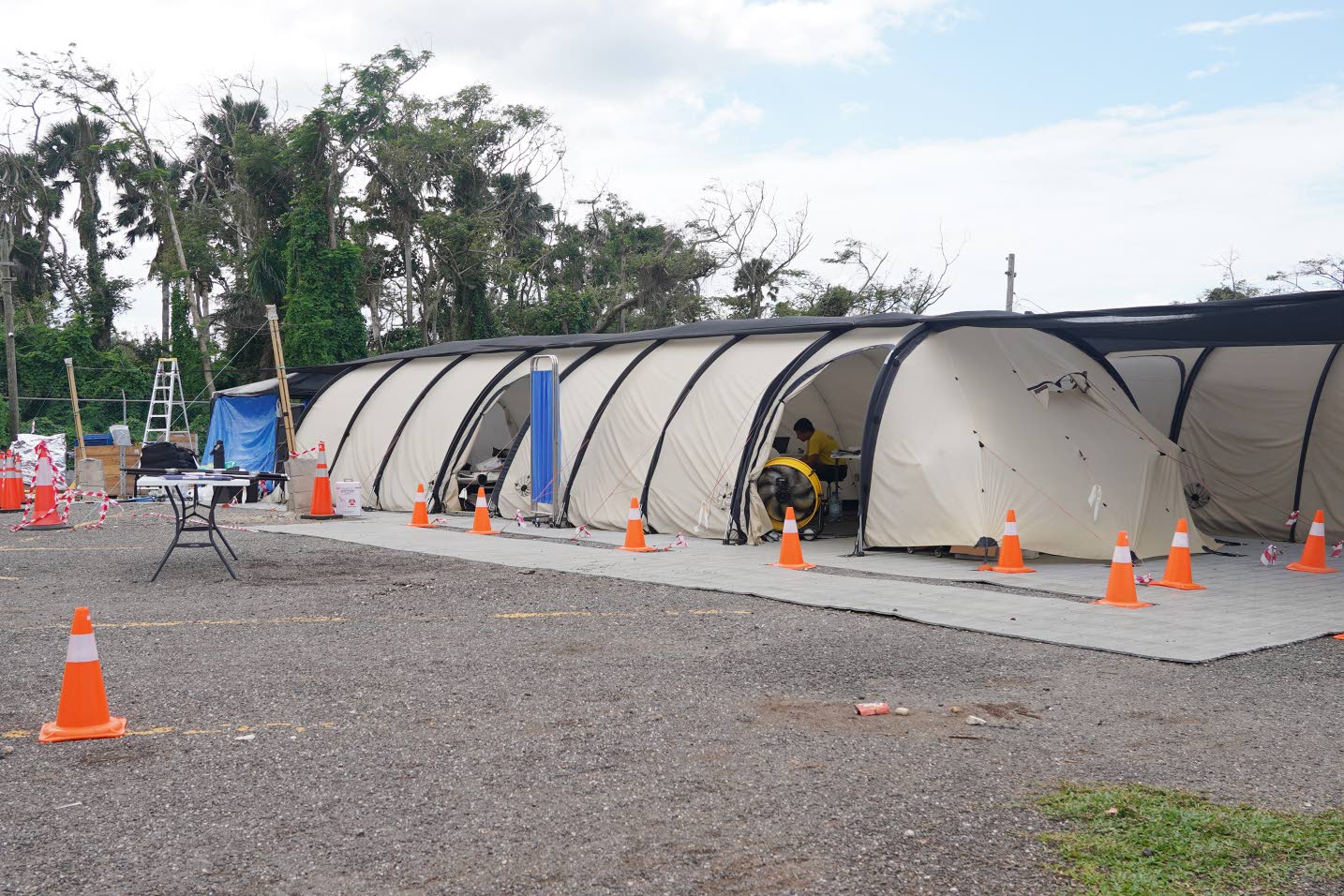
A section of the field hospital that was on the compound of the Noel Holmes Hospital in Hanover.(Photo: Gavin Jones)
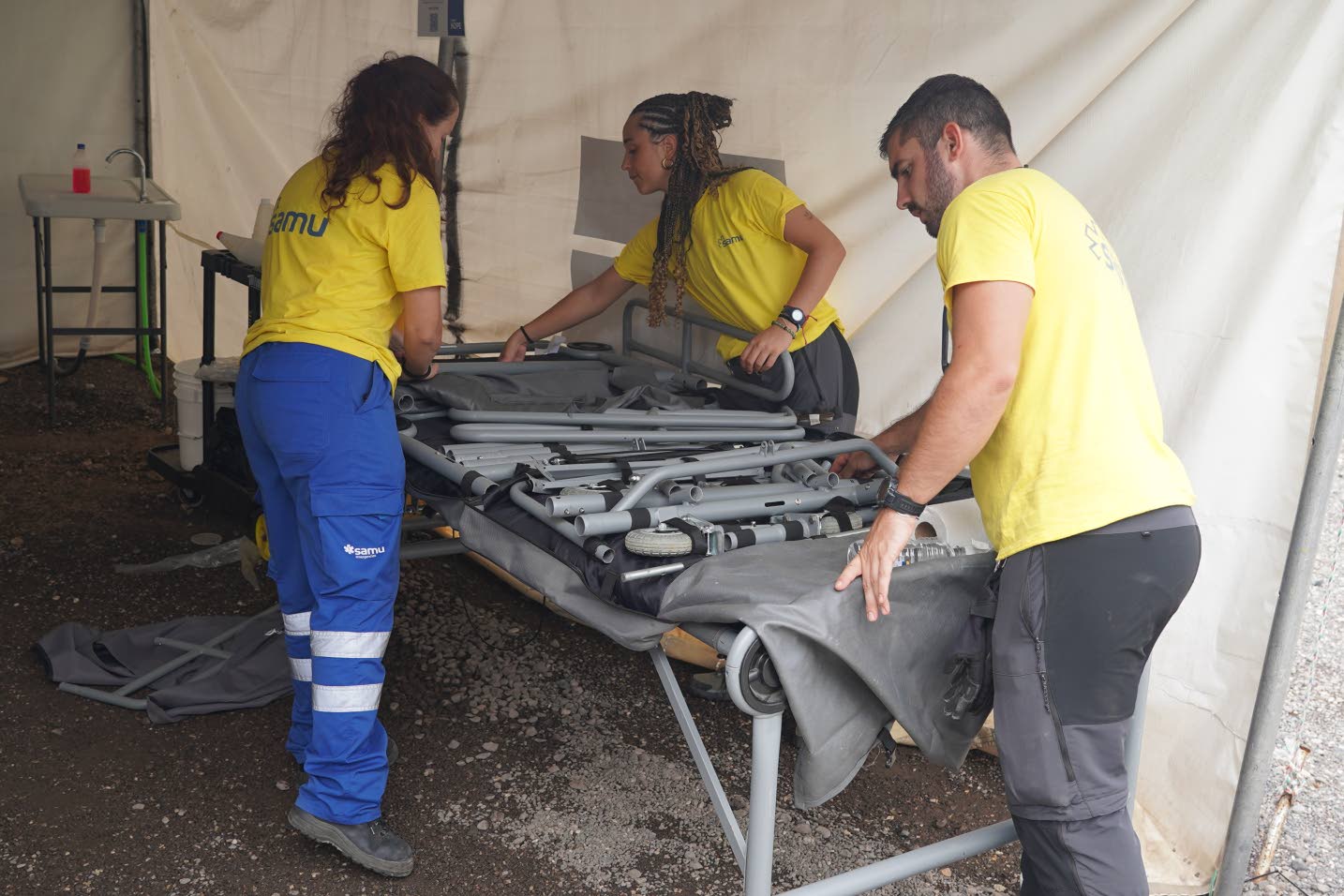
Members of the Spanish Emergency Medical Team work together as they dismantle equipment when shuttering the field hospital in Hanover recently. (Photo: Gavin Jones)
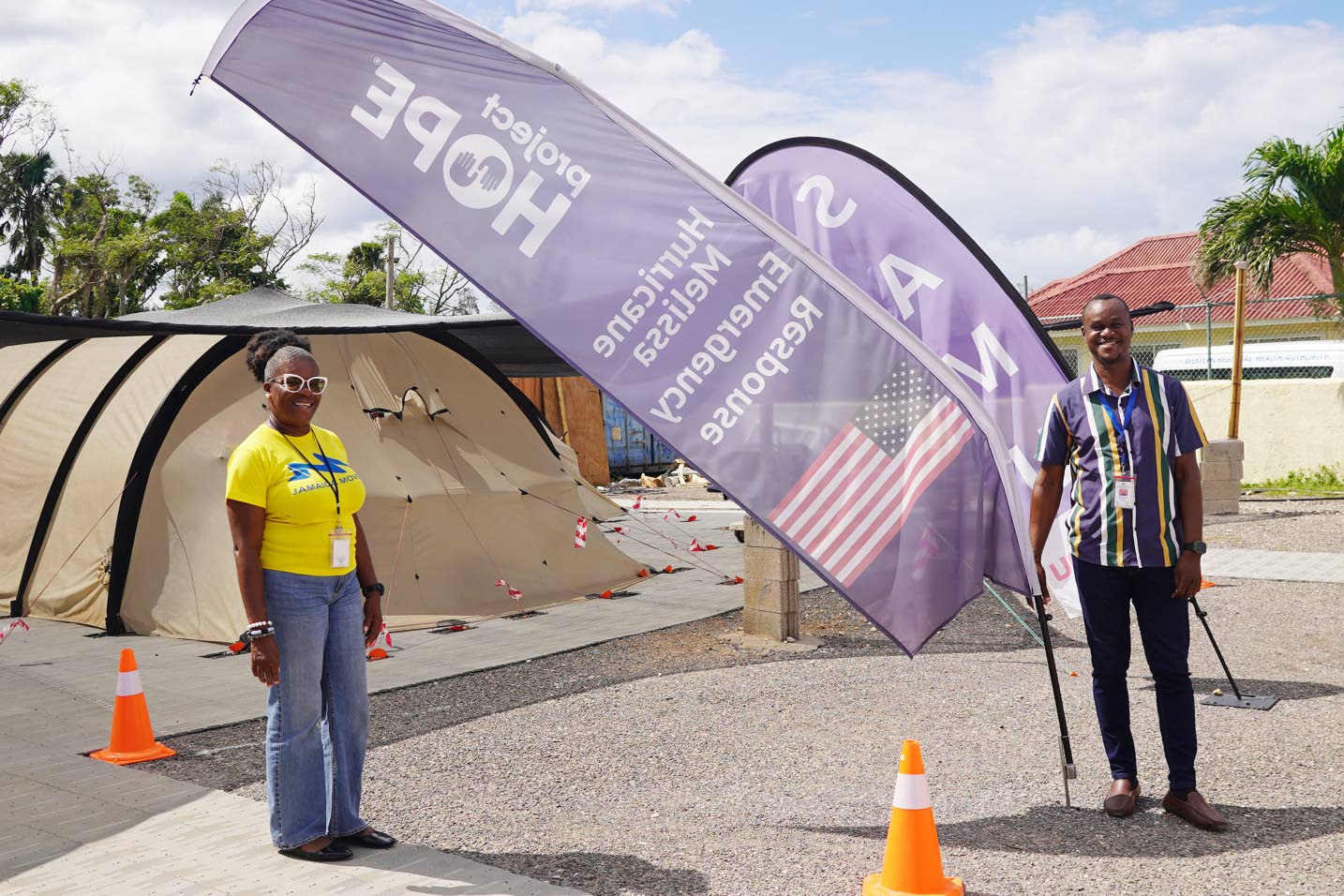
Parish manager for Hanover Health Services Aldwayne Beckford (right) and Noel Holmes Hospital CEO Princess Wedderburn are all smiles outside the field hospital in Hanover recently as they talk to the Jamaica Observer about the work the visiting emergency team from SAMU Foundation did in the wake of Hurricane Melissa.(Photo: Gavin Jones)
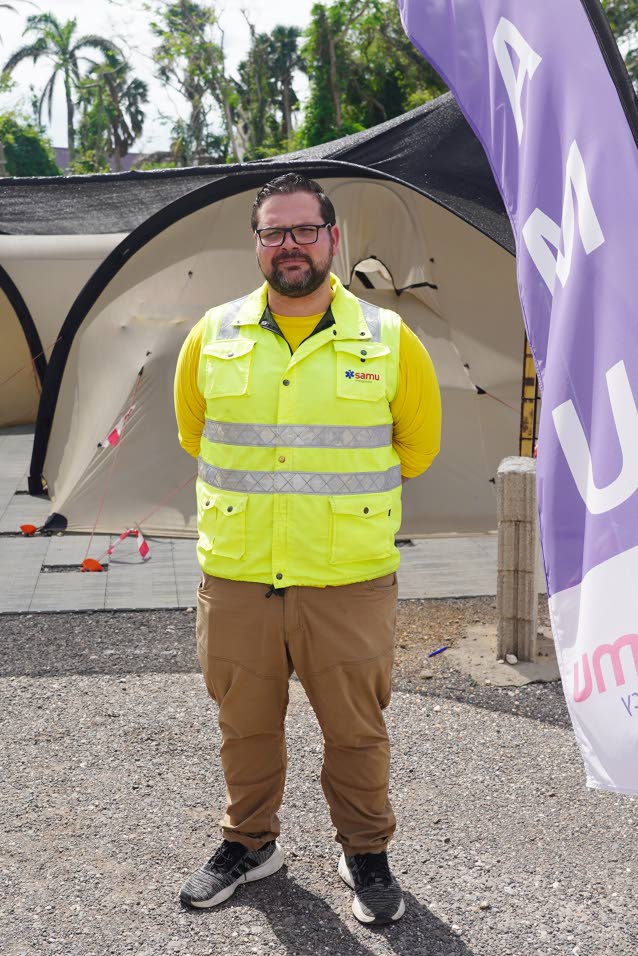
Andrés Rodríguez Holst, director of international emergencies, SAMU, speaking to the Jamaica Observer outside the field hospital in Hanover recently. (Photo: Gavin Jones)