What stronger homes look like
How form, space, and resilience are reshaping Jamaican architecture
JAMAICAN architecture has never stood still. It has always responded to climate, culture, and necessity. From timber board houses raised off the ground to catch the breeze, to deep verandas that soften the sun and welcome community, the built environment has long reflected how Jamaicans live, adapt, and endure.
What we are seeing now feels like another turning point.
A home is not just a roof over your head; it is the frame for daily life — family, rest, work, and memory. How we build shapes how we live, and in a country like Jamaica it also shapes how well we endure.
Across the island, a new architectural language is emerging: Clean lines; strong geometry; square and rectangular forms pushing outward; windows that project with confidence; flat planes of reinforced concrete and steel; rooftops that are no longer an afterthought but a destination. These are not merely stylistic choices, they are practical, defensive, and forward-looking responses to the realities of modern Jamaican life.
For decades, the pitched tile roof was king. It still has its place and will continue to serve many existing homes for years to come, but new construction is telling a different story. Flat, reinforced concrete roofs are becoming the default — not because they are fashionable, but because they make sense. They resist hurricanes. They reduce maintenance. They offer usable space. They allow water tanks, solar panels, air-conditioning systems, and services to be tucked away neatly, safely, and accessibly.
From repair to rethinking
What we are beginning to see is a shift in mindset. Even before the most recent hurricanes, some homeowners and developers had started to move beyond simple like-for-like rebuilding toward deeper reconsideration. Roofs, upper levels, and structural systems are increasingly treated not as components to be restored but as elements to be rethought. Recent storms have not created this thinking, but they have tested it and, in many cases, confirmed its value.
This is where resilience stops being reactive and starts becoming intentional. Homes are being designed to manage uplift, lateral wind forces, and long-term structural stress — not as upgrades but as commitments. These are decisions about permanence, about whether a house is merely rebuilt or fundamentally prepared.
That instinct, to rebuild stronger and smarter, is gaining ground, and recent storms have made its value harder to ignore.
Rooftops, in particular, are being re-imagined as living space. Pools elevated above the street. Steel canopies providing shade. Gyms, lounges, and social spaces integrated into the uppermost levels of homes and apartment blocks. What was once dead space is now premium real estate — space that works with Jamaica’s climate rather than against it.
Resilience as the new standard
Running alongside this structural evolution is a quieter technological shift. Hurricane-resistant glazing is now being specified in some developments, designed to withstand impact and pressure during storms. Heavy-gauge steel doors, often paired with smart locking systems, have become standard in many new builds. Solar panels are following the same path, increasingly viewed not as upgrades but as long-term investments.
This shift matters because it signals a change in how value is being defined. Strength, durability, and preparedness are no longer hidden qualities, they are becoming expected.
What matters most is not size or spectacle, but intent. Thoughtful design does not belong only to high-end homes. Small footprints, well-planned, can perform exceptionally well in heat, wind, and rain. Concrete, steel, and timber — used intelligently — allow modest homes to stay cool, remain secure, and last longer. This is not about building bigger, it is about building better.
Designing for what endures
Jamaica is not alone in this evolution.
As Dean Jones, founder of Jamaica Homes, observes: “The future of building in Jamaica isn’t about fighting nature — it’s about learning how to move with it. Our ancestors didn’t have software or simulations, but they understood risk. They built for weather, ground conditions, and time — and that thinking still has something to teach us.”
Globally, this shift is already visible. In Japan and parts of China, buildings are increasingly designed to absorb movement rather than resist it outright, using systems that allow structures to sway, settle, and remain intact during seismic events. The goal is no longer brute strength, but controlled response.
Jamaica has navigated this kind of moment before. After Hurricane Gilbert, building standards were strengthened — and they worked. Homes lasted longer. Losses were reduced. Today, decades later, that lesson is returning with urgency. This island sits in the hurricane belt; near a fault line; exposed to intense rainfall, coastal erosion, and rising seas. Building back stronger now means revisiting systems that were never fully tailored for Jamaica and reshaping them around local climate, seismic risk, and lived experience.
For Jamaica, the most realistic gains will not come from radical reinvention but from targeted shifts: Better structural detailing in concrete homes; deeper foundations in coastal and liquefaction-prone areas; improved roof systems; mandatory hurricane straps; and wider use of steel framing where terrain demands it. These are low-regret decisions — practical upgrades that significantly improve performance without fundamentally changing how Jamaicans build.
This thinking is driving wider change — smarter structural systems, adaptive materials, and higher-performance concrete and steel that reduce damage and speed recovery. The lesson is not imitation, but direction — design that anticipates wind, water, and movement, and treats them as certainties rather than surprises.
Jamaica may not be leading these developments yet, but it is no longer watching from the sidelines. As import pathways improve and technologies become more affordable, adoption will accelerate. When innovation arrives without doubling in price, meaningful change follows.
As Jones puts it: “What we’re seeing isn’t just a change in how homes look — it’s a change in how Jamaicans think about permanence, resilience, and value.”
The true measure of a home is not the money spent on it but the life it allows people to live. Strength, comfort, and longevity are not luxuries in Jamaica — they are necessities. Emerging from recent hurricanes, the island stands at a moment when the goal is no longer simply to recover, but to build back stronger.
This is not about abandoning tradition, but extending it. Building in Jamaica has always shown an intuitive understanding of climate, terrain, and endurance. The task now is to carry that intelligence forward — combining time-tested principles with modern materials, engineering, and technology.
Architecture, in this sense, becomes an act of confidence: Shaping places that anticipate risk, respect the past, and prepare thoughtfully for what comes next.
Dean Jones is founder of Jamaica-Homes.com and a realtor associate. With master’s degrees in building surveying and communication design, as well as a strong foundation in real estate law and construction, he provides expert guidance on residential, luxury, commercial, and investment properties. He may be contacted at dean@jamaica-homes.com.
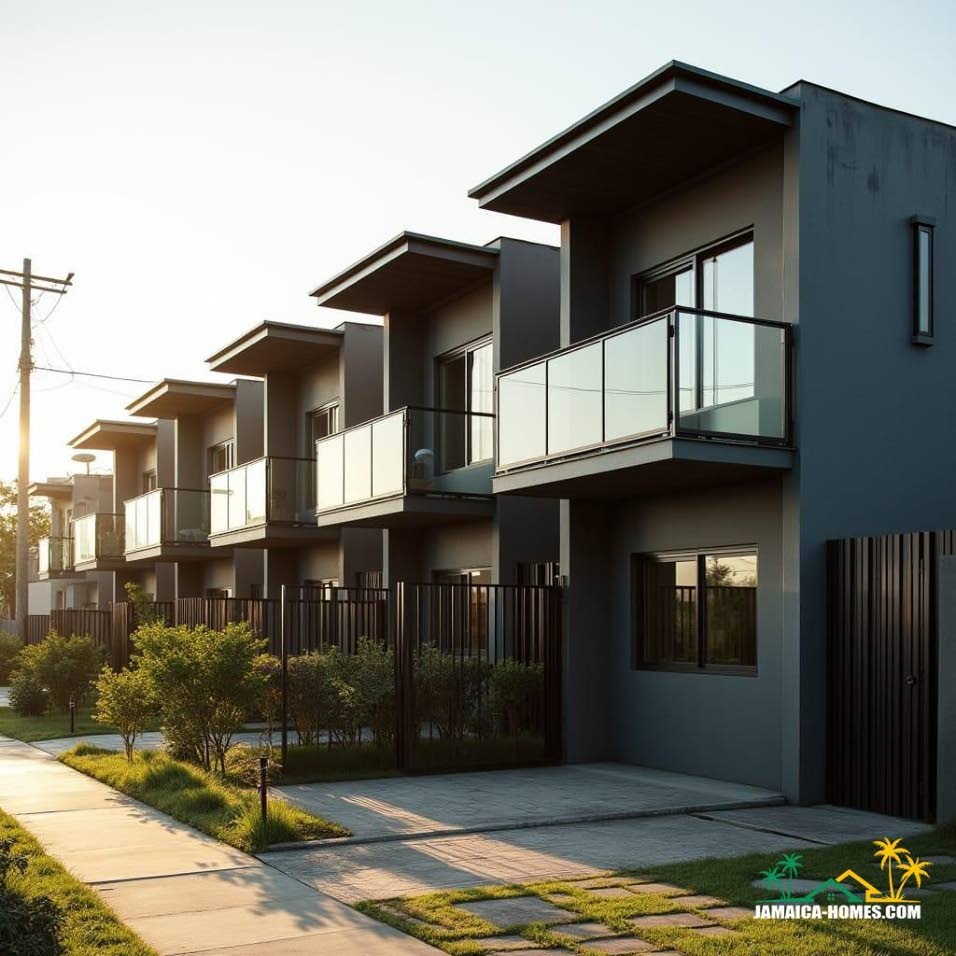
A row of reinforced concrete town homes showing how consistent massing, flat roofs, and shared walls support durability, density, and climate-ready urban living in Jamaica.(Photo: jamaica-homes.com)
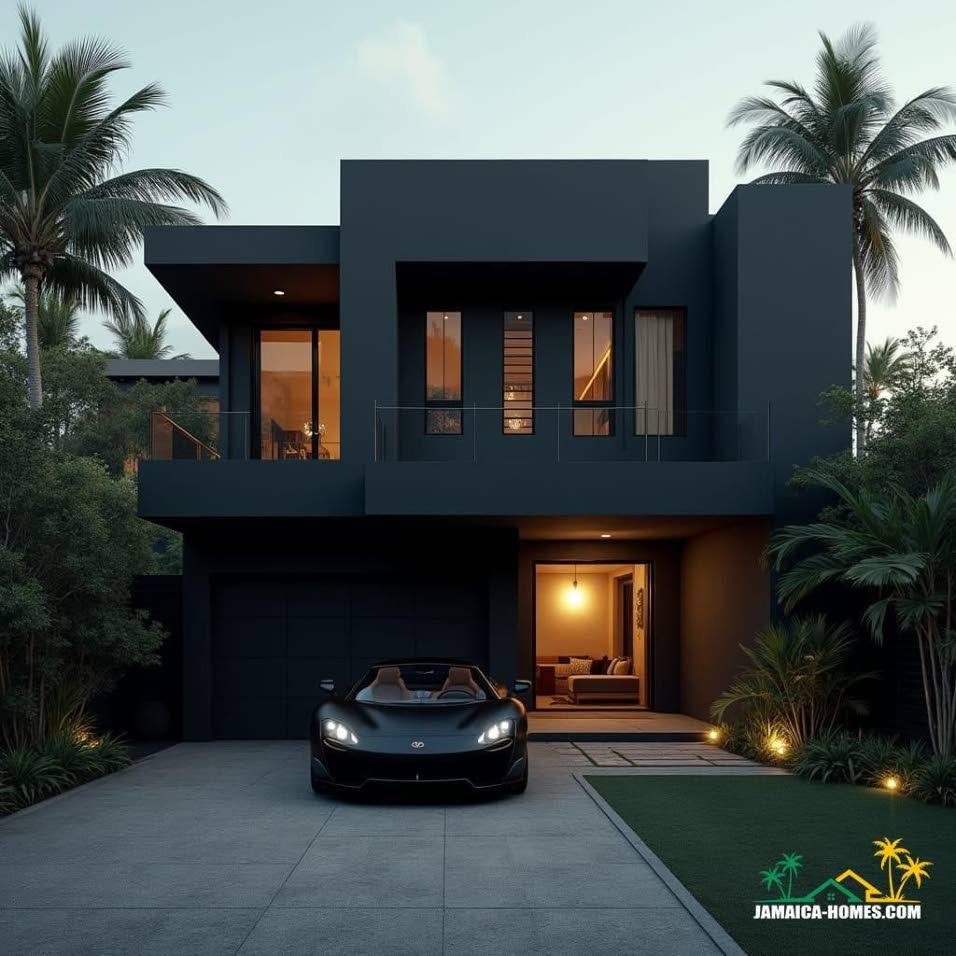
A contemporary Jamaican home using clean geometry, reinforced concrete massing, and recessed openings to balance security, climate control, and modern living in a tropical setting. (Photo: jamaica-homes.com)
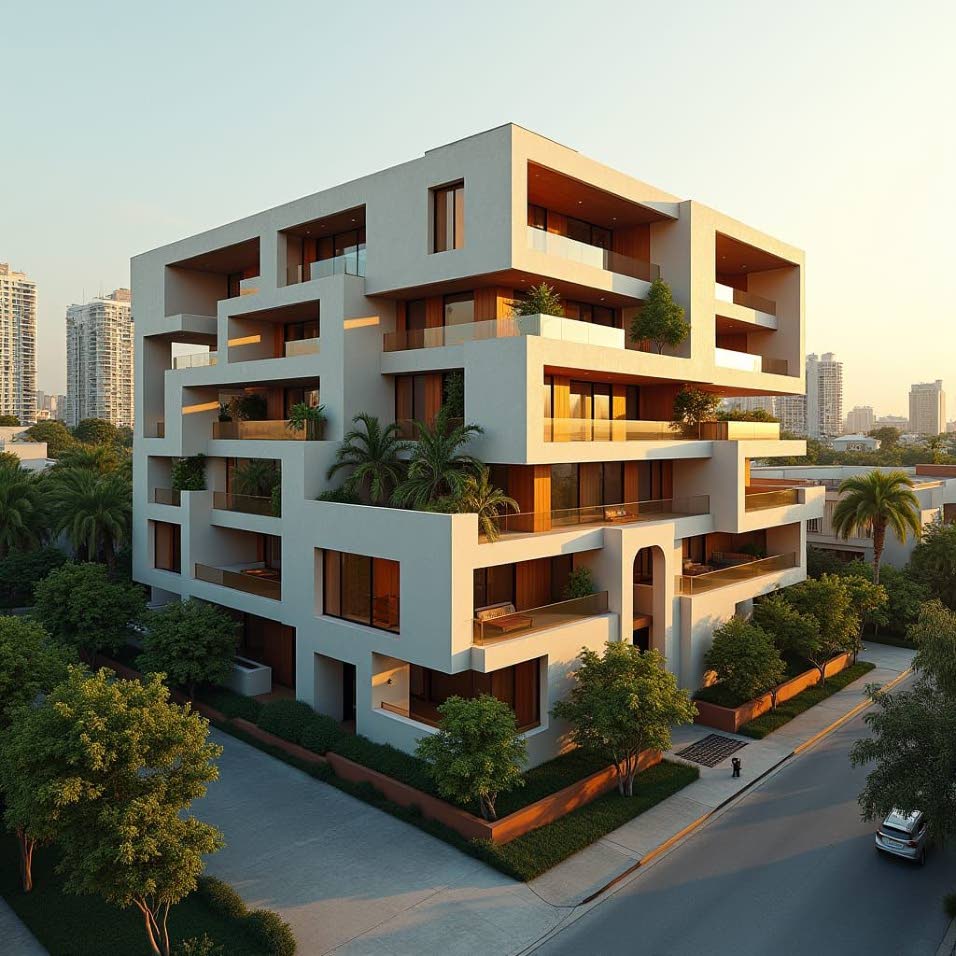
A mid-rise concrete residential building using stepped massing, deep balconies, and integrated greenery to deliver density, durability, and climate-responsive urban housing in Jamaica. (Photo: jamaica-homes.com)
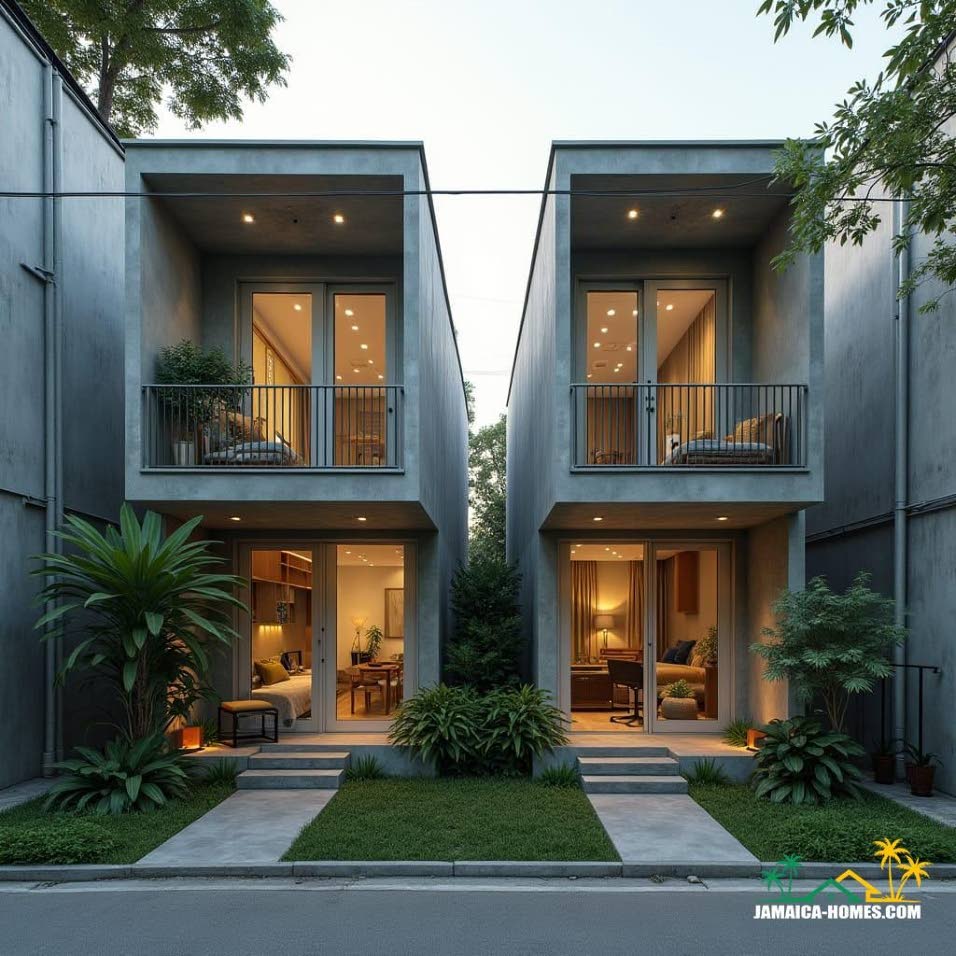
A compact townhouse form using reinforced concrete, stacked massing, and shared walls to maximise durability, efficiency, and climate-responsive urban living in Jamaica. (Photo: jamaica-homes.com)
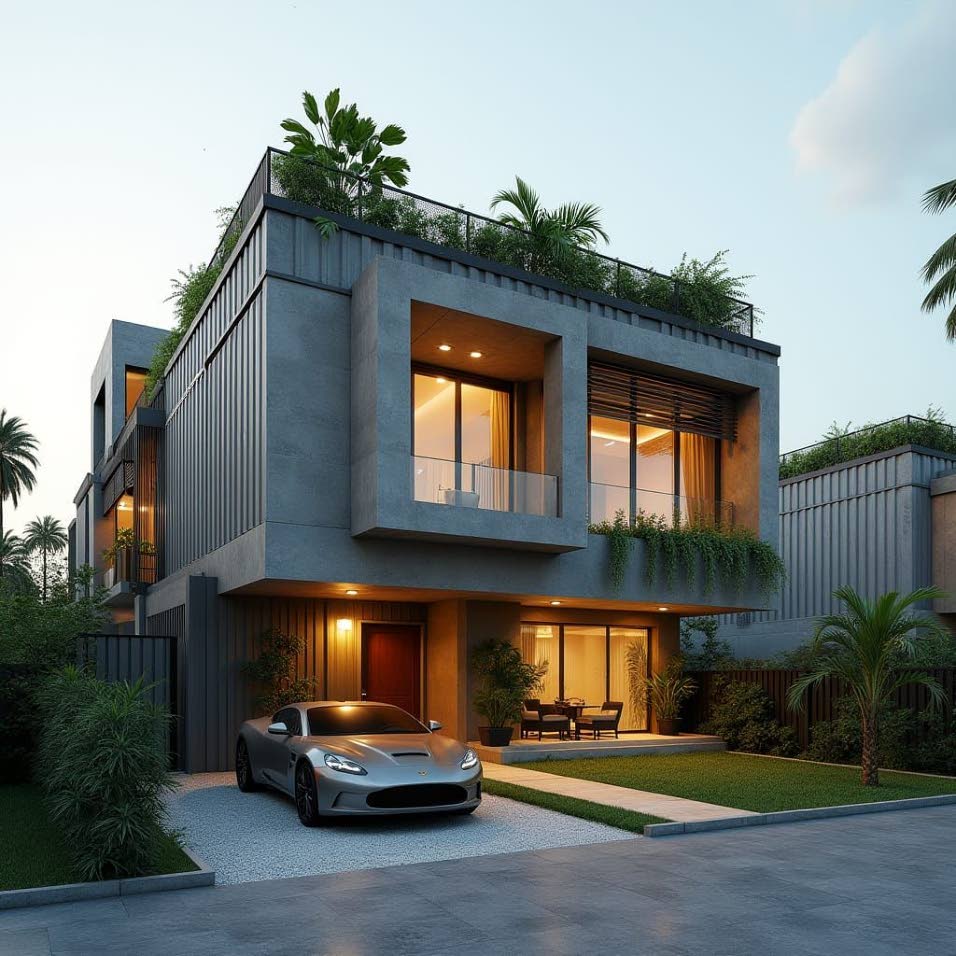
A multi-level concrete home combining deep balconies, rooftop planting, and recessed glazing to balance durability, privacy, and climate-responsive urban living in Jamaica. (Photo: jamaica-homes.com)