



If you ate today, thank a farmer!
If you ate today, pause for a moment and thank a farmer.
Hurricane Melissa put Jamaica’s agricultural sector to one of its toughest tests in recent memory. Farms were damaged, crops were lost, livestock operations were disrupted, and thousands of farmers faced uncertainty about how they would recover. For many rural families, agriculture is not just a livelihood, it is survival.
However, I am proud to say that Jamaican agriculture is bouncing back, and doing so with remarkable speed and determination. The true heroes of this story are not institutions or programmes; they are our farmers.
Despite the losses, they returned to their fields and because of their grit and determination, Jamaica is now approaching pre-Hurricane Melissa levels of agricultural productivity far sooner than many expected.
In fact, less than three months after the hurricane, we are already seeing strong crop recovery, improved supplies, and even surpluses in some vegetables.
Prior to the hurricane’s landfall on October 28, 2025, Jamaica’s agricultural sector was experiencing historic growth. We were on track to achieve a record 930,000 tonnes of domestic crop production, surpassing the previous record by nearly 10 per cent.
Agriculture, forestry, and fishing recorded growth of over 20 per cent in the third quarter of 2025, which contributed to a broader expansion of the national economy.
Hurricane Melissa caused an estimated J$30 billion in damage, affecting more than 70,000 farmers and over 41,000 hectares of land. In response, the Government launched a J$3-billion recovery programme, including immediate interventions for seed distribution, land preparation, and restocking.
The recovery effort was driven by the swift leadership of the Ministry of Agriculture, Fisheries and Mining, which mobilised resources and coordinated a national response.
At the Rural Agricultural Development Authority (RADA), our teams were on the ground immediately after the storm passed. We conducted damage assessments, distributed seeds and planting material, restored irrigation systems, provided technical guidance, and rolled out free and subsidised tractor services to help farmers prepare land and restart production.
These interventions helped to stabilize the sector and shortened the road to recovery across affected parishes. Our team assisted in strengthening farm roads, restoring irrigation, repairing poultry facilities, and supporting livestock and greenhouse farmers.
We also invested in climate-smart agriculture, from grafting techniques to combat cocoa diseases, to integrated pest management, crop diversification, and the use of resistant varieties.
Through our extension officers and technical experts, we worked daily with farmers to improve productivity, adopt modern practices, and adapt to climate challenges. We also helped farmers’ access markets, linking them to buyers, agro-processors, and exporters, so that production translates into income and reduced post-harvest losses.
RADA also actively supported farmers in combating praedial larceny, a persistent challenge that undermines agricultural productivity and rural livelihoods.
The RADA team also played a critical role in food safety by ensuring that agricultural products met national and international standards, protected consumers and enhanced market access for farmers.
We are also expanding digital tools such as RADA Connect and the Agri-Linkages Exchange (ALEX) to ensure farmers can access support and market opportunities more easily, wherever they are on the island.
Agriculture is more than an occupation. It is a national service.
It feeds our people, supports our economy, sustains rural communities, and strengthens Jamaica’s resilience in an uncertain world. Every seed planted and every animal raised brings us closer to food security and reduces our dependence on imports.
As we move forward, RADA remains fully committed to empowering Jamaican farmers, helping them grow, innovate, and thrive. Recovery is ongoing, resilience is deepening, and transformation is underway.
So, once again, I say: If you ate today, thank a farmer. They are feeding the nation, through storm and sunshine alike.
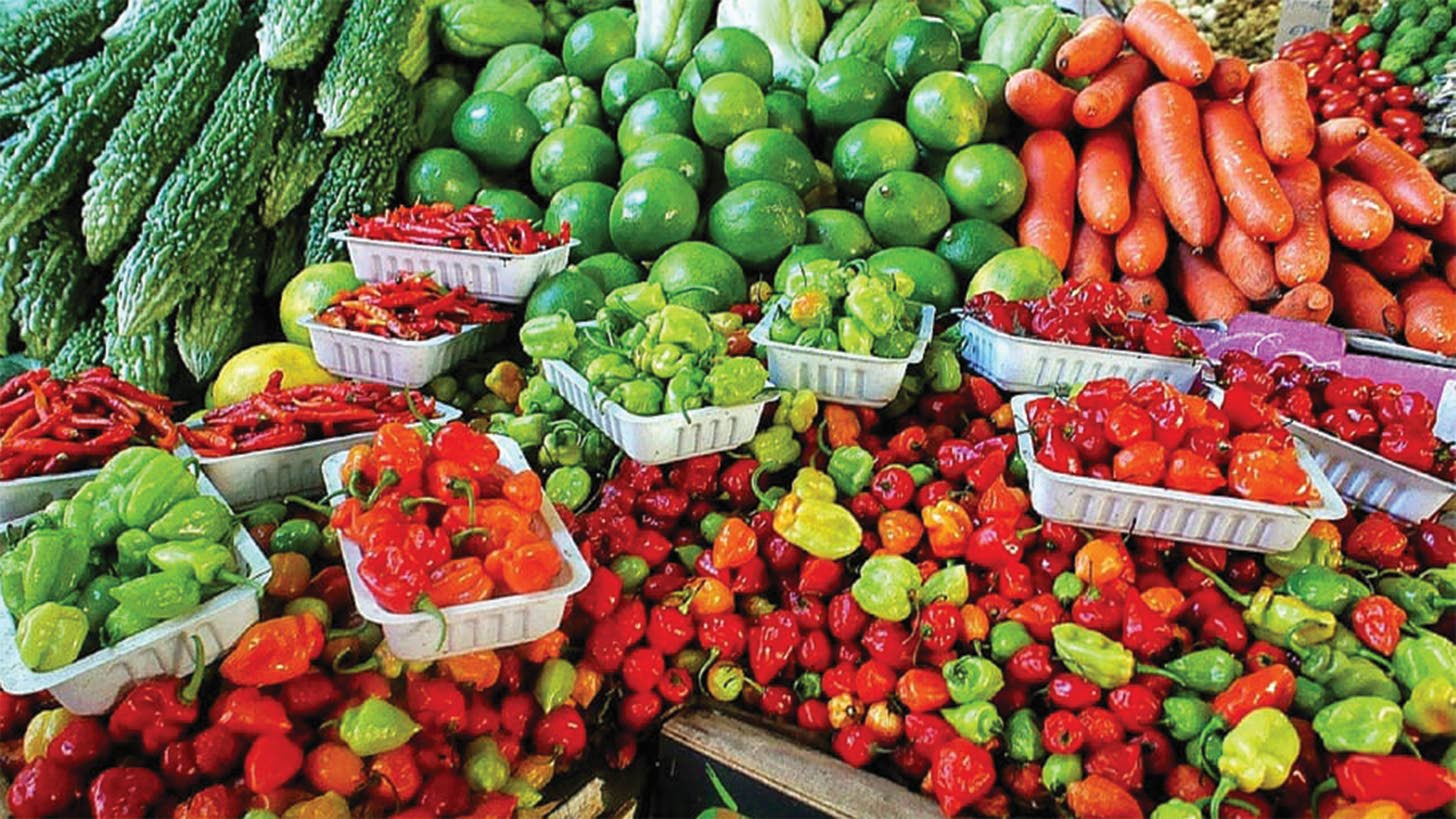
An array of fruits and vegetables.


