



Praedial Larceny and Food Safety
Praedial larceny has long been recognised as a persistent challenge within Jamaica’s agricultural sector. Still, in recent years, the crime has evolved beyond an economic concern into a significant food safety issue. As the incidence of farm theft continues to rise, the consequences extend well beyond farmer income loss, threatening consumer health, market integrity, and national food security.
Praedial larceny refers to the theft of agricultural produce or livestock at any point between cultivation and sale. While traditionally associated with crops such as yams, bananas, and sugar cane, as well as cattle, the scope of affected commodities has expanded to include goats, sheep, poultry, and other small ruminants. The increasing frequency, organisation, and scale of these thefts have heightened concern among agricultural authorities and food safety professionals.
Recent data from the Ministry of Agriculture and Fisheries indicate a clear upward trend in reported cases. In 2024, approximately 139 incidents of praedial larceny were recorded, representing a significant increase over the previous year. Arrests related to agricultural theft increased by an estimated 78 per cent compared with 2023, while more than 200 cases are currently before the courts. These figures point to both an escalation in criminal activity and strengthened enforcement efforts.
Economic estimates suggest that praedial larceny costs Jamaican farmers several billion dollars annually. These losses reduce farm profitability, limit reinvestment in agricultural production, and contribute to higher food prices. Small and medium-scale farmers are particularly vulnerable, as repeated theft can make farming financially unsustainable.
Risks Linked to Praedial Larceny
Beyond its economic impact, praedial larceny presents serious food safety risks by disrupting regulated production and distribution systems. Agricultural produce is often treated with pesticides, herbicides, and fungicides that require specific pre-harvest intervals to ensure chemical residues fall within acceptable limits. When crops are stolen and harvested prematurely, there is no assurance that these safety intervals have been observed.
As a result, contaminated produce may enter the market without detection. This poses potential health risks to consumers, particularly when stolen goods are sold through informal channels that lack inspection or oversight.
Livestock theft introduces additional hazards. Animals removed from farms without authorisation frequently bypass veterinary inspection, disease monitoring, and approved slaughter processes. When such animals are slaughtered outside regulated facilities, there is no verification of sanitary conditions, temperature control, or disease status. This increases the risk of foodborne illness and zoonotic disease transmission.
The informal sale of stolen meat also undermines national food safety monitoring systems. Without proper documentation or traceability, authorities are unable to identify the source of products in the event of contamination or outbreaks, complicating response efforts and eroding public confidence.
Traceability and Market Integrity
When stolen goods enter legitimate markets, they distort pricing and undermine compliant farmers who invest in meeting regulatory standards. This creates unfair competition and weakens incentives for lawful production. Over time, persistent traceability breaches threaten the integrity of domestic food systems and Jamaica’s reputation for agricultural quality.
Law Enforcement Response and Increased Surveillance
In response to the rising threat, the Government of Jamaica has strengthened law enforcement capacity through the establishment of the Agricultural Protection Branch of the Jamaica Constabulary Force in 2025. This specialised unit focuses on crimes affecting the agricultural sector, including praedial larceny, illegal slaughter, and the movement of stolen agricultural goods.
Since its establishment, the branch has increased rural patrols, conducted intelligence-led operations, and coordinated with local police divisions and farming communities. Official reports indicate that by late 2025, the unit had recorded over 80 arrests in a single month, secured more than 30 convictions, and recovered livestock and produce valued at several million Jamaican dollars. These outcomes reflect a more targeted and systematic approach to agricultural crime.
The increased surveillance presence has also improved reporting rates, as farmers have greater confidence that incidents will be investigated and prosecuted.
Legislative Updates and Expanded Protection
Legislative reform has played a critical role in strengthening Jamaica’s response to praedial larceny. Amendments to the Agricultural Produce Act in 2023 enhanced enforcement powers, clarified registration and licensing requirements, and strengthened penalties for breaches. These changes aim to prevent stolen produce from entering formal markets and to improve accountability throughout the supply chain.
In addition, updates to the Praedial Larceny (Prevention) Act expanded its scope beyond cattle to include goats, sheep, and other small ruminants. This expansion reflects shifting theft patterns and acknowledges the economic and food security importance of small livestock. Mandatory identification, tagging, and record-keeping requirements now apply to a broader range of animals, supporting improved traceability and enforcement.
The Rural Agricultural Development Authority has also increased outreach and education efforts, encouraging farmers to register, maintain proper records, and comply with traceability requirements. These measures strengthen ownership verification and support food safety oversight.
The Role of Farmers
Maintaining detailed records of planting schedules, chemical applications, livestock identification, and sales transactions supports compliance with food safety standards and strengthens the integrity of the agricultural supply chain.
Consumer Awareness and Responsibility
Consumers also influence the prevalence of praedial larceny through purchasing behaviour. Products sold at unusually low prices, without documentation, or through informal channels may originate from theft and may not meet food safety standards. Choosing reputable vendors and traceable products helps reduce demand for stolen goods and protects consumer health.
Greater public awareness of the connection between praedial larceny and food safety can support national efforts to safeguard agriculture and public health.
Safeguarding Jamaica’s Food System
Praedial larceny is no longer solely an issue of farm theft; it is a systemic challenge affecting food safety, market stability, and national food security. The combination of increased law enforcement surveillance, legislative reform, and stakeholder engagement represents a significant step forward. However, sustained collaboration among farmers, consumers, regulators, and law enforcement agencies will be essential.
Protecting Jamaica’s farms ultimately protects the safety and integrity of the nation’s food supply. Addressing praedial larceny is therefore not only an agricultural priority but a public health necessity.
About the Author
Allison Richards is a food safety communicator, trainer, and the founder of The Food Safety Girl, a consumer awareness platform dedicated to promoting food safety in Jamaica. She is also the host of The Big Bite Food Safety Show, a radio programme that educates listeners on food safety issues. With over 14 years of experience in food safety regulation, Allison is passionate about empowering consumers and industry stakeholders to make informed choices that protect both health and the environment. Through public education initiatives, including free community webinars, she continues to create space for learning, dialogue, and practical food safety awareness.
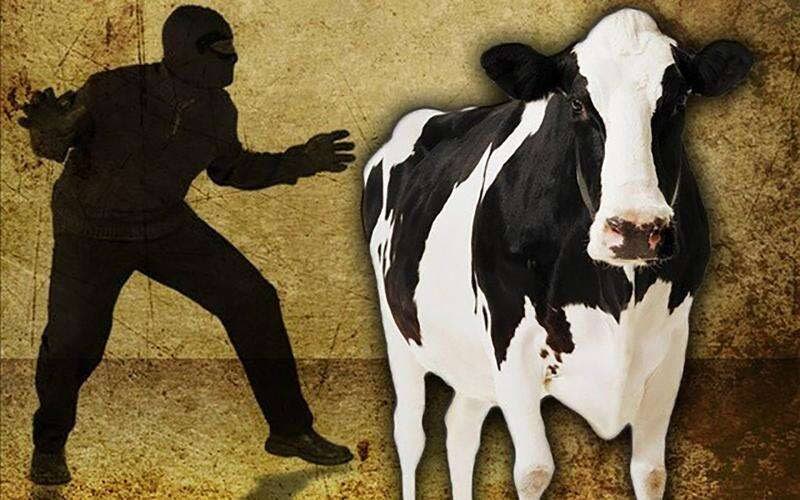
Praedial larceny costs Jamaican farmers billions annually, eroding profits and stifling agricultural reinvestment. These losses drive up food prices and threaten the financial viability of small and medium-scale farms.
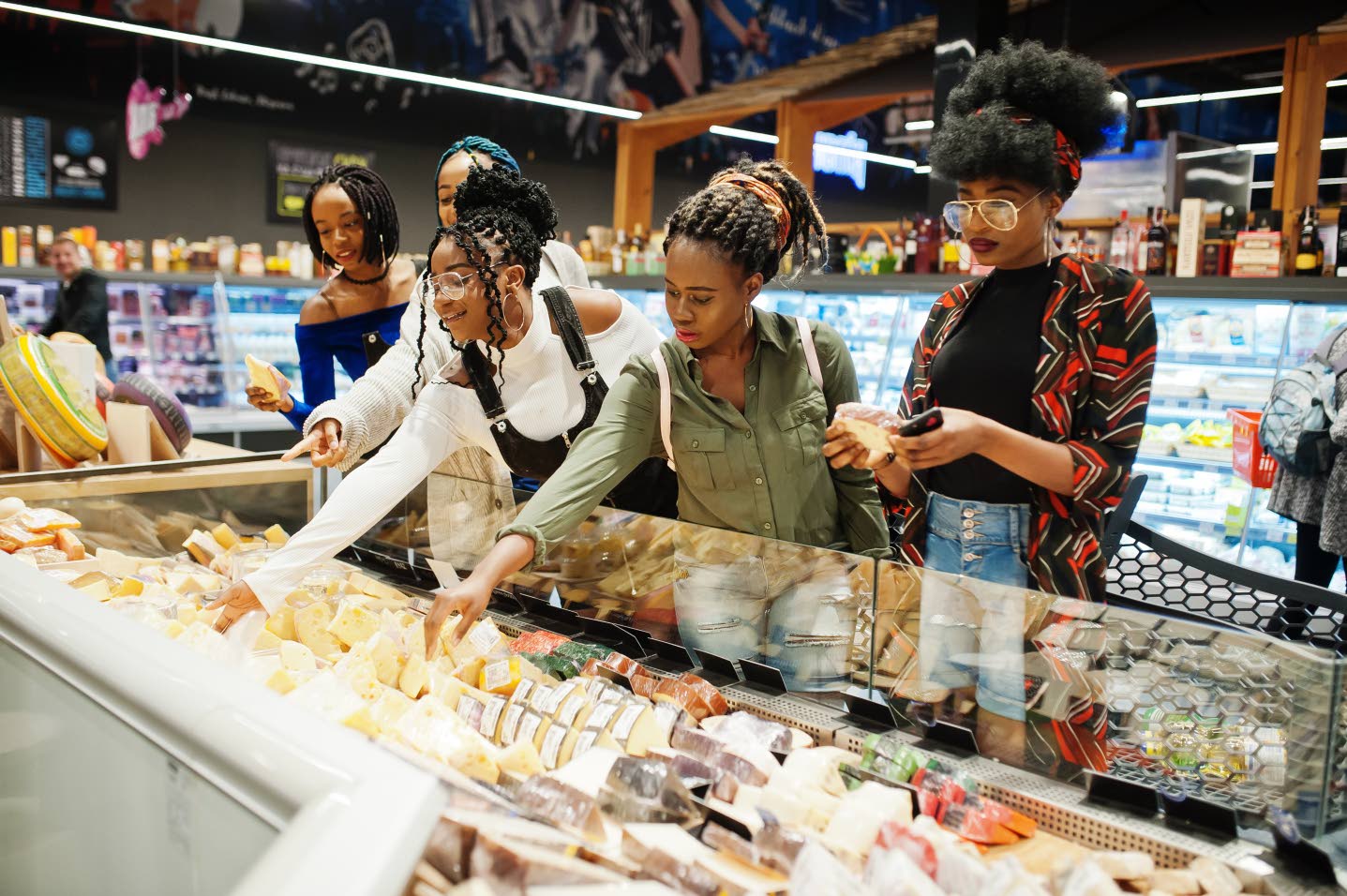
To suppress the market for stolen goods and safeguard personal health, it is essential that consumers purchase only traceable items from trusted suppliers.
Allison Richards | thefoodsafetygirlja@gmail.com


