



Greater emphasis on Black History Month in Jamaica
In an intriguing development, Black History Month has been somewhat overshadowed by the observance of Reggae Month, both of which occur in the month of February. While some may argue that they complement each other, it can also be contended that the former has become increasingly low-keyed, and surprisingly so in a country whose population is primarily black — some 80 per cent!
Since 1976, Black History Month has been celebrated in Jamaica with varying degrees of success; however, it is fair to say that outside of its symbolism, this annual event remains somewhat of an elusive dream, as it is safe to say that a large number of black Jamaicans continue to suffer from an acute case of inferiority complex. This has become painfully obvious in the increasing number of young Jamaicans who deliberately set out to bleach their skin in a vain attempt to look white or brown.
Some years ago, well-known media specialist Marcia Forbes, in a black history sensitisation address to students at Spanish Town High School, made the following observation: “Many black children grow up hearing, ‘Look how you black and ugly,’ or ‘She black, but she pretty.’ So we really begin to believe that black is ugly and that black is not usually pretty.
“It is our society and how we are brought up that helps us to think this way. I don’t like to see the bleached-out skin of black people because, to me, it looks really sick. It doesn’t look healthy. But I’ve heard many people who bleach say how good it makes them feel. They say it boosts their self-esteem.” And as popular dancehall entertainer Buju Banton has sung, “Mi love mi car…but most of all mi love mi browning.”
Notwithstanding the Dr Andrew Holness Administration patting itself on the back on the reduction of poverty in the population as well as the decrease in unemployment, Hurricane Melissa laid bare the underbelly of the real Jamaica, which highlights the stark, sub-human conditions in which many Jamaicans are living, as well as a middle class, who, for all intents and purposes, may best be described as the working poor. Low wages and the high cost of living, among other anomalies, have pointed to the indisputable fact that all is not well within the black population of this country.
In this context, the governor general’s Throne Speech continues to be more of a wish list as most Jamaicans find it difficult to relate to the “good news” emanating from Parliament. While Prime Minister Holness and his team should take a bow in the wake of the dramatic decrease in murders islandwide, it cannot be comforting that police killings are on the increase, almost daily, and most of the deceased are young black men — several of whom have bleached skin.
In the meantime, the education system has failed so far to help in producing the kind of Jamaican who can unrepentantly and without hesitation express pride in being a black Jamaican. So far we continue to pay scant regard to the teachings of National Hero Marcus Mosiah Garvey while the spectre of domestic violence continues to rear its ugly head and black Jamaicans “live bad” among themselves in what can be described a “puss-and-dog” scenario.
The prime minister has added “peace” to the national security portfolio, stressing that it is his Administration’s deliberate intention to focus on crime prevention, but he must be forcefully reminded that much of the crime in this country is as a result of the crass socio-economic circumstances that plague most Jamaicans. Indeed, unless there is greater emphasis on social and economic equity, then many Jamaicans will be forced to continue to be like the children of Sisyphus, “rolling rockstone up hillside”.
All of the aforesaid comes against the backdrop of Black History Month as well as Reggae Month, both of which, in essence, extol the virtues of self-actualisation, black pride, self-esteem, patriotism, peace, and love (as emphasised repeatedly in the conscious lyrics of Rastafari from which the music emerged). When all is said and done, the Ministry of Education, which also has the youth portfolio, needs to place even greater emphasis on patriotism and self-respect. The sad truth is that many Jamaicans do no feel comfortable within themselves because, in real terms, it is still a case of “If you are black, stay back, if you are brown, stick around, but if you are white, you are right.”
THE LIMA MASSACRE
According to one online source, “The Lima Massacre (also known as the “Infamy of Lima”) refers to the brutal mass killing of approximately 200 enslaved Africans (including women and children) in early 1832 at Lima in Adelphi, St James, Jamaica. The event was a major atrocity committed during the suppression of the Baptist War (or the Christmas Rebellion), which was led by National Hero Samuel Sharpe.”
In the wake of this bloody deed against blacks, Sharpe, who was at the time Baptist head deacon, became the leader of the revolt that would ultimately lead to the abolition of slavery. For his bravery he was tried and hanged in the market behind the courthouse (now the Montego Bay Cultural Centre) and his body interred by the sea. Later on, his bones were excavated and buried under the altar of the Burchell Baptist Church on Market Street.
All of this should form part of our annual observance of Black History Month and not just a focus on the history of blacks in the United States of America, which is now having its own problems, what with the racist utterances and stance taken by Republican President Donald Trump.
In closing, one of the worrying trends emerging in today’s Jamaica that is in need of national intervention is the seeming decline in black entrepreneurship. Our universities, for example, should be focusing more on scientific and business pursuits to help counter the country’s over-dependence on tourism and the commercial sectors. To put it bluntly, we need more factories, not just more hotels.
In closing, as old-time people say, “Empty bag can’t stand up.” The black is the Jamaican flag must symbolise not only resilience but inspire us to embrace a renaissance of bold ideas and innovations that can truly spur us on to economic independence.
Lloyd B Smith has been involved full-time in Jamaican media for the past 40 years. He has also served as a People’s National Party Member of Parliament and Deputy Speaker of the House of Representatives. He hails from western Jamaica where he is popularly known as the Governor. Send comments to the Jamaica Observer or lbsmith4@gmail.com.
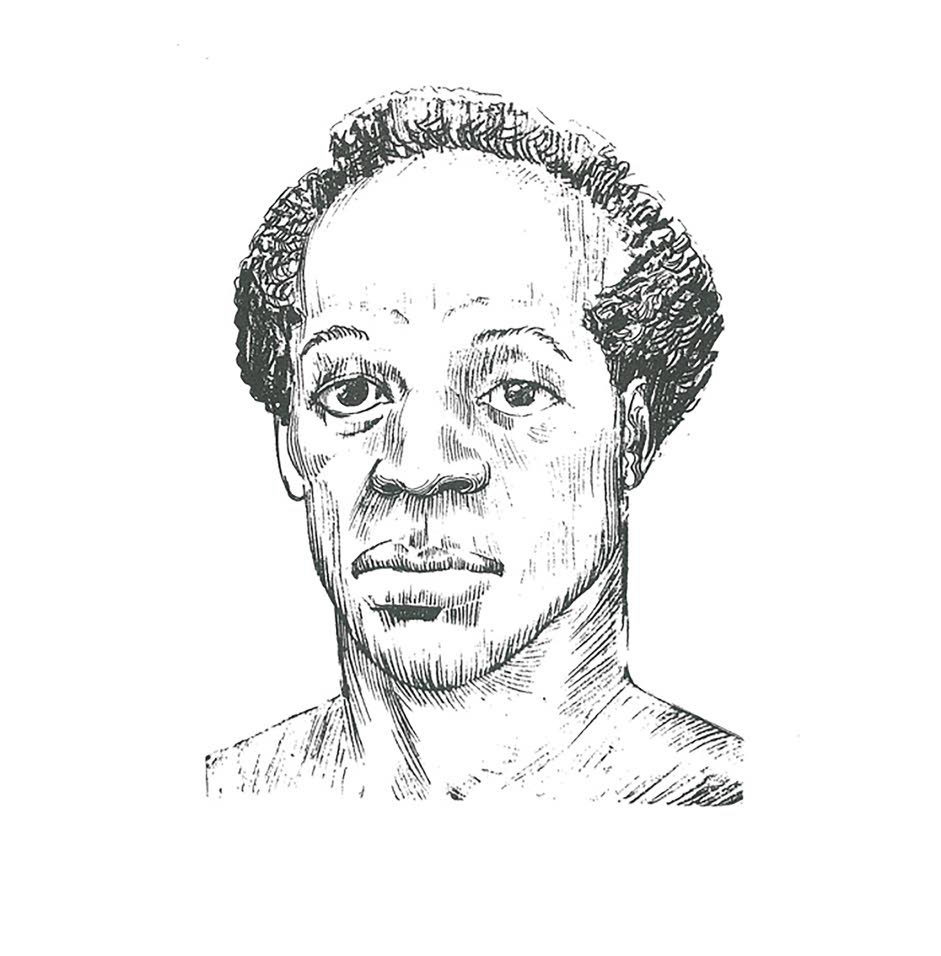
Sam Sharpe.
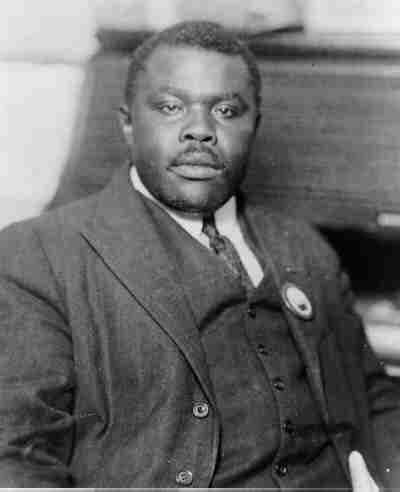
Marcus Garvey.
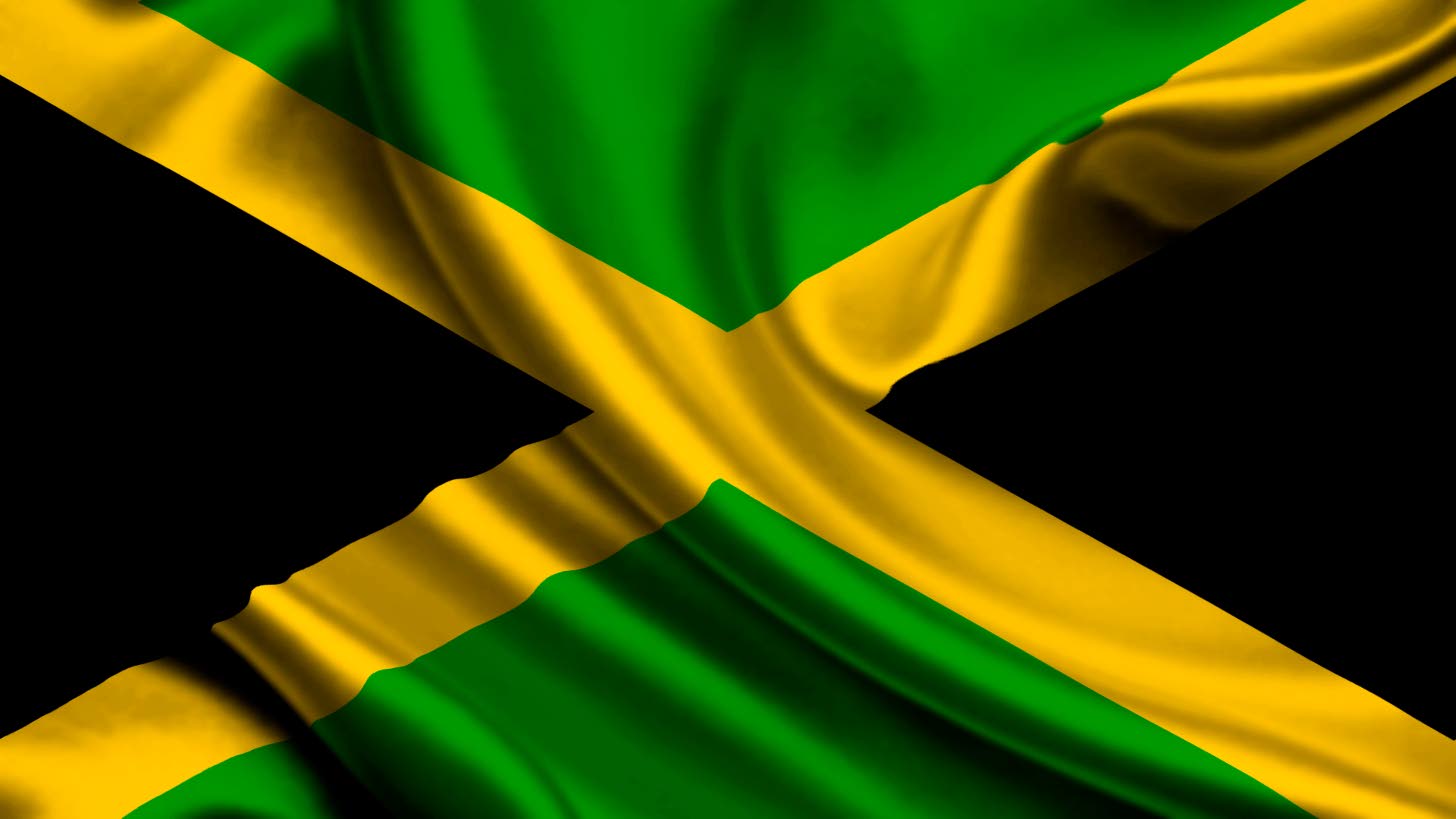
Jamaican flag


