



Love, intimacy, and fertility
VALENTINE’S Day is often associated with romance — flowers, dinners, and expressions of affection. But beyond the celebration, this season offers couples something equally important: an opportunity for honest conversation about relationships, intimacy, fertility and family-building.
In Jamaica and across the Caribbean, declining birth rates are becoming part of national discussion. While the economics of child-rearing and infertility are often highlighted as a cause for the decline, the reality is that fertility is shaped not only by biology, but by relationships, communication, sexual health and timing. These are deeply personal issues, but they are also public health concerns.
As an obstetrician-gynaecologist, I see daily how fertility challenges are also influenced by delayed conversations, misaligned expectations and changing patterns of intimacy in modern relationships.
For many couples, infertility is not simply a medical diagnosis. Sometimes it reflects years of postponement, uncertainty, reduced sexual frequency or assumptions about the future that were never discussed openly.
Today’s couples are navigating a very different world from previous generations. Women are more educated, professionally engaged, and financially independent — a positive and necessary shift. At the same time, economic pressure, housing costs, migration, demanding work schedules and daily stress are shaping how relationships develop and how couples meet and connect.
Globally, researchers have begun describing what some call a “sex recession”, a steady decline in sexual activity among adults, particularly younger couples. Stress, fatigue, mental-health strain, digital distractions and relationship uncertainty all play a role.
Lower sexual frequency often goes hand in hand with declining libido, which can be influenced by hormones, chronic illness, medications, emotional stress or relationship dynamics. These issues are common, but they are rarely discussed openly.
Healthy relationships include safe, consensual sexual relationships — conversations about contraception, sexually transmitted infection prevention, sexual expectations and fertility intentions. These are not separate from relationship health; they are part of it.
Why couples avoid “the talk”
Many couples hesitate to discuss fertility or sexual expectations early in relationships. Some worry the conversation may feel premature. Others assume things will “work themselves out” with time.
But biology does not always cooperate with postponement.
Female fertility declines with age, and this decline is often underestimated. At the same time, sexual frequency often decreases as careers intensify, responsibilities grow and stress accumulates. Together, these factors can quietly reduce the chances of pregnancy.
Having “the talk” is not about pressure, it is about clarity.
Couples should feel able to discuss:
•Whether they want children
•When they might want them
•Sexual expectations, intimacy needs and libido
•Contraception and safe sexual practices
•Health issues that may affect fertility
•Openness to assisted reproduction or adoption.
Compatibility includes intentional planning
In Caribbean culture, we often emphasise love, resilience and partnership. But modern relationships increasingly require intentional planning. Social timelines that once guided family building are less predictable, and couples must actively decide what they want their future to look like.
Compatibility includes emotional connection, but also alignment on intimacy, reproductive goals and long-term life plans.
When one partner wants children soon and the other is unsure, or when sexual expectations differ significantly, silence rarely solves the problem. Open communication does.
Couples’ therapy and counselling can help partners navigate these conversations in a structured and supportive way. Seeking guidance should be seen as part of maintaining relationship health, not a sign of failure.
Understanding fertility and when to seek help
Once couples are aligned in intention, understanding fertility basics becomes essential.
Conception typically requires regular, unprotected sexual intercourse, ideally two to three times throughout each week. Many couples are surprised to learn that living apart or reduced sexual frequency can contribute to difficulty conceiving.
Timing also matters. The fertile window is short — usually the few days before and including ovulation. Cycle tracking, ovulation predictor kits and medical guidance can help couples better understand this window.
Lifestyle factors influence both fertility and libido. Smoking, excessive alcohol use, unmanaged chronic disease, obesity, sleep deprivation and chronic stress can all affect reproductive health in both men and women.
Fertility is not solely a woman’s responsibility. It is shared equally with men.
Another common challenge is waiting too long before seeking medical advice. Women under 35 who have been trying to conceive for one year without success should seek evaluation. Women over 35 should do so after six months. Earlier consultation is appropriate if there are irregular cycles, fibroids, endometriosis, prior pelvic infections, erectile or ejaculation concerns, or persistent low libido affecting attempts to conceive.
Early medical guidance often provides reassurance and direction — not necessarily expensive or invasive treatment. Fertility education and early intervention are far more effective than late-stage crisis care.
Love, intention and the future
I agree, improving birth rates in Jamaica and the wider Caribbean cannot rely only public messaging and persuasion. It requires access to reproductive healthcare, fertility education, workplace policies that support families, and relationship awareness. But know, at the individual level, it begins with intentional relationships and informed decision-making.
Valentine’s weekend reminds us to celebrate love — but love is not only romance. It is communication, responsibility and planning for the future.
Sometimes the most meaningful expression of love is not a gift or a dinner reservation, but the willingness to sit together and ask: What kind of life are we building — and when do we begin?
Dr Astrid Batchelor is an obstetrician & gynaecologist and public health specialist. She is passionate about improving women’s health care and awareness in Jamaica, particularly in the areas of infertility, reproductive wellness, menopause and public health leadership. She practices at Charis Women’s Wellness Centre.
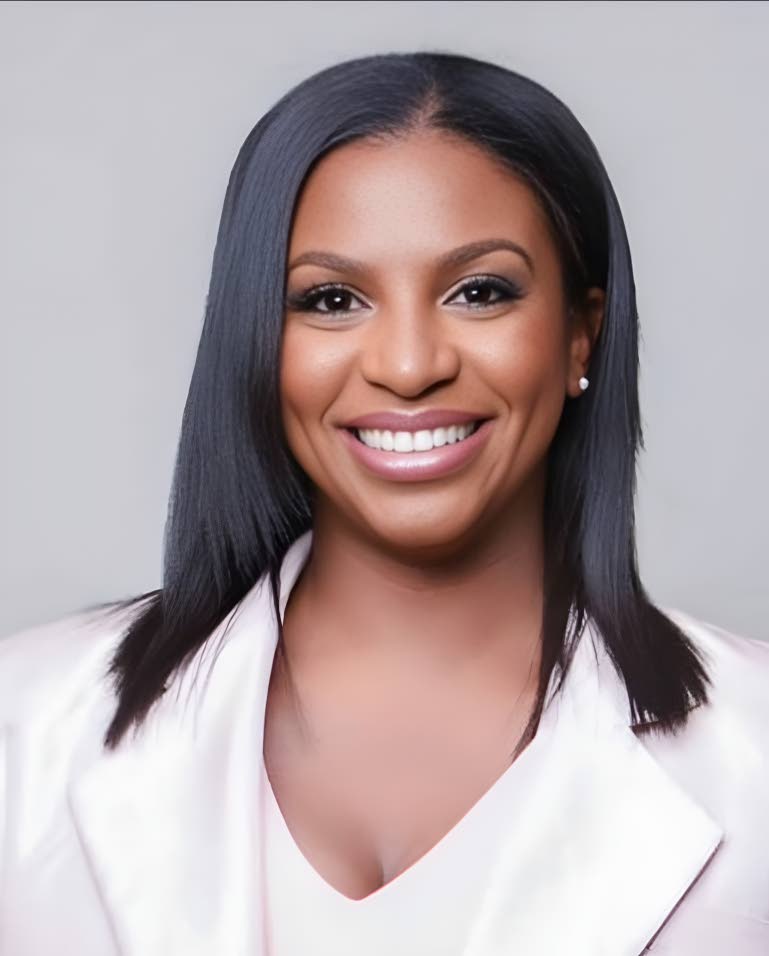
DR ASTRID BATCHELOR.


