



My Kingston
YANGSEN LI
CEO, LCH Developments Limited
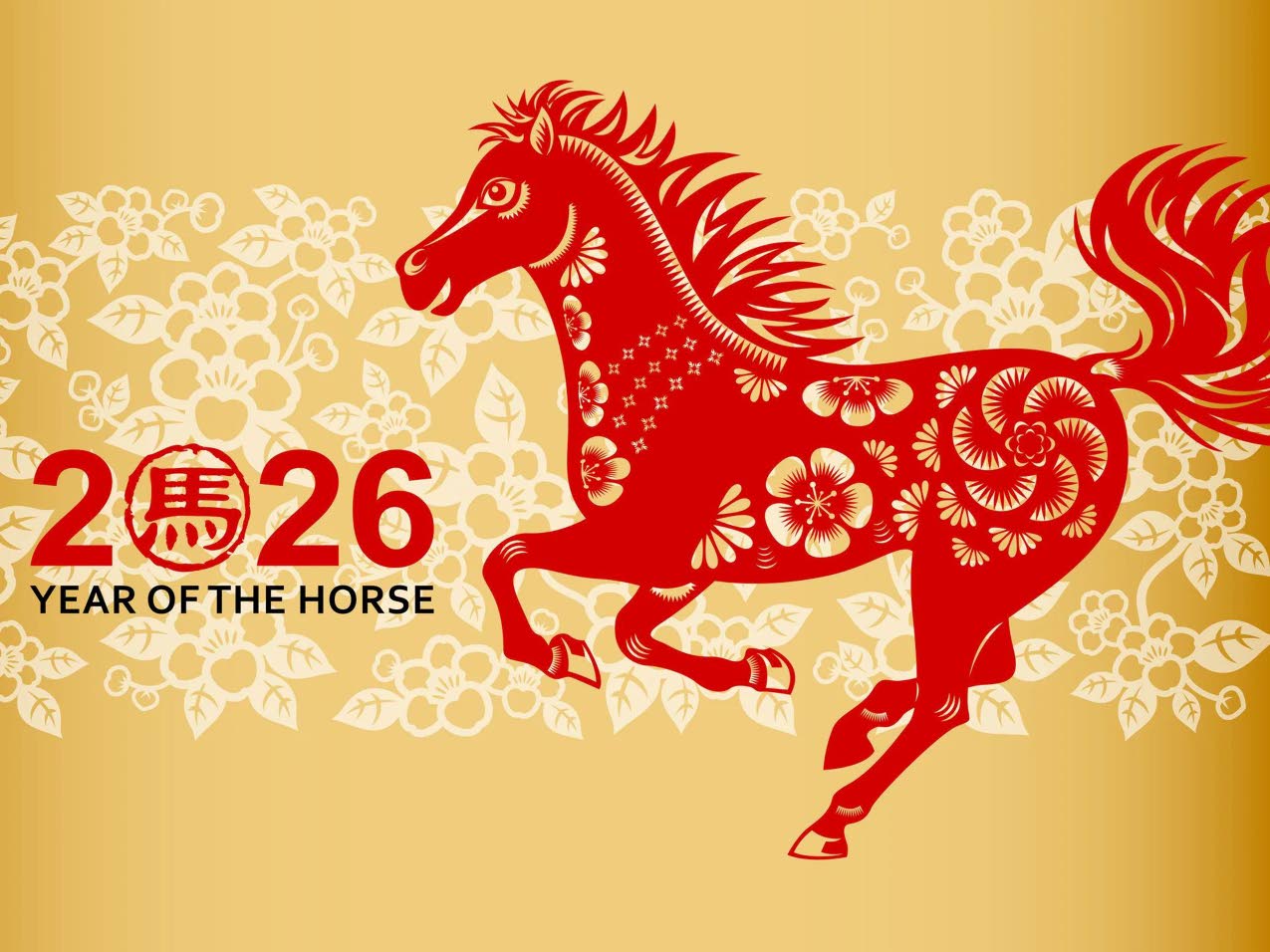
As the Chinese-Jamaican community prepares to welcome the Year of the Horse — beginning on February 17, 2026, and ending on February 5, 2027 — with wishes of gõng x fa cái, Yangsen Li, one of the island’s most recognised Chinese entrepreneurs and a force in Montego Bay, embodies the zodiac animal’s spirit of swift action and endurance. From leading The Pinnacle, Jamaica’s first internationally branded residences, to spearheading hurricane response efforts, Li has become a transformative presence in the country’s development landscape.
Recently, we sat down with the Scorpio builder to explore Blue Mountain wisdom, the tension between Eastern and Western thought, and why he believes the hardest work isn’t construction: it’s changing yourself.
Style Observer (SO): What’s your Zodiac sign?
Yangsen Li (YL): Scorpio. Year of the Monkey in the Chinese zodiac. The combination means I’m relentlessly thorough — I’ll spend weeks on a single construction detail, if it matters. My wife says I’m suspicious like a Scorpio but curious like a Monkey, which means I question everything twice. She’s not wrong.
SO: Describe Yangsen Li in a few sentences.
YL: I’m a long-term builder rather than a short-term speculator — which means I lose sleep over decisions that won’t matter for a decade. I believe business is an extension of character, so if your buildings are careless, that’s on you. Development carries social responsibility whether developers want to admit it or not. I’m guided by philosophy and grounded in execution. I commit deeply to the places I invest in — perhaps too deeply.
SO: What was your first impression of Kingston?
YL: The mountains behind the city. I wasn’t expecting to feel something so immediate. In China, mountains represent permanence, wisdom, the long view. Here were these Blue Mountains rising up behind Kingston — this city that everyone told me was chaotic, difficult, unpredictable — and I thought, ‘The mountains have been here longer than any of our problems.’ Every time I reach Kingston, I’m amazed by them. It’s become a kind of meditation for me, that landscape. It reminds me why I’m here.
SO: Are there any changes to that initial impression?
YL: Never changed. If anything, it has deepened.
SO: What are some places you would take a first-time visitor to Kingston and why?
YL: Strawberry Hill and Blue Mountain, without question. You need to see Kingston from above to understand it. The mountains give you perspective — literally and figuratively.
SO: Were you appointed mayor of Kingston, what would get your immediate attention?
YL: [Laughs] I am not and will not be a mayor — I’d be terrible at it. I’m a builder, not a politician. But the question gets at something I think about constantly: What do we owe the city? For me, it’s housing dignity — not as policy but as philosophy. Homes where people can live with genuine pride. Where a mother can invite someone inside and feel good about it. Where children have space to do their homework in peace. I believe every development project should ask: Does this improve everyday life for ordinary citizens? Does this add beauty and possibility to the city? When I meditate at 4:00 am, these are the questions that won’t let me rest. It’s why I’m here.
SO: Driving from Montego Bay to Kingston, what are you listening to?
YL: Relaxed music. Classical, sometimes ambient. I always receive inspiration whilst driving — there’s something about that journey between the two cities that opens the mind. The landscape changes, the light shifts, you’re moving but also still.
SO: Do you have a preferred dancehall/reggae artiste?
YL: Bob Marley, always. And Shenseea — she’s doing something special.
SO: Share with us the last book read.
YL: I’m reading History of Western Philosophy by Bertrand Russell and Chuang Tzu simultaneously. I like the tension between them — the Western drive to systematise everything, the Eastern acceptance of paradox. Some mornings I’ll read Aristotle’s logic over tea, then Chuang Tzu’s story about the usefulness of uselessness, and think about how both are true. Classic books teach you that human nature doesn’t change much across centuries. We’re still asking the same questions about how to live, what matters, whether our work means anything. The answers keep changing but the questions stay the same. There’s something comforting in that.
SO: What current projects are you working on?
YL: The Pinnacle, of course — Jamaica’s first internationally branded residences. We are also developing the city centre and an industrial park in Portmore on new land. Each project has to serve a purpose beyond profit. The Pinnacle isn’t just luxury apartments; it’s proving that Jamaica can compete with Miami, with Dubai. The industrial park is about creating jobs, real employment that lets people build lives. I tell my team: If we can’t explain how a project makes Jamaica stronger, we shouldn’t build it. That’s not altruism — it’s self-interest. I want to be proud of what I’ve built here in 20 years. That only happens if the country is better because of it.
SO: Describe a typical 24 hours for you?
YL: I wake between 4:00 and 5:30 am. The city is still quiet — it’s the only time my mind is truly mine. Thirty minutes of meditation, 10 minutes running, then an hour of tennis. The movement helps me think. Mornings are for strategic decisions when my mind is sharpest — project coordination, meetings with architects, financiers, Government stakeholders. Afternoons I’m on-site, hands dirty, seeing if our plans actually work. Evenings are international calls and long-term planning. Then I drink tea with neighbours and friends — my favourite hour. Just talking, no agenda. I’m in bed before 10:00 pm because tomorrow starts at 4:00 am again. Sometimes I wonder if I’m disciplined or just can’t sit still. Probably both.
SO: What are your favourite home comforts?
YL: Plants and water. Tennis and gym workouts. Swimming. Hiking in the mountains. Simple things that keep you grounded.
SO: What are you drinking?
YL: Today, the Appleton Jamaican Delight. Most times tea and water.
SO: Finally, what’s your personal philosophy?
YL: The outer world you see is a reflection of your inner self. When I first came to Jamaica, I was looking for problems — and that’s exactly what I found. It took me too long to realise I was the problem. Once I started looking for beauty and possibility, that’s what appeared. The world hasn’t changed; I have. And because I’ve changed, the buildings I create are different. If you want to change what you see around you, start by changing what’s within. It’s the hardest work there is.
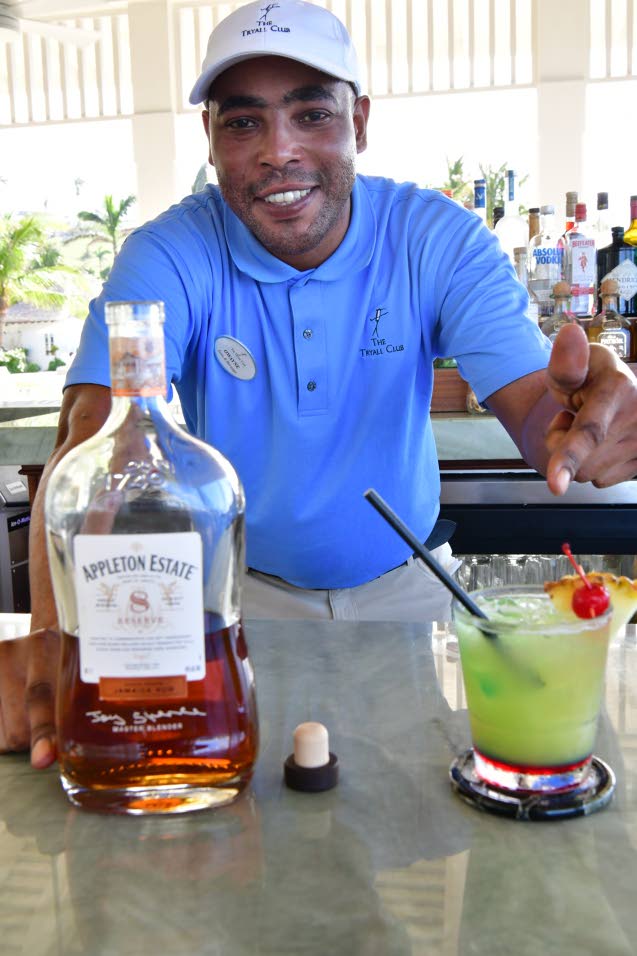
Bartender Owayne Hart serves Appleton Jamaican Delight. (Photo: Aceion Cunningham)
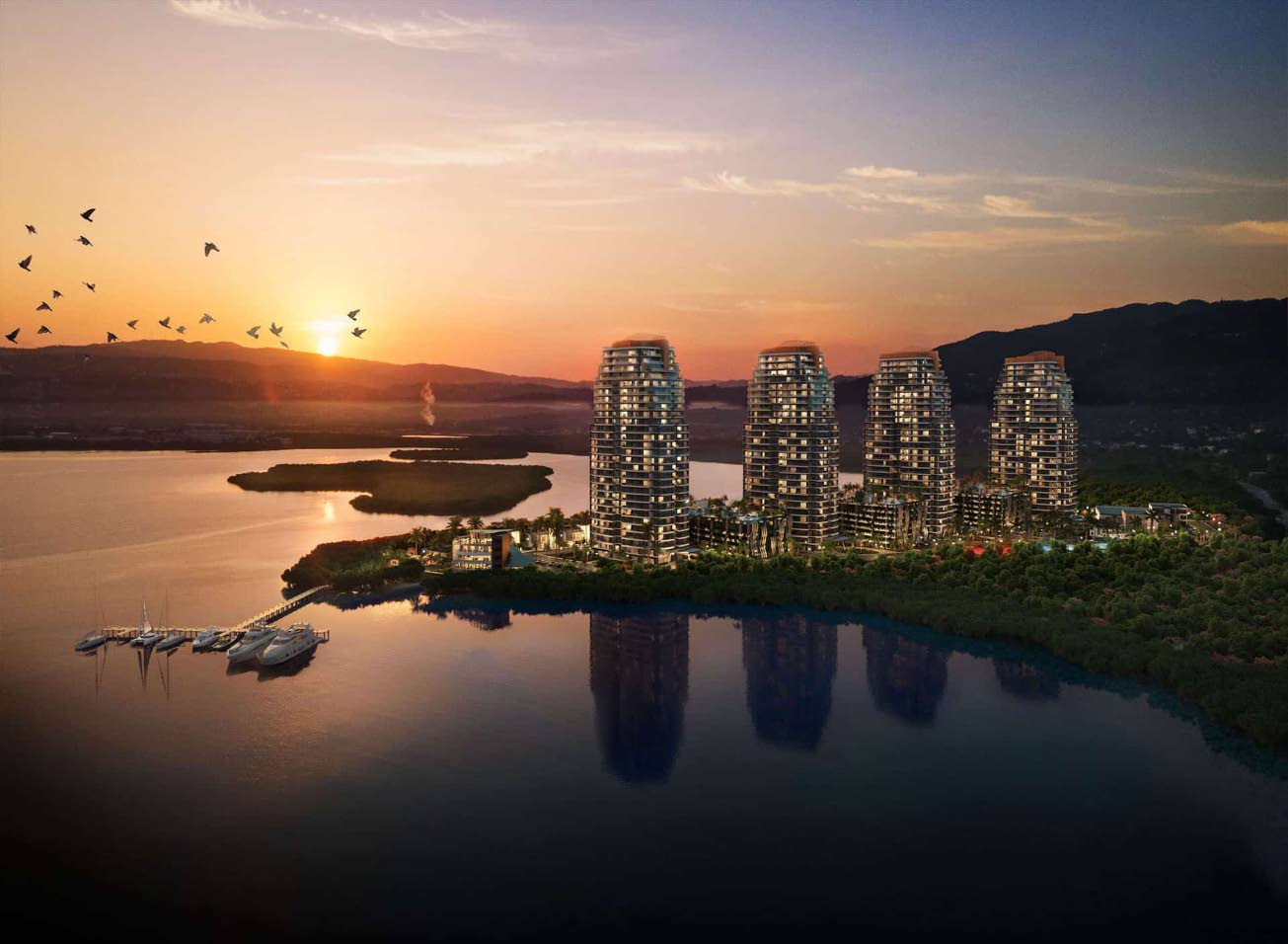
A computer-generated image of The Pinnacle (Photo: thepinnaclejamaica.com)
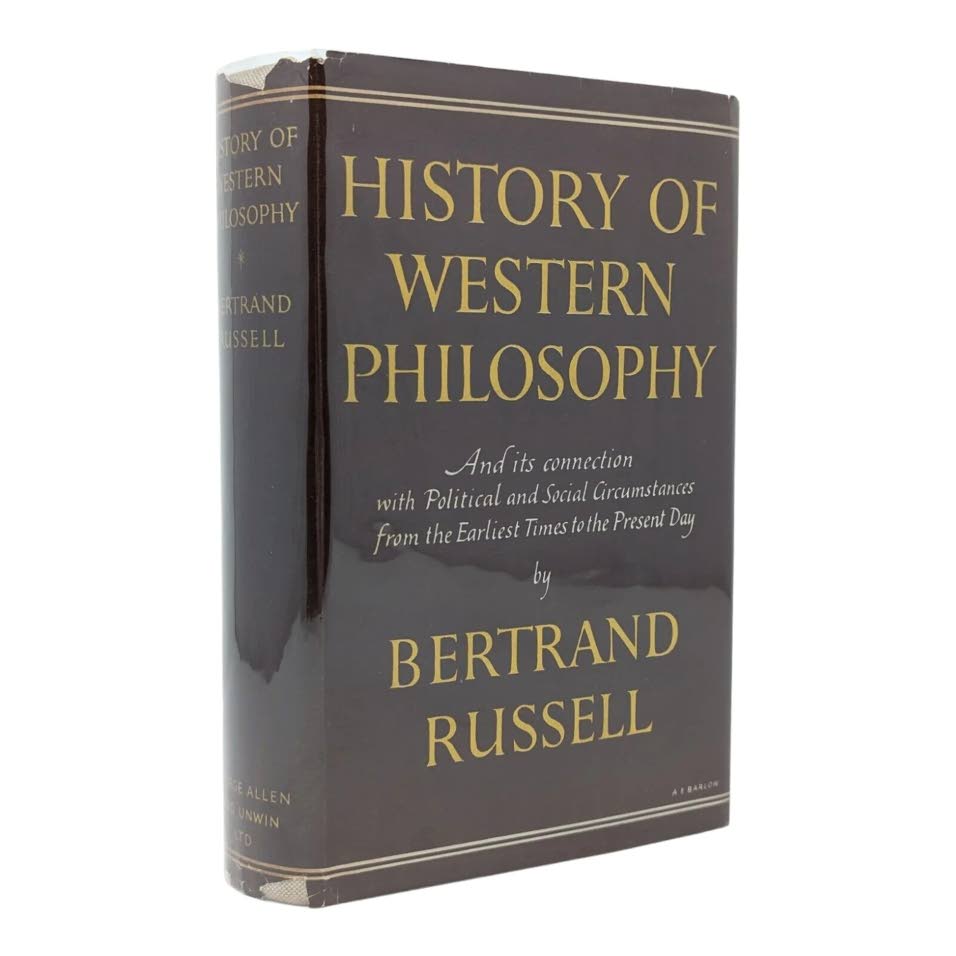
Bertrand’s Russell’s History of Western Philosophy is among Yangsen Li’s latest reads.
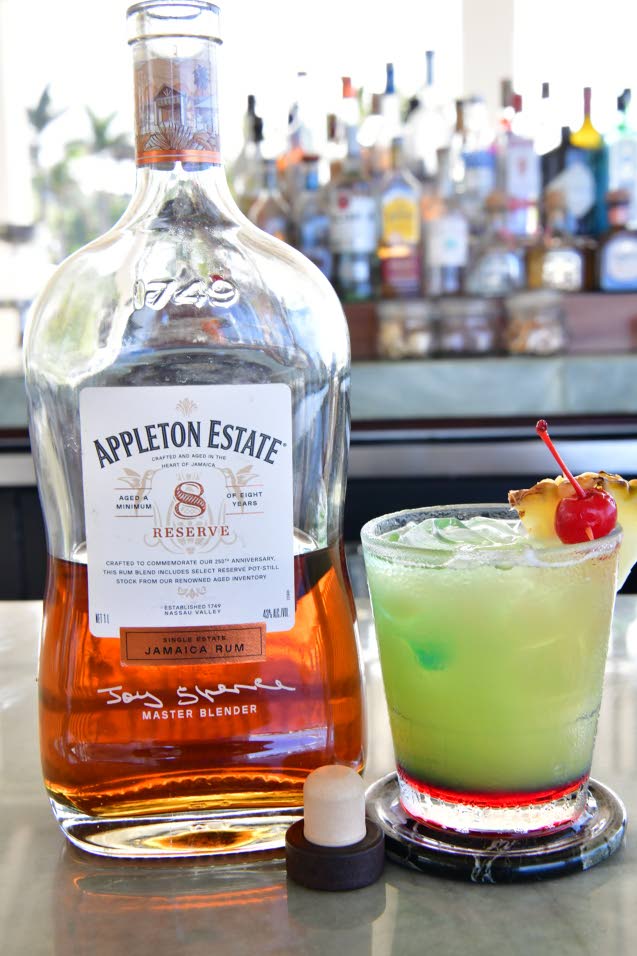
Appleton Jamaican Delight 1 oz Appleton Estate 8 Year Old Reserve 0.5 oz apricot 0.5 oz lime juice 1oz pineapple 1 oz orange juice 1 oz Blue Curaçao Splash grenadine (Photo: Aceion Cunningham)


