



Sun-powered classrooms
Sandals Foundation’s school rebuild post-Hurricane Melissa takes on energy resilience
AS teachers and students in the west continue to make the most out of adjusted learning environments post-Hurricane Melissa, the Sandals Foundation has made a major stride in strengthening the climate resilience of three schools — adding solar energy technology to meet immediate and long-term demands.
Valued at $4 million, solar systems have been installed at Cove Primary School in Hanover, as well as Kings Primary and Infant, and Culloden Infant in Westmoreland, with the foundation saying in a release that it is the first phase of a strategic effort to strengthen the energy resilience of the island’s learning institutions.
“One of the factors driving our restoration efforts in schools is ensuring the implementation of durable and sustainable methods and technologies that provide a great level of flexibility,” said Heidi Clarke, executive director at Sandals Foundation.
While sections of the schools remain partially covered with tarpaulin — for temporary roofing — the current renewable energy infrastructure stands as the beginning of a larger investment to come.
“We’re taking things on a phased basis. The current installation has allowed schools to immediately meet some key operation and administrative needs [but] as we rebuild more permanent structures our goal is to expand the solar energy system — allowing more operations of the school to be powered by the sun,” said Clarke.
Kings Primary and Infant School Principal Marcia Tatham-Miller said: “The installation of solar panels at our schools has been transformative. They allow us to maintain lighting, operate essential equipment, and continue instruction — even during power outages.
“It makes us feel hopeful and empowered,” she said.
The Whitehouse community has been without electricity for three and a half months since the Category 5 storm pummelled sections of south-western Jamaica. At Culloden Infant, Principal Michelle Whittingham said the solar system has enabled administrators to meet a lot of student needs.
“The solar [system] has been a tremendous help. The school cook can now purchase meat and store for school lunches. The children missed and can now enjoy their ice cream treats because we are able to operate our refrigerator.
“Textbooks that were damaged in the storm are now supplemented with photocopy services. Teachers have been able to use their computers to aid in learning instructions, recharge their devices; and the air conditioning system that came with our new modular classrooms [also provided by the Sandals Foundation] will be powered during warm days,” Whittingham said.
In Hanover, roof damage destroyed solar panels previously installed by the philanthropic organisation. Now, beaming following their much-needed replacement, Cove Primary Principal Patrice Campbell said solar-powered systems should be an essential investment in any school infrastructure.
“Because hurricanes and severe weather events are becoming more frequent, schools must be built to withstand the future, not the past. Renewable energy reduces operational costs and allows more funds to go towards learning resources and student development.
“In addition, climate-smart technology ensures learning continues in emergencies. Sustainable school rebuild empowers schools to be safe [while] protecting both students and staff,” said Campbell.
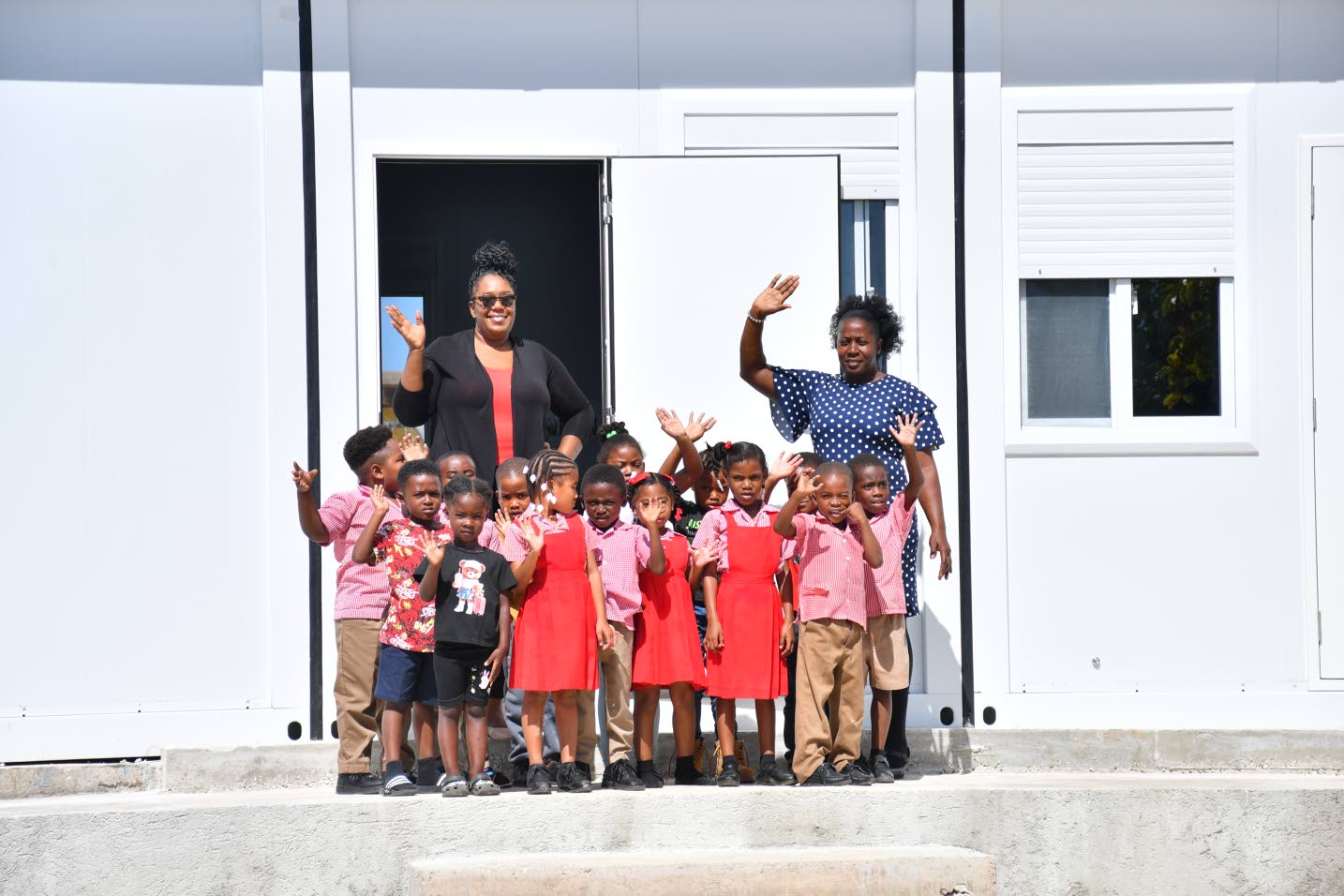
Teachers Merriel Shakespeare (left) and Shernette Campbell-Johnson of Culloden Infant in Westmoreland, wave with students in front of the new modular classroom..
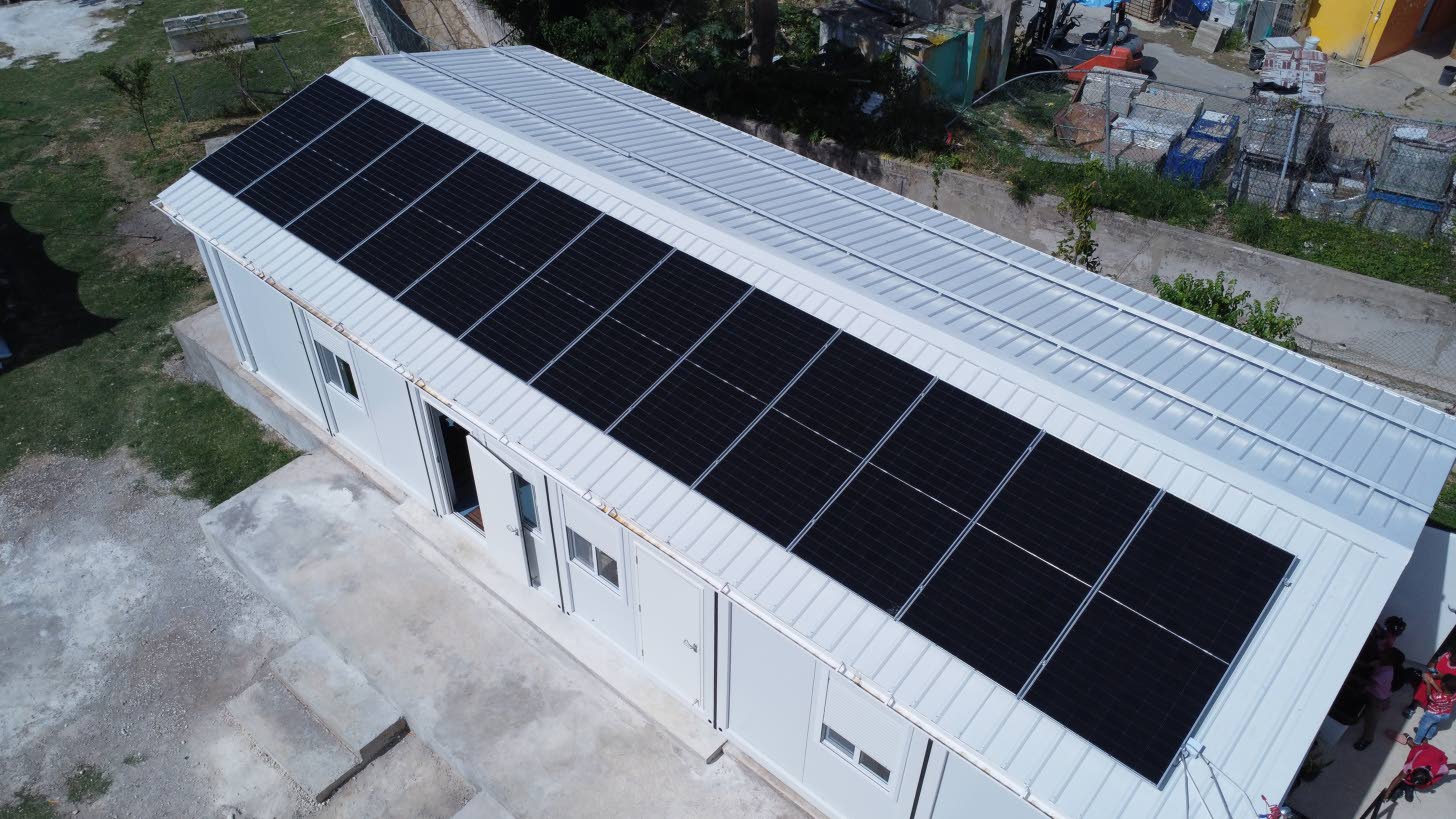
Culloden Infant’s new modular classroom, decked with solar energy system, installed by the Sandals Foundation as part of its post-Hurricane Melissa school rebuild in Westmoreland.
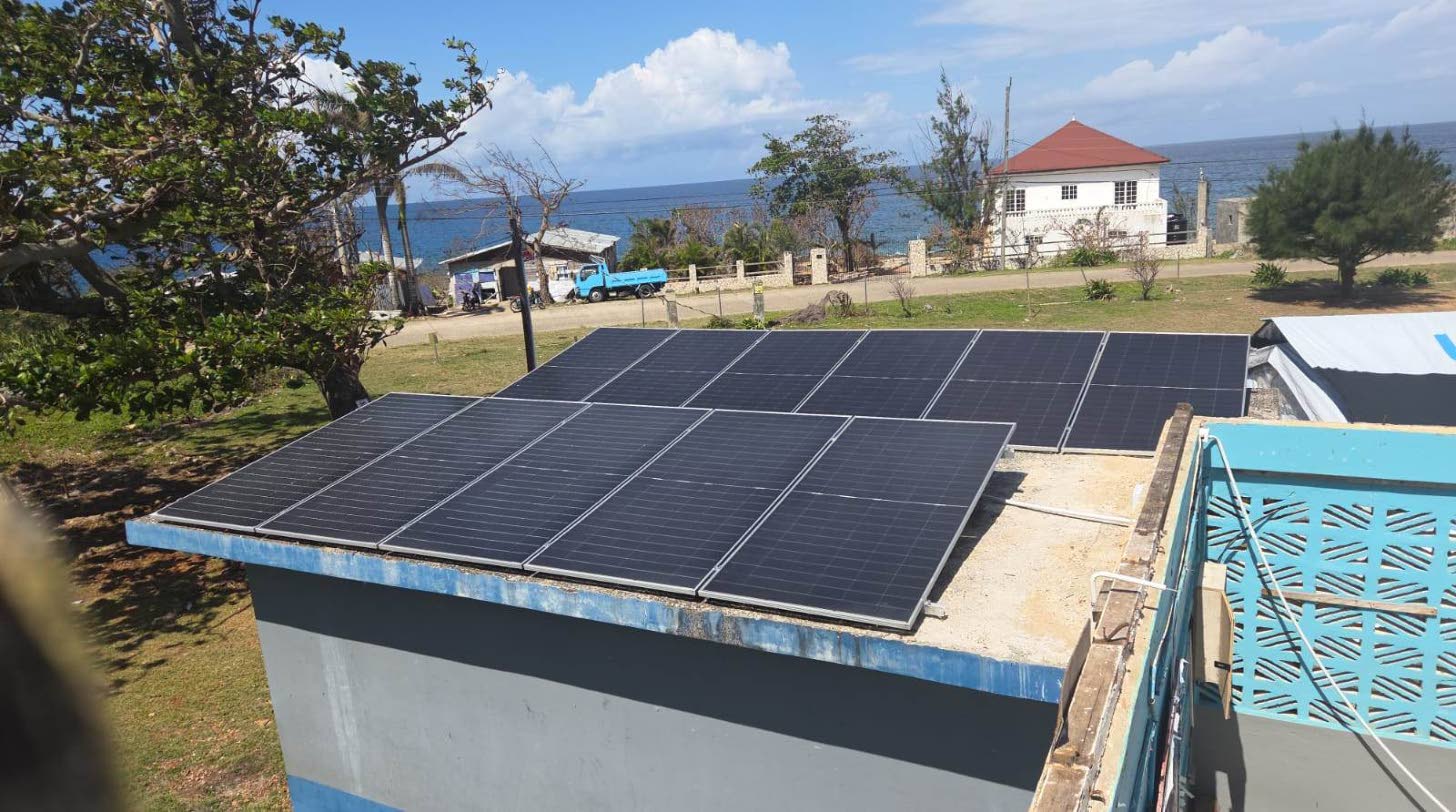
Solar panels atop the roof at Cove Primary School in Hanover. The development is part of a strategic effort by the Sandals Foundation to strengthen the energy resilience of the island’s learning institutions.
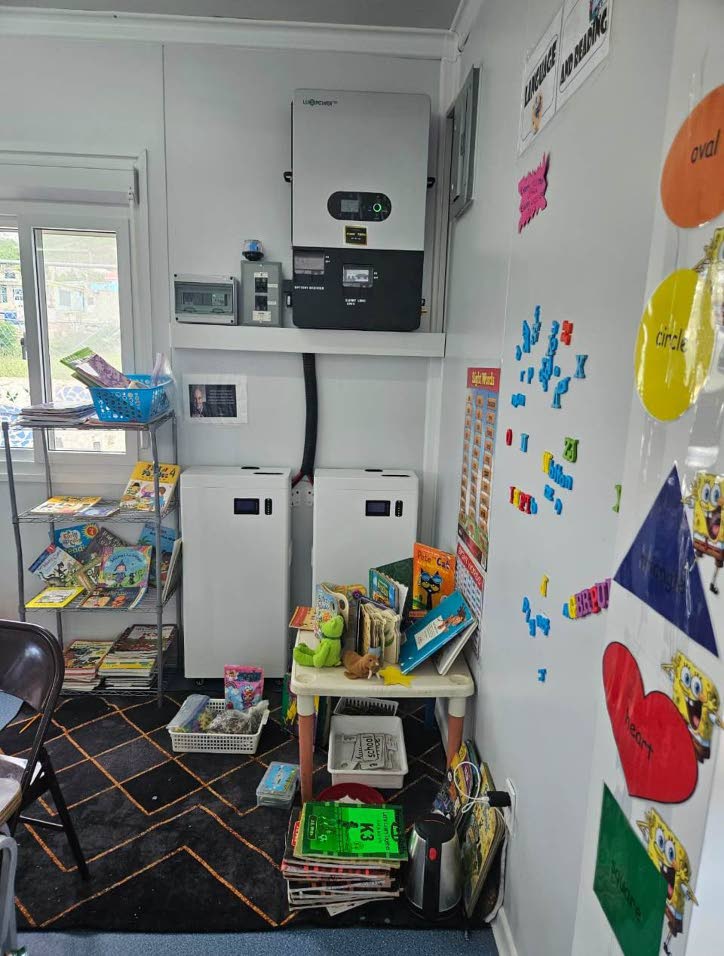
Part of the solar energy system installed by the Sandals Foundation at Culloden Infant in Westmoreland as part of the foundation’s post-Hurricane Melissa school rebuild effort.


