



Tannins and Ambrosia: Warm-hued Wines for Connoisseurs
In Mendoza’s Uco Valley region, long wooden tables rest between rows of vines that have endured wind, altitude, and patient human hands. Glasses upon them catch the sun and the wine inside glows somewhere between burnished gold and soft terracotta. Carrying the perfume of dried apricot, wild herbs, citrus peel, as well as a faint memory of clay, its first sip surprises, not with sweetness, but with grip and texture. This is a gentle tannic frame that holds the palate with quiet authority.
In 2026 the conversation has shifted in Argentina and orange wine, once whispered about as a curiosity, now occupies confident space on serious restaurant lists from Buenos Aires to Mendoza and even Cordoba. Collectors discuss skin contact maceration with the same ease once reserved for oak regimens and vineyard elevations. Sommeliers speak of structure and gastronomy rather than novelty, while travellers arrive asking for it by name. In fact, globally, the movement has matured.
Reports from European retailers such as Vinha and direct to consumer platforms like FromVineyardsDirect have observed that orange wines are no longer confined to experimental shelves. They are moving toward what industry analysts call “extra texture,” wines defined by structural complexity, tactile depth, and gastronomic seriousness. The Wine & Spirit Education Trust (WSET) continues to emphasise the historical continuity that anchors these bottles, from Georgian qvevri buried in earth to Adriatic amphorae and Tuscan macerations that stretch back centuries. The arrival of 2026 now sees heritage and innovation standing side by side.
Argentina absorbs this momentum and reframes it through its own landscape. Skin contact whites have quietly evolved here since the early 2010s, yet between 2020 and today the acceleration has been unmistakable. Pandemic era introspection pushed producers toward authenticity and self-definition. Export markets demanded differentiation. Domestic consumers, younger and digitally connected, sought wines that felt expressive and honest. Orange wine offered all of it.
Orange wines carry phenolic presence without heaviness. They retain freshness while offering a tannic architecture that invites food. In Argentina, where gastronomy has entered a new era of regional pride, this matters profoundly. For the seasoned collector, the intrigue lies in nuance. Argentine terroir imprints itself decisively. High altitude sunlight thickens grape skins, amplifying phenolic potential. Alluvial soils laced with limestone lend tension and salinity. Diurnal shifts preserve acidity, preventing oxidative heaviness.
The resulting wines feel both structured and vibrant. They age with grace, developing notes of dried citrus, almond skin, chamomile, and tea leaf. In blind tastings, sommeliers note their gastronomic versatility and their capacity to challenge expectations.
For the curious beginner, the experience is immediate and sensory. The colour alone intrigues. The aroma feels layered yet inviting. The texture is surprising. Education becomes effortless when anchored in pleasure. A host explains how fermenting white grapes on their skins extracts tannin and pigment. A clay amphora rests in the corner of the cellar, cool to the touch. The story connects geography, history, and human intention. Orange wines amplify the experiential dimension and Thursday Food continues 2026 Wine Trends series by exploring the top ranked orange wines from Argentina, according to the Descorchados ranking:
Solito Va Wines Naranjo 2024 scored the highest in the 2025 Descorchados ranking of Best Orange Wines from Argentina with 94 points. It is made by Solita Va Wines using Pedro Jiménez grapes from approximately 30-year-old vines in the La Consulta area, having subtle aromas of flowers and candied citrus fruits, a classic note in the style. The palate is marked by intense acidity and a taut, sharp body.
Chakana Singular Torrontés 2023 is a 93-point wine made from 100 per cent Torrontés grown in the Valle de Uco. Cloudy, bright and yellow in colour with golden highlights, this wine has a medium-plus intensity on the nose expressing aromatic notes of grape, compote, clove, jasmine, and rockrose. On the palate its entry is dry, it has medium complexity and persistence in its acidity, alcohol and body as well as a high-intensity, fruity and floral finish.
Mundo Revés Quevri 2023, a 93-point orange wine produced in Los Chacayes by Mundo Revés Wines, comprises a blend of white grapes including Pedro Giménez, Torrontés and Criolla Blanca. The has a delicate, nuanced bouquet, exhibiting notes of dried cherries, pomegranate, and redcurrant, along with earthy, forest floor undertones and hints of rose petal on the nose. Its palate is characterised by high, bright acidity with a savoury and intense taste, driven by red fruit, earthy minerals, and a distinct herbal touch, reflecting its qvevri (clay amphora) fermentation and 30 per cent stems, which create a dry and, at times, austere experience. Its finish is clean, fresh, and slightly mineral.
Onofri Wines produces the 93-point Alma Gemela Amber Wine 2022 using 90 per cent Roussanne and 10 per cent Pedro Ximenez grapes respectively. Bright amber with golden highlights, its nose is intense and expressive, with aromas of dried fruit, orange peel, fennel, and subtle spicy notes. In the mouth, it has a silky texture, with present tannins that provide structure and good acidity that balances the mouthfeel. It ends in a long and complex finish.
Terra Camiare Naranjo 2024, by Bodega Terra Camiare, is a 92-point orange wine made using 100 per cent Torrontés from Córdoba’s Paravachasca Valley. The wine is yellowish-brown with steely features that are sharp on the palate with a balanced acidity. It has a complex structure and expresses prominent aromas of white flowers, roses and citrus notes.
Watching skins rise and fall during maceration feels almost ritualistic as tasting from amphora introduces texture as a tactile memory. The orange wine category now stands firmly established. Within this evolving ecosystem, the role of thoughtful curation becomes evident. Navigating boutique wineries, securing intimate tastings, understanding regional nuance, these require local fluency. Anetza Concierge operates within this space with quiet authority. Rather than presenting wine as a product, it frames experience as a narrative. The emphasis rests on interpretation, access, and meaningful connection.
The appeal remains attainable and Argentina retains a warmth that tempers exclusivity, allowing visitors to encounter winemakers directly. Luxury wine travel here feels grounded in sincerity and orange wines exemplify this balance. They carry intellectual intrigue by satisfying collectors, while inviting beginners. Argentina stands poised as essential terrain for this chapter of wine’s evolution.
The country’s gastronomy will continue its confident dialogue with tradition and innovation. Travellers will arrive seeking authenticity and leave with layered memory. And somewhere between amber light and mountain shadow, a glass will be raised. Warm hued, structured, luminous. A quiet testament to how far the category has travelled and how firmly Argentina anchors its future. Salud!
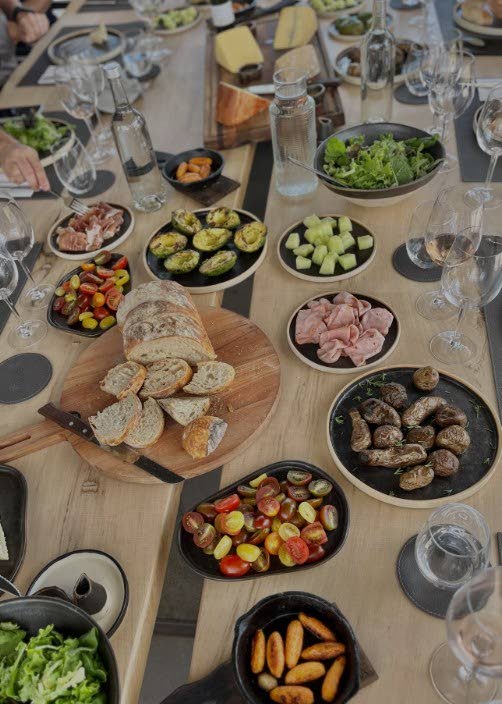
Chakana wines offer immersive wine-paired experiences for visitors who tour their vineyards. (Photo by Chakana Wines)
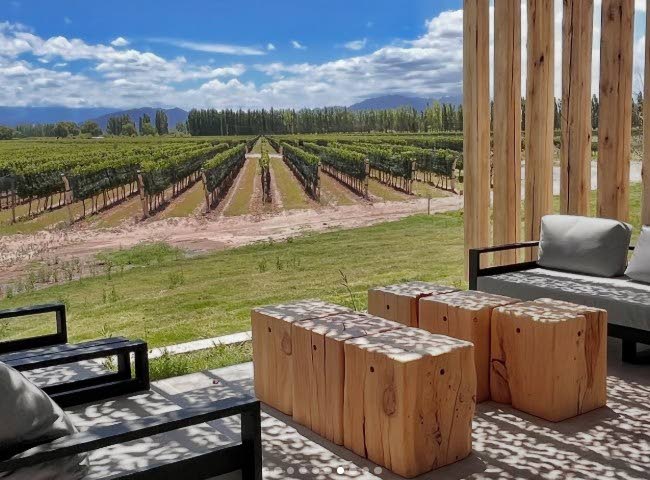
The Uco Valley vineyards of Chakana wines offer breathtaking views of the vines. (Photo by Chakana Wines)
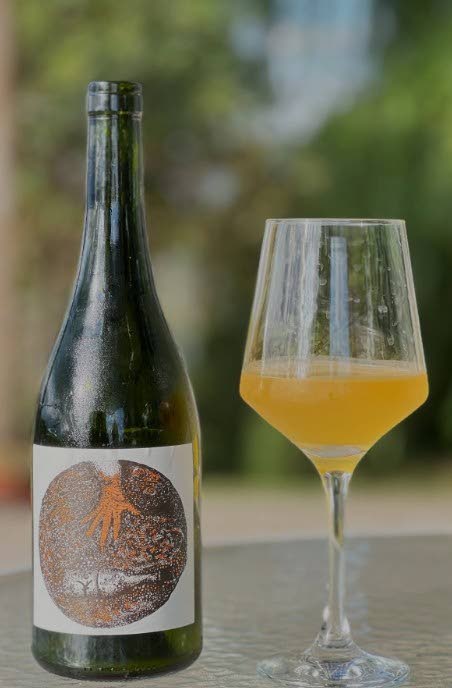
This orange wine by Solito Va Wines is the perfect translation of local terroir — vibrant, fresh, and full of personality. (Photo by Solito Va Wines)
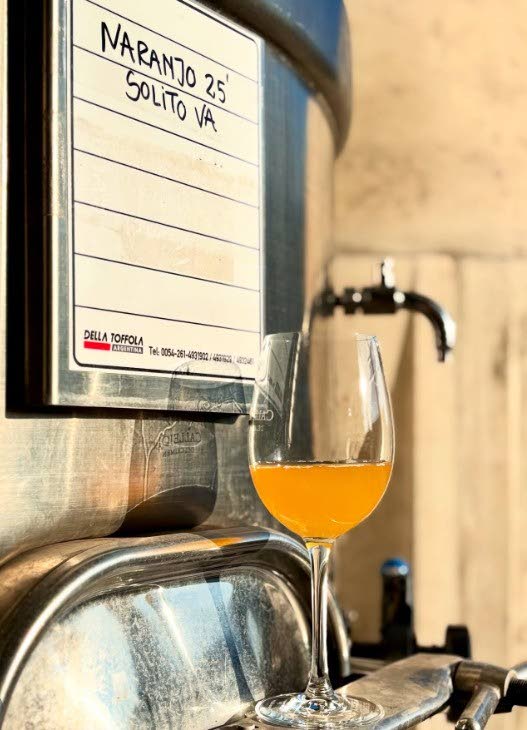
This orange wine is made by Solita Va Wines using Pedro Jiménez grapes from approximately 30-year-old vines in the La Consulta area. (Photo by Solito Va Wines)
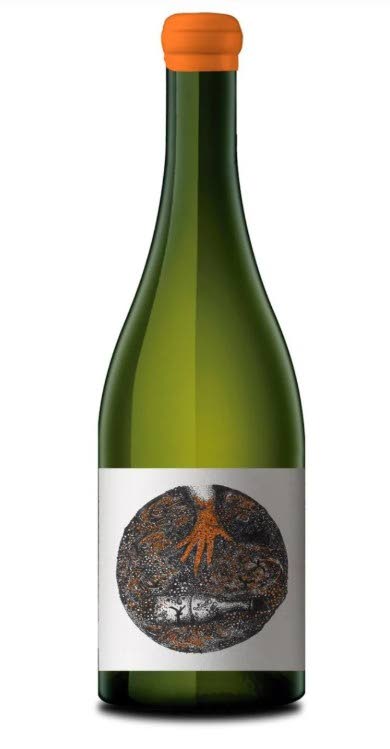
Solito Va Wines Naranjo 2024 scored the highest in the 2025 Descorchados ranking of Best Orange Wines from Argentina with 94 points. (Photo by Solito Va Wines)
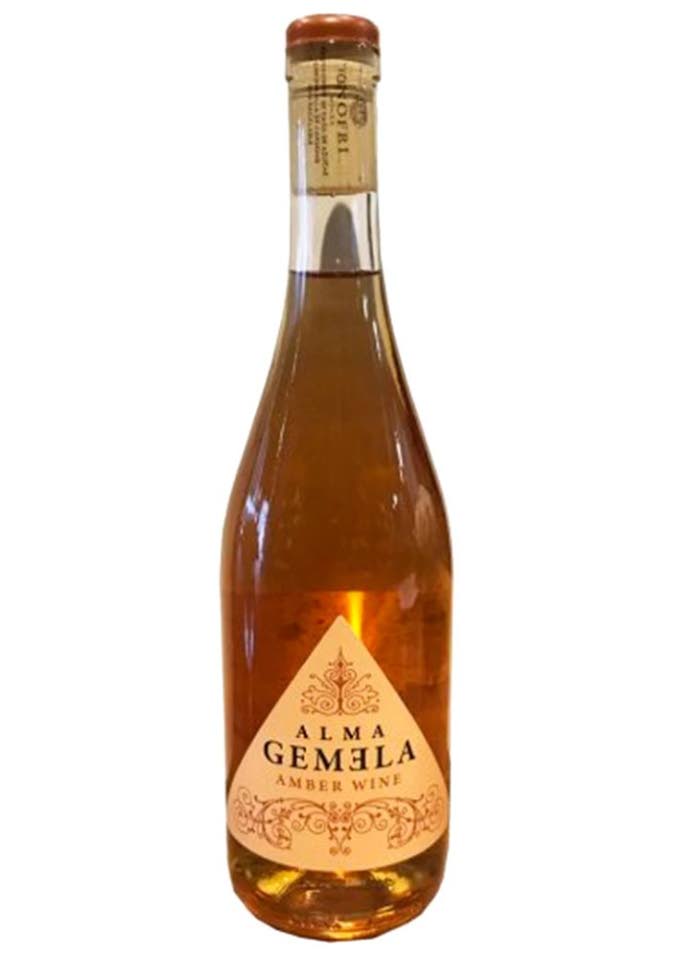
Onofri Wines produces the 93-point Alma Gemela Amber Wine 2022 using 90 per cent Roussanne and 10 per cent Pedro Ximenez grapes respectively. (Photo by Onofri Wines)
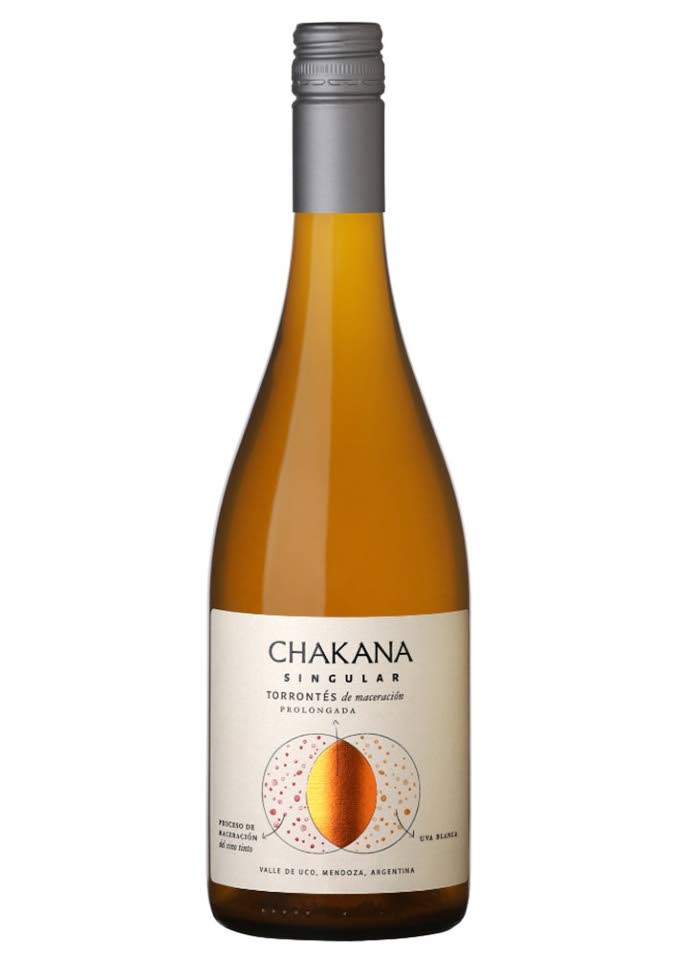
Chakana Singular Torrontés 2023 is a 93-point wine made from 100 per cent Torrontés grown in Valle de Uco. (Photo by Chakana Wines)
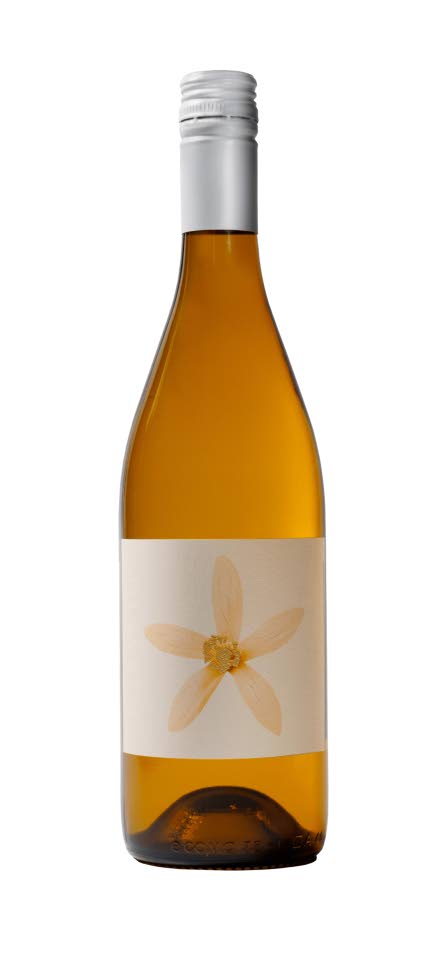
Terra Camiare Naranjo 2024, by Bodega Terra Camiare, is a 92-point orange wine made using 100 per cent Torrontés from Córdoba’s Paravachasca Valley. (Photo by Bodega Terra Camiare)
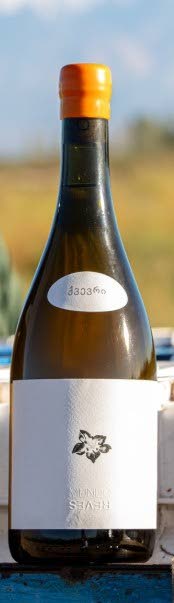
Mundo Revés Quevri 2023 is a 93-point orange wine produced in Los Chacayes. (Photo by Mundo Revés Wines)


