



COOLING INFLATION INTENSIFIES RATE DEBATE AHEAD OF BOJ DECISION
THE Bank of Jamaica’s Monetary Policy Committee (MPC) is meeting this week with inflation now below its target band — altering the backdrop just days before a rate decision is announced and intensifying calls for easing.
Annual inflation slowed to 3.9 per cent in January, falling below the central bank’s four to six per cent target range. The reading contrasts with projections late last year that price pressures would breach the upper limit in early 2026, after hurricane-related supply disruptions.
Keith Duncan, chief executive officer of JMMB Group, said in an interview with the Jamaica Observer that the latest out-turn presents “a real opportunity” for policymakers to reconsider their stance when they announce a decision on Monday.
“Inflation has not breached the upper target; in fact, it has fallen below the lower bound,” Duncan said. “The greater risk at this stage may be sustained inflation below the target range rather than an overshoot.”
In November, the MPC warned that inflation was likely to “rise sharply” in the aftermath of Hurricane Melissa. By December, the committee projected that headline inflation would persist above target through 2026, with risks described as “skewed to the upside”.
Instead, consumer prices fell 0.8 per cent month on month in January, driven largely by a 2.6 per cent decline in Food and Non-Alcoholic Beverages. Improved crop supplies drove a 9.9 per cent drop in prices for vegetables, tubers and related produce, reversing part of the late-2025 surge.
The shift leaves policymakers weighing whether the greater threat is renewed inflation or a prolonged period of below-target price growth amid slowing domestic demand — particularly given the bank’s repeated warnings about potential second-round effects whereby initial supply shocks spill over into broader price and wage increases.
Duncan, however, said those risks have yet to materialise.
“I have not seen where those second-order effects are playing out,” he told BusinessWeek, arguing that domestic demand is already weakening. “Growth in private sector credit has been falling year over year due to prior monetary policy actions. It is time to review our position in light of a slowing economy and inflation falling below the target range.”
The MPC has held the policy rate at 5.75 per cent since September, citing concerns about second-round price effects and expansionary fiscal spending linked to reconstruction efforts. Yet as recently as December, the committee projected that core inflation — which excludes agricultural food and fuel prices — would accelerate over the near term, reflecting rebuilding demand and elevated inflation expectations.
Housing and utility costs continued to rise in January, a reminder that underlying pressures persist even as headline inflation falls below target. Economists expect the central bank to keep its policy rate unchanged, consistent with its cautious approach and concerns about fiscal expansion.
Monday’s decision will indicate whether officials believe inflation’s retreat is temporary — or marks the start of a new phase in the policy cycle.
DUNCAN…it is time to review our position in light of a slowing economy and inflation falling below the target range.
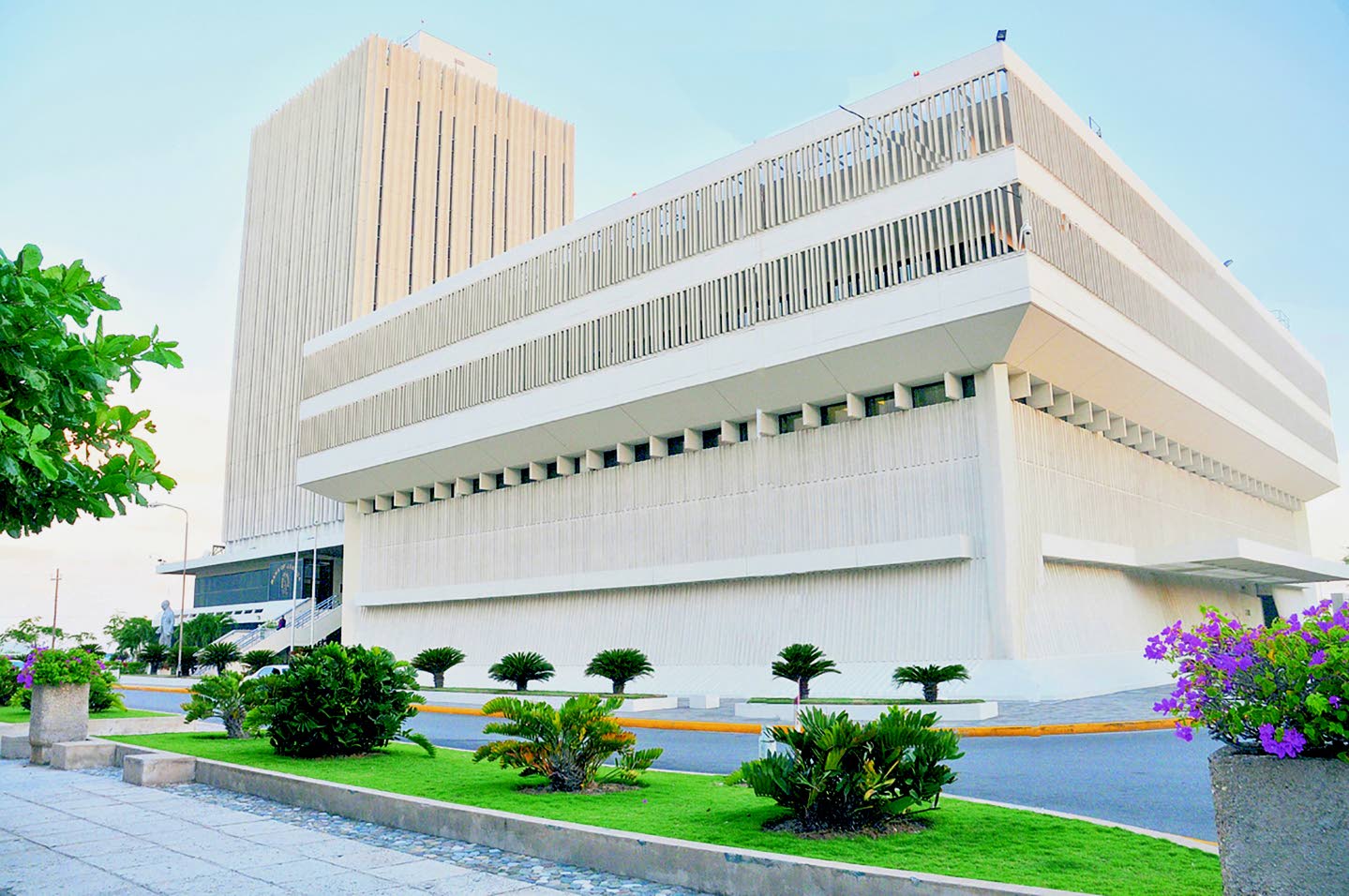
The Bank of Jamaica headquarters in Kingston. Policymakers are weighing their next move after inflation fell below the four to six per cent target range.


