



History echoes in St Elizabeth nine years after Haile Clacken
Fatal police shooting of Alanzo Brooks opens old wounds
ALMOST nine years after the fatal shooting of Haile Clacken, history appears to have repeated itself in St Elizabeth with the fatal shooting of Alanzo Brooks, reopening wounds many had struggled to heal.
Clacken, a philanthropist and educator diagnosed with bipolar disorder — a chronic mental health condition characterised by extreme, often debilitating mood swings and manic episodes — was shot and killed by a security guard in Junction, in 2017, in a case that ignited national debate about mental health awareness and the treatment of people in crisis.
Almost a decade later, Alanzo Brooks, an entertainer and businessman from Nain, who was also diagnosed with bipolar disorder, was fatally shot by police, sending a painful sense of déjà vu through the circle of entertainers, advocates, and community members who knew and loved both men.
Among those most shaken are Lilieth Clacken, founder of the Haile Clacken Bipolar Foundation and mother of the late Haile, music producer Dudley Eulitts, who knew Brooks for years, and Howard Hendriks, president of the St Elizabeth Chamber of Commerce and close friend to Brooks.
Brooks was reportedly at his home on February 12 when a mental health team from the Ministry of Health and Wellness’s mobile unit visited to administer medication. Sources indicate that he refused treatment, leading to an altercation. The police were called in.
According to official reports from the Jamaica Constabulary Force’s Constabulary (JCF) Communications Network (CCN), Brooks allegedly confronted officers armed with a hammer and a machete. Despite repeated warnings, he continued advancing towards them, and officers opened fire. The incident occurred about 3:05 pm.
Brooks was transported to the hospital where he was pronounced dead. The Independent Commission of Investigations (INDECOM) confirmed it has launched a probe into the fatal shooting.
In the aftermath, residents of Nain blocked roads and staged protests, demanding justice and greater sensitivity in the handling of mental health crises. The Southern Regional Health Authority, which is responsible for the delivery of health-care services to the residents of St Elizabeth, was contacted to provide a statement on the matter; however, up to press time, the questions were not answered.
Clacken described Brooks’s death as painful and a devastating reminder of her son’s killing years earlier.
“It feels as if we have not done much in the awareness of mental illness, and this really is painful because this young man is a success story. He did contribute to society in a meaningful way, as my son did…but it doesn’t really matter to the police or to the society when you have a mental illness, and we really need to change that,” she told the Jamaica Observer.
“It [brought] tears to my eyes the Thursday and Friday [after his death]. I’m just seeing everything that happened with not only my son, but also other people, and especially after such a terrible hurricane as Hurricane Melissa. It does work on your mental [health], and especially if you’re already compromised, this makes it even more burdensome. I’m really thinking about his family — his children, his wife, his parents — and the community of Steven’s Run,” said Clacken.
She questioned the use of force by the authorities, noting that people who are mentally ill have the right to refuse medication, and upon sensing resistance, a second visit should have been scheduled.
“Mentally ill persons still have a right to live and be taken care of. He wasn’t a problem in the community. It’s not like he was being dangerous to[wards] anyone. If you can’t handle it, leave and come back. He said he has his private doctor that he’s going to. Why would you want to force medication on him?” she questioned.
She added: “Force is being used in our society too much. You don’t need to be forceful. Sometimes you can appease the person. Try to appeal to them instead of using force; that’s what our society needs, a little more kindness.
“I really await justice for Alanzo Brooks. I will be fighting just as I fought for my son. I will be fighting for justice for Alanzo Brooks,” declared Clacken.
Haile was a teacher, author, journalist, and philanthropist who was diagnosed with bipolar disorder. Reports are that he was shot dead by security guard Shawn Cole in Cheapside, Junction, on June 23, 2017 after climbing on an armoured truck. His death sparked outcries that an innocent life had been taken, as well as appeals for more public education on mental health. Cole was found guilty of the 2017 murder of Clacken and sentenced to 18 years in prison.
The Haile Clacken Bipolar Foundation was formed in January 2018 to bring community awareness to mental illnesses such as bipolar disorder, to remove the stigma associated with the illness, and provide relief for individuals and families.
The foundation has reinstated its appeal for the training of authorities when dealing with patients who are mentally ill.
Head of CCN, Senior Superintendent of Police Dahlia Garrick told the Jamaica Observer last year, ahead of World Mental Health Day — observed annually on October 10 — that the JCF and the Ministry of Health and Wellness work closely to provide assistance to individuals with mental illnesses.
According to Section 15 of the Mental Health Act, “Where a constable finds any person in a public place or wandering at large, in such manner or under such circumstances as to indicate that he is mentally disordered, the constable may, without warrant, take such person in charge and forthwith accompany him to a psychiatric facility for treatment or forthwith arrange for him to be conveyed with all reasonable care and despatch to that facility.”
The senior superintendent noted that the JCF’s policy regarding such interactions is comprehensive, with police exposed and sensitised on how to appropriately engage with individuals experiencing a mental health crisis during their training.
Describing incidents that result in death as unfortunate, Garrick emphasised then that the use of force only occurs when all other options to prevent further harm have been exhausted.
“The reality is that sometimes, if the requisite force is not employed, other lives may be lost or multiple lives, so just like any other response the police would take to a situation, you have to risk assess, you have to see the level of threat that exists and how to neutralise that threat with appropriate force,” she told the Observer last year.
However, an alleged eyewitness who requested anonymity, disputed claims that Brooks posed a threat to anyone.
The individual said that prior to the arrival of the mental health team, Brooks had locked himself inside his house, something he was known to do during episodes when he feared he might cause harm.
When the medical team arrived, Brooks reportedly refused to come out, telling them he had secured the services of a private doctor and would no longer require their assistance.
The eyewitness further alleged that the team initially left the premises but later returned, accompanied by a police officer. It was also reported that a police vehicle passing through the area was flagged down, and additional officers became involved in the effort to intervene.
“They tried to call him out, and him still nah come out, say them fi leave his place because he’s not dealing with them. They tried to break off the back padlock off him house to get inside, and they still had no access. They came back around the front, and they were there for about an hour,” said the eyewitness.
It was further reported that the officers initially advised the mental health team to return at a later time. However, they were allegedly told that the team would not be able to make another visit.
Shortly after, Brooks’s front door was reportedly forced open. He then emerged from the house armed with a machete and a hammer, instructing the officials to leave his property.
“He was just walking towards the police, he never ran to him. He was just walking with the machete and hammer in his hand, and suddenly the police give him two shots, and he turned back and collapsed on his veranda,” said the witness.
The witness said Brooks was reportedly placed in the back of the police vehicle and then injected with the medication.
“Him don’t give no trouble. Most of all, the man nail up himself in his house. Them come break down the man door,” said the witness.
Music producer Eulitts stated that a week before the incident, Brooks called him and asked him for the contact for a medical doctor to help him with his condition.
“I gave him the number, and shortly after, he called me back and said he found a doctor in Junction, so now he’s good. I asked him why, and he said, ‘Mi need fi get those mental illness people off my back because them a come jook-jook me up and a treat me like me a some animal.’ That’s what he said to me, so it knocks me out when I learned how the man died,” Eulitts told the Sunday Observer.
He maintained that the police were never summoned because Brooks posed a threat to anyone, noting that he consistently took his medication and managed his condition.
Eulitts said he met Brooks in 2005, long before he was diagnosed. Over the years, they collaborated on numerous songs. He described Brooks as an upstanding citizen, businessman, musician, and a loyal friend who kept a low profile and focused on his work.
“I’ve lost friends under all kinds of circumstances, but this one hit me the most because I know the man. The man isn’t a violent person,” said an emotional Eulitts.
A close friend of Brooks, Hendriks, said they met in 2003 while Brooks was working on a gospel album. Over the years, their friendship grew beyond music.
Hendriks recalled that Brooks later ventured into entrepreneurship, establishing a roofing business. When Hurricane Melissa tore off his roof on October 28, 2025, Hendriks said Brooks was the first person he called for help, and they were gathering supplies for repairs moments before his death.
“His bipolar illness [is something] I never saw all this time he was dealing with me,” said Hendriks.
He said Brooks visited his house often and they would talk about cars and have a good laugh.
“I have never seen him ill, and it is not like I do not understand or I do not know about his condition, because Haile Clacken, who I knew, was bipolar. I knew [Haile] and his family. I played at his birthday party before he died, and I ended up being vice-president in the early days for the Haile Clacken Foundation, so I know what it is to deal with people who might have a mental problem,” said Hendriks.
“This was not someone who was walking naked on the streets with a machete in hand. He had his own home, he was able to sustain himself, and he has his three children. He is a person who, up until the Sunday before he played at church, because he is a guitarist, so when a person can go on his property and do this…” Hendriks said, puzzled as to how law enforcement officers could allow history to seemingly repeat itself.
Individuals can reach out to the Mental Health and Suicide Prevention Helpline at 876-639-5433 if they need help with their mental health. A report can also be made if they see someone they presume to be mentally ill and in need of intervention. Individuals can also call the police at 119.
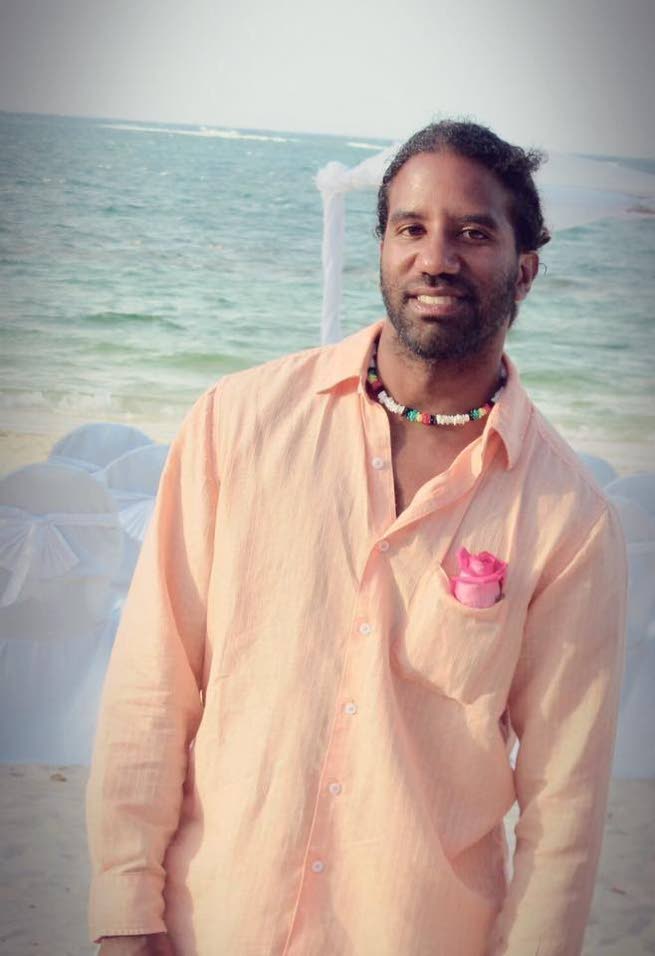
Haile Clacken was a teacher, author, journalist, and philanthropist who was diagnosed with bipolar disorder. He was shot dead by security guard Shawn Cole in Cheapside, Junction, St Elizabeth, on June 23, 2017.
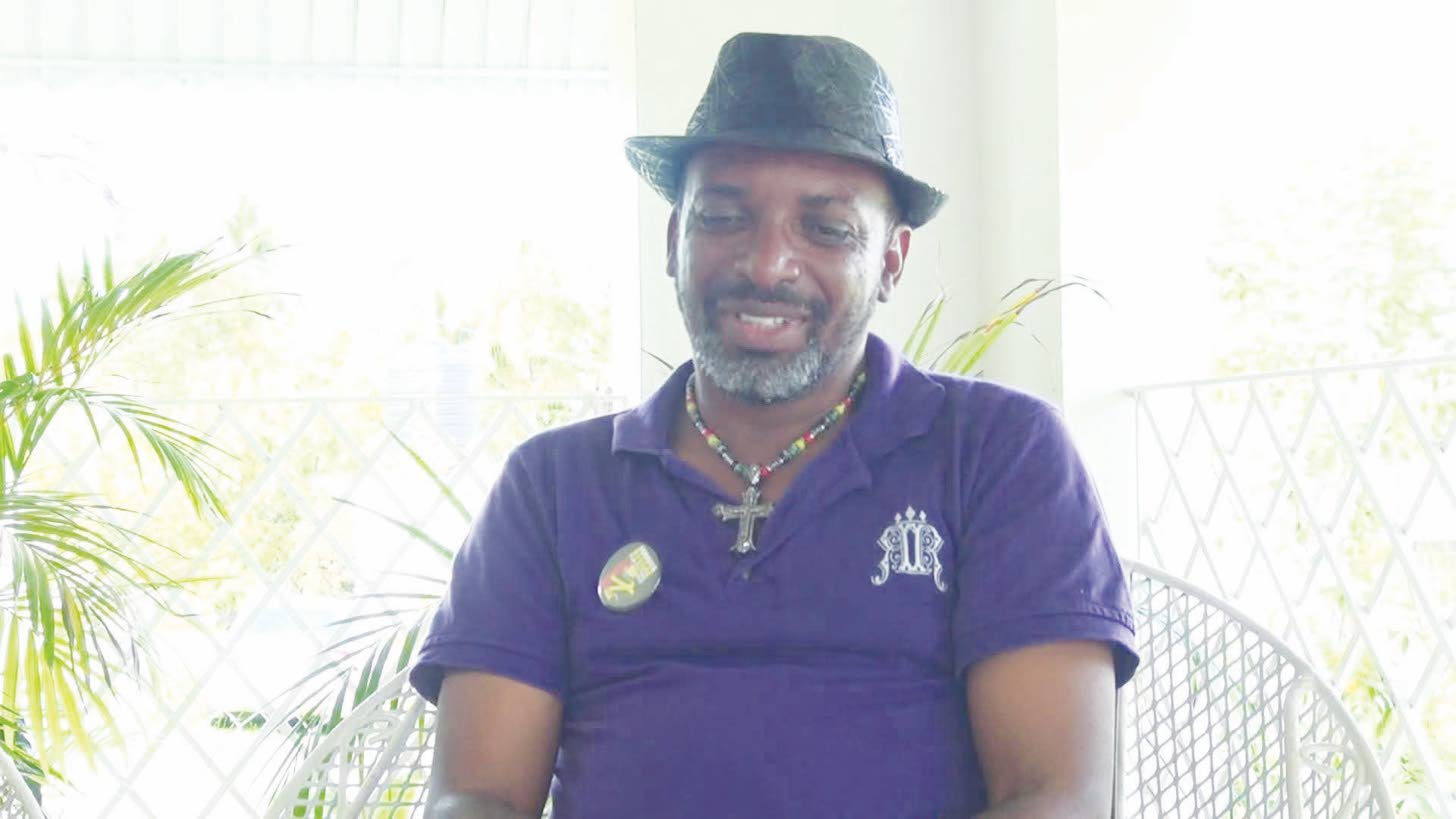
HENDRIKS…this was not someone who was walking naked on the streets with a machete in hand
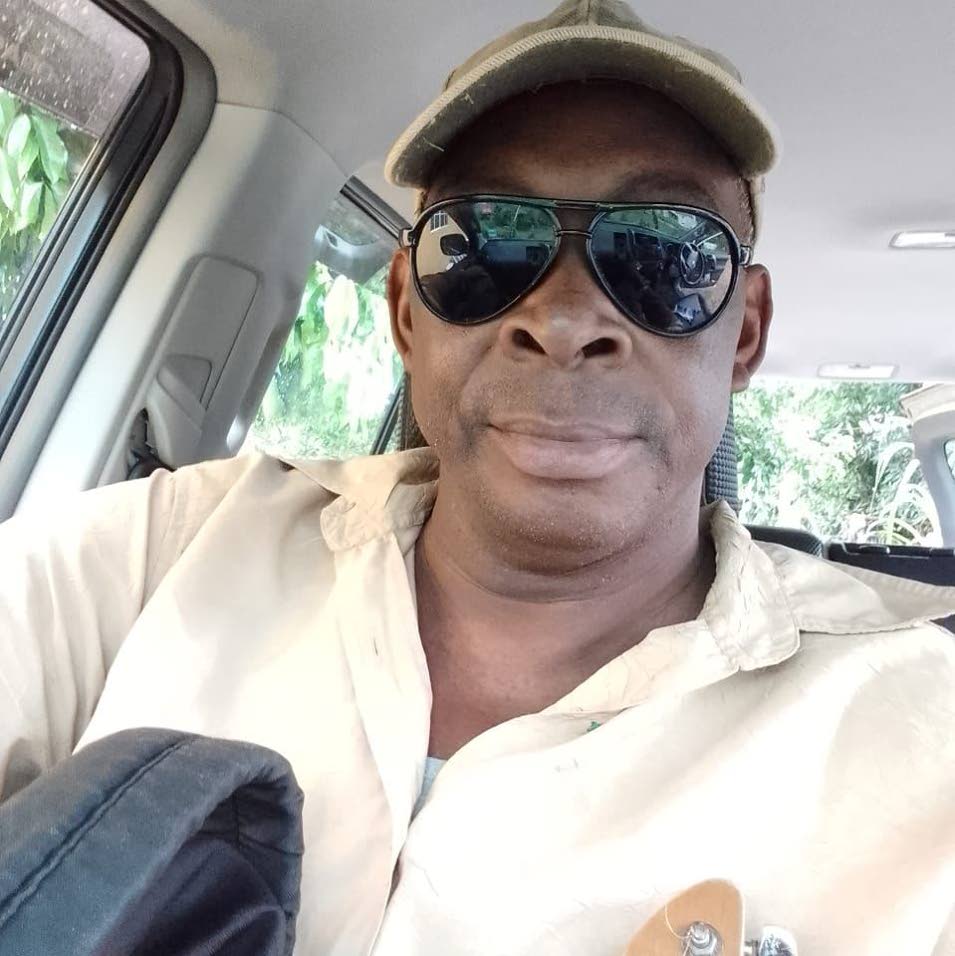
EULITTS..I’ve lost friends under all kinds of circumstances, but this one hit me the most because I know the man
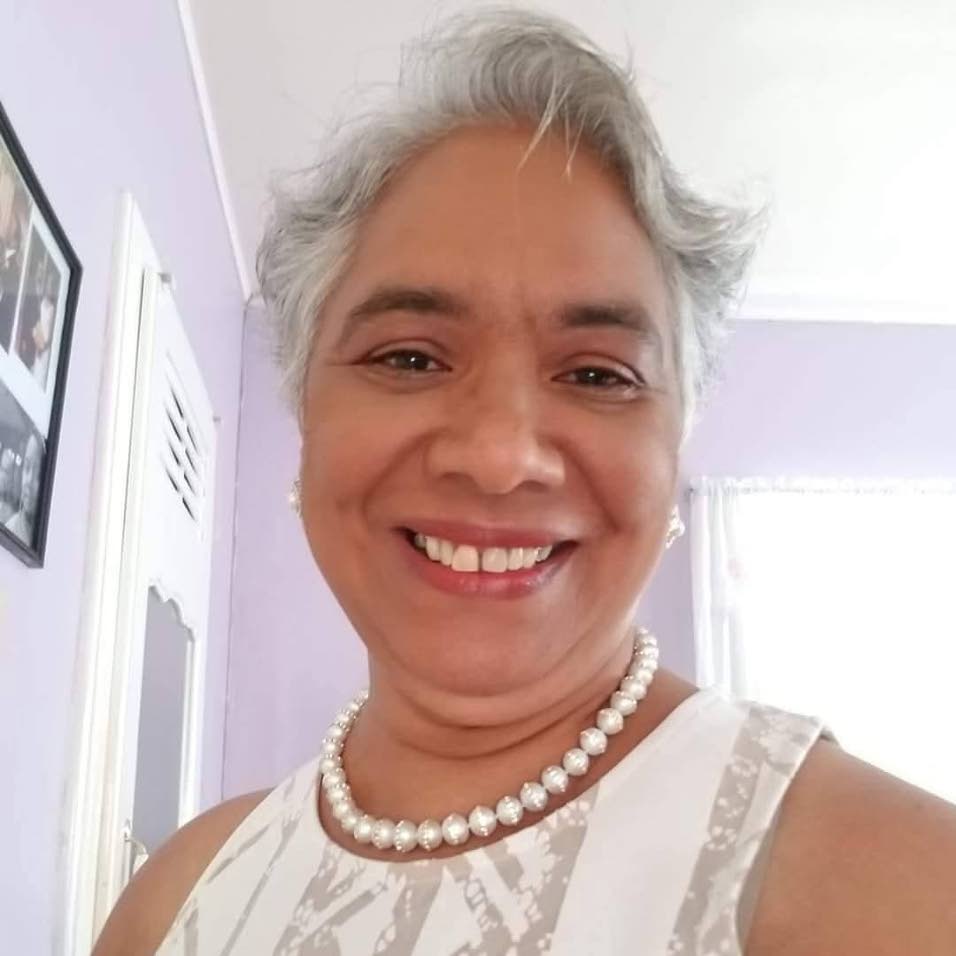
Lilieth Clacken, founder of the Haile Clacken Bipolar Foundation and mother of the late Haile Clacken.


