



Local egg farmers crying foul
FALMOUTH, Trelawny — President of the Jamaica Egg Farmers’ Association (JEFA) Mark Campbell is warning that continued egg importation, initially approved in the aftermath of Hurricane Melissa, is now threatening the recovery of local producers who have been steadily rebuilding.
Speaking with reporters Friday, Campbell said JEFA has received reports from both large and small farmers that imported eggs are displacing locally produced stock in supermarkets, shops and the hospitality sector.
“A number of them have reported to us this week and last week that they have gone to the supermarkets with their eggs, locally produced eggs, and they have been turned back saying they are quite satisfied, because they have bought imported eggs at a price better than what the local farmer is selling for,” he said.
Many of the affected farmers had supplied those markets for years and are now uncertain about where to sell their produce.
“They really don’t know where to turn when their business, either hotel or supermarket, all of a sudden, say to them, we don’t want it,” Campbell said.
He warned that if the situation continues, farmers who have demonstrated resilience after two successive hurricanes may be forced out of production.
Campbell pointed out that the industry was close to fully recovering from the previous year’s hurricane, Beryl, before Melissa caused catastrophic damage. He said farmers across St Elizabeth, St Ann, Trelawny and western Jamaica have since rebounded significantly, with many operating at roughly 80 per cent of pre-Melissa production.
“The fact that we have had two hurricanes… I feel extremely proud of the Jamaican farmers who… have shown a great capacity of resilience,” he stated.
He stressed that egg importation was recommended by JEFA to ease shortages during the December-January peak period following Melissa.
“To import eggs into Jamaica is not something that we farmers have taken kindly to at any time. But given the level of devastation… we strongly recommended… that a limited amount of eggs for a limited time period be allowed,” he said.
However, he argued that with production now rebounding, continued importation could deliver a “double blow” to local farmers and create an oversupply that may lead to spoilage and quality concerns.
Campbell also raised serious concerns about reports that imported eggs are being repackaged without clear labelling of origin.
“My understanding is that labelling of eggs must show its origin… and must also indicate an expiry date or a ‘best before’ date. We have received information that eggs are being repackaged… without an indication as to their source of origin,” he claims.
He said the lack of traceability could prevent authorities from responding effectively if problems arise.
“If there is a problem related to eggs, we can’t say where they came from. We can’t follow up or do anything to protect the Jamaican consumer,” he said.
Campbell commended the Ministry of Agriculture and Fisheries as well as Rural Agricultural Development Authority for their post-Melissa support but urged swift action to address the current concerns.
“Now we would like to bring, in the more forceful way, to the attention of the ministry that the imported eggs cannot continue as consistent with how we had needed it in December, January,” he said.
He noted that any supermarket experiencing shortages can contact JEFA to source local eggs, warning that continued imports could cause “maybe irreparable damage to the local producers.”
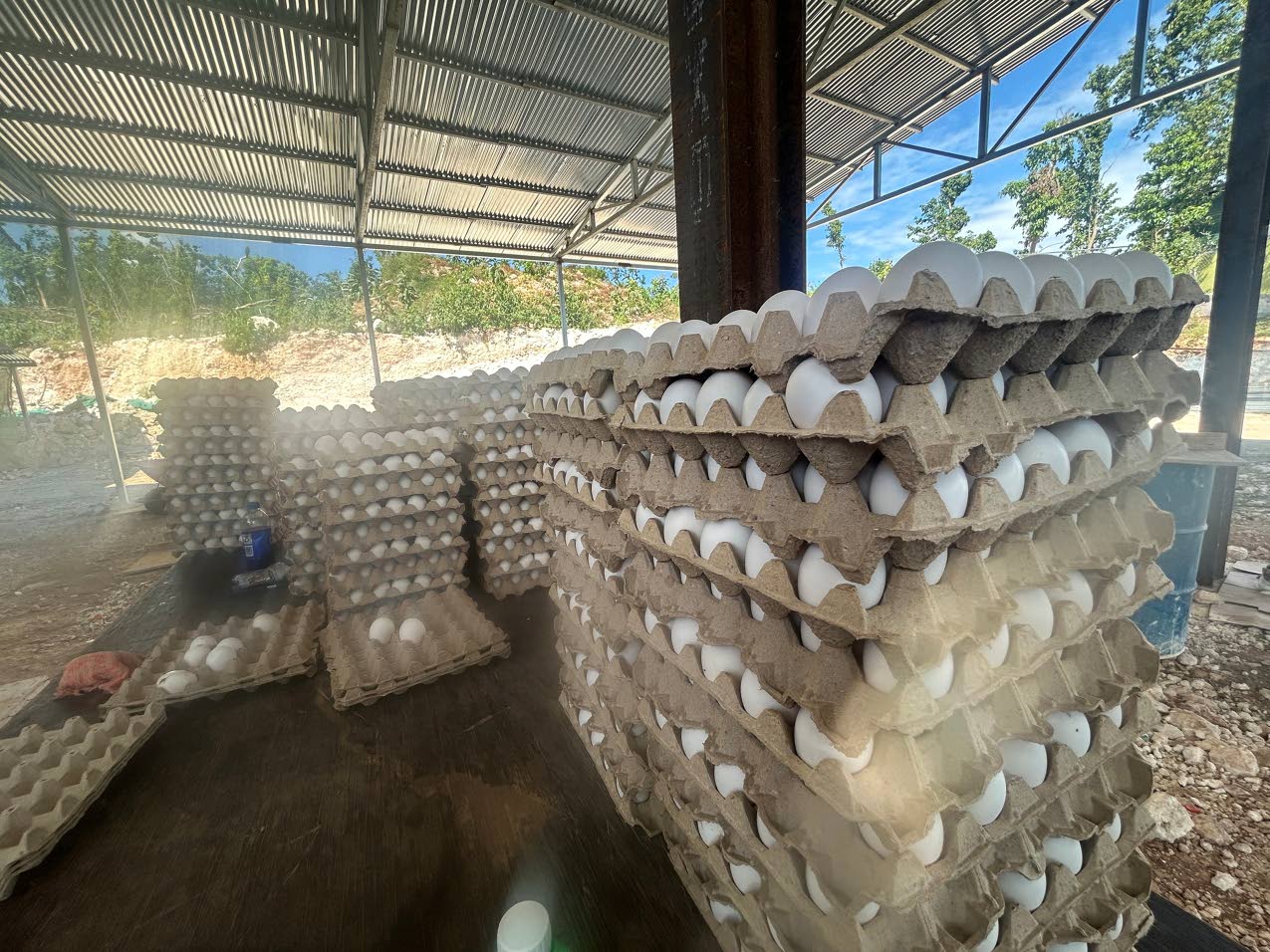
Trays of eggs at Mark Campbell’s farm in Trelawny on Friday. Photo: Horace Hines
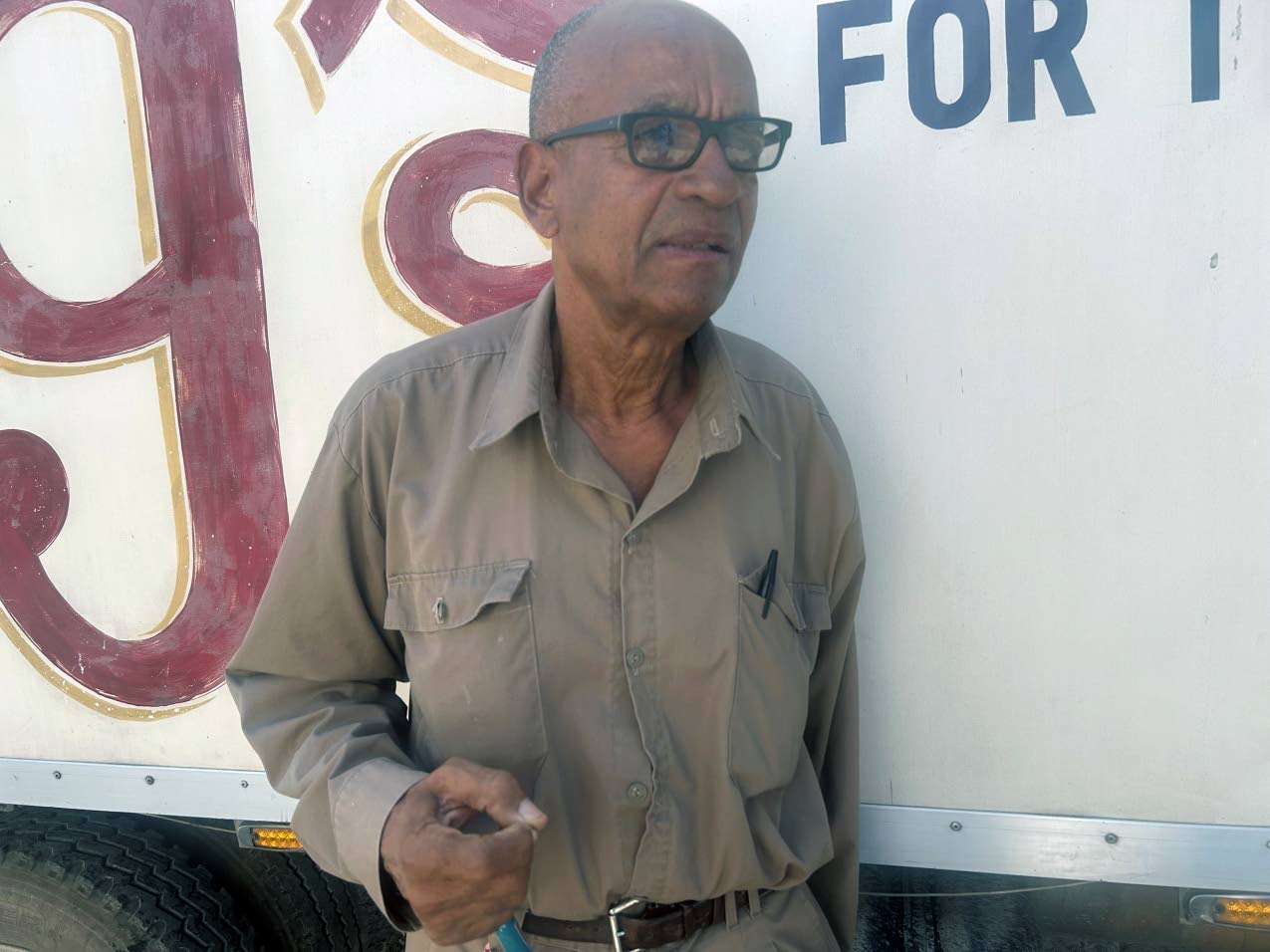
CAMPBELL…egg farmers really don’t know where to turn Photo: Horace Hines


