



How Argentina Redefined Rosé for a Year-Round World
The light in Argentina carries a particular clarity in late afternoon. In the Mendoza wine region it settles across high altitude vineyards beneath the Andes; in the Salta wine region it sharpens against ochre mountains rising above 2,000 metres; in the Patagonia wine region it stretches long across wind-swept plains. Wine here begins with landscape. Since 2020, however, the conversation has deepened. Argentina’s wine tourism has matured, global consumption has recalibrated, and rosé has entered a more serious, structurally confident era.
Recent reports from the International Organisation of Vine and Wine indicate that while overall global wine consumption has softened in several traditional European markets, premium segments have shown resilience. Producers have responded by sharpening identity and elevating quality. Data from the Instituto Nacional de Vitivinicultura (INV) confirms that Argentina’s vineyard surface area has remained broadly stable, yet segmentation by altitude and origin has intensified. Precision, rather than scale, defines the new phase.
Within this broader shift, blush wines have experienced a decisive transformation. The 2026 direction for rosé reflects a move away from pale, neutral expressions towards structured, gastronomic, year-round wines with deeper colour and sustainable, premium positioning. Market analysis from IWSR Drinks Market Analysis shows that premium rosé has outperformed entry-level alternatives in several mature markets since 2021. At the same time, research from Wine Intelligence highlights younger consumers prioritising authenticity, sustainability credentials, and food pairing flexibility.
Argentina has interpreted this evolution through terroir. In the Mendoza wine region, fruit grown above 1,000 metres benefits from intense sunlight and cool nocturnal temperatures, preserving acidity and aromatic precision. The result is rosé with natural structure. Colour deepens to coral or copper; flavours lean towards redcurrant, pomegranate, and subtle savoury notes; texture carries gentle grip. Lees ageing has become more common, contributing creaminess and almond nuance. Some producers employ discreet French oak to add breadth without diminishing freshness, aligning with global demand for rosé capable of accompanying main courses rather than merely aperitifs.
Commentary in Decanter has observed this global retreat from barely-pink anonymity towards origin-driven character. Educational discourse within the Wine & Spirit Education Trust increasingly positions structured rosé alongside lighter reds for gastronomic consideration. Reporting from the
Financial Times wine desk has likewise tracked rosé’s shift from seasonal novelty to permanent category. In Buenos Aires restaurants, darker, mineral expressions now appear confidently on autumn and winter lists. The end of the pale dictatorship has quietly arrived.
Argentina’s geography makes this stylistic transition feel organic. High altitude vineyards in Mendoza deliver natural acidity; extreme elevation in Salta produces aromatic intensity; Patagonia’s cool climate supports precision and tension. These conditions lend themselves to serious rosé. Blanc de noirs still wines, crafted from red grapes pressed gently to extract pale juice with a hint of red fruit, are gaining attention. Pinot Noir from Patagonia in particular offers mineral-forward expressions that blur conventional colour expectations while retaining elegance.
Sustainability underpins this movement. Since 2020, environmental responsibility has shifted from marketing aspiration to operational expectation. Water management has become central, especially in arid Mendoza, where drip irrigation and soil monitoring technologies protect limited resources. Lighter glass bottles are increasingly used for export, reducing transport emissions. Premium boxed and canned formats have emerged for casual consumption without compromising quality. Consumers documented by Wine Intelligence demonstrate readiness to reward producers who align environmental stewardship with authentic terroir expression.
Technology refines rather than replaces tradition. Satellite mapping, parcel-by-parcel vinification, and precise harvest timing guided by phenolic ripeness metrics allow winemakers to articulate micro-differences within vineyards. In the Uco Valley, fermentations are often separated by soil type; in Salta, canopy strategies respond to ultraviolet intensity. These practices directly influence the mouthfeel and structural clarity that define contemporary Argentine rosé.
Demographic change has reshaped Argentina’s wine tourism. Post-pandemic travellers seek immersion rather than acceleration. They value vineyard walks, technical tastings, and conversations about climate adaptation. Luxury wine travel now centres on understanding altitude, soil composition, and fermentation philosophy. The Michelin Guide’s increasing attention to Argentine gastronomy reinforces the place of structured rosé at the table, where it complements vegetable-driven dishes, freshwater fish, and slow-cooked meats alike.
Premiumisation remains central to export strategy. INV figures indicate continued emphasis on bottled wines in higher value categories, even amid global economic uncertainty. Boutique wineries have gained visibility, while established wineries and celebrated wineries deepen communication around terroir specificity. Labels increasingly display vineyard altitude; technical sheets detail ageing regimes. Educated consumers expect transparency.
Experimental styles illustrate creative confidence. Short maceration red-pink wines, sometimes described internationally as blouge, offer luminescent colour and light body while retaining serious viticultural grounding. Argentina’s climatic diversity provides space for such exploration, particularly in cooler Patagonian sites where acidity remains naturally vibrant.
All these strands converge in lived experience. To travel through the Mendoza wine region today is to encounter thoughtful integration of sustainability, technology, and hospitality. Solar panels sit discreetly beyond olive groves; tasting rooms emphasise local materials; conversations move easily between export statistics and harvest challenges. In Salta, altitude shapes identity; in Patagonia, wind informs vineyard architecture. Argentina’s wine tourism has evolved into a culturally layered offering that merges agricultural reality with refined comfort.
Context enhances perception. Understanding which valley yields mineral-driven rosé, which altitude preserves acidity, which cellar decisions build texture requires informed interpretation. Anetza Concierge occupies this interpretative space with authority and discretion, curating immersive wine experiences that translate institutional insight and regional nuance into coherent journeys. In a country of vast distances and dramatic climatic contrasts, guidance fosters clarity.
The significance of this moment rests in alignment. Global consumption patterns favour premium, terroir-expressive wines; sustainability expectations shape purchasing decisions; demographic shifts reward authenticity. Argentina’s altitude, climatic diversity, and adaptive viticulture position it confidently within this landscape. Structured, gastronomic rosé exemplifies that evolution. It reflects origin, embraces year-round relevance, and demonstrates technical precision grounded in environmental awareness.
Argentina has embraced rosé’s maturation with measured assurance, supported by data and shaped by place. For those drawn to this country’s wine tourism, to luxury wine travel rooted in terroir and Argentine gastronomy, the experience offers coherence and depth. The transformation of blush wine is not an isolated phenomenon; it forms part of a broader recalibration that positions Argentina as an essential voice in the contemporary wine conversation. Salud!
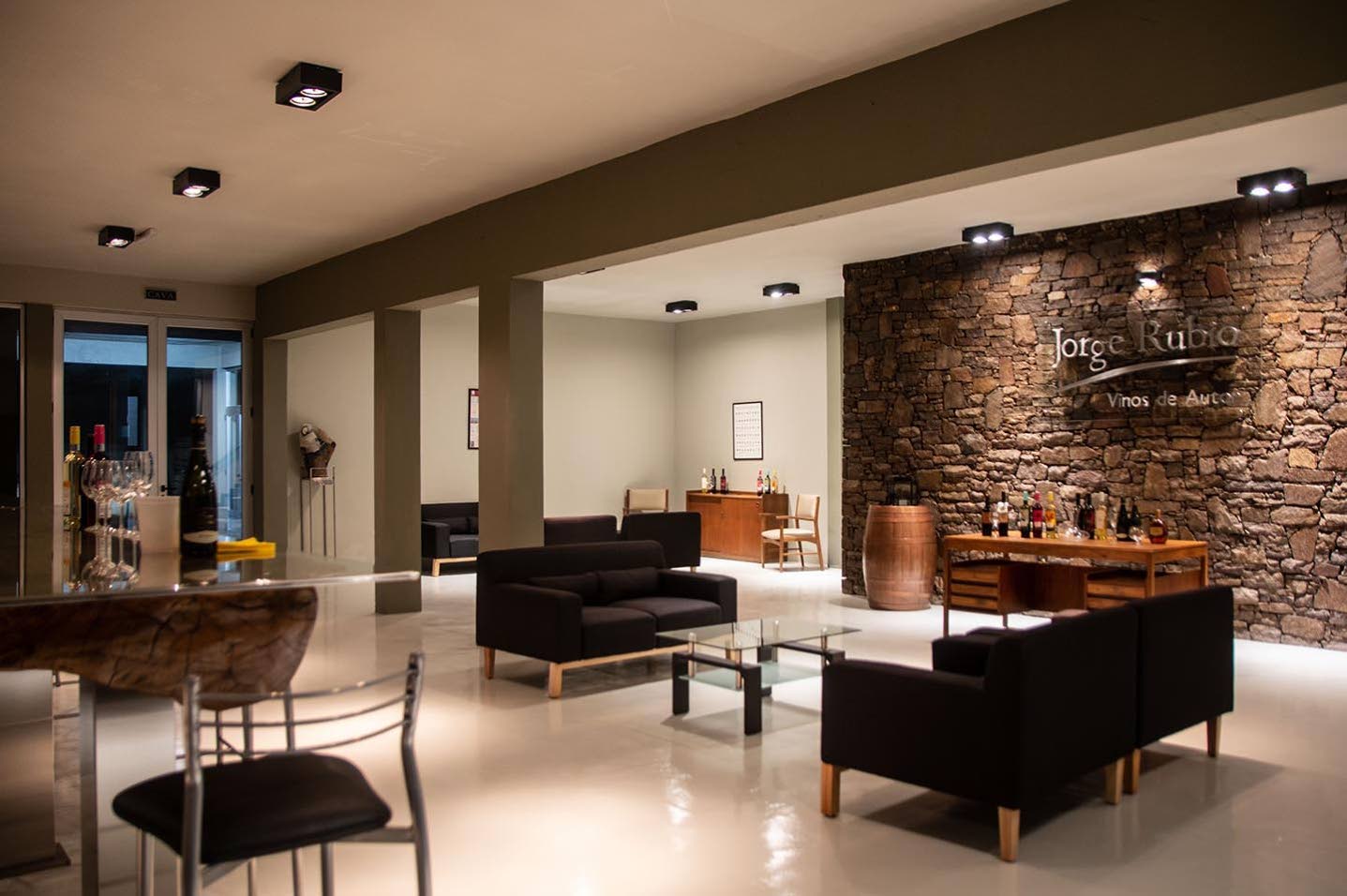
At Bodega Jorge Rubio, makers of Finca Gabriel Rosé Malbec, visitors are treated to an unforgettable experience. (Photo by Bodega Jorge Rubio)
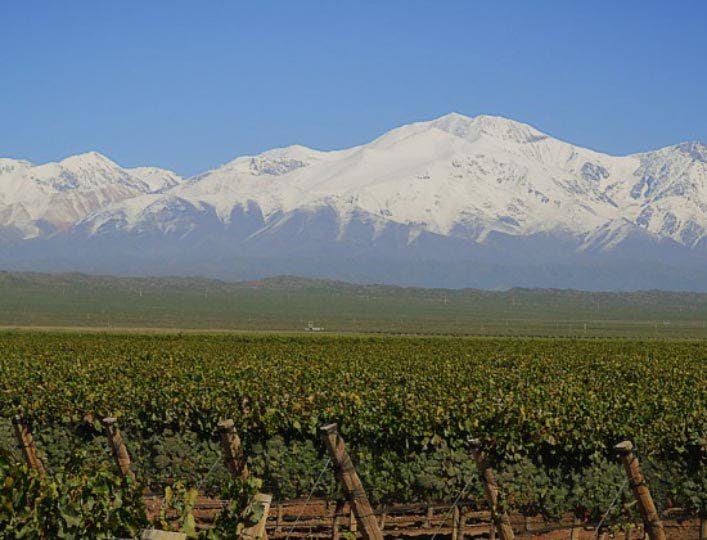
Finca La Zulema in Agrelo, Luján de Cuyo is where the winery of Pulenta Estate is located. (Photo by Pulenta Estate)
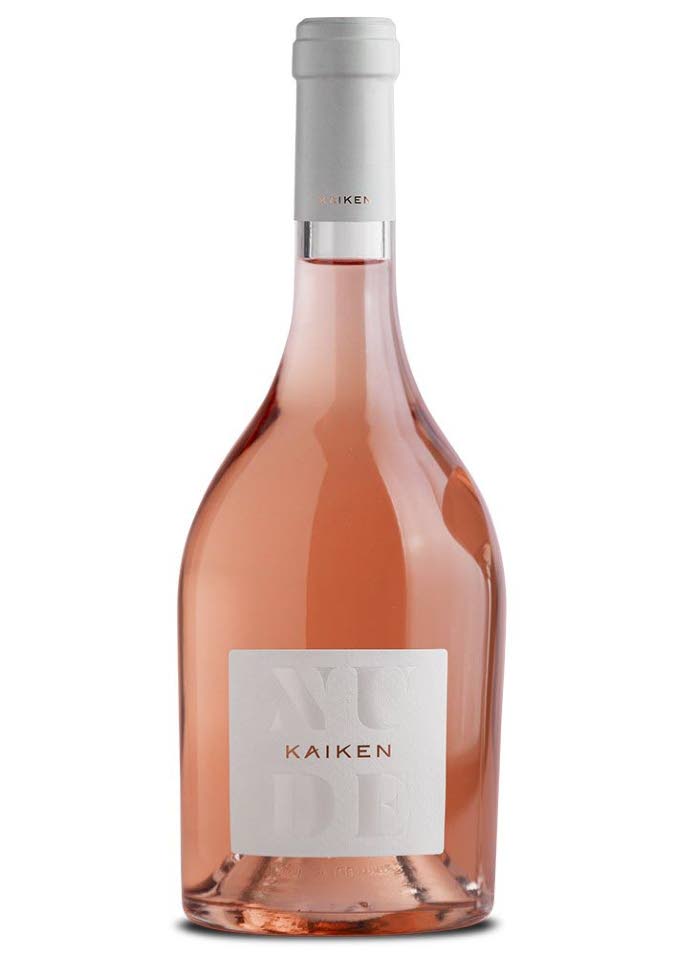
Kaiken Nude Rosé, comprising 90 per cent Garnacha & 10 per cent Cabernet Sauvignon, is noted for its flavour and acidity, appearing in top rosé lists. (Photo by Kaiken Wines)
Pulenta Estate Rosé S’il Vous Plaît, a 100 per cent Merlot, is another well-rated expression that often displays structure and freshness. (Photo by Pulenta Estate Wines)
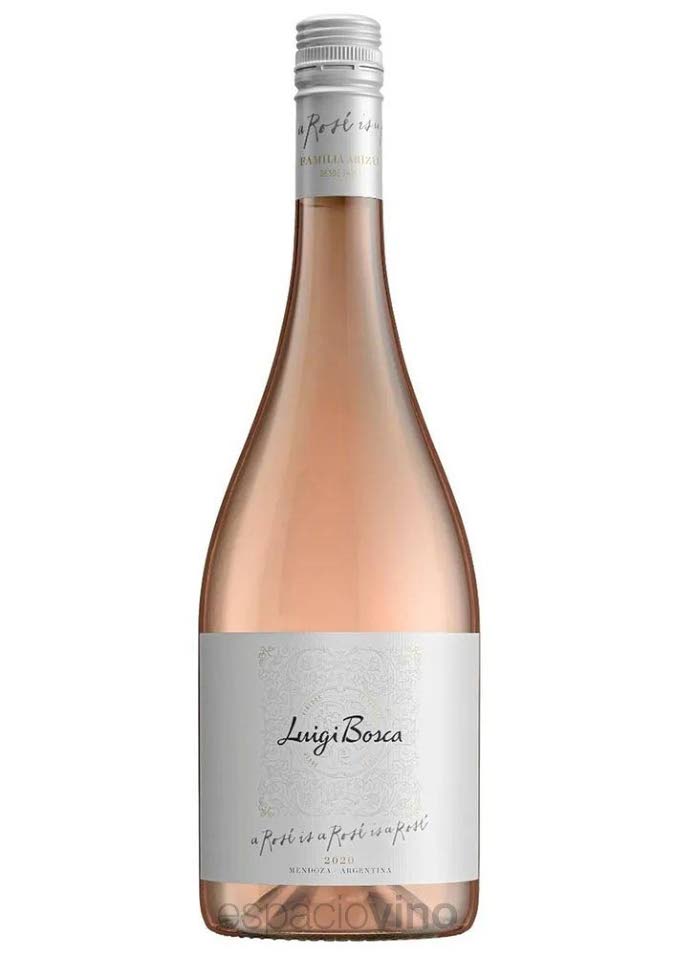
Luigi Bosca Rosé is a blend of Pinot Gris and Syrah expressing red fruit and mineral notes that make it well-suited to gastronomic contexts. (Photo by Bodega Luigi Bosca)
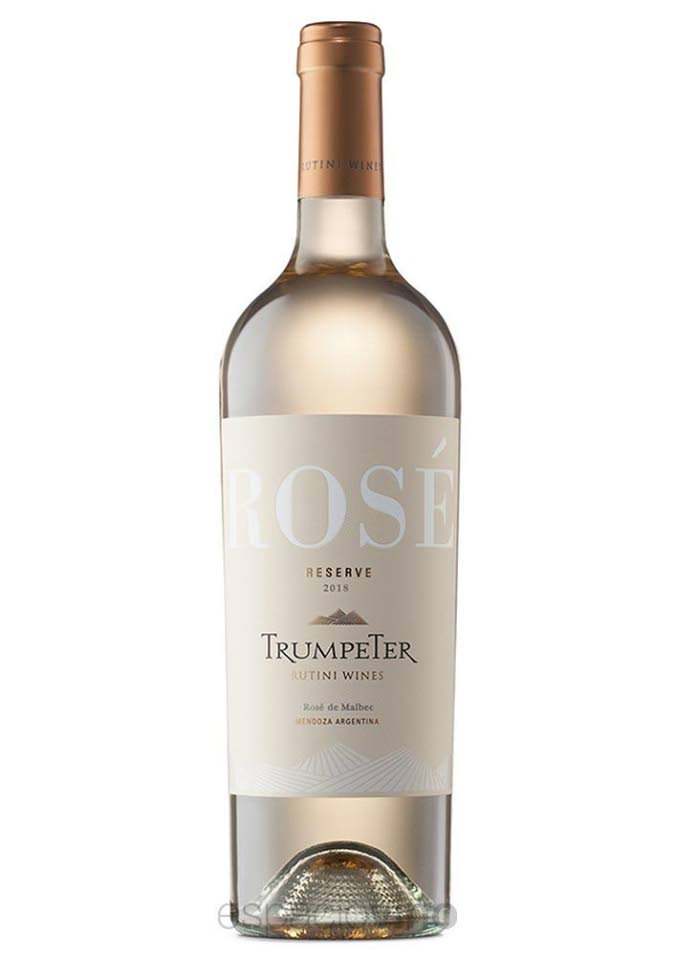
Rutini Trumpeter Rosé de Malbec is a rosé made from 100 per cent Malbec that offers more intense fruit & coral-tinged colour with balanced acidity and complexity. (Photo by Rutini WInes)
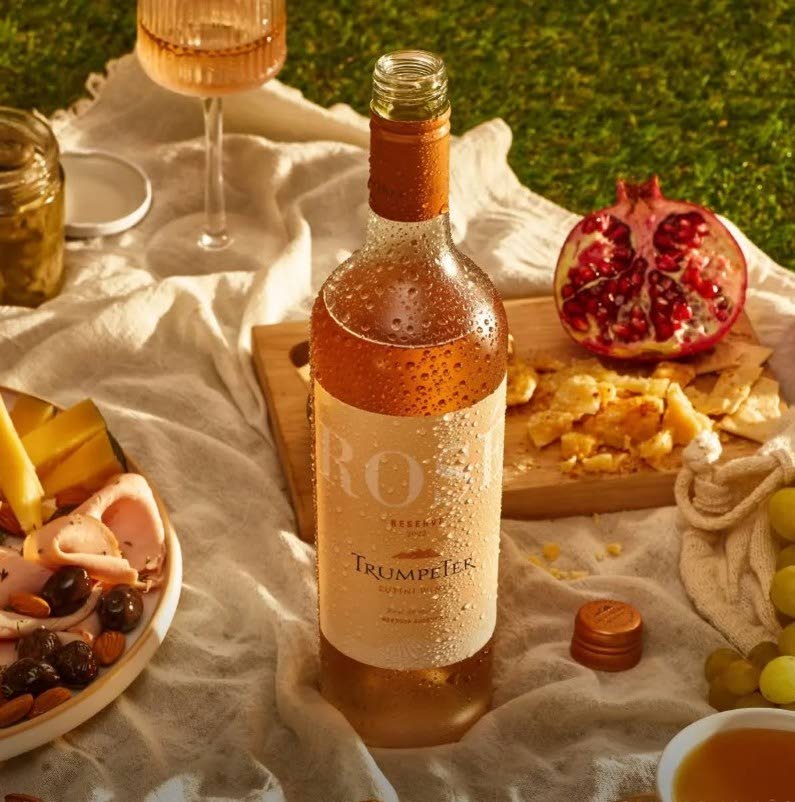
Rutini Trumpeter Rosé de Malbec, which pairs well with light dishes typical of warmer weather, is pictured with three hummus options, beetroot, chickpea and roasted red pepper. (Photo by Rutini Wines)
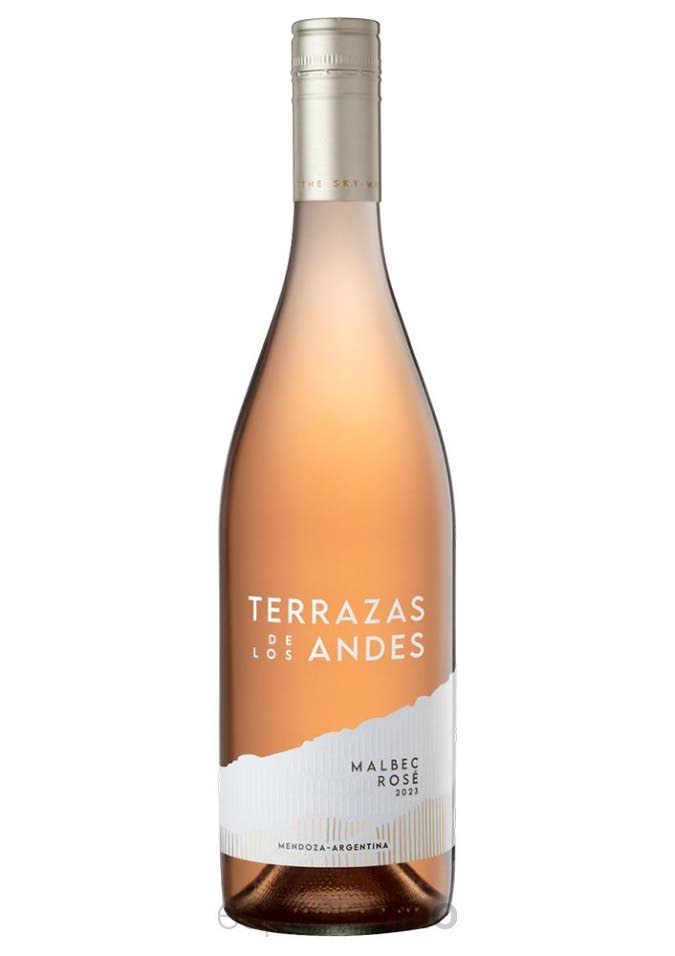
Terrazas de los Andes Malbec Rosé, a 100 per cent Malbec rosé, is expressive & more serious than standard pale styles, indicative of premium Argentine efforts. (Photo by Terrazas De Los Andes)

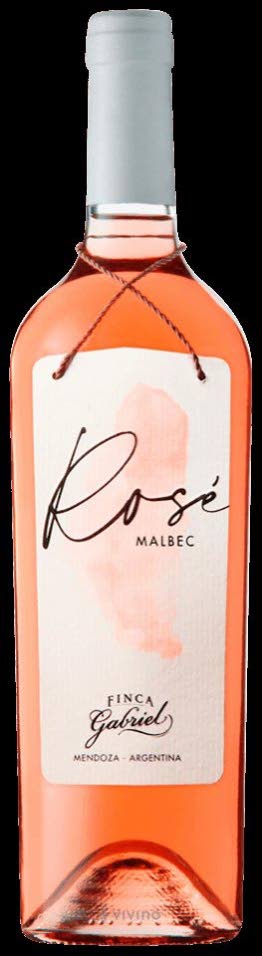
Finca Gabriel Rosé Malbec is a 100 per cent Malbec rosé with sufficient body and fruit expression that can work well with fuller dishes. (Photo by Bodega Jorge Rubio)


