



The Chicken Supply Crunch: Causes and Risks
Across Jamaica, consumers, restaurateurs, and retailers are feeling the pinch as chicken — a staple protein for households nationwide — becomes increasingly scarce and expensive. Reports of limited availability have surged in recent weeks, particularly in the Corporate Area, leaving many wondering how long the shortage will last and what measures the Government will take to protect food security.
For many Jamaicans, chicken is a primary source of affordable protein, often forming the centrepiece of daily meals. Its absence from shelves, therefore, has wide-reaching implications for households, restaurants, and the broader food industry. The situation has sparked conversations among policymakers, industry stakeholders, and consumers alike about both short-term solutions and long-term resilience strategies.
Current Situation: What Consumers Are Experiencing
According to recent reports, several wholesalers and retail outlets in the Corporate Area have reported reduced stock of chicken meat and parts, including whole birds, mixed chicken parts, and chicken wings. Some stores have resorted to rationing, limiting purchases per customer to ensure wider distribution.
Retailers cite inconsistent deliveries from suppliers and an overall shortfall in production as primary causes. Price increases have also been reported, reflecting not only supply constraints but also the cost of inputs and production disruptions caused by previous natural disasters.
For consumers, the shortage is tangible: Families are facing higher grocery bills, and restaurants are being forced to adjust menus or source alternatives to meet customer demand. The scarcity also affects secondary industries, including small food processors, fast-food outlets, and local eateries that rely heavily on chicken products for affordable protein offerings.
What’s Driving the Shortage?
The chicken supply disruption in Jamaica can be traced primarily to livestock losses and infrastructure damage caused by hurricanes and severe storms over the past two years. Hurricanes like Beryl and Melissa impacted poultry farms, killing large numbers of birds and damaging farm infrastructure, including coops, feed storage, and water systems.
Small-scale poultry farmers, who account for a significant proportion of domestic production, have struggled to replenish their flocks quickly. Broiler chicken production — birds raised specifically for meat — takes roughly six to eight weeks to reach market weight, meaning that even as farms rebuild, supply cannot return instantaneously. Other contributing factors include feed shortages, rising input costs, and limited availability of day-old chicks, which further slow recovery of production capacity.
Government Response
Agriculture Minister Floyd Green has acknowledged the seriousness of the chicken shortage and emphasised the Government’s commitment to stabilising poultry supply. The ministry is working closely with producers, wholesalers, and distributors to ensure available supplies reach consumers and help minimise price spikes. Green has outlined strategic measures, including supporting farmers with access to feed, chicks, and veterinary services to accelerate flock recovery, coordinating with distributors to optimise supply chains, and considering temporary imports to fill gaps where local production cannot meet demand. While importing chicken could provide immediate relief, authorities caution that imported poultry carries biosecurity risks, particularly the potential introduction of avian influenza. Veterinary officials continue to enforce strict import regulations, but imported meat must be carefully monitored to protect domestic flocks.
Importation vs Domestic Production
Importing chicken provides a short-term solution to meet immediate consumer demand. However, the approach comes with several risks:
• Biosecurity threats: Introducing poultry from countries with active avian influenza outbreaks could endanger Jamaica’s domestic flocks.
• Supply chain dependency: Over-reliance on imports may weaken incentives to restore domestic production and resilience.
• Price volatility: International market fluctuations, shipping costs, and tariffs could make imported chicken more expensive than locally produced meat.
Conversely, not importing and relying solely on domestic production could prolong shortages, drive prices higher, and potentially exacerbate food insecurity. For many households that depend on affordable chicken as their main protein source, this could mean less nutritious diets and higher living costs.
The Ministry of Agriculture has stated its intention to strike a balance, encouraging both local production recovery and strategic importation to maintain availability while protecting public health.
How Consumers Can Navigate the Shortage
While authorities and producers work to resolve the chicken supply challenges, consumers can take proactive steps to manage the impact. Diversifying protein sources by incorporating fish, eggs, legumes, and plant-based options into daily meals can help reduce reliance on chicken. Planning meals around available stock, buying in bulk when chicken is available and freezing it safely, and supporting local producers by purchasing from domestic farmers can all strengthen the local supply chain. Additionally, monitoring prices, comparing retailers, taking advantage of specials, and considering cooperative buying can help households maintain access to affordable protein during this period of limited availability.
Building Resilience in the Poultry Sector
The chicken shortage underscores broader challenges to Jamaica’s agricultural resilience. Extreme weather events, rising input costs, and the threat of diseases highlight the need for improved disaster preparedness on farms, access to quality feed and veterinary care, and strategic planning that balances domestic production with regulated importation. Government initiatives, combined with private sector recovery efforts, are expected to gradually restore supply; however, consumers and retailers should anticipate intermittent shortages and higher prices in the coming weeks. The Ministry of Agriculture’s approach — supporting local production while using targeted imports — aims to stabilise the market without compromising biosecurity or long-term sustainability.
Conclusion
The chicken shortage in Jamaica is more than an inconvenience; it is a test of the country’s food security, production capacity, and policy foresight. While short-term measures like imports may relieve pressure, long-term resilience will depend on rebuilding local production, safeguarding biosecurity, and supporting farmers.
For consumers, awareness, planning, and diversification of protein sources are essential steps to navigate this challenging period. As Green has emphasised, the solution lies in a coordinated effort between Government, producers, and the public, ensuring that Jamaica’s staple foods remain accessible, affordable, and safe for all.
________________________________________
About the Author
Allison Richards is a food safety communicator, certified trainer and the founder of The Food Safety Girl, a consumer awareness platform promoting food safety in Jamaica and the Caribbean. She is the Caribbean Chapter Director for Women in Food Safety (WIFS) and host of The Big Bite Food Safety Show. With over 14 years of experience in food safety regulation, she is committed to public education and consumer empowerment. Through public education initiatives, including free community webinars, she continues to create space for learning, dialogue, and practical food safety awareness.
Allison Richards thefoodsafetygirlja@gmail.com
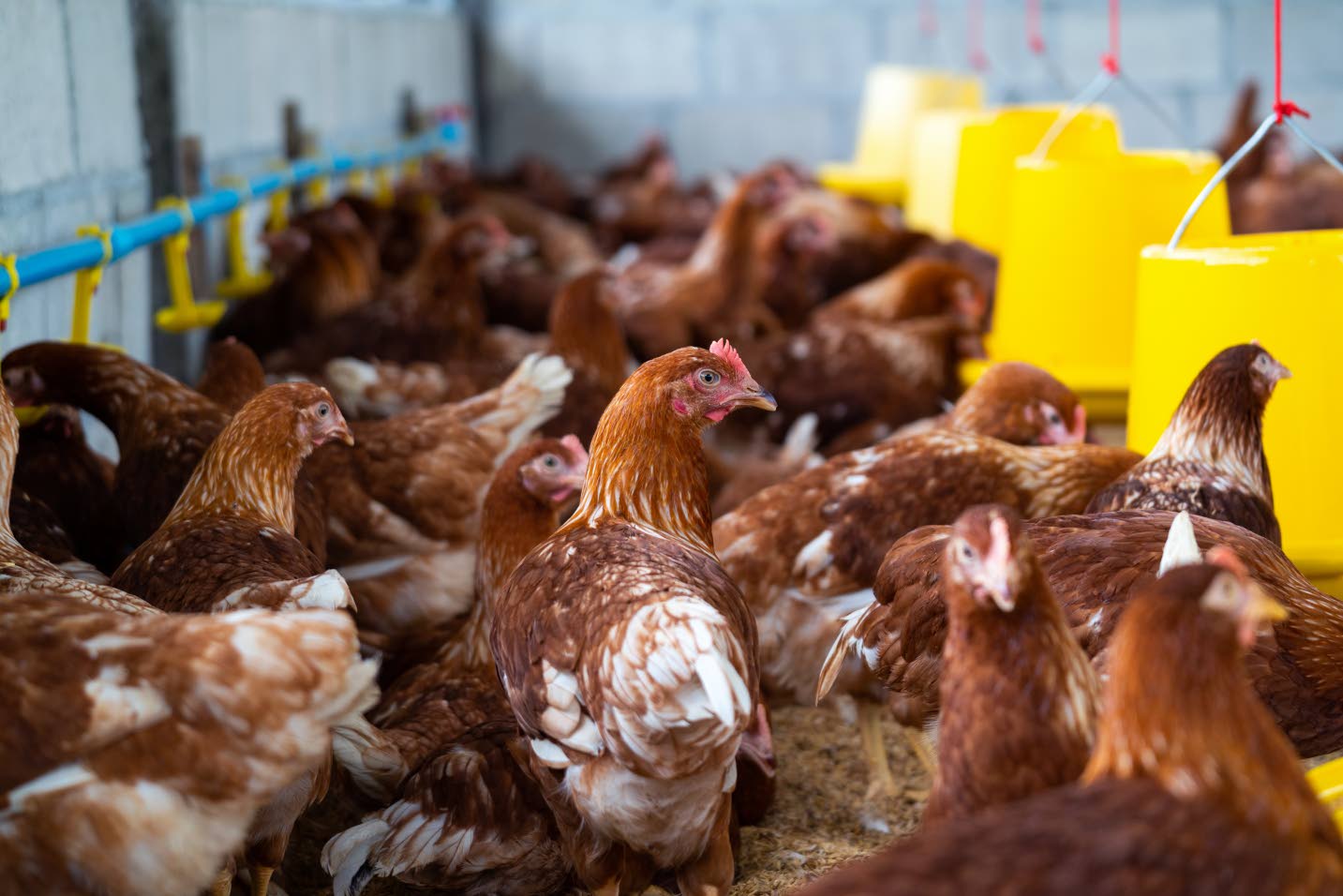
Whilst importing chicken offers a temporary fix for immediate demand, it introduces significant risks — notably biosecurity threats such as avian influenza, an increased reliance on foreign supply chains, and heightened price volatility. (Photo: Guitar_Tawatchai)

Diversifying protein sources by incorporating alternatives such as fish can significantly reduce the over-reliance on chicken in daily diets. (Photo: Timolina)


