



Anju’s post-Melissa agenda
JAMAICA Labour Party Leader (JLP) and Prime Minister Dr Andrew Michael Holness, popularly known as Anju or Brogad, is reputedly an excellent chess player. Perhaps it is in this context that the more discerning among us should examine some of his recent moves in the wake of the devastating effects of Hurricane Melissa that have had adverse impact on the economy, people’s lives, and the threats posed to the highly touted Vision 2030, which is just around the corner.
Against this backdrop, he should not become overly distracted by some of his devoted followers who are chanting “fourth-term loading” because if this by itself becomes his fixation for the next five years or so, then things could fall apart and the centre will not hold.
There is no question that Anju is a very crafty politician who continues to outsmart the Opposition People’s National Party (PNP), which has failed, so far, to market its President Mark Golding to the uncommitted voters. This, from a strategic standpoint, is the only way that Norman Manley’s party can regain State power.
The last general election clearly showed, in my opinion, that the JLP outspent, outmanoeuvred, and outsmarted the Comrades and will continue to do so until the orange team can come up with a specific and strategic plan of action to go after the uncommitted in the populace, chief among whom are the Gen Zers, comprising of people born between 1997 and 2012. These youngsters, who are also known as the digital native generation, have grown up with smart phones, social media, and constant Internet connectivity. And, according to an online source, “They are characterised by their pragmatism, focus on diversity and authenticity, and a strong sense of social responsibility.”
Anju’s deft move, for example, of placing senators Marlon Morgan and Abka Fitz-Henley in strategic positions, both in the party and Government, will ensure the JLP comes across as more attractive to Gen Zers, many of whom now see the PNP leadership core as “old and tired”.
In the meantime, Anju’s grand design of building back and building better could create a new Jamaica that is moving in the direction of ultimately becoming the Singapore of the West. However, it is obvious that the prime minister, before he can triumphantly say “checkmate” and send the PNP into permanent oblivion by winning a fourth term, must be acutely aware that all is not well in the State of Jamaica. The imminent unveiling of the 2025-26 national budget that may well be fraught with austere measures and increased taxation could lead to social unrest and ultimately economic turmoil which, politically, could prove suicidal, especially if the PNP is able to get its act together.
Against this backdrop, this writer is intrigued by two decisions Anju has taken, which, on the surface, may appear to be merely cosmetic, but to the more discerning among us could suggest the prime minister is deliberately setting out to be proactive and perhaps ultimately setting in motion nuances of a statecraft leaning towards authoritarianism.
The first has to do do with his decision to attach to the Ministry of National Security a ‘peace’ portfolio. At a glance this may seem commendable, especially as he has sought to expand on this vision by announcing that he is envisioning “a decade of peace, marking a strategic shift from merely controlling crime to fostering a peaceful society”. This is indeed a lofty goal and he must be commended for this transformational stance.
However, Anju’s second move on his chessboard is to establish a full-fledged Ministry of Defence. Ostensibly, a Ministry of Defence in any country is usually designed and structured to deal primarily with external threats to its sovereignty and the general welfare of its citizenry. Is Jamaica facing such a threat at this time? Surely it cannot be, as the prime minister has stated that the ministry’s major focus will be the reconstruction work slated to be done in the aftermath of Hurricane Melissa. So what happens to all the other State agencies that may well have similar objectives? Frankly, he needs to come clean on this one, because reconstruction after any major national disaster cannot be the sole reason for having a Ministry of Defence.
Then again, clever chess player that he is, Anju may possibly foresee the need for the militarisation of the Jamaican State or even the creation of a police State if the country becomes embroiled in social upheaval and anarchy, and thus becomes unmanageable. This may sound alarmist, but, geopolitically, all over the world beleaguered leaders have been opting for dictatorial rule in order to ensure their survival. Please reassure us once and for all that this has never been and will never be your intention, Prime Minister.
In this vein, a Cabinet reshuffle, as is being speculated, may help point the country in the direction Anju wants to take it, especially within the context of Jamaica attaining republic status.
In the meantime, the dramatic and sustained reduction in crime, especially murders, plus the many macroeconomic achievements are undoubtedly feathers in the Government’s hat, but we would be foolhardy to think that everything is coming up roses. In western Jamaica, for example — which is historically known to be the breeding ground for flashpoints going as far back as the Sam Sharpe Christmas Rebellion of 1831-1832 and the Frome labour riots in 1938 — there is much suffering. Many hotels have closed and hundreds of workers have been laid off or dismissed, sometimes in a heartless and uncaring way. And despite the hoopla about recovery efforts being successful, there is tremendous displacement and suffering out there. There is also the underbelly of pork barrel politics, whereby “parson christen him pickney first”, which is very much alive and well.
We are not too far away from the long, hot summer as well as the next hurricane season. It is time to cut through the public relations gimmickry and selective philanthropy and deal with people empowerment. Dr Holness continues to attract much support and he has come across as a pragmatic and caring leader, but he must be reminded that the majority of Jamaicans did not vote for him or his party. Indeed, most Jamaicans continue to view the State apparatus as corrupt and self-serving. Anju’s post-Melissa agenda presents a golden opportunity for him to show his true colours and take Jamaica to a level that provides for equity, justice, prosperity, and peace.
In other words, he must embrace a transformational servant leadership approach with a heart and genuine love of his people, all the people.
Lloyd B Smith has been involved in Jamaican media for the past 50 years. He has also served as a People’s National Party Member of Parliament and Deputy Speaker of the House of Representatives. He hails from western Jamaica where he is popularly known as the Governor. Send comments to the Jamaica Observer or lbsmith4@gmail.com.

Lloyd B Smith
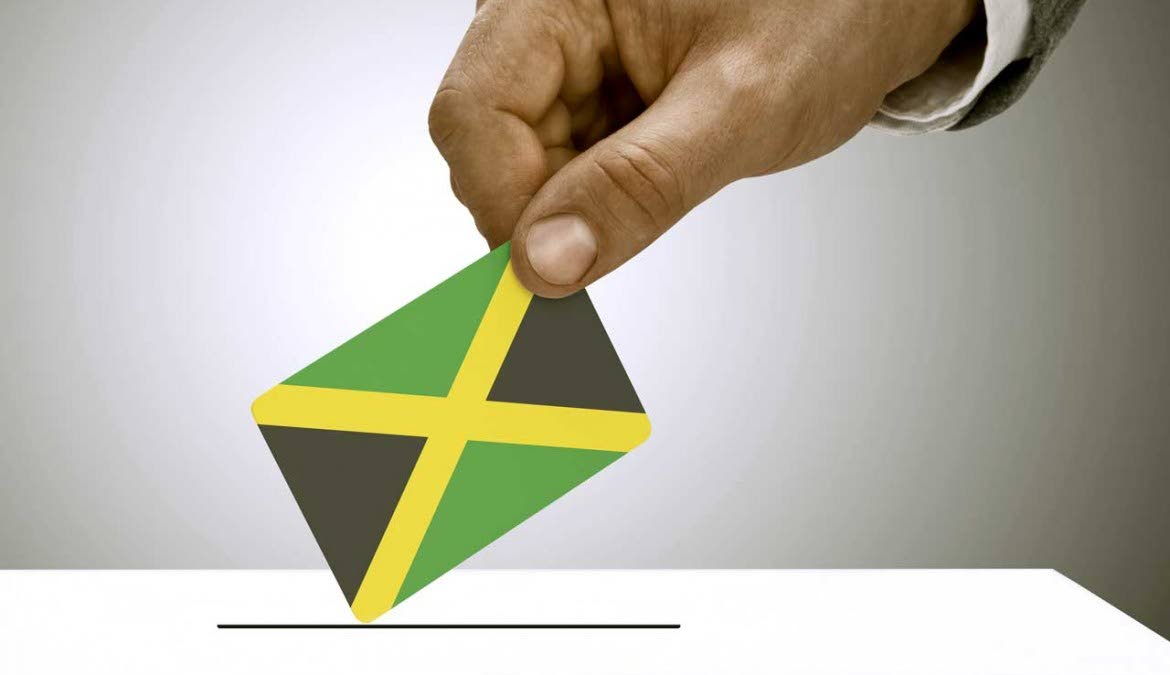
Jamaica recorded a 39 per cent voter turnout in the September 2025 General Election.
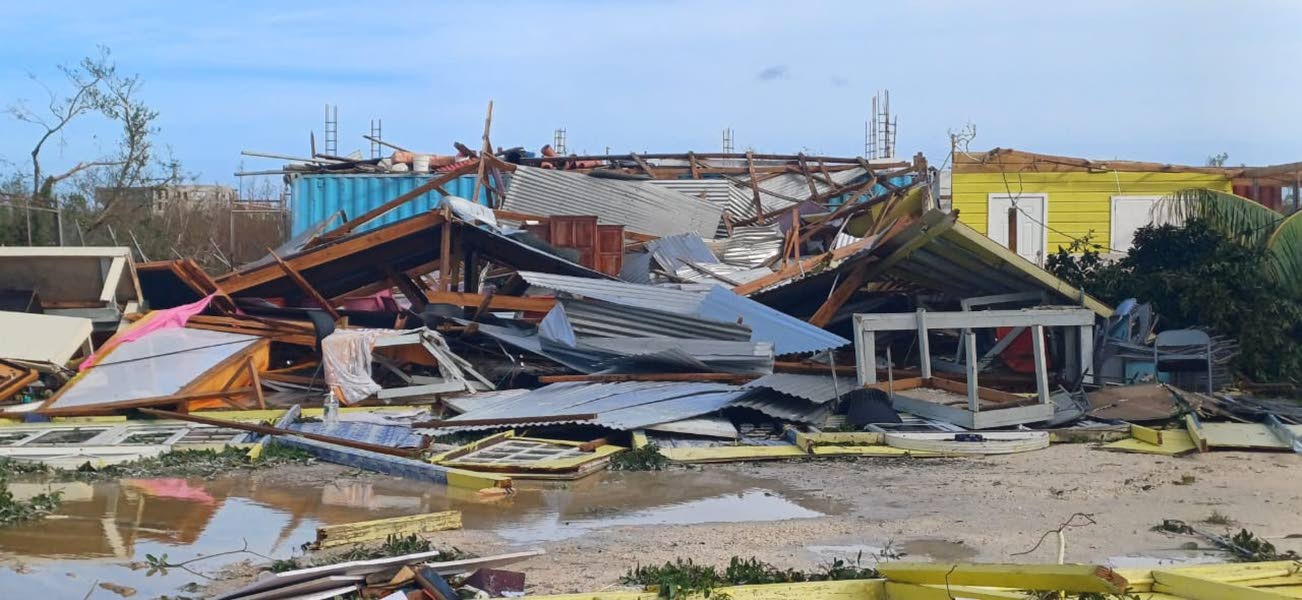
Western Jamaica was devastated by Hurricane Melissa.


