



Less opportunities for jockeys, trainers, grooms, owners
It must be of some concern that the opportunities for jockeys have been reduced over the last five years, and the same can be said for trainers and grooms.
Also of concern is the fact that owners are expending a lot more to keep a smaller horse population in training. The demand for a purse increase is still an ongoing discussion, and I cannot confirm the status of the negotiations.
In 2021, the 87 race days had 845 races, and in 2022, with 88 programmes, had 856. Then in 2023, the 84 race days had 802, followed by 755 races in the 80 meetings of 2024 and 754 races in the 79 days of 2025.
These figures demonstrate two things. First, there is a reduction of around 100 races over the period under review. Second, the average field size was less than 10 runners per race. There are 79 race meets scheduled in the 2026 calendar. It is unlikely there will be an increase in either race or field size. This is three years after the understandable COVID-19 challenge.
The principals of the Thoroughbred Owners & Breeders Association and the United Racehorse Trainers Association of Jamaica are blissfully unaware that with the horse population divided into 19 categories, instead of the seven, which the breed produces, is a recipe for smaller fields. This, with nearly 50 per cent presenting odds-on favourites with an estimated negative 20 per cent impact on sales, as well as leaving many capable horses with fewer than the maximum opportunities.
In terms of jockeys, the Caymanas colony is currently well served. Two-time champion Raddesh Roman (2024-25) shares the spotlight with five former champions. They have been competing for the diminishing spoils since last November. Several Jamaica Racing Commission Riding School 2024 graduates have also made a huge impression in their first full year of riding in 2025.
No knowledgeable fan can deny that the following apprentices, with the number of races won in 2025 shown in parentheses, meet the criteria for being deemed promising: Demar Williams (44), Richie Shakes (39), and Tajay Suckoo (19), made it into the 2025 top 10 in fourth, sixth, and 10th places, respectively. Emelio McLean (15), Shaheem Gordon (13), Eric Haughton (08), Evertte Clunis (07), and with Jaheim Anderson on seven already this year, the owners and trainers are spoilt for choice.
Let’s take a look now at the active past champions available. Shane Ellis (2000 & 2015), Omar Walker (2007-10 & 16-17), Dick Cardenas (2011), Dane Nelson (2012-14 & 20), Anthony Thomas (2018-20 & 21), Christopher Mamdeen (2019), Dane Dawkins (2022), and Reyan Lewis 2023 have ridden here over the last four months, with Nelson and Cardenas returning to the North American circuit and Thomas slated to return.
Here now is the challenge for all riders outside the top 15 and beyond that. In the 754 races, at an average of 9.04 per cent runners per race in 2025, Roman had 426 mounts, Williams 341, Dawkins 291, Shakes 286, Ellis 232, and Cardenas 220. It has to be said that less than 20 per cent of the colony enjoyed a fair standard of living from commission returns in 2025.
This has been the typical annual pattern over five years under review, and in 2024, Roman secured 501 mounts and won his first title with 133 winners. Notably, this was only one more than that of Tevin Foster, who had 562 opportunities. Over 80 jockeys rode in 2024, and to underscore the point of the scarcity experienced by most, Robert Halledeen and Phillip Parchment accounted for over 800 rides between them in the last two seasons.
Based on the trajectory of the horse population, the number of races will not be increased to any significant degree in the foreseeable future. In my next column, I will endeavour to present an analysis of how the trainers and grooms have fared.
The owners take a lot of credit for their continued love and dedication in a scenario of diminishing returns. There is an obvious solution to the handicap system that can co-exist with claiming, but it has been rejected outright for 33 years by the stakeholders.
Not surprisingly, although advised from 2024, there is no acknowledgement that the US Jockey Club has taken steps to adjust its claiming system model by classification of the horse population there, effective October 2025.
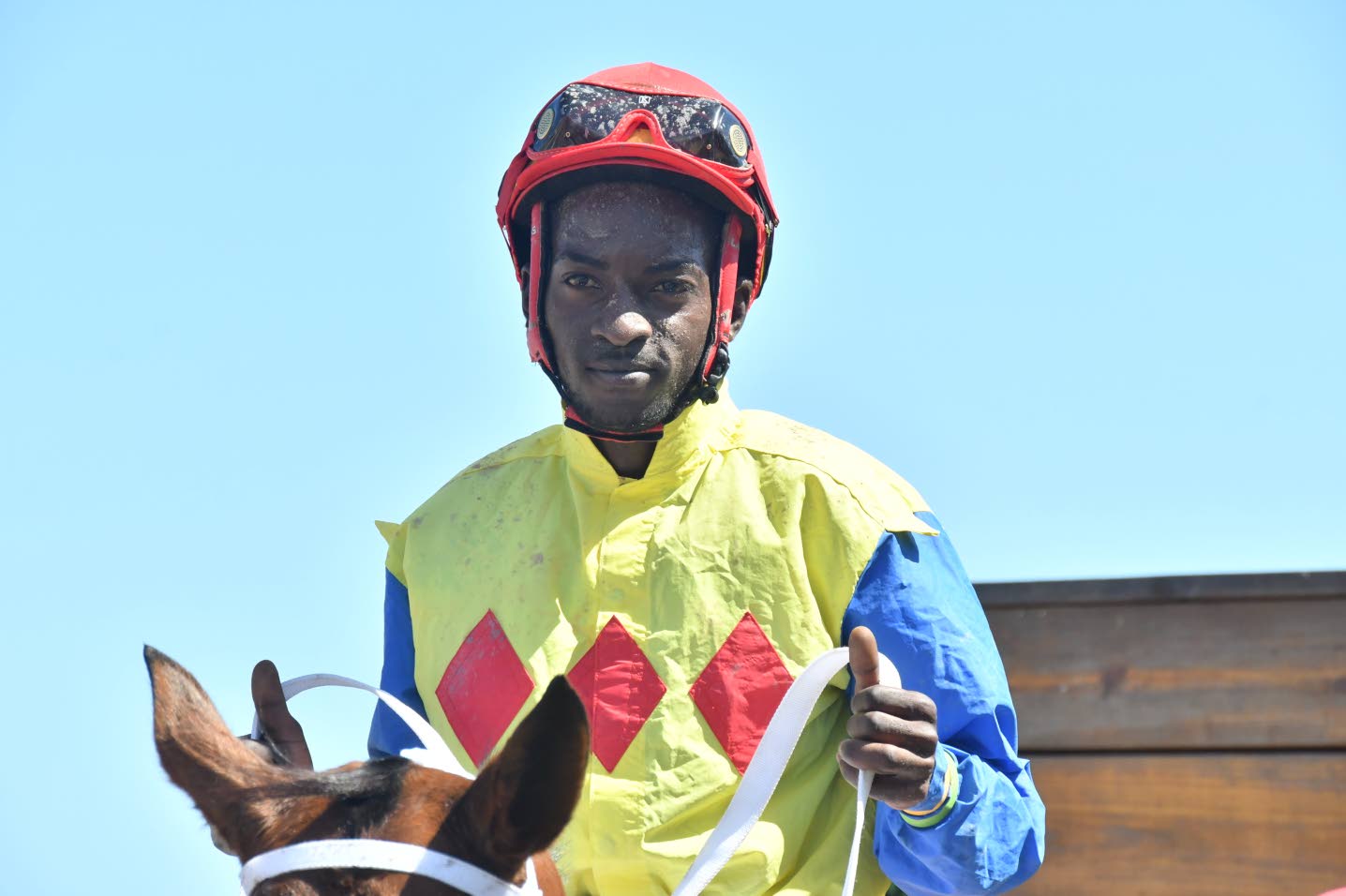
Tajay Suckoo.

Richie Shakes.
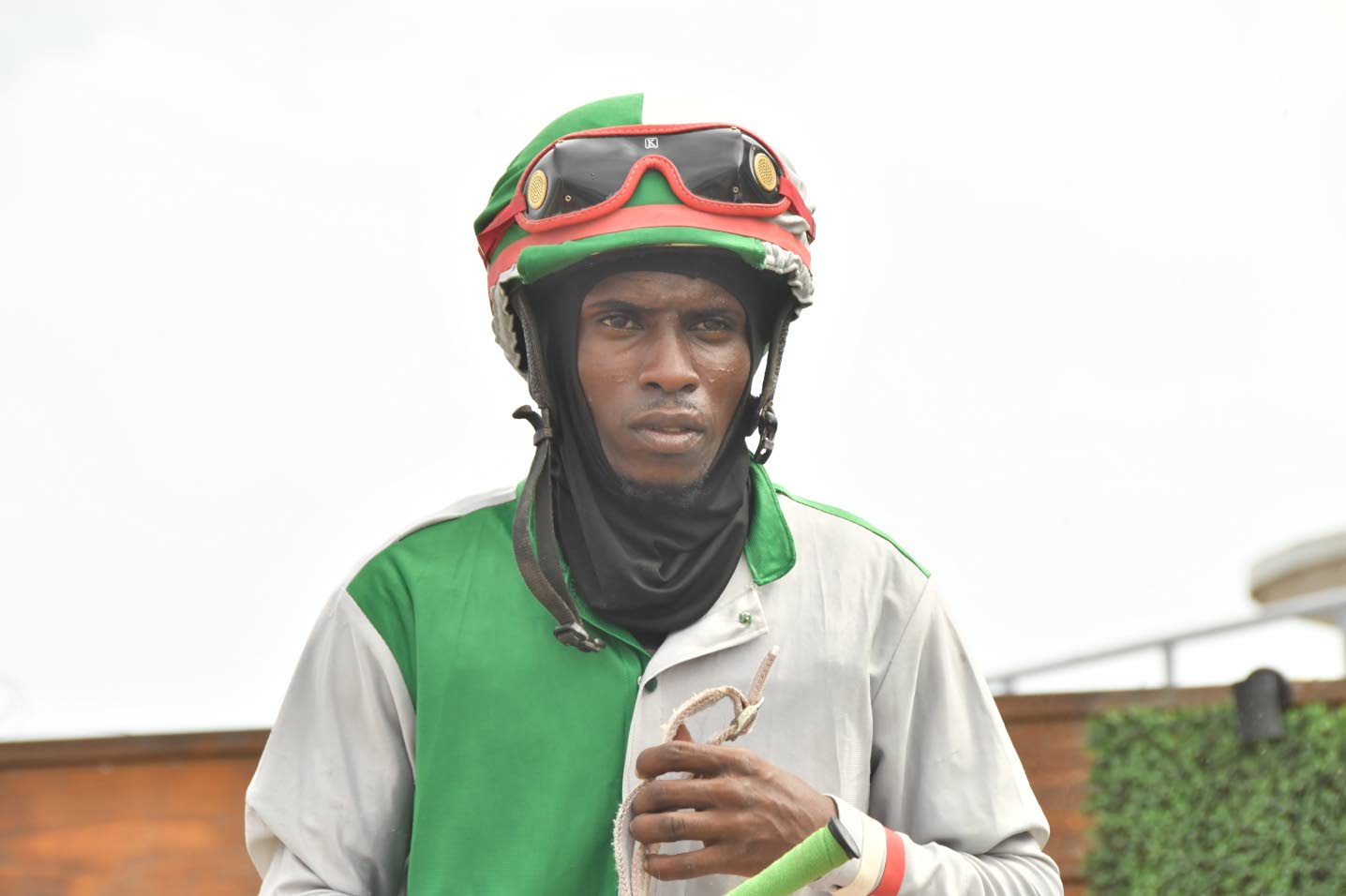
Emelio McLean.


