



Cancer gave my life purpose, says advocate Yvonne Dunkley
FALMOUTH, Trelawny — Sixteen years after being told she had stage three breast cancer and only five years to live, founder of Feed the Fight Breast Cancer Foundation Yvonne Dunkley is at peace with her illness and the impact it has had on her life.
“Cancer came into my life for a purpose. If I did not have cancer, none of you would know me. I would have been on a different path. But God wanted me right here,” she reasoned.
She was speaking Wednesday during the first anniversary of the Trelawny Cancer Support Group at Falmouth Public General Hospital. Founded in 2013, Feed the Fight Breast Cancer Foundation now operates support groups in the United States, Africa, Thailand, and the Caribbean, with a focus on Jamaica — including the Trelawny group.
Dunkley has thrown herself into the role that has been thrust upon her.
“I am not a survivor,” she declared. “I am a striver. I am going to live every day as if I’m dying tomorrow. If I make it, you can make it.”
A St James native now living in the United States, she said her journey is hinged on gratitude.
“When God blesses you with little things and you’re thankful, He will bless you with big things. Don’t wait for the big things before you say thanks,” she urged.
She spoke candidly about the physical and mental toll of a double mastectomy and reconstruction, describing the decision to have her breasts removed as mentally devastating.
“When I took the wrap off on Mother’s Day and saw just my chest bone, I freaked out,” Dunkley admitted.
“As women, we see our identity through our breasts. Mentally, I wasn’t ready,” she added.
She later had the audience laughing as she recounted how newly purchased prosthetic breasts slipped from her blouse at an airport just before her trip to Jamaica.
“Four flights had just come in. I wished there was a hole I could drop into,” she said, eliciting laughter. “We laugh now, but it wasn’t funny then.”
Her tone then became sombre as she reflected on visits to patients at Cornwall Regional Hospital, which her foundation has supported for four years.
“I have walked that road. When I see those patients, I know,” Dunkley said, her voice breaking.
She said the foundation recently purchased 20 chemotherapy needles for patients unable to afford them, underscoring gaps in the health system.
Dunkley also urged screening for both women and men.
“Check your breasts. Do your annual check-ups. Men, go and do your PSA. Don’t wait until there’s a problem,” she appealed.
During Wednesday’s event, regional non-communicable disease coordinator, Western Regional Health Authority (WRHA), Dr Marcia Johnson Campbell described Dunkley “as a mover and a shaker”.
“What she set out to do, she always got done. She found the resources, one way or the other: beg, borrow, out of her own pocket. But she found the resources because there was something that was driving her. She’s also an author, and she has her own story — a story of courage, of resilience, of overcoming challenges, of not giving up; a story of hope. You see that laughter, you see that smile, you don’t know what’s going on down on the inside, but she’s always smiling, always laughing. She does not make nothing bother her anymore,” Dr Johnson Campbell said.
Dr Latrecia Blake, parish coordinator at the Trelawny Health Department, explained that since 2023 the Ministry of Health & Wellness has been encouraging the formation of cancer support groups to help ease the burden of non-communicable diseases. While primary care focuses on screening and early detection, she noted that support groups are vital in improving the quality of life for people diagnosed with cancer, providing emotional, financial, and spiritual support, and encouraged members to reach out to others who may benefit.
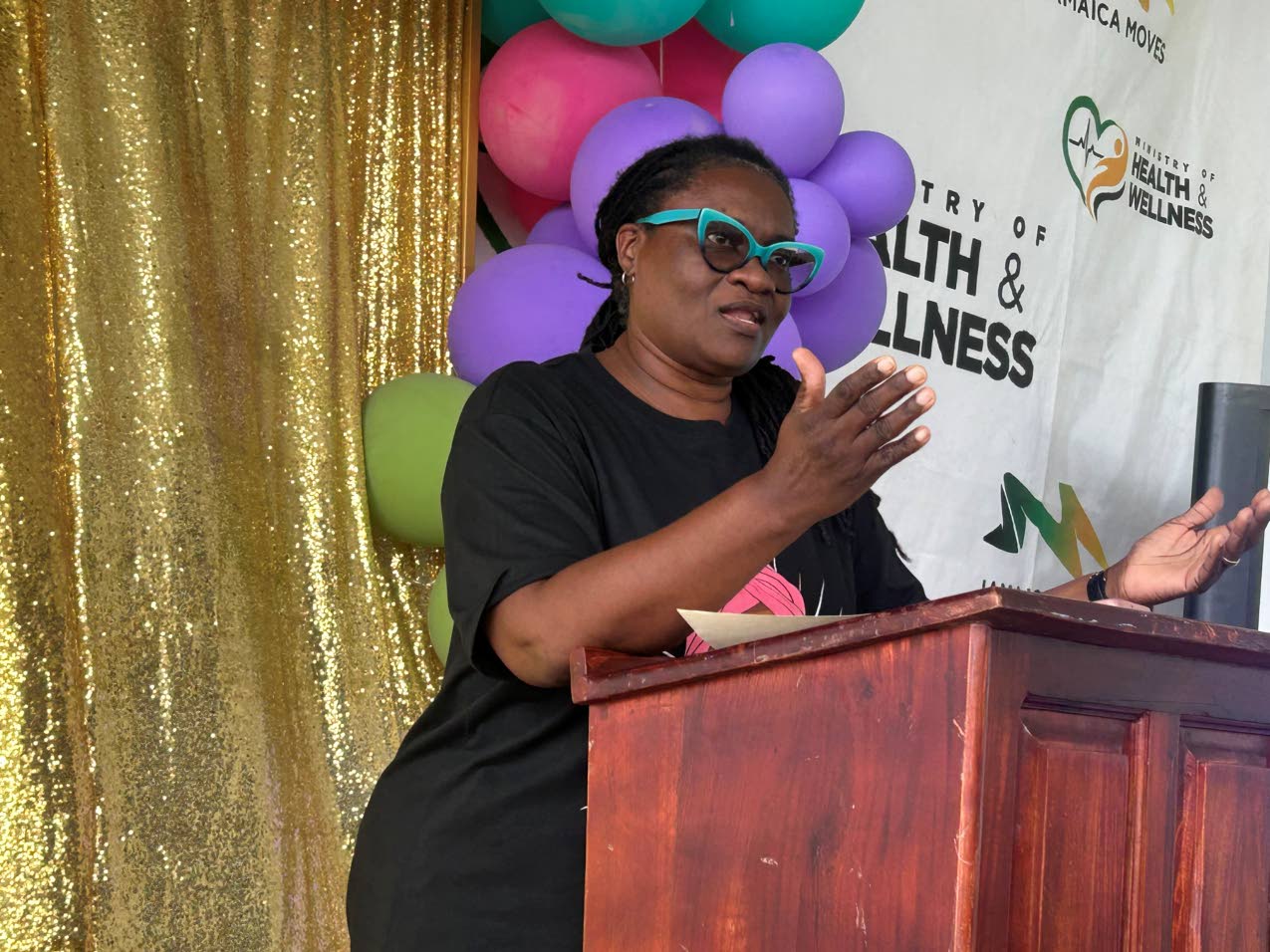
Regional non-communicable disease coordinator at Western Regional Health Authority (WRHA) Dr Marcia Johnson Campbell speaking, Wednesday, during the first anniversary of the Trelawny Cancer Support Group at Falmouth Public General Hospital. (Photo: Horace Hines)
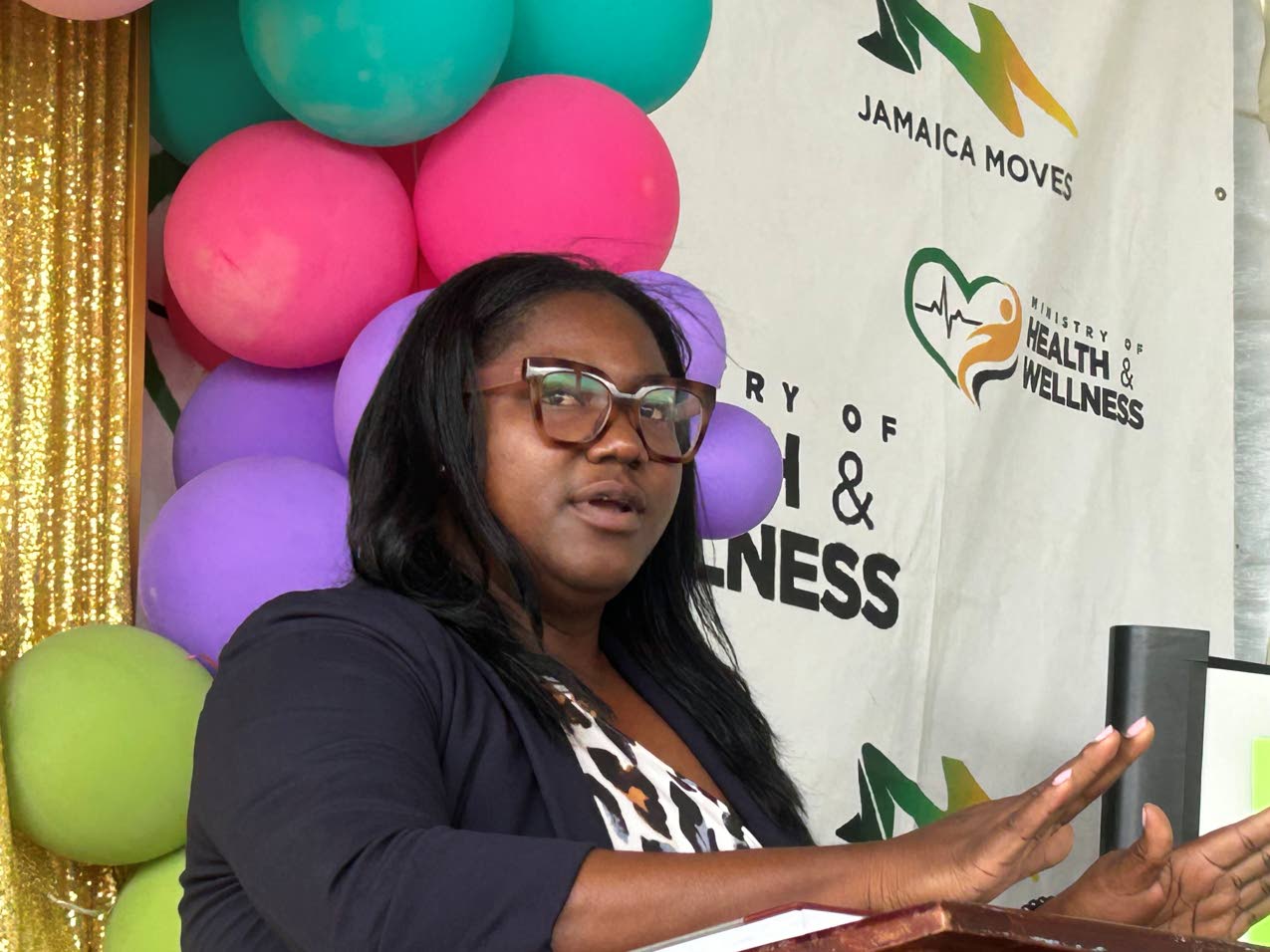
Dr Latrecia Blake, parish coordinator at the Trelawny Health Department, speaking, Wednesday, during the first anniversary of the Trelawny Cancer Support Group at Falmouth Public General Hospital. (Photo: Horace Hines)


