



Cop denies informant deal allegation in anti-gang trial
A detective inspector of police who helped foil a suspected planned heist or attack at the Cross Roads Post Office in St Andrew in September 2018 has rejected suggestions by the defence in the ongoing trial of reputed Klansman gang boss Tesha Miller and 24 others that he brokered a deal with one of the four men arrested in that operation, who then became an informant.
According to defence attorney Paul Gentles, the man, “a self-proclaimed notorious criminal…who, prior to that operation, was a suspect in several police investigations ranging from simple larceny to murder”, is actually one of the two star witnesses being depended on by the Crown.
The prosecution, after the arraignment of the 25 accused on February 4, indicated that its two star witnesses — ex-gangsters who have already pleaded guilty to varying offences, including murder, and are currently serving prison sentences — will be the linchpin of its case against all the accused.
Neither of the two has yet taken the stand and their identities have also been withheld. The defence has, however, been chiding the Crown for not yet rolling out those two witnesses.
The detective inspector, the Crown’s 11th witness on Wednesday, testified that he led the planned operation on September 26, 2018 as the then sub-officer in charge of the Special Operations Division of the now-defunct Counter-Terrorism and Organised Crime Investigation Branch (C-TOC).
He went on to describe how he and 14 other cops thwarted what intelligence suggested would have been a heist or an attack at the post office.
The lawman’s evidence goes to count 13 of the indictment brought by the Crown, which charges Miller for “knowingly giving instructions to a criminal organisation contrary to Section 7 (1) (b) of the Criminal Justice (Suppression of Criminal Organisations) Act” — commonly called the anti-gang law.
According to the Crown, Miller, “on a day unknown between September 1, 2018 and September 26, 2018 in the parish of Kingston, knowingly gave instruction to a criminal organisation in furtherance of its involvement in criminal activity to wit: the robbery at Cross Roads”. The following count of the indictment charges Miller and fellow accused Michael Wildman with “facilitating the commission of a serious offence by a criminal organisation”, contrary to Section 6 (1) (b) of the Criminal Justice (Suppression of Criminal Organisations) Act.
According to the cop, while staking out the area, he saw a man who was previously profiled by the police in relation to robberies walking in his direction. He said things went rapidly downhill after that man, who was one of three who were in the vicinity apparently waiting to strike, recognised him.
The cop told the court that in a matter of minutes the three men were intercepted and taken to C-TOC’s base for further questioning.
He said due to “utterances” they made while at the scene, a fourth individual, the driver of a mail van for the post office, was also taken into custody by cops.
The senior policeman said the men were all interviewed, profiled, and fingerprinted and, based on the information given by the men, he instructed that statements be recorded from them before they were released without being charged.
“We had no evidence to prove or disprove their involvement in the matter, but based on the utterances made by them, I chose to record for intelligence purposes,” he said.
Thursday, Gentles, in cross-examining the cop, suggested that there was something underhanded about the decision to have one of the men travel with a policeman to C-TOC’s base in the vehicle of the senior cop now on the stand.
“To your knowledge, are you aware that [name withheld] may be a star witness for the Crown? Prior to this operation, did you know that this star witness for the Crown, who may be coming, was a self-proclaimed notorious criminal? Are you aware that, that man, prior to the operation, was a suspect in several police investigations ranging from simple larceny to murder? And this notorious criminal, who may at this point be a star witness for the Crown, you had informal conversation before you arrived at C-TOC?” Gentles questioned.
“I don’t know if he will be a star witness for the Crown, but I did have a conversation with him en route to CTOC,” the cop said while indicating that he had earlier told the court that he was familiar with the man because he had been on the radar of crime fighters.
Gentles, in asking whether the man had been cuffed while being transported, also wanted to know whether the cop had been “armed to the teeth?” to which the cop replied, “I was armed with my service pistol.”
“And your other compatriots?” Gentles pressed. “Service pistols,” the senior cop responded patiently.
“No M16 assault rifles?” Gentles persisted.
“No, the team I was with was operating in a covert capacity,” the cop said.
Following the cop’s indication that he had read over the statements of the men which he had ordered collected, Gentles suggested that these “statements were tantamount to a confession”.
“The three men accounted for why they were in Cross Roads,” the cop explained.
“I am suggesting to you that having heard the confession you never charged them,” the defence attorney countered.
“There was no offence committed,” the cop retorted to Gentles’ sotto voce “but my client is here” jab.
“I am going to suggest that you never charged [the suspect believed to be a Crown witness] because you brokered a deal with him during that informal conversation you had…I am suggesting to you that the deal that was brokered was for him to call names, faces, and aliases of other men associated with crimes in Spanish Town,” Gentles continued.
“I did not charge [him] because he did not commit an offence…I disagree with your suggestion,” the cop patiently replied, going further to point out that there was “no confession” as maintained by Gentles.
Earlier on Thursday morning attorney-at-law John Clarke, who represents Miller, questioned the detective inspector on whether it was “not uncommon for persons to be detained by C-TOC and required to produce a statement as a prize for their release”.
When the cop indicated that he was “not aware of that”, Clarke followed up with, “Have you ever arrested a citizen on suspicion of breaches of the Anti-Gang Act and indicated to that citizen that if they want their freedom, they must produce a statement?”
“No, statements are voluntary,” the lawman responded.
He, however, answered in the affirmative when Clarke then asked whether “fingerprints are only ordered in relation to persons who are reasonably suspected of committing an offence”.
The attorney, several questions later, sought leave of the court to postpone his cross-examination in order to examine additional documents, specifically the file compiled by the sleuth relating to the failed operation and a document showing the fingerprinting records.
The matter will continue on Monday when the senior cop will return to the stand to allow Clarke to complete his cross-examination.
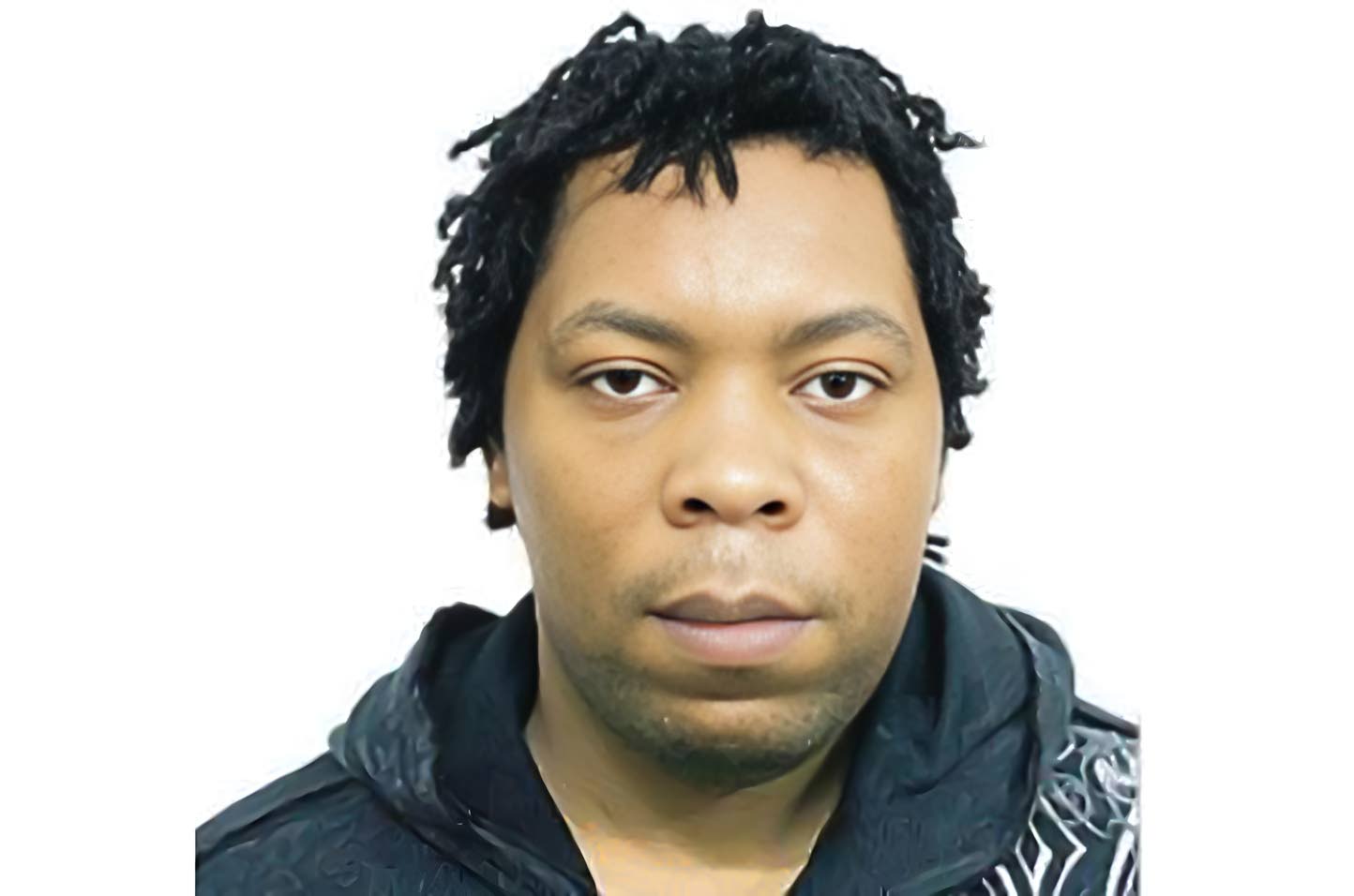
MILLER… reputed Klansman gang boss Tesha Miller


