



Ten years of the JLP: Progress, pitfalls, and the road ahead
Ten years ago the Jamaica Labour Party (JLP) won the general election on February 25, 2016, securing 33 of the 63 seats in the Lower House. The party, led by Prime Minister Dr Andrew Holness, again won the hearts of the Jamaican people on September 3, 2020, despite the novel coronavirus (COVID-19) pandemic, thrashing the People’s National Party (PNP) 49-14. Five years later, the people returned the JLP to Government after a hard-fought battle, giving them a 34-29 victory over the Mark Golding-led PNP. It is widely known that Holness created history: He is the first JLP leader to win and serve three consecutive terms as prime minister.
After a decade in office, Holness and the JLP have left a significant imprint on Jamaica’s political and economic landscape. Ten years is long enough to move beyond campaign rhetoric and measure record against reality. The verdict? A mix of commendable achievements and persistent shortcomings that demand honest reflection.
First, give credit where it is due. The Holness Administration has presided over a period of relative macroeconomic stability. Jamaica’s debt-to-gross domestic product (GDP) ratio, once among the highest in the world, has steadily declined over the past decade. Fiscal discipline, primary budget surpluses, and International Monetary Fund (IMF) programme compliance have strengthened investor confidence and improved Jamaica’s international credit ratings. For a country long burdened by unsustainable debt, this is no small feat thanks to the steady hands of former Finance Minister Dr Nigel Clarke, who played an instrumental role in this achievement, although Hurricane Melissa has created some roadblocks to our progress. But we are resilient and will bounce back.
Infrastructure development has also been a visible hallmark of the JLP’s tenure. Major roadworks under programmes such as Shared Prosperity through Accelerated Improvement (SPARK), expansion of highway networks, and investments in water and housing infrastructure have reshaped parts of the island. Many housing solutions have been delivered under the National Housing Trust and other initiatives, addressing long-standing housing deficits.
Social protection has expanded as well. Programmes targeting vulnerable Jamaicans — Programme of Advancement through Health and Education (PATH) beneficiaries, elderly citizens, pensioners, and small farmers — have received increased allocations. The Government’s response during the COVID-19 pandemic, including the Community Action for Rewarding Engagement (CARE) programme cash transfers and business support, provided short-term relief during an unprecedented global crisis.
In addition, Jamaica has seen notable gains in employment levels. Pre-pandemic unemployment reached historic lows, dipping below 7 per cent at one point. As of October 2025, figures dropped to 3.3 per cent. However, the impact of Hurricane Melissa will change those calculations. Youth employment indicators also showed improvement compared to previous administrations, and business process outsourcing (BPO) growth created several job opportunities, albeit that this sector faces mounting criticisms over working conditions.
Nevertheless, governance is never judged by achievements alone. After a decade the JLP must also confront areas that need strengthening.
Incontestably, crime has significantly decreased, with figures showing that Jamaica is now witnessing some of its best murder rates in 30 years. That is indeed a big deal. However, calls from advocacy and civil society groups remain strong regarding the excessive number of police killings and the absence of body cameras during these operations, even while debate sparks over “blood money” used to finance a certain group. While we celebrate crime reduction, we must bear in mind that deeper social intervention and justice reform are needed to have a more peaceful society.
Cost of living pressures remain another sore point. Inflation spikes, rising food prices, increased utility bills, and the depreciation of purchasing power have strained households. While global shocks such as the pandemic and geopolitical conflicts contributed significantly, many Jamaicans feel economic growth has not translated into tangible relief in their daily lives. On top of that, we will now have to contend with new taxes after 10 years due to the fallout from Hurricane Melissa.
Public sector reform is also incomplete. Bureaucratic inefficiencies, delays in government services, and uneven implementation of policies continue to frustrate citizens. Trust in public institutions requires not just fiscal stability but also consistent administrative responsiveness.
Education reform presents another area requiring renewed focus. While there have been curriculum adjustments and digital initiatives, learning loss post-COVID-19 remains a serious challenge. Teacher shortages, infrastructure disparities between urban and rural schools, and performance gaps must be addressed more aggressively.
Moreover, transparency and accountability concerns persist. Public discourse has periodically been marked by questions regarding procurement processes, communication gaps, and the perception — fair or not — of insufficient consultation on major policy shifts. Democratic governance thrives on transparency, especially after a decade in power.
After 10 years, the JLP can legitimately point to fiscal consolidation, infrastructure expansion, employment gains, and improved macroeconomic credibility as achievements worthy of praise. However, it must also reckon with increased police killings, cost-of-living challenges, public service inefficiencies, and the urgent need for deeper social investment.
The next phase of governance cannot rely solely on economic indicators. It must prioritise human security, social equity, and institutional trust. Fiscal discipline must now translate into visible improvements in health care, education, and community safety.
Ten years in office offers experience and continuity, but it also raises expectations. The Jamaican people deserve a Government that not only stabilises the books but also strengthens the social fabric, making the country the place of choice to live, work, raise families, and do business.
As the country moves forward, the true measure of leadership will not be whether progress has been made, but whether that progress is felt in the daily lives of ordinary Jamaicans.
Oneil Madden
maddenoniel@yahoo.com
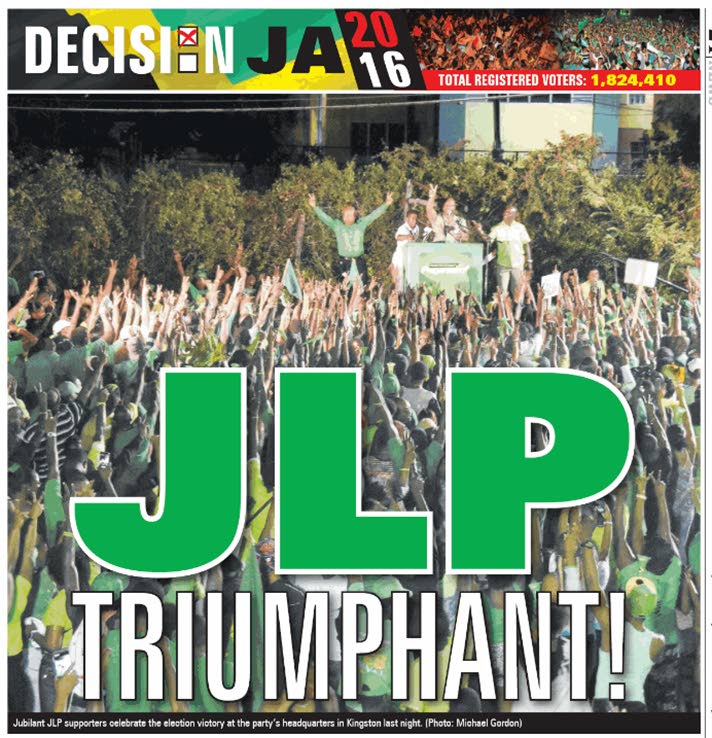
The Jamaica Labour Party has been in power since 2016.

Oneil Madden
Fiscal discipline, primary budget surpluses, and International Monetary Fund (IMF) programme compliance have strengthened investor confidence and improved Jamaica’s international credit ratings.


