



Marley family unveils upgraded Tuff Gong Int’l Studios
The doors of Tuff Gong International Studios reopened in grand style on Thursday night as the legendary facility unveiled its newly upgraded, state-of-the-art space during an exclusive, invite-only relaunch.
Politicians, musicians, recording artistes, and media professionals gathered inside the storied Kingston compound for a first look at the revamped studio, touring the modernised rooms and production suites that the Marley family say are designed not only to honour the legacy of Bob Marley but to serve the wider Jamaican music community.
The evening signalled a new chapter for the iconic studio, positioning it as a creative hub meant to nurture talent across the island rather than exist solely as the home base of one of music’s most famous families.
The mood throughout the compound was relaxed and welcoming as guests mingled freely, sampling plated treats while catching up with familiar faces from across the entertainment and media landscape. Chatter and laughter drifted easily through the space, giving the gathering the feel of a reunion.
DJ Rasarella set the tone with a smooth stream of reggae selections that kept heads nodding. By the time the evening’s host, Empress, took the reins patrons appeared ready to fully immerse themselves in the specially curated musical experience that lay ahead. Still, the emcee took a moment to ground the gathering, offering a brief reminder of why the space they occupied at Tuff Gong International Studios is regarded as something of a musical holy ground — a place steeped in history and deeply rooted in the preservation and evolution of Jamaican sound. She expertly guided patrons through the origins of the historic property, explaining that long before it became Tuff Gong International Studios, the Marcus Garvey Drive compound housed the influential Federal Records.
Established there in 1957 by music entrepreneur Ken Khouri, the facility was revolutionary for its time, operating as one of Jamaica’s first fully integrated music production complexes with recording, mastering, design and vinyl pressing all under one roof. During the early 1960s Federal expanded its reach through franchise relationships with international labels such as Capitol Records, pressing global hits locally while helping to fuel the island’s own growing recording industry.
“I’m not about to preach big, but I have to share this with you,” Lecia Gaye Taylor said. “Years ago before reggae was the global force that it is now, a young Bob Marley walked through these gates and, like many young artistes, he was looking for an opportunity or a ‘buss’, but he was turned away, according to the stories we have been told. Bob, in his quiet confident way, is said to have said, ‘One day I’m going to own that property.’ ”
That prophecy fulfilled in 1981 when Rita Marley purchased the compound and transformed it. The studio has grown into one of the Caribbean’s most important music production hubs, preserving the rare ability for artistes to rehearse, record, master and press vinyl within the same creative space while continuing to serve Jamaican talent and global collaborators alike.
With the formalities and foundation stories concluded, attention turned to the moment many had been waiting for — the unveiling of the upgraded space at Tuff Gong International Studios. But before guests began exploring the newly reimagined facility, there was one symbolic act left. A towering metal plate, fittingly dubbed The Gong was struck in a resonant ceremonial moment led by brother-sister duo, Cedella and Stephen Marley. The gesture served as both a playful nod to the studio’s name and a powerful signal that a new chapter had officially begun.
The tour led patrons into a newly designed artiste lounge, outfitted with large, comfortable couches, ash trays, a table tennis set-up and a miniature table football game, creating a relaxed environment for creatives to unwind between sessions. The room’s décor was elevated by grand light fixtures and oversized framed photographs of Bob Marley alongside several local and international artistes who have recorded at the studio over the years.
From there, guests stepped into the main recording space featuring upgraded lighting and improved acoustics. The experience concluded with a stop at the vinyl pressing area, where patrons were given a first-hand look at the process that transforms recorded music into physical records.
Of course, the evening would not have been complete without live music, and members of the third-generation Marley lineage ensured the night delivered on that front. Yohan Marley and his sister Mystic Marley took the lead, treating the intimate gathering to a selection of reggae favourites drawn from the formidable catalogue of their grandfather, Bob. Their performances were met with warm appreciation from patrons, adding a fitting musical highlight to an evening dedicated to legacy, renewal, and the enduring spirit of Jamaican music.
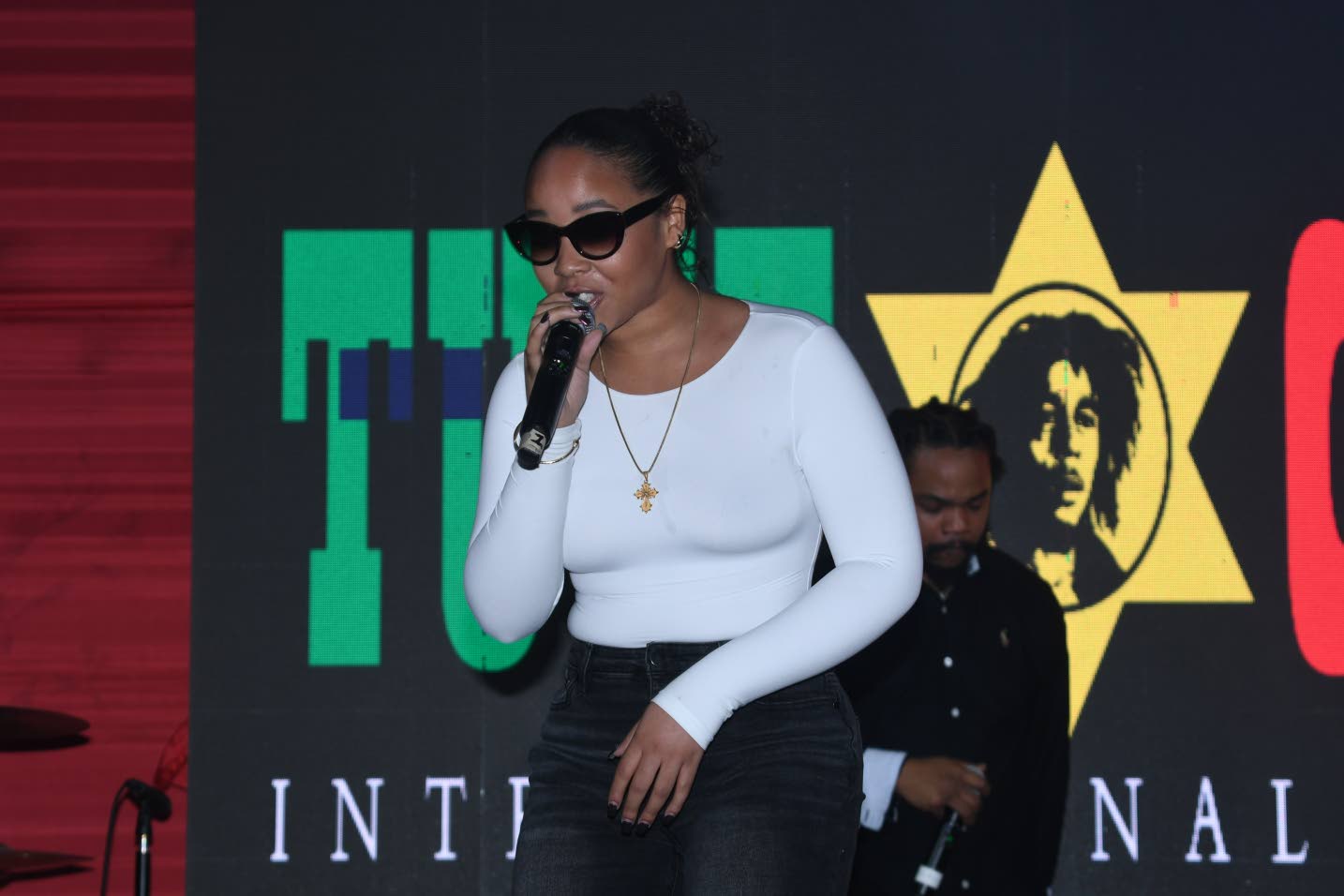
Mystic Marley.
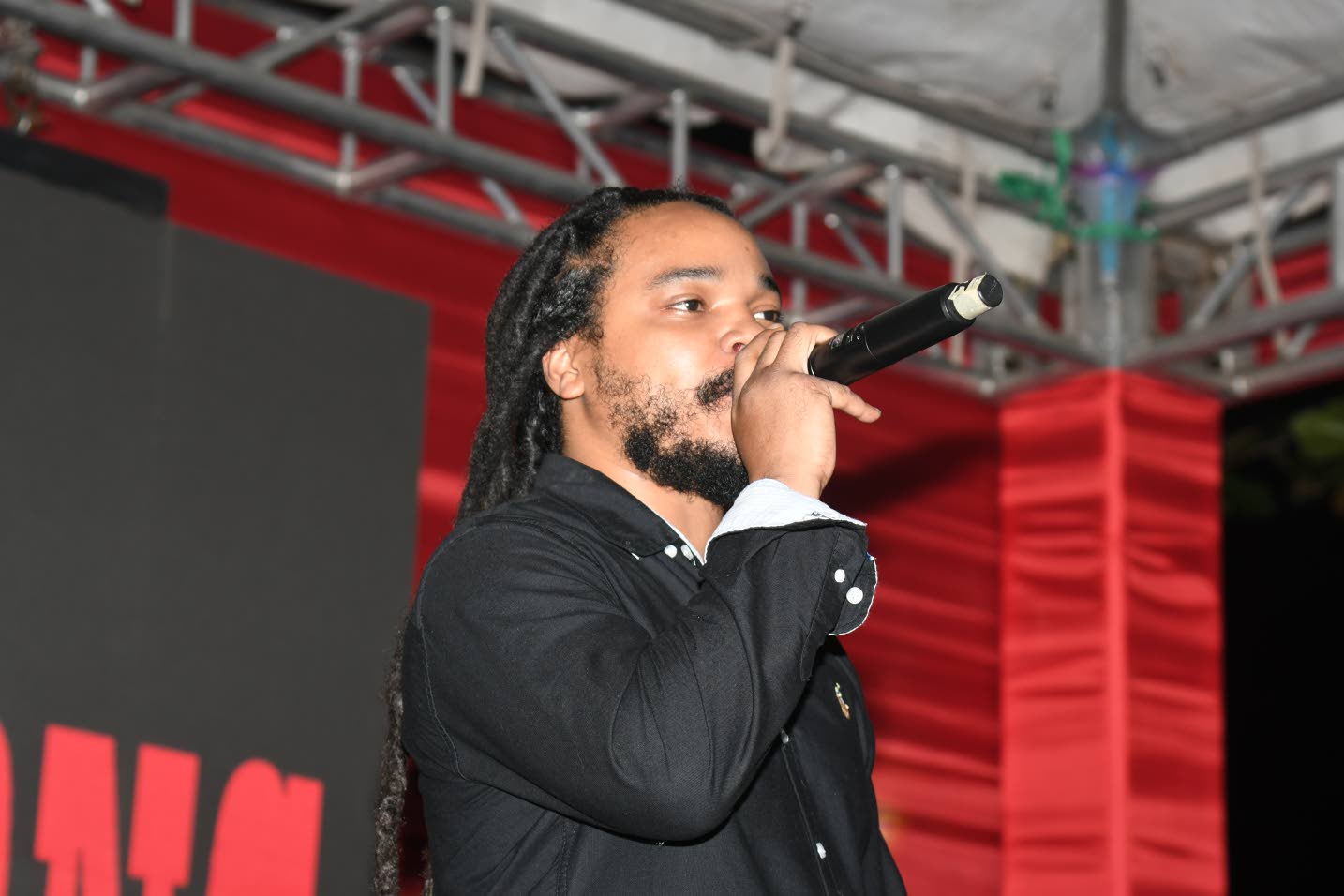
Yohan Marley performs at the relaunch of Tuff Gong International Studios on Thursday.
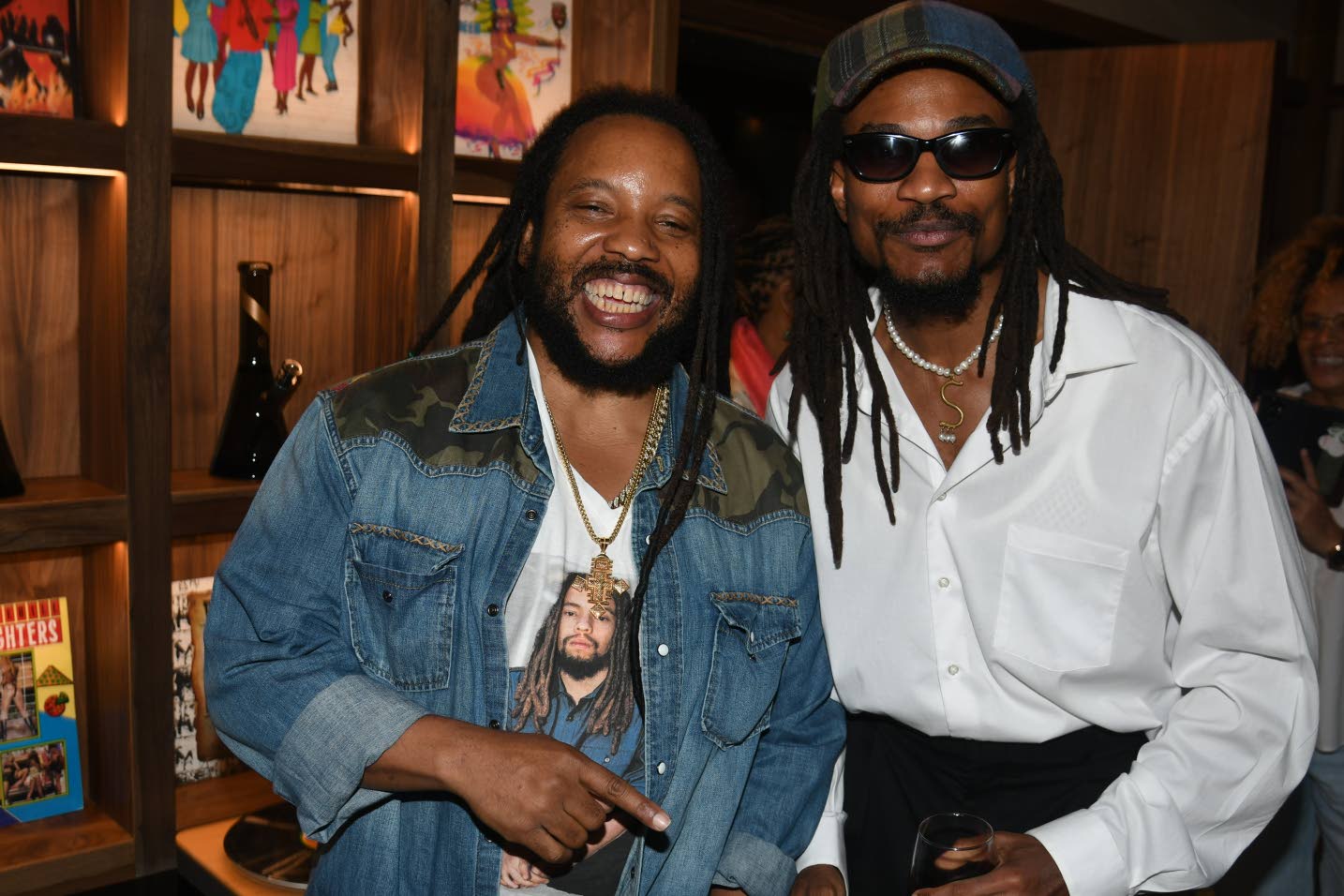
Stephen Marley (left) shares a moment with recording artiste, actor and poet Sheldon Shepherd.
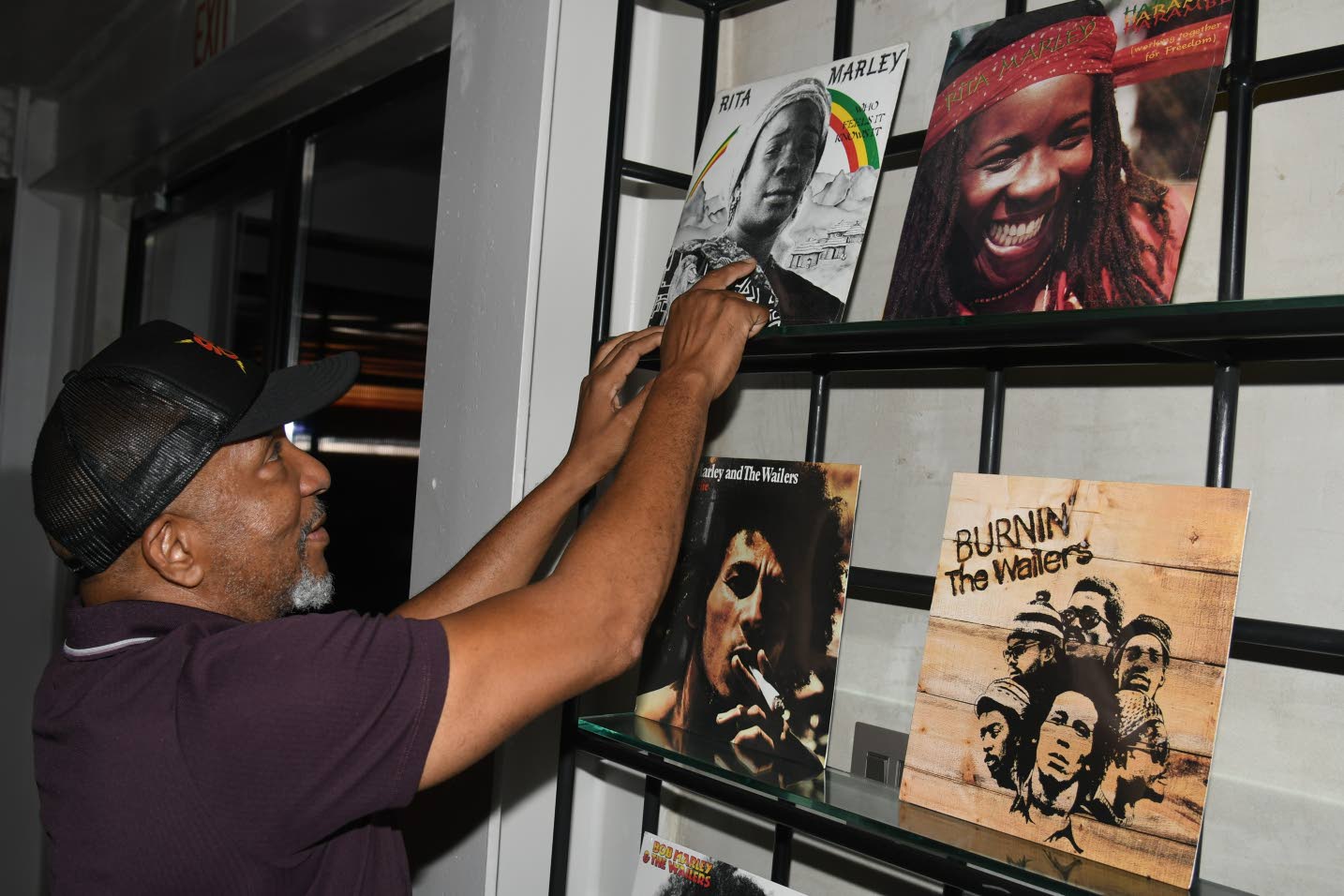
DJ Collin Hines reviews the extensive vinyl collection on display inside the new, state-of-the-art facility which now boasts an artiste lounge.


