



Anxiety lifts as Cuban eye clinic gets underway at St Joseph’s
RELIEF replaced anxiety among scores of Jamaicans who turned up at St Joseph’s Hospital in Kingston on Monday when eye clinic services conducted by Cuban doctors commenced after a short delay.
Shortly after 10:00 am when the Jamaica Observer got to the hospital, numerous patients were seen waiting for their numbers to be called.
A caregiver who gave her name only as Flavia shared that the delay in the normal 8:00 am start resulted in chaos.
“I got here this morning some minutes to seven; normally it would just be bubbling, people getting through, people getting bandages and going out and happy. But today, you could see the sad faces. And it was chaotic earlier because generally they start operations promptly at 8:00 am, but when 8:00 am came and we did not see anything going on, people were a bit edgy and worried and people were talking about what they heard on the news, so they were frightened,” she said, adding that she had accompanied her church brother Leslie March, who is receiving treatment for a cataract.
She explained that health officials helped to ease the patients fears as concerns mounted over speculations that the Cuban doctors were absent from the hospital.
Those concerns amounted from a recent announcement that Jamaica was ending the more-than-50-year medical cooperation programme with Cuba. The development resulted in flak directed at the Jamaican Government, with critics saying that Kingston had bowed to the dictates of the United States, which has increased economic pressure on the Cuban Government in recent months.
Last Saturday, Jamaica’s foreign minister issued a statement blaming the Cuban Government for the discontinuation of the programme under which doctors from that Spanish-speaking country worked here, saying that Havana failed to agree to terms that conform to Jamaican law and international conventions.
Ophthalmic care is one of the services provided under the programme. Over the years, thousands of Jamaicans have benefited from cataract, pterygium and diabetic retinopathy surgeries.
“Officials from the health ministry were here reassuring us. They told us we all would get through,” Flavia told the Observer.
“The Cubans are still in there working, but not much people inside there so operations are moving slower than usual. The large contingent [is] not there because generally, inside would be filled with people [workers],” she added.
Another caregiver, Hortense, who was accompanying her 87-year-old mother Elthlyn Simpson who had an eye surgery appointment, was disappointed by news that the doctors could be leaving soon.
“During my visits before this, everyone who normally went in get through; I use to sit and say ‘Wow!’ But today when I came, I saw the crowd so I started to investigate and ask what happened but I was just told I will have to sit and wait. Then I heard the talking, but I never paid it any mind. You had some people saying the Cubans will be leaving, and I was heartbroken. I never believed, and I still cannot believe,” she said tearfully.
She said that the Cuban health professionals are more suitable to provide treatment, highlighting that they do so with a high level of compassion and support during visits.
“I am going to cry. Is not that I am against anywhere else but their training must have been different. They have patience with her; they sit and they talk with her, they realise that her ears are lazy and they encourage her that, after the surgery, she can go and get her hearing done because she is not deaf,” Hortense said in reference to her mother.
“We couldn’t want a better treatment than that. They have their thing lock, very professional. They need to stay a while. I don’t want to be selfish but it makes my mom heartbroken as well,” she shared, adding that her mother was first receiving treatment at Kingston Public Hospital but was later referred to St Joseph’s Hospital.
“My mother, she has a doctor who loves her. We started coming back in January; since January they started the treatment, the treatment is eye drops because of her pressure. They always give us drops to use and they tell us how to use it, and advise you to take care of your eye. It’s not like some doctors that you go and they just write; the Cubans work with you, they question you about how you feel, why the condition is like that, and advise you how you should operate,” she added.
These sentiments were reiterated by another patient who spoke on condition of anonymity.
“I am disappointed that they are leaving because other people who need service will be affected. I see people from all parishes turning up here for treatment, and I wonder how they get here at that time of the morning. You get good service; they treat you with respect,” she said, highlighting that she has been visiting the facility since last year October.
Sherene, who was making her way home after a successful surgery, told the Observer that the news was “nerve-racking”, highlighting that despite the language barrier at times, the services benefit people experiencing financial difficulties.
“I was scared about them leaving because to think about doing this surgery is a lot of money and they are here providing a service which poor people cannot afford. Thinking I would have to go and find $350,000 now to go and do my eyes was kind of crazy. They provide us with great service. They are very good at it,” she said.
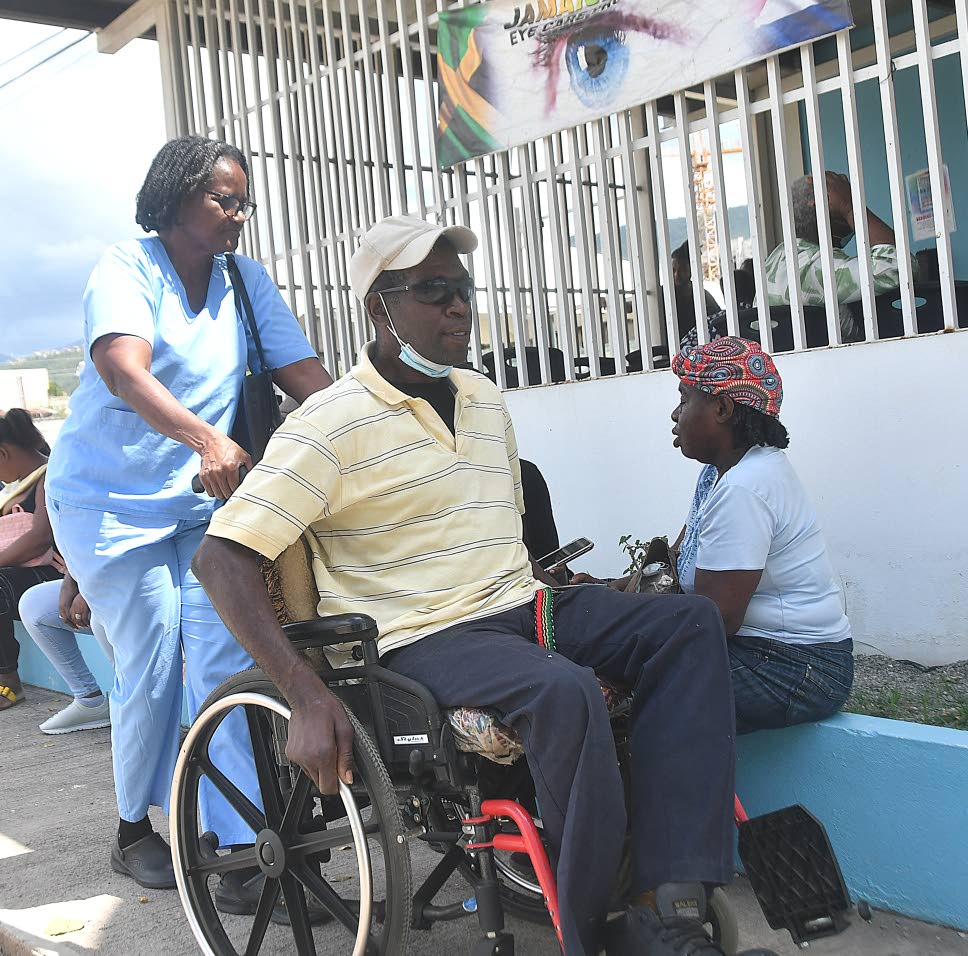
Caregiver Flavia helps her church brother Leslie March, who went to the Cuban eye clinic at St Joseph’s Hospital in Kingston for treatment Monday morning.
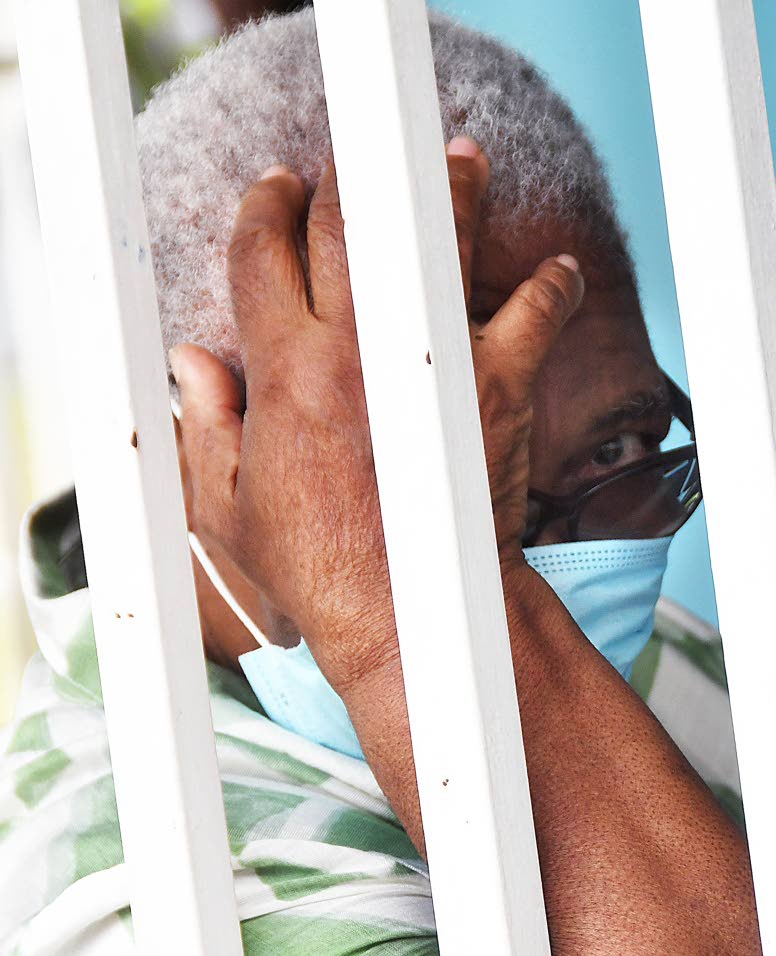
This eye patient, who declined to be named, awaits service at the Cuban eye clinic at St Joseph’s Hospital in Kingston on Monday morning.


