



Canada seeds organic farming transition
A Canadian regenerative agriculture organisation is moving to establish an organic seed bank in Jamaica, positioning the initiative as a catalyst to transition local farmers away from chemical fertilisers and pesticides and toward regenerative farming practices built on compost and soil restoration.
General Discovery Canada, which has operated for seven years and established General Discovery Jamaica as part of a regenerative organic farming programme for the Caribbean, is working with local partners, including the College of Agriculture, Science and Education (CASE) and the Jamaica Agricultural Society (JAS), to develop what it describes as a lasting legacy of organic seed access. The first shipment of seeds, sourced from Canada, is expected to arrive shortly.
“Because of the hurricane, we reached out to Canadian organic seed companies; we have almost 400 pounds to bring down,” said Cathy Clarke, executive vice-president of General Discovery Canada.
The seeds are currently pending clearance through the relevant authorities, with the organisation working with the ministry to secure import approvals. The shipment is expected to arrive via Air Canada by March. Clarke said the aim is not simply distribution but the creation of a structured seed bank.
“The aim is to get farmers to use these seeds as a catalyst to transition to organic farming,” she explained. “Because the seeds are organic, it means that they [plants] can be certified as organic.”
The organisation has submitted a proposal to Caricom but is beginning implementation in Jamaica through what Clarke described as a public-private-academic partnership, involving government agencies, farming associations and tertiary institutions. She said that structure is critical to ensuring the seed bank and regenerative programme are sustainable beyond initial distribution. Alongside the seed initiative, the organisation’s first project in Jamaica involves collaboration with Hope Gardens in St Andrew to expand composting capacity. The objective is to divert organic waste from landfills and convert it into nutrient-rich soil amendments for farmers.
“We do intend to have that working very soon; we’re just in the process of sourcing all the things,” Clarke told the Jamaica Observer.
Jamaica currently does not mandate the separation of organic waste at household or commercial levels, Clarke noted, unlike many countries. She pointed to fruit scraps, roadside cuttings and processing waste as underutilised resources that could be converted into compost. The Hope Gardens project is designed to increase waste diversion, expand compost production and provide farmers with access to soil amendments. Organic standards prohibit the use of synthetic fertilisers and pesticides. Regenerative agriculture goes further by actively restoring soil health. Regenerative agriculture is a step above organic, as it pays a lot of attention to making sure the soil is regenerating by adding things to the soil to make it healthy, such as organic compost, which, according to Clarke, normally goes to waste, which is what is being worked on at Hope Gardens to turn that into fertiliser for the soil.
“It improves what we call the ‘tilt’ of the soil, which means that the soil has better water retention capability, feeds the plants better and has built resilience,” she said.
Because regenerative farming relies heavily on compost, adoption has been slow among some local farmers; however, over time, it reduces production costs by improving soil health and lowering reliance on imported fertilisers and chemical inputs.
“When you use chemicals such as pesticides, you are killing the microbiology in the soil, so eventually the soil becomes unproductive; it becomes impossible to feed plants. Every time you add fertilisers, it kills the biology in the soil,” Clarke explained to the Business Observer.
She added that nitrogen fertilisers also carry environmental risks. Because crops can only absorb nitrogen within a limited window, any excess not taken up by plants can be released into the atmosphere as nitrous oxide, a greenhouse gas significantly more potent than carbon dioxide. Clarke argued that rebuilding soil through compost strengthens what she described as the “tilt” of the soil, improving water retention, increasing nutrient availability, and enhancing resilience against erosion and extreme weather events. Clarke noted that the hospitality sector is increasingly seeking organically grown produce, but Jamaica does not currently produce enough organic produce to meet that demand. The programme is being designed to help close that gap, with St Thomas identified as the initial base for regenerative agriculture activities, though seed distribution will depend on collaboration with the JAS.
Organic vegetable seed varieties sourced from Canada are expected to form part of the initial 400-pound shipment for Jamaica’s proposed organic seed bank initiative.

CLARKE…when you use chemicals such as pesticides, you are killing the microbiology in the soil, so eventually the soil becomes unproductive; it becomes impossible to feed plants. Every time you add fertilisers, it kills the biology in the soil.
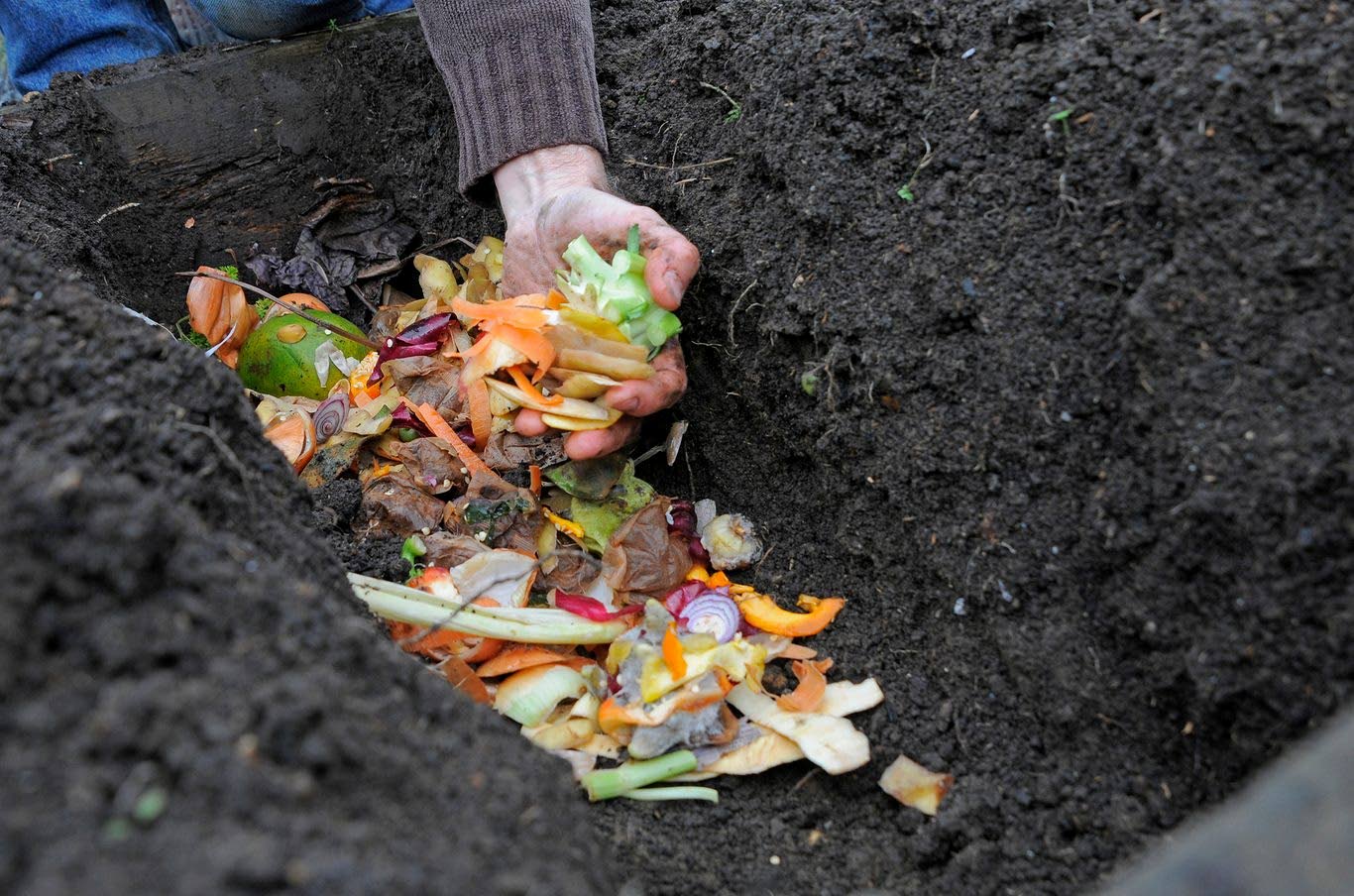
Compost produced from organic waste forms a key part of the Canada-backed regenerative farming initiative aimed at improving soil health and reducing reliance on chemical fertilisers in Jamaica. (Photo: Tim Sandall)


