



Jamaica Teaching Council partners with One on One to launch global AI summit series for educators
THE Jamaica Teaching Council (JTC), in partnership with One Academy and supported by global education leaders from Cambridge University Press & Assessment and the Varkey Foundation, has successfully launched a new Global Summit Series aimed at equipping Jamaican educators for the rapidly evolving artificial intelligence (AI) era.
The inaugural Future-Ready Educators Summit, held on National Professional Development Day, engaged more than 500 teachers from across the island in critical discussions on AI, ethics in assessment, digital resilience, and the future of human intelligence in education.
The initiative, catalysed through the HP Cambridge Partnership for Education EdTech Fellowship, signals Jamaica’s proactive commitment to ensuring its educators remain globally aligned and locally empowered.
Chief executive officer of the Jamaica Teaching Council, Winsome Gordon, underscored the importance of the partnership.
“The Jamaica Teaching Council is committed to the transformative role of our educators as they meet the demands of a rapidly changing human environment. This summit represents the kind of forward-thinking collaboration that ensures Jamaican teachers are not only keeping pace with global developments in AI and education reform, but are positioned to lead within their own classrooms,” she said. “Partnerships of this nature are essential to safeguarding the quality and integrity of teaching and learning across the island.”
The summit aligns with JTC’s mandate to support teacher professionalism, continuous development, and adherence to evolving global standards.
The event featured senior leaders from institutions that define international benchmarks in education:
Cambridge University Press & Assessment — serving over 100 million learners globally — was represented by senior assessment managers Anita Oomeer and James Rudd, alongside Regional Director Richard Gilby. Their participation reflects deepening engagement between Cambridge and Caribbean educators, particularly in the areas of ethical AI integration and trust in assessment systems.
The Varkey Foundation & Global Teacher Prize — represented by Helen Orjuela, director of Leading Education — brought the perspective of the 1MillionSchools initiative and the internationally renowned Global Teacher Prize. The partnership positions Jamaican educators within a globally recognised ecosystem of excellence and leadership.
One Academy, led by CEO Ricardo Allen, coordinated the summit as part of a broader strategy to modernise regional human capital development through digital innovation.
At the heart of the summit was a defining question: Will artificial intelligence become a bicycle for the mind — amplifying human intelligence — or a wheelchair that diminishes it?
In his keynote presentation, ‘The cognitive fork in the road’, HP Cambridge EdTech Fellow Ricardo Allen challenged educators to rethink AI’s role in the classroom. Drawing on neuroscience and the concept of “desirable difficulties”, the session emphasised that reading rewired the human brain precisely because it was difficult.
The message to educators was clear: in the AI era, teachers must become “Architects of Friction” — designing learning environments where AI supports critical thinking rather than replaces it.
“This wasn’t just a successful event; it was the birth of a new educational movement for Jamaica and the wider Caribbean,” said Allen.
“With more than 150,000 teachers across the Caribbean, the opportunity before us is enormous. We are bringing strategies from institutions that serve over 100 million learners directly into our local classrooms — free of charge — and building a sustainable model for ongoing professional growth.”
The next event in the Global Summit Series is scheduled for May 22, 2026, coinciding with the upcoming National Professional Development Day.
The summit has been widely praised as a turning point in how professional development is conceptualised across the region — moving beyond traditional content delivery toward system-level reform and cognitive design.
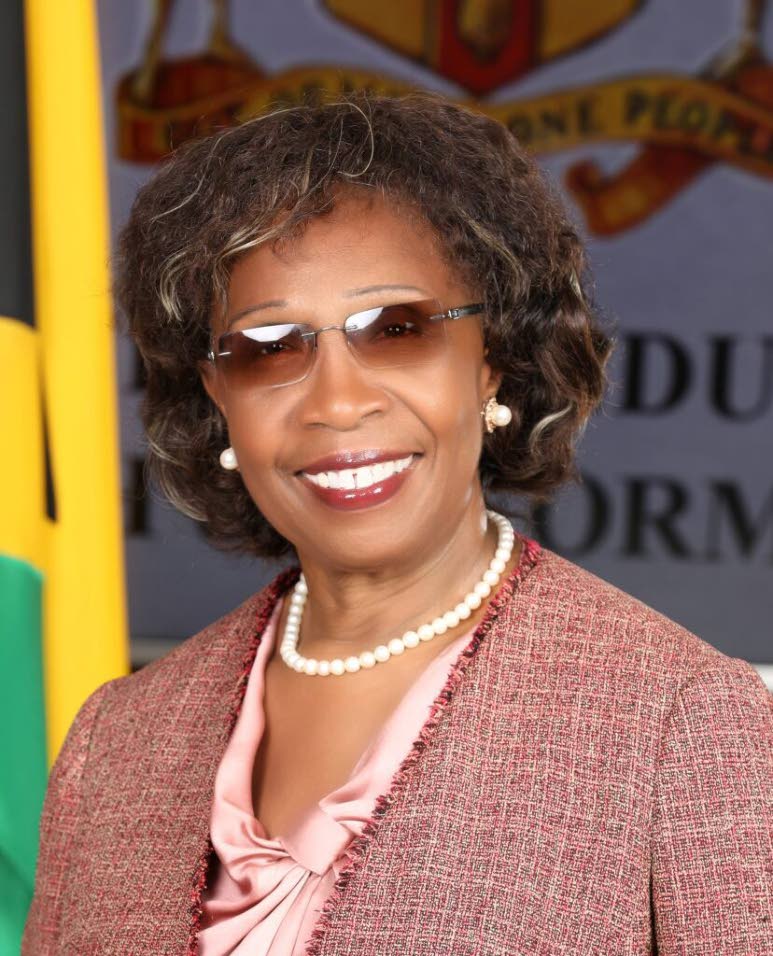
GORDON…the Jamaica Teaching Council is committed to the transformative role of our educators as they meet the demands of a rapidly changing human environment.


