



PM promises better and more accessible beaches
THE long-promised Beach Access and Management Policy for Jamaica has finally been tabled in Parliament.
Prime Minister Dr Andrew Holness announced the tabling of the policy on Thursday during his contribution to the 2026/27 Budget Debate in the House of Representatives.
Holness told the House that beach access is a planning issue which has been contentious for several decades.
“Every Administration has committed to creating a policy framework to improve and increase Jamaicans’ access to beaches… the Beach Control Act of 1956 and its amendment in 1973 did not adequately address beach access issues, and will have to be replaced and the new policy is the first step in that direction,” said Holness.
He highlighted that the policy focuses on:
• Developing a modern, inclusive definition of a beach and definitions of the foreshore, back shore and water shelf;
• Outlining how the Government will improve access to beaches;
• Outlining the required legislative amendments; and
• Outlining changes to the considerations for new development approval.
“Another element of the policy is developing a framework around investments in man-made or constructed beaches. The policy reaffirms Government’s commitment to ensuring that Jamaicans have access to natural public assets in an orderly, safe, equitable and sustainable way,” Holness added.
In his message published in the tabled document, Holness noted that Jamaica’s 1,022 kilometres of coastline comprises several natural assets, many of which are globally renown.
He pointed out that these include harbours such as Kingston Harbour — the seventh-largest natural harbour in the world — sandy and pebble beaches, including the seven-mile stretch in Negril, Westmoreland; Treasure Beach, St Elizabeth; Frenchman’s Cove, Portland; and cliffs, such as the West End cliffs also in Negril, Westmoreland.
“These natural assets are part of our identity as Jamaicans — they are ingrained in our rich heritage and culture — and as such must be preserved for present and future generations of Jamaicans,” declared Holness.
“The value of these assets to the sustainable development — economic, environment, and social — of Jamaica is immeasurable,” he added.
The prime minister noted that the issue of the inadequate management of some of the island’s beaches over a prolonged period of time has been a vexed issue.
“Given the importance of these beaches to lives and livelihoods, not enough had been done to ensure that these recreational spaces and areas where fishers ply their trade were properly managed and maintained to allow all stakeholders, Jamaicans and visitors alike, to continue to enjoy all the benefits these natural blue spaces provide.
“Additionally, there has been a growing cry from several segments of the society regarding public access to the island’s beaches. The Government is seized with the issues related to our island’s beaches and has responded and will continue to proactively address the matter,” Holness declared.
He reiterated that the Beach Access and Management Policy outlines the Government’s plan and direction with respect to the management of the island’s beaches, particularly public beaches, and also speaks to the issue of public access to public beach lands
“There are six policy goals which treat with a wide range of issues from effective institutional arrangements for the regulation and management of the island’s beaches, to expansion of beach-related opportunities to protect the country’s coastal resources and increasing their resilience to the impacts of climate change.
“Strategic actions have been included in the policy which are aligned to each of the goals. Additionally, the policy outlines a five-year implementation plan,” noted Holness.
The prime minister indicated that in support of the Beach Access and Management Policy, the Government has already taken steps to rehabilitate nine public beaches across the island, including Fantasy Beach, St Ann; Watson Taylor Beach, Hanover; Success Beach, St James; Rock Point, St Thomas, and Crane Road and Alligator Pond, St Elizabeth.
“These rehabilitation efforts will provide the average Jamaican with increased access to our coastline for recreational purposes. The rehabilitated beaches will be similar to the work that was undertaken by the Government in the development of the Harmony Beach Park in Montego Bay, St James.
“The Government’s plan is to have at least one public recreational beach in each parish of a high standard accessible to the public,” said Holness.
In the policy document it is noted that Jamaicans have frequently complained about the unavailability of access points to facilitate physical access by the public to the beach; the lack of sufficient public beaches of a good standard for bathing and other recreational activities; the payment of fees for access to the foreshore and/or use of public beaches; and the loss of physical and visual access to the sea and coastline as a result of coastal developments.
In addition, the policy says the Government will review and promulgate legislation to include the right of public access (physical and visual) to the foreshore and floor of the sea; streamline the categories of beaches and the associated fees, where applicable, regulated under the Beach Control Act; and rationalise the ownership and management of fishing beaches.
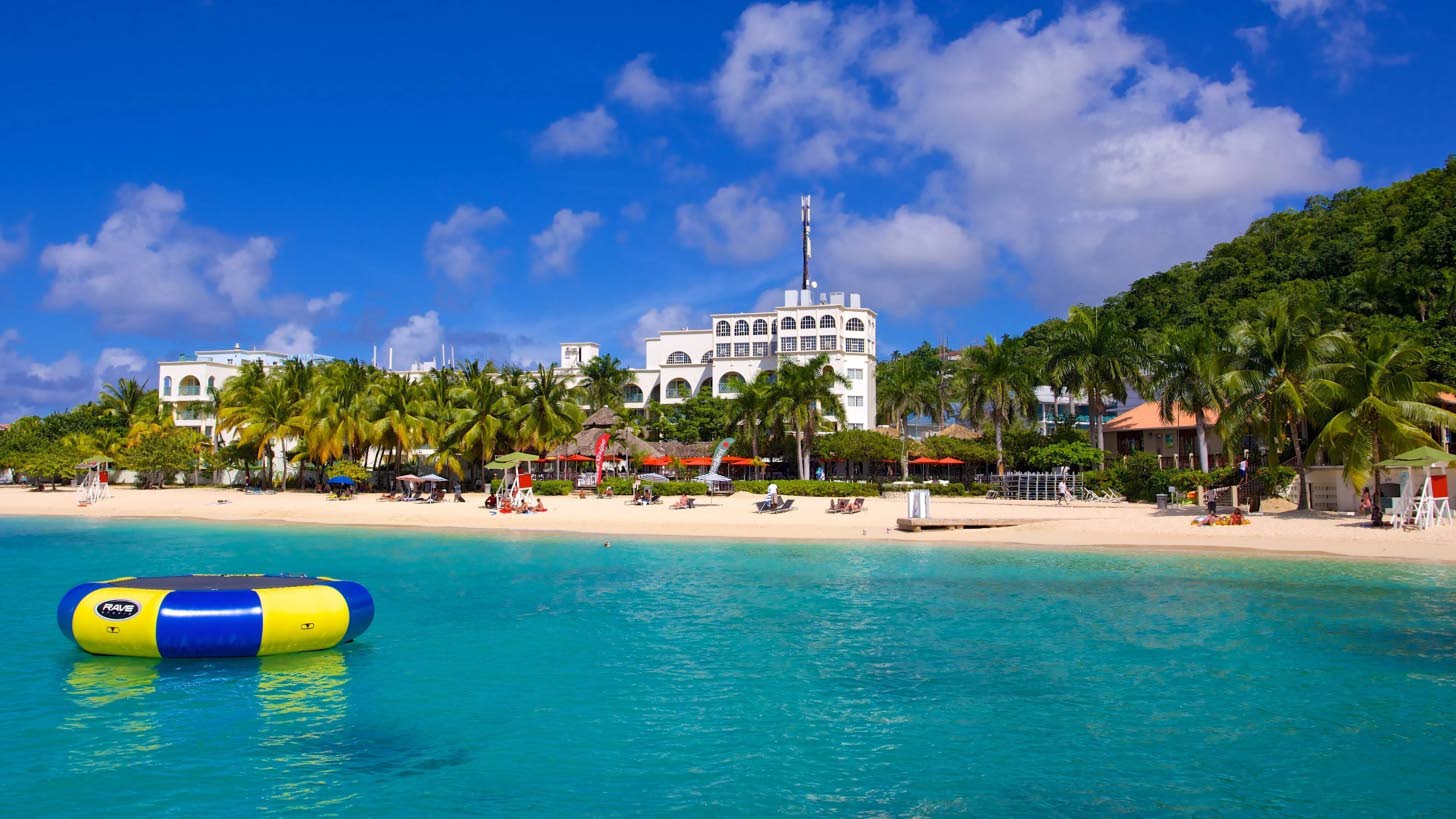
Doctor’s Cave Beach in Montego Bay is often pointed to as a must-visit destination for any first-time traveller to Jamaica.


