



The invisible ingredient
Dr Kareen Robinson is keeping the food on your plate safe
DR Kareen Robinson did not plan any of this. She studied veterinary medicine at The University of the West Indies, St Augustine campus in Trinidad and Tobago, trained across every species, and fell in love with horses. Poultry was not part of the picture. “I didn’t set out to specialise in poultry,” she says, with the easy candour of someone who has made peace with the unexpected turns her career took.
What changed everything was a required externship at Jamaica Broilers during her degree. She went in expecting to check a box. She left with a different sense of what veterinary medicine could mean. “That externship helped me understand the scale of what was happening. It wasn’t just birds. It was systems. It was livelihoods. It was food security.”
That shift was 12 years ago. Today, Dr Robinson is the senior poultry veterinarian at The Best Dressed Chicken Field Operations, and her portfolio reads less like a single job description and more like a small department: animal welfare, biosecurity, sanitation standards, environmental management, production efficiency, and the relentless work of keeping avian influenza off Jamaican soil. A second externship in Florida had sharpened her clinical instincts, but it was in the field, through in-company training and the kind of knowledge that only accumulates from showing up on farms in all conditions, that she became the veterinarian she is now.
But for Dr Robinson, the technical demands of the role are only part of the picture.
“Sometimes the hardest part of the job isn’t the birds,” she says. “It’s being there for the people.”
Farm life is demanding in ways that don’t show up in any dashboard, and Dr Robinson has learned that the job requires a kind of human availability that no training manual covers. “Life is always life-ing,” she laughs. “You have to be willing to stop the clock and listen. Be a friend. Be an ear.”
When she talks about the most critical skill in her role, she does not say diagnostics or data analysis. She says communication. “How and when you say something makes a difference. If you don’t ask the right questions, things can get lost in translation.”
Most people, she notes, have no idea she exists. “A lot of people don’t even realise veterinarians are responsible for poultry,” she says. “They only see us as people who deal with cats and dogs.”
Her work sits at the intersection of agriculture and public health, where a single missed sample or a welfare check skipped can ripple outward into the food supply. Chick placements happen several times a week, and her team is on standby around the clock. The days are long and physical: inspecting housing systems, reading ventilation data, reviewing trends, sampling birds, troubleshooting with farmers and technical representatives who are often managing far more than production targets.
Right now, the question keeping her up is avian influenza. There have been no local cases, but Dr Robinson operates as though that could change any morning. “It’s the biggest thing on our radar right now,” she says. “There’s no cure. Prevention is everything.” Her response has been to document everything: Every seasonal shift, every performance dip, every operational adjustment made in response to a changing climate or a global outbreak. The data becomes the institutional memory her team can act on rather than simply react to. “Data speaks more than anything else,” she says. “It shows you the gaps. It shows you where you need to improve.”
To students considering this path, she is honest in the way only someone who chose it freely can be. “Don’t think about the money,” she says. “It has to come from passion.”
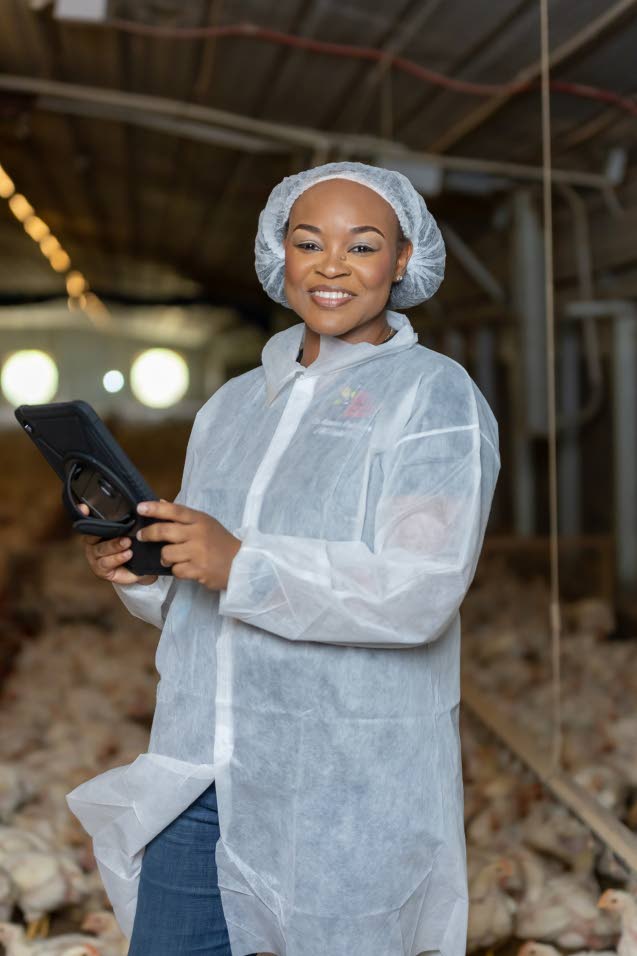
Dr Kareen Robinson, senior poultry veterinarian at The Best Dressed Chicken Field Operations.
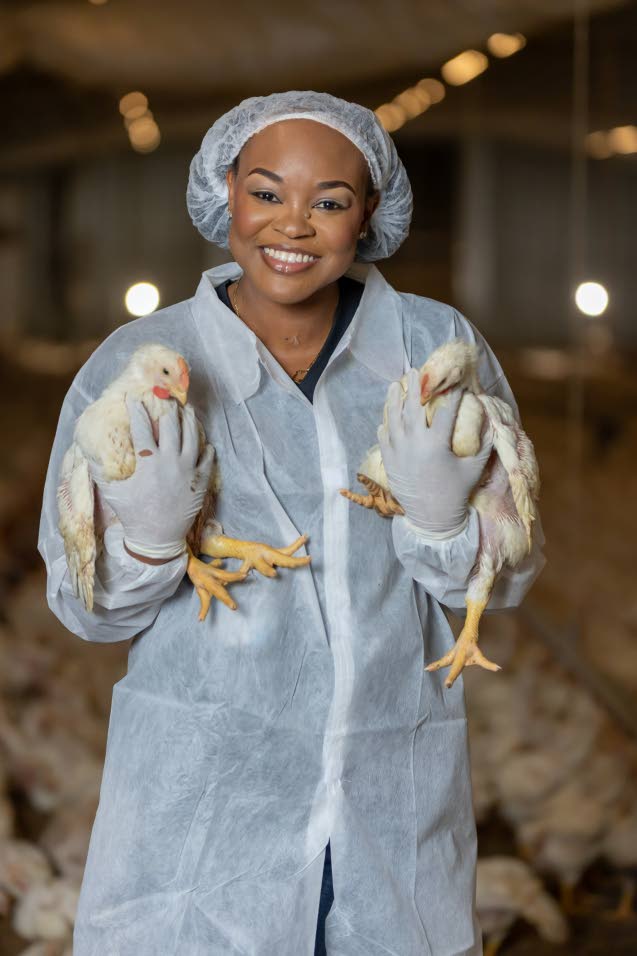
Dr Kareen Robinson, senior poultry veterinarian at The Best Dressed Chicken Field Operations, has spent 12 years at the intersection of agriculture and public health.


