



ALCOHOL TAX SQUEEZE
Firms weigh hikes, cuts, illicit trade risk
A split is emerging in Jamaica’s liquor industry over how companies plan to respond to higher alcohol taxes set to take effect May 1, with early signals suggesting that while some players may try to cushion consumers, others are already bracing for pressure to show up elsewhere in the business.
The Government’s decision to increase the Special Consumption Tax (SCT) on alcohol forms part of a broader push to strengthen revenue, but how that increase ultimately reaches consumers is still being worked out.
Caribbean Producers Jamaica Limited (CPJ), a major importer and distributor supplying hotels, restaurants and bars, has already signalled that it will limit how much of the increase is passed on.
“The increase in the Special Consumption Tax, combined with the environmental levy, are expected to result in an average cost increase of about four per cent on alcohol-related products within the hospitality sector. Our decision has been to limit pass-through to our buying partners to no more than that increase,” chairman of CPJ, Richard Pandohie told the Jamaica Observer in an emailed response to queries.
But producers are signalling a more varied response.
Clement “Jimmy” Lawrence, chairman of the Spirits Pool Association (SPA), which represents local distilleries including J Wray and Nephew (Campari Group) and National Rums of Jamaica, said manufacturers are likely to take different approaches depending on their product mix and market positioning.
Some companies, he said, may pass on portions of the increase while others may absorb part of the cost to remain competitive.
But while pricing decisions remain the immediate focus, industry players say the effects of the tax increase are likely to extend beyond retail prices.
If companies fully pass on the higher tax they risk dampening demand in a price-sensitive environment. If they absorb it, the impact is likely to show up elsewhere in the business — particularly in margins, investment and operating decisions.
“This [may] cause companies to review planned investments in improving facilities, staffing, as well as community engagement and sponsorships,” Lawrence pointed out.
“When combined with other rising input costs, the tax increase is adding further pressure to margins. Many businesses are evaluating ways to tighten cost controls across their operations, and that could extend to areas such as staffing and service levels,” Pandohie also reasoned.
One of the clearest risks, industry representatives say, is the potential expansion of illicit trade.
Counterfeit spirits and illegal distilleries were already estimated by the Jamaica Chamber of Commerce to have cost the Jamaican economy between $1 billion and $2 billion in 2025. Higher taxes, they argue, could widen the gap between regulated products and untaxed alternatives, increasing the incentive for some operators to move outside the formal system.
“A further concern is that higher taxes may encourage greater illicit trade as some operators seek to evade duties,” Pandohie said, adding that stronger enforcement will be critical as prices rise.
Lawrence made a similar point, arguing that without changes to the legislative framework and tougher enforcement, the increase could deepen the problem. The industry has been pushing for updates to the Excise Act, along with stronger action from tax authorities, the police, and the courts to curb illegal production and improve compliance.
Without that, he warned, higher taxes could end up driving activity further into the informal space, undermining both government revenue and legitimate businesses.
“The industry… has initiated discussions with the Government — including meetings with senior officials and the finance minister — outlining our concerns and the potential economic impact of the proposed tax adjustments. The changes, if not paired with updates to the legislative framework and stronger enforcement, could increase illicit production and diversion into the informal market. We look forward to continued engagement to support the industry and the wider manufacturing sector,” Lawrence told the Business Observer.
The implications are also being felt across sectors linked to alcohol consumption.
Alcohol accounts for roughly 20 per cent of revenue across hotels, bars and restaurants, according to CPJ, while as much as 70 per cent of sales for major brands flows through the hospitality channel, making pricing decisions particularly sensitive.
Pandohie said operators are already expressing concern, with many looking to contain costs across their operations. In some cases that could mean adjusting drink offerings or portion sizes rather than making sharp changes to pricing.
“We do not expect the alcohol tax increase to materially change overall consumer demand in the short term, however it is likely to influence how hoteliers and restaurateurs manage their beverage programmes, including adjusting drink offerings to contain costs,” he said.
Beyond hospitality, the effects could extend into the entertainment sector where liquor companies have long been among the largest sponsors of events, parties and festivals.
Jermaule “Nino” Adair, co-founder of party promotion company Team No Shirt, which hosts events such as Sandz, Risque and Genesis, said the space has not fully recovered since the COVID-19 pandemic, and warned that higher alcohol taxes could deepen existing pressures.
“It will definitely affect the industry. Partygoers don’t really have money again like one time. From the onset of COVID things really haven’t been the same for the entertainment industry so raising alcohol tax, which will be added to the cost of products, will negatively affect the party space,” he said.
Adair added that the impact would extend beyond promoters to the wider network of suppliers and businesses that depend on events, including liquor stores and other service providers.
There are also upstream implications.
Lawrence warned that the impact could extend into the sugarcane supply chain, noting that “this price surge… will trigger a ripple effect in the sugarcane supply chain, affecting the demand for molasses — a vital ingredient in rum production,” with potential consequences for both distilleries and farmers.
Over the past decade the industry has seen renewed investment and expansion, supported in part by a relatively stable tax environment that allowed producers to upgrade facilities, expand production, and strengthen Jamaica’s position in the global rum market.
Industry players suggest that progress could now come under pressure as the sector adjusts to a new tax regime.
Alcohol products on display, with producers and distributors assessing the impact of increased taxes on the market.
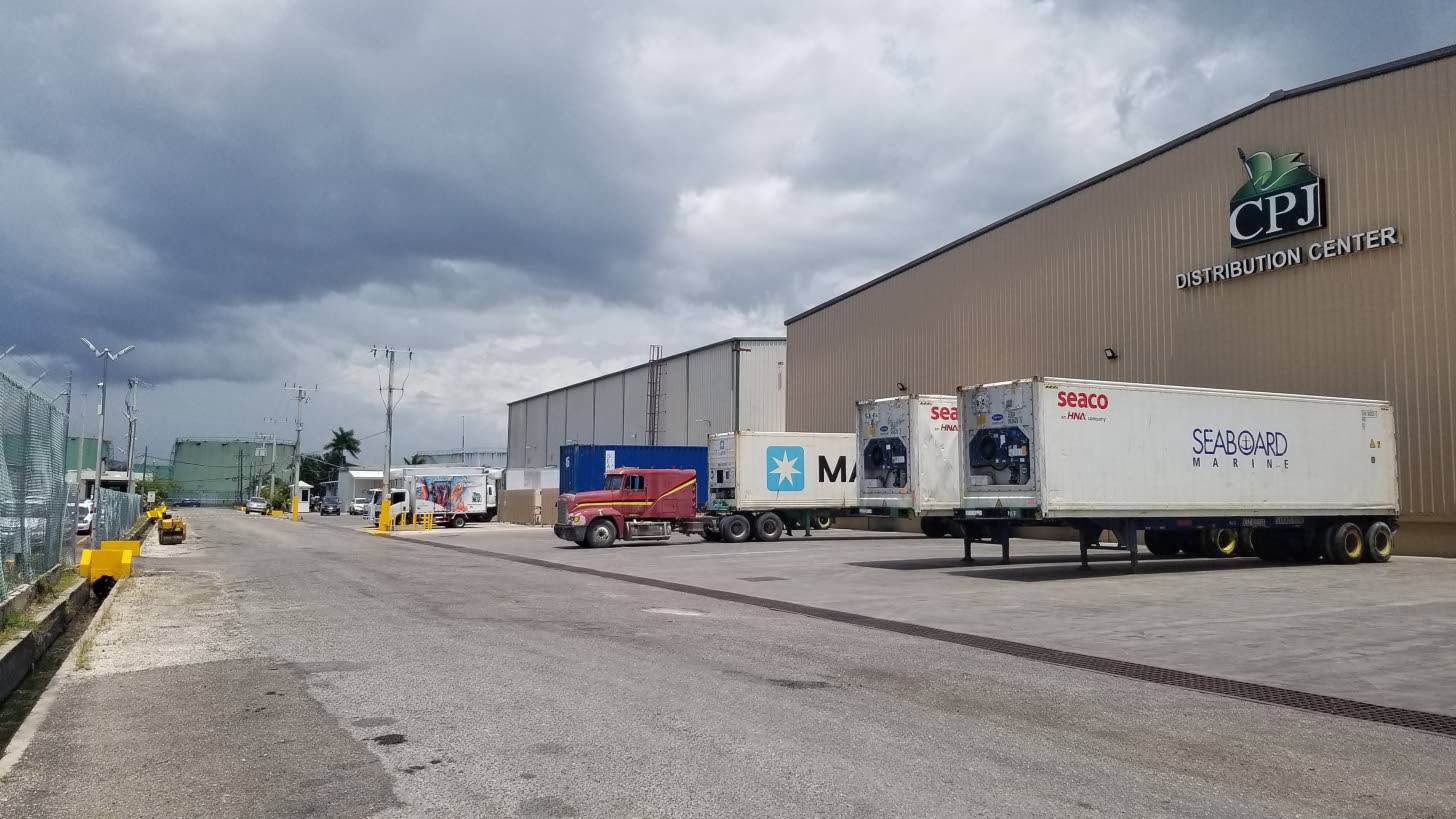
Caribbean Producers Jamaica Limited (CPJ) campus, as the company weighs how to manage higher alcohol taxes across its distribution network.

Clement “Jimmy” Lawrence, head of the Spirits Pool Association, warns that rising taxes may impact investment and push more activity into the informal market.Clement ‘Jimmy’ Lawrence, head of the Spirits Pool Association, warns that rising taxes may impact investment and push more activity into the informal market.Clement ‘Jimmy’ Lawrence, head of the Spirits Pool Association, warns that rising taxes may impact investment and push more activity into the informal market.

CPJ chairman Richard Pandohie says higher taxes are adding pressure to margins, with companies weighing how much cost to absorb.
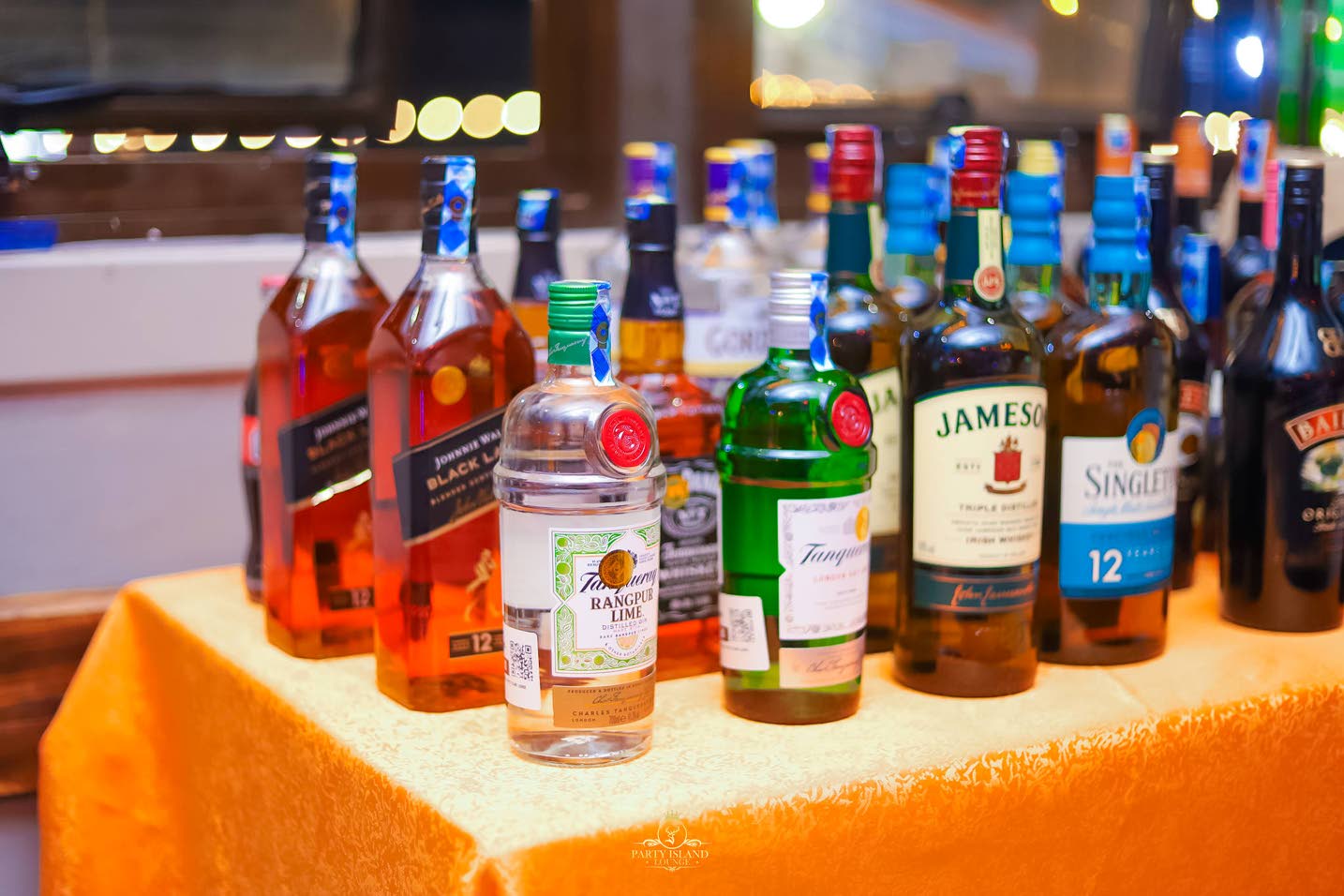
Alcohol products on display. As new taxes take effect, players in the liquor industry are assessing how much of the increase to pass on to consumers, with implications for hospitality, entertainment and supply chains.
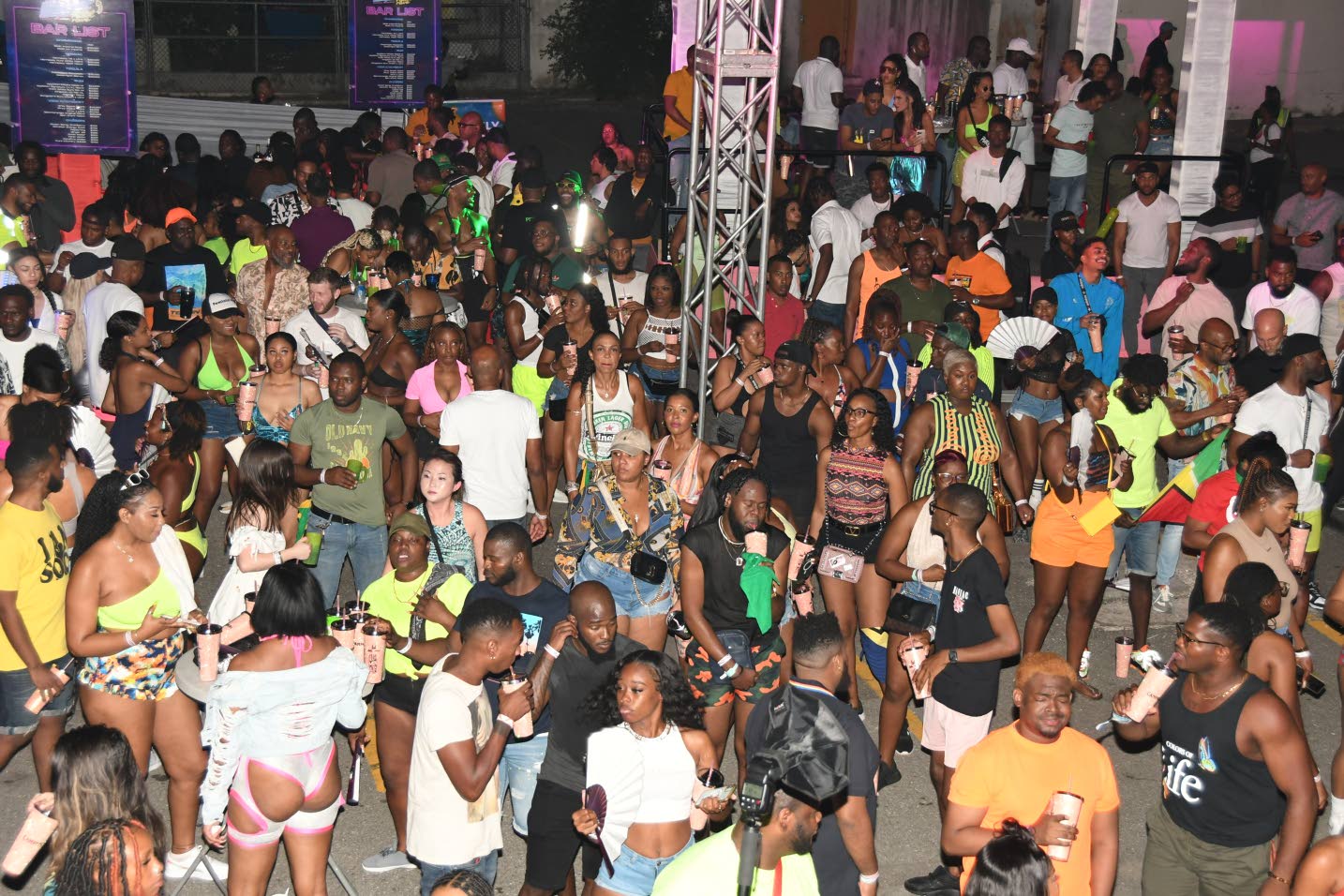
Patrons at a party. Promoter Jermaule ‘Nino’ Adair says higher alcohol taxes could hit spending in the nightlife space, noting that “party goers don’t really have money like one time again”. (Photo: Karl Mclarty)


