



Telcos split as AI phones test network readiness
JAMAICA’s telecom operators are divided on whether artificial intelligence is already driving a surge in mobile data demand — a split that could influence how quickly investment in 5G networks accelerates.
But as smartphones become more dependent on artificial intelligence, the question is no longer just what devices can do — but whether networks in markets like Jamaica are ready to keep up.
The issue comes into sharper focus following Samsung’s launch of the Galaxy S26 series in February, which integrates more advanced AI capabilities designed to run continuously in the background and, in many cases, rely on cloud-based services.
The shift reflects a broader global push by device makers to embed more advanced AI features into smartphones, increasing reliance on both on-device processing and cloud-based computing.
Many of these applications require low latency and higher upstream data capacity, placing additional demands on network performance beyond traditional streaming and browsing.
Responding to Jamaica Observer queries, Flow Jamaica said it expects data demand to rise as AI-enabled applications become more widely used.
“Flow anticipates a measurable rise in data usage as artificial intelligence-enabled applications and services become more widely adopted,” the company said, adding that overall demand on its network could increase by approximately 30 per cent as AI-powered tools, cloud services and connected devices become part of everyday digital activity, underscoring the scale of the expected shift in network demand.
Flow said the anticipated growth is already influencing network planning and capital allocation, noting that supporting next-generation digital services requires ongoing upgrades to manage higher traffic volumes and evolving usage patterns.
On network capability, the company said its 4G infrastructure continues to deliver strong performance, but noted that 5G offers “a significantly superior experience”, particularly for advanced applications that depend on faster data processing and seamless connectivity.
However, Flow said it does not expect AI-capable devices on their own to significantly change average revenue per user, citing continued price sensitivity in the Jamaican market.
Digicel Group, in response to the same questions, said the impact of AI on network demand has not yet become evident.
“Its impact on network demand, though, remains nascent,” the company said in emailed responses to Business Observer, adding that it has “not observed any meaningful increase in data usage directly attributable to AI-driven applications”, with global trends yet to translate into measurable effects in Jamaica.
Digicel said existing networks continue to meet current customer needs.
“From a customer perspective, existing networks continue to meet current needs, with the focus on delivering reliable, high-quality connectivity and continuously improving the experience,” the company said.
The company added that its investment strategy remains centred on expanding access, particularly through high-speed fibre in underserved communities, where it expects the greatest immediate impact.
The divergence suggests uncertainty over whether AI-driven usage will translate into sustained increases in network traffic in the near term.
Both operators indicated that AI is part of their broader strategic outlook, even as the pace and scale of its effect on network demand remain uncertain.

Flow Jamaica Managing Director Stephen Price.
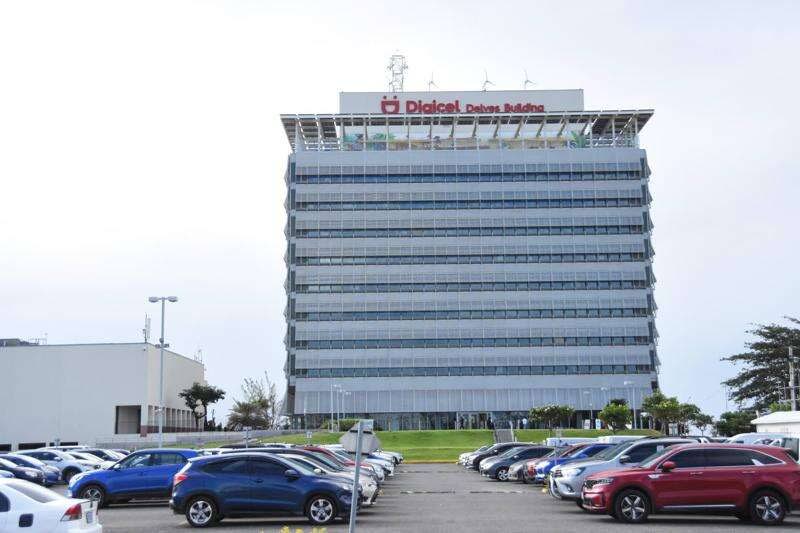
Digicel maintains that current network usage does not reflect a meaningful AI-driven increase in data consumption.

Digicel CEO Stephen Murad (Photo: O’Neil Grant)


