



Why Jamaica’s Sugary Drink Levy Is a Preventive Step Forward
When we talk about food safety, most people think about bacteria, contamination, recalls, and hygiene failures. But food safety is also about risk prevention — reducing exposure to substances that, over time, harm health at the population level. This is where Jamaica’s newly announced Special Consumption Tax (SCT) on sugary drinks enters the conversation.
In the 2026-2027 Budget Debate, the Government of Jamaica confirmed that, effective April 1, 2026, a tax of $0.02 per millilitre will be applied to sugar-sweetened beverages. For consumers, that translates to roughly $6 more on a 300ml drink and approximately $12 more on a 600ml bottle, depending on product size.
The measure is expected to generate an estimated $10.1 billion in revenue in its first year. But beyond revenue, the stated objective is public health.
A Recommendation That Didn’t Come Out of Nowhere
This policy shift did not emerge in isolation. In January 2026, the World Health Organization (WHO) urged Caribbean governments to strengthen and redesign taxes on sugary drinks and alcohol, warning that these products remain too affordable in many countries relative to the health risks they pose.
WHO Director-General Dr Tedros Adhanom Ghebreyesus described health taxes as “one of the strongest tools we have” to prevent non-communicable diseases (NCDs). Globally, at least 116 countries have implemented some form of sugar-sweetened beverage tax.
The WHO’s concern is grounded in epidemiology. Sugary drinks are a significant contributor to excess free sugar intake. Further, excessive sugar intake is strongly associated with obesity, type-2 diabetes, hypertension, cardiovascular disease, and dental decay.
In Jamaica, chronic NCDs account for the majority of deaths annually. Public health data indicate that roughly one in eight Jamaicans lives with diabetes, and approximately one in three adults is hypertensive. These are not abstract statistics; they represent real pressure on households, the health system, and national productivity.
Food Safety Is Also About Long-Term Risk
Food safety traditionally focuses on acute hazards — pathogens, toxins, and contamination events. But modern food safety frameworks increasingly recognise chronic dietary risk as part of preventive health protection. While sugar is not a microbial contaminant, high and sustained consumption creates metabolic stress that can lead to systemic disease. In that sense, excessive sugar exposure is a predictable, preventable dietary hazard.
Unlike foodborne illness, which may occur suddenly, the harm from high sugar intake accumulates silently over years. That makes preventive intervention more complex, but no less important. Fiscal tools, such as health taxes, attempt to reduce exposure by influencing purchasing behaviour. The logic is straightforward: When the price of high-sugar beverages rises, consumption tends to decline.
International data support this. Following the introduction of the United Kingdom’s Soft Drinks Industry Levy in 2018, studies found a significant reduction in sugar purchased from soft drinks, driven both by reduced consumption and product reformulation.
This reformulation effect is critical. When manufacturers lower sugar content to avoid higher tax tiers, population exposure declines without consumers necessarily changing habits drastically.
Industry Reaction
As expected, the announcement has generated strong responses from Jamaica’s beverage sector. Executives within the industry have expressed concern that the tax may be regressive, disproportionately affecting lower-income consumers. Some manufacturers argue that beverages are being singled out while other high-sugar foods remain untaxed. There have also been calls for greater clarity on product classification and whether lower-sugar alternatives will be differentiated under the tax structure.
These concerns are not trivial. The beverage sector is a significant employer and contributor to the economy. Price increases could affect sales volumes, distribution networks, and small retailers. Simultaneously, public health advocates, including representatives of the Heart Foundation of Jamaica, have welcomed the measure as overdue. Medical professionals have described the tax as a preventive strategy to reduce Jamaica’s growing burden of diabetes and cardiovascular disease.
This tension between economic impact and public health benefit is not unique to Jamaica. It has accompanied sugar tax debates in Mexico, the United Kingdom, South Africa, and several U.S. cities.
Consumer Response
For consumers, the immediate impact will be visible at the register. Even modest price increases can influence purchasing decisions, particularly among price-sensitive groups. Critics argue that consumers may substitute one sugary product for another, limiting the policy’s effectiveness. That possibility underscores the need for complementary measures: Nutrition education, clear front-of-package labelling, and broader dietary guidance.
However, evidence from other jurisdictions suggests that sustained price increases do contribute to measurable reductions in sugar-sweetened beverage consumption. From a food safety standpoint, even small reductions at the population level can translate into meaningful decreases in long-term disease burden.
Why This Matters for Food Safety Professionals
Food safety is about protecting public health through risk management. Sometimes that means hazard analysis and critical control points in a manufacturing plant. Other times, it means recognising systemic dietary risks and supporting interventions that reduce harm at scale.
The WHO’s recommendation reflects a broader shift in global health thinking: that fiscal policy can function as a public health control measure. Health taxes do not eliminate choice. Sugary drinks will remain available. What changes is the economic signal associated with that choice.
For consumers, this policy can also serve as an opportunity — an invitation to reassess daily consumption habits. Water, unsweetened beverages, and lower-sugar alternatives remain widely available. For manufacturers, it is an opportunity to innovate and reformulate.
For policymakers, it is a test case: can targeted fiscal tools meaningfully reduce dietary risk in Jamaica?
Appreciating Preventive Efforts
Public health interventions are often unpopular at inception. Seatbelt laws were once controversial. So were smoking restrictions. Yet over time, many preventive measures prove to be protective investments. The sugary drinks tax should not be viewed solely through the lens of price increase. It represents an attempt to align Jamaica’s fiscal policy with global public health guidance and to address a documented burden of diet-related disease. Food safety is not just about preventing what makes us sick tomorrow. It is also about reducing what quietly harms us over decades.
In that broader sense, Jamaica’s new health tax is not simply a revenue instrument. It is a preventive food safety measure — one that acknowledges the cumulative risk of excessive sugar exposure and seeks to mitigate it at the population level. Whether it achieves its intended outcomes will depend on implementation, transparency, industry cooperation, and consumer response. However, as part of a larger strategy to improve dietary health, it signals an important shift: prevention, not reaction. When it comes to food safety, prevention is always the stronger control.
About the Author
Allison Richards is a food safety communicator, certified trainer and the founder of The Food Safety Girl, a consumer awareness platform promoting food safety in Jamaica and the Caribbean. She is the Caribbean Chapter Director for Women in Food Safety (WIFS) and host of The Big Bite Food Safety Show. With over 14 years of experience in food safety regulation, she is committed to public education and consumer empowerment. Through public education initiatives, including free community webinars, she continues to create space for learning, dialogue, and practical food safety awareness.
Allison Richards thefoodsafetygirlja@gmail.com
The Government of Jamaica confirmed that, effective April 1, 2026, a tax of $0.02 per millilitre will be applied to sugar-sweetened beverages. .
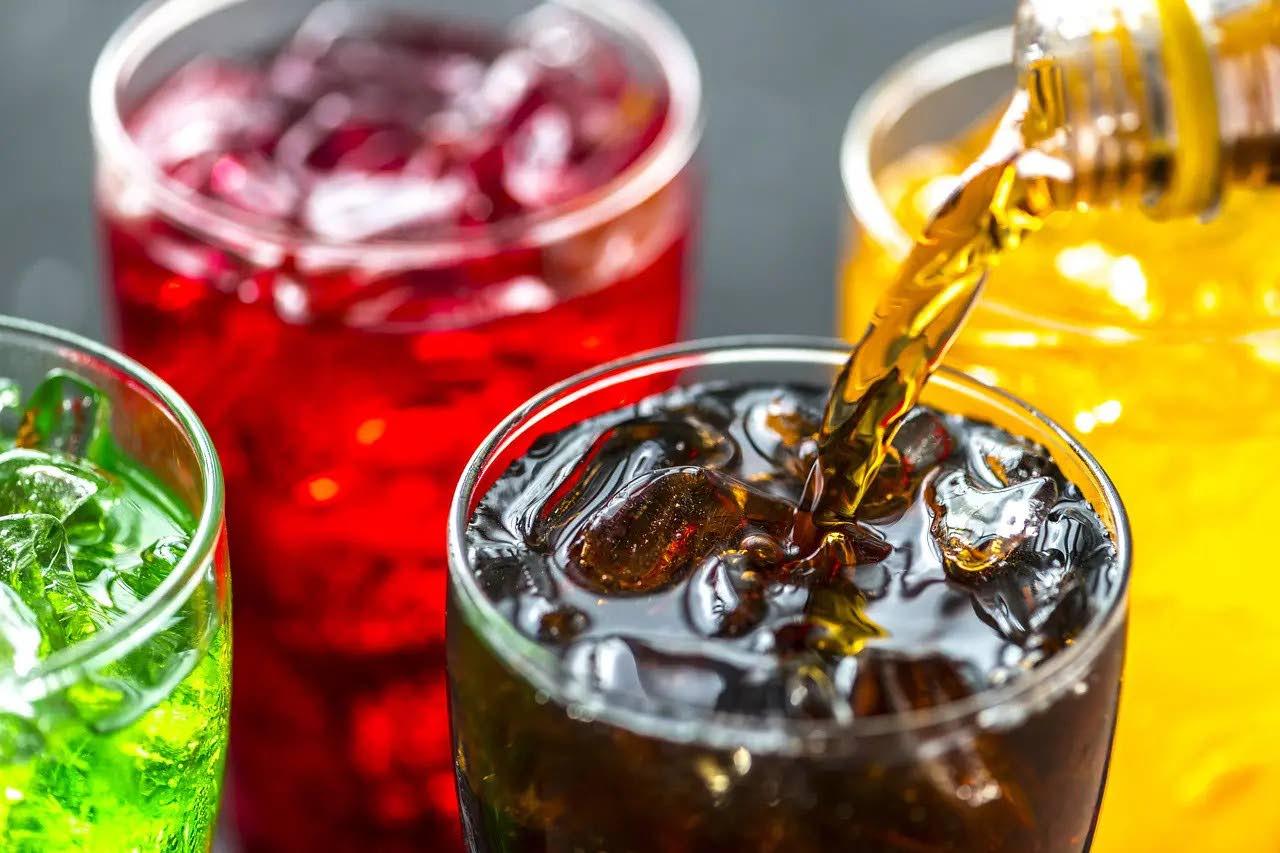
Taxes do not eliminate choice. Sugary drinks will remain available. What changes is the economic signal associated with that choice..


