Protect our kids
NPTAJ president speaks out against careless use of student-athlete images and inapprorpiate comments
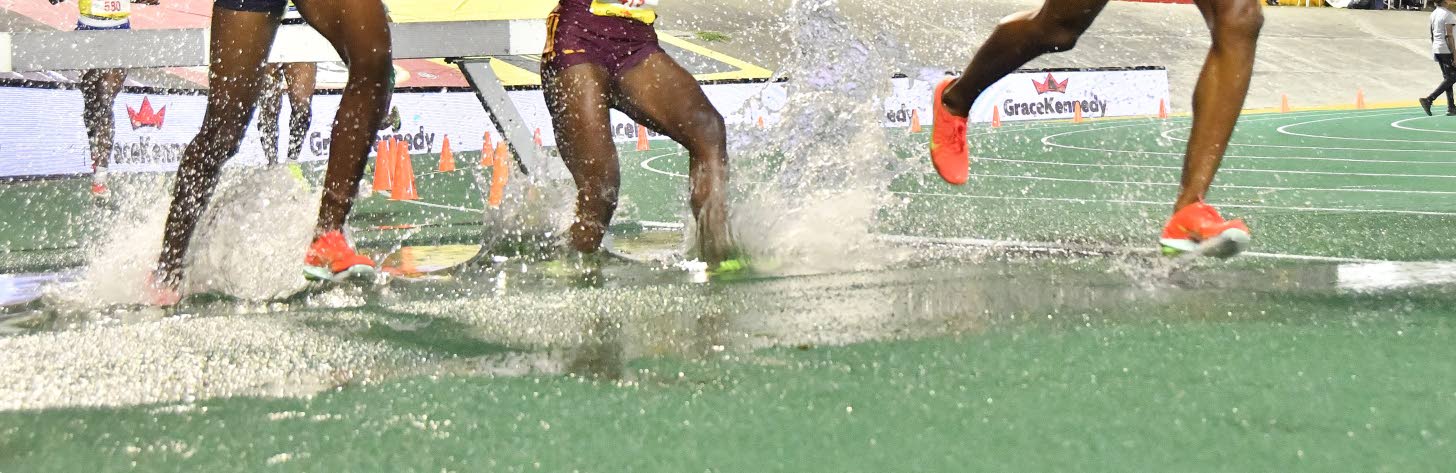
INAPPROPRIATE comments under social media posts covering track and field events — even those featuring youngsters captured in the heat of competition — have become quite frequent in the local space.
While such behavior is inappropriate when directed at adults in competition, it is also seen affecting children participating in the ISSA/GraceKennedy Boys’ and Girls’ Athletics Championships (Champs) and other junior meets, raising concerns about the overall environment surrounding youth athletics.
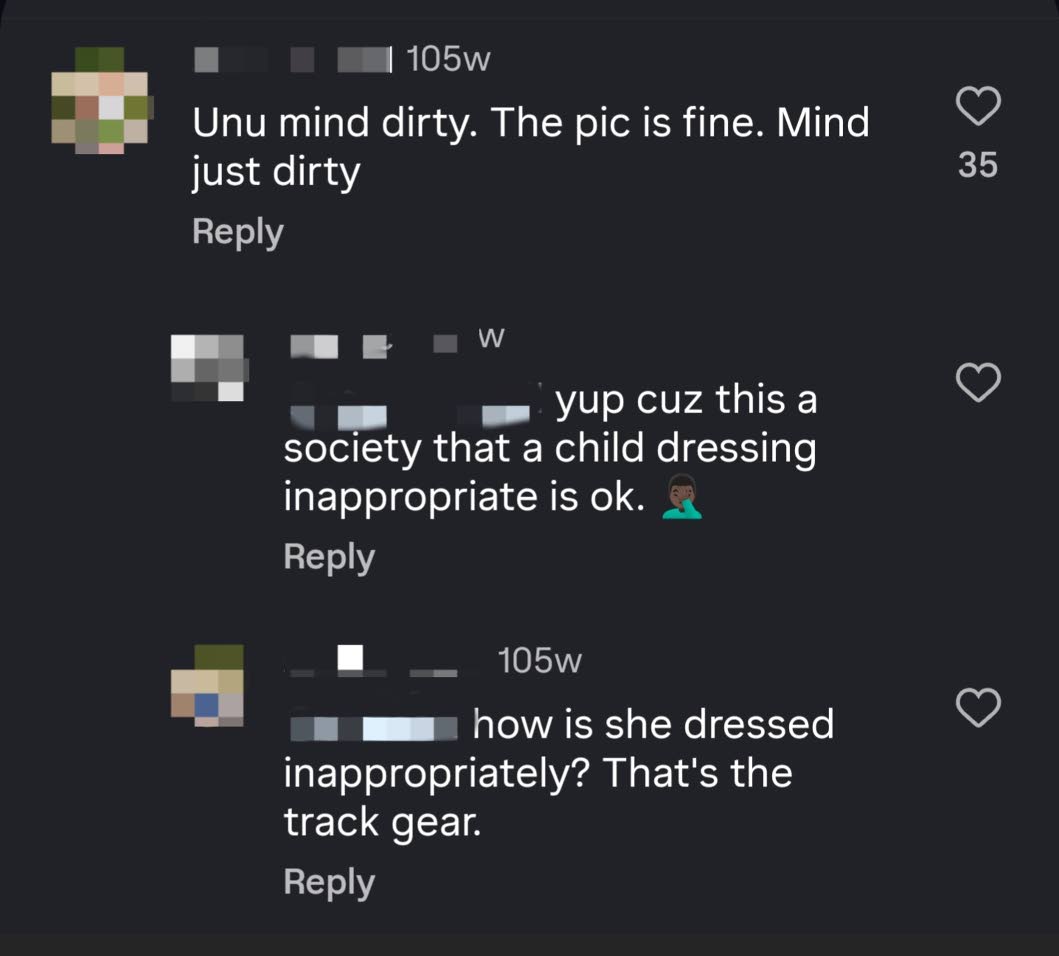
Comments across several platforms target girls’ bodies — including their physique and pelvic region — while boys are also subjected to remarks about “bulges” and “prints”.
Athletes say the clothing supports freedom of movement and performance, and some schools aim to balance this with age-appropriate standards. While a few Champs competitors are 18 or older, most are younger, and for those, some schools encourage the use of shorts or longer tights in place of bikini-style bottoms, where possible.
This is an issue that ISSA has expressed concern about, but can more be done in terms of a dress code to protect children?
National Parent Teacher Association of Jamaica (NPTAJ) President Stewart Jacobs says the issue is less about what athletes wear and more about how they are being portrayed, particularly by content creators on social media.
“Over the years, our track and field has had a very diligent way in which it portrays itself,” Jacobs told the Jamaica Observer. “Undoubtedly, ISSA has done a fantastic job in how they have ensured they protect the children and their exposure. However, we do find from time to time — especially with the introduction of social media and how widespread it is — those taking photos for social media are being very deliberate in zooming in on areas of our children that I think is a bit inappropriate and a bit suggestive at times.”
Jacobs argued that such behaviour is often driven by a desire for online attention, warning that it should never come at the expense of children. He says authorities, including ISSA, should consider policies governing how images of minors are captured and shared.
Referencing existing legislation, he says the Child Protection Act remains in force at Champs and that student-athletes must be viewed primarily as students. He says schools have generally done well in ensuring modest dress, and urged them to continue.
“I would just hope that the schools that are sending their children out there continue to dress their student-athletes as modestly as they’ve been doing,” he said. “They’ve done a very good job of that. As I’ve said before, ISSA is doing very well to maintain the same protocols from school and in the classroom at Champs. At the end of the day, it’s a school event, it’s for children, and it’s being viewed by adults. At no time at all should the features of our student-athletes be overly exposed by people in social media.”
Jacobs was quick to distinguish between traditional media and newer digital creators, insisting that the issue lies largely with the latter.
“Traditional media is not doing it but I do find that the new wave of social media at Champs has been a bit too much in trying to bring it out,” he said.
Jacobs mentioned a lack of training and standards in content creation as a major factor, describing the current landscape as a “free for all” and stressing the need for education in ethical media practices. He says there must be guidance on how to capture images of children and what constitutes appropriate content.
He also linked the trend to broader societal issues, arguing that increasing sexualisation has eroded respect for the human body.
“There’s a breakdown in society, and there is an extreme crave for sex and pornography, and the human is seen no longer as a sacred being but as something for sexual glorification and quenching. It has to stop,” he said while urging ISSA to take decisive action, including restricting access to certain content creators if necessary.
“If ISSA needs to block and stop some of these content creators from coming inside the stadium, do so. Don’t hesitate to do it; you will get the support of the NPTAJ and all well-thinking Jamaicans. It’s too much now, and you have adults out there who are just commenting on our children as if they are at Champs to be exposed for pornography, and they’re not.”
Jacobs warned that unchecked behaviour could normalise harmful attitudes among young people.
ISSA President Keith Wellington acknowledged concerns about inappropriate reactions but says athletes are, for the most part, dressed appropriately for competition.
“There’s a particular standard and practice in track and field about how you dress,” Wellington told the Observer. “Persons who make negative comments need to be more caring and mindful about children. We have our standards at ISSA, and we implore our schools to ensure that the students and representatives of schools are dressed in a particular way.”
Wellington says, to his knowledge, there has been little cause for concern regarding attire at Champs, and that athletes are generally outfitted in line with accepted norms of the sport.
“From my recollection, I may be wrong but I think, for the most part, student athletes are dressed appropriately,” he said. “I’m not sure what it is that some persons will see to be critical of or commenting on inappropriately but, for the most part, I think athletes are dressed for the occasion,” he said.
The Observer contacted Jamaica’s Children’s Advocate Diahann Gordon-Harrison for a comment but calls and text messages went unanswered.

JACOBS…there’s a breakdown in society, and there is an extreme crave for sex and pornography, and the human is seen no longer as a sacred being but as something for sexual glorification and quenching. It has to stop.
.

.

.

.