



$8-billion agriculture shield
Jamaica gets largest-ever grant from Green Climate Fund to help vulnerable farmers
THE Green Climate Fund (GCF) has approved a US$50-million (approximately $8-billion) project, supported by the Food and Agriculture Organization of the United Nations (FAO), to enhance the climate resilience of vulnerable small farmers across six central Jamaica parishes that are responsible for roughly 70 per cent of the country’s domestic food.
Of this amount US$40 million will be in the form of a grant from the GCF, while the Jamaican Government will provide the additional US$10 million.
The project, titled ADAPT Jamaica: Enhancing climate change resilience of vulnerable smallholders in Central Jamaica, represents the first single-country climate investment Jamaica has received from the GCF and will be implemented in Clarendon, Manchester, St Ann, St Catherine, St Elizabeth, and Trelawny.
It was approved on Thursday during the 44th meeting of the GCF Board in Songdo, South Korea.
Co-financed by the Jamaica Social Investment Fund (JSIF); Jamaica’s Ministry of Agriculture, Fisheries and Mining; the Development Bank of Jamaica (DBJ); and the FAO, the project will reach more than 736,000 beneficiaries, including 334,421 women.
It focuses on areas in which climate risks and food security challenges are most severe due to an increased frequency of hurricanes, longer droughts, and progressively erratic rainfall — hazards that are already lowering yields, increasing food loss, and threatening rural livelihoods nationwide.
JSIF and the DBJ — both GCF direct access entities — are not only co-financiers and co-executing partners, but will also be instrumental in ensuring the long-term sustainability and country ownership of the project.
The initiative builds on a previous FAO-led GCF readiness project that funded critical feasibility studies and site-specific analyses for the ADAPT Jamaica project.
In welcoming the project, Minister of Water, Environment and Climate Change Matthew Samuda said Jamaica recognises the critical importance of developing an agriculture sector which is able to withstand the climatic shocks which are inevitable in a warming world.
“Jamaica thanks the GCF for their consideration and look forward to working with the FAO and our local partners to deliver against the project’s objectives,” said Samuda.
He pointed out that ADAPT Jamaica comes at a critical moment for the island’s agricultural sector which has been ravaged by recent climate events, including Hurricane Beryl (2024), with losses exceeding US$30 million, and Hurricane Melissa (2025), the first Category 5 storm to make direct landfall in Jamaica, which left billions of dollars in damage.
“Climate projections from the Intergovernmental Panel on Climate Change (IPCC) indicate increasing risks associated with more frequent, intense tropical cyclones, longer dry spells, and greater rainfall variability. These threats have exacerbated soil erosion, accelerated land degradation, and placed added pressure on forested landscapes. Post-harvest food loss — estimated at 30-40 per cent for many crops — remains a persistent challenge,” added Samuda.
According to Samuda, the Dr Andrew Holness-led Administration is pledged to advancing national climate resilience through strong partnerships, data-driven solutions, and sustainable investment.
“ADAPT Jamaica represents a transformative milestone in Jamaica’s pursuit of a secure, climate-ready agricultural sector that protects the nation’s farmers, strengthens food systems, and builds resilience for generations to come,” said Samuda.
For his part, Minister of Agriculture Floyd Green said, “The approval of the ADAPT Jamaica project is both timely and critical for our country. Our farmers are on the front line of climate change, facing more intense droughts, stronger hurricanes, and increasing production risks.
“This investment allows us to move from response to resilience by strengthening infrastructure, expanding access to climate-smart technologies, and improving how farmers produce, store, and bring food to market. It is a decisive step toward securing Jamaica’s food systems for the future.”
Both Samuda and Green are expected to provide more details at a press conference today, the Jamaica Observer has learnt.
The ADAPT Jamaica project seeks to address the challenges facing Jamaica’s agricultural sector by integrating climate-resilient farming practices, improved water and post-harvest systems, strengthened climate information and early warning services, and better access to finance and markets.
Through Farmer Field Schools, solar-powered cold and dry storage, and stronger market and finance linkages, the project aims to reduce food loss, stabilise incomes and build resilience across agricultural value chains.
Demonstration sites will showcase hurricane-resistant protected agriculture, including reinforced greenhouses and shade houses capable of withstanding Category 4-5 storms.
Farmers will also learn how solar-powered irrigation and water harvesting systems can help manage drought and heat stress while reducing operating costs. The model farms will promote agroforestry and soil conservation practices such as contour planting, mulching, and integrating trees into farming systems to stabilise slopes, reduce erosion, restore soil health and protect surrounding ecosystems.
To reduce food loss, the farms will demonstrate climate-smart storage and basic processing solutions, including solar-powered cold and dry storage, enabling farmers to maintain produce quality and reduce post-harvest loss
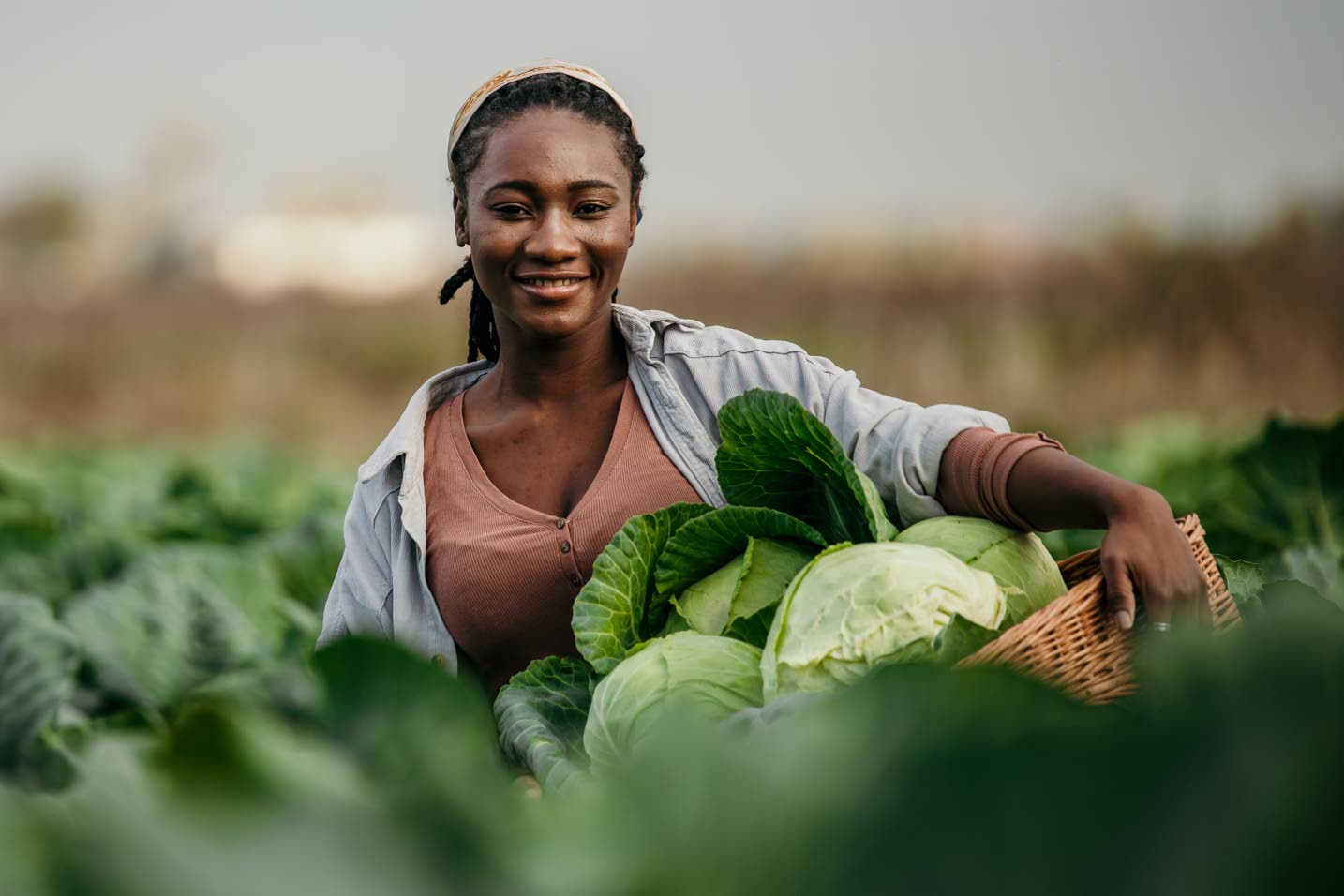
The project will reach more than 736,000 beneficiaries — including 334,421 women. It focuses on areas where climate risks and food security challenges are most severe due to an increased frequency of hurricanes, longer droughts, and progressively erratic rainfall. (Photo: Adobe stock)
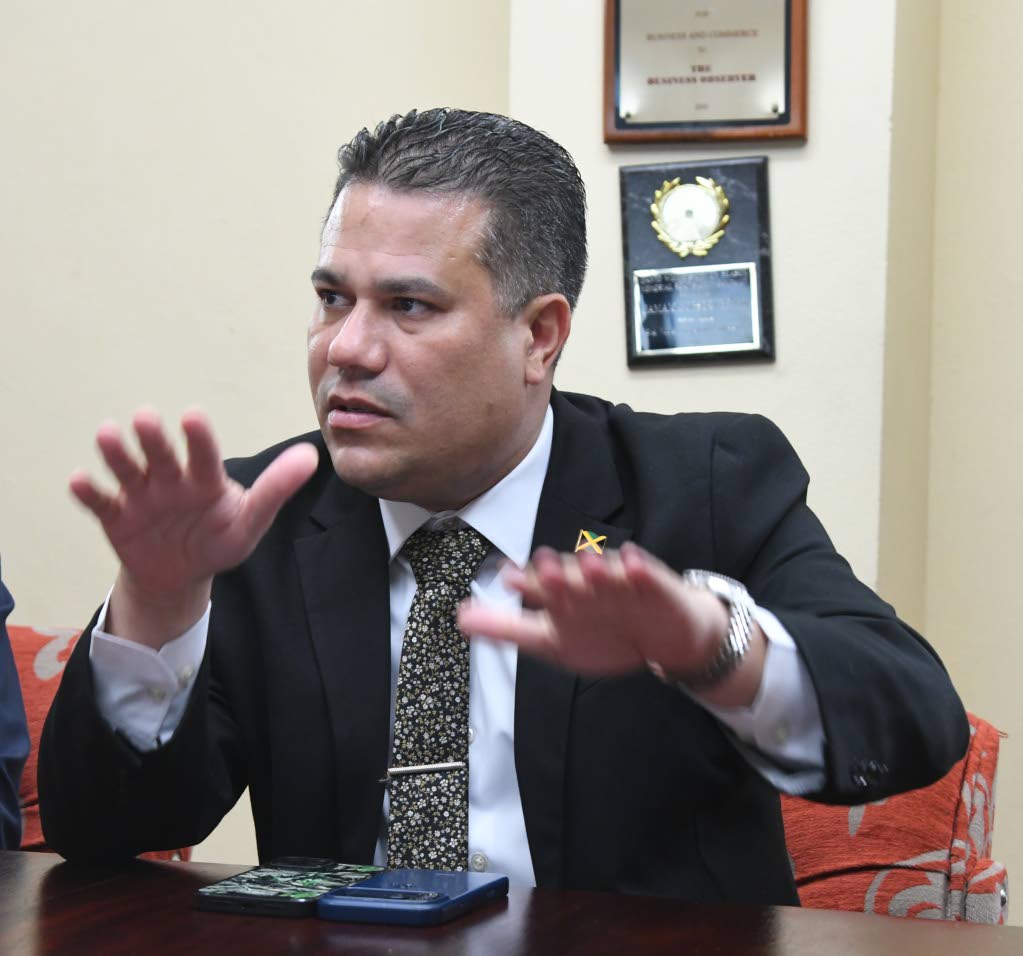
SAMUDA… Jamaica recognises the critical importance of developing an agriculture sector which is able to withstand the climatic shocks which are inevitable in a warming world
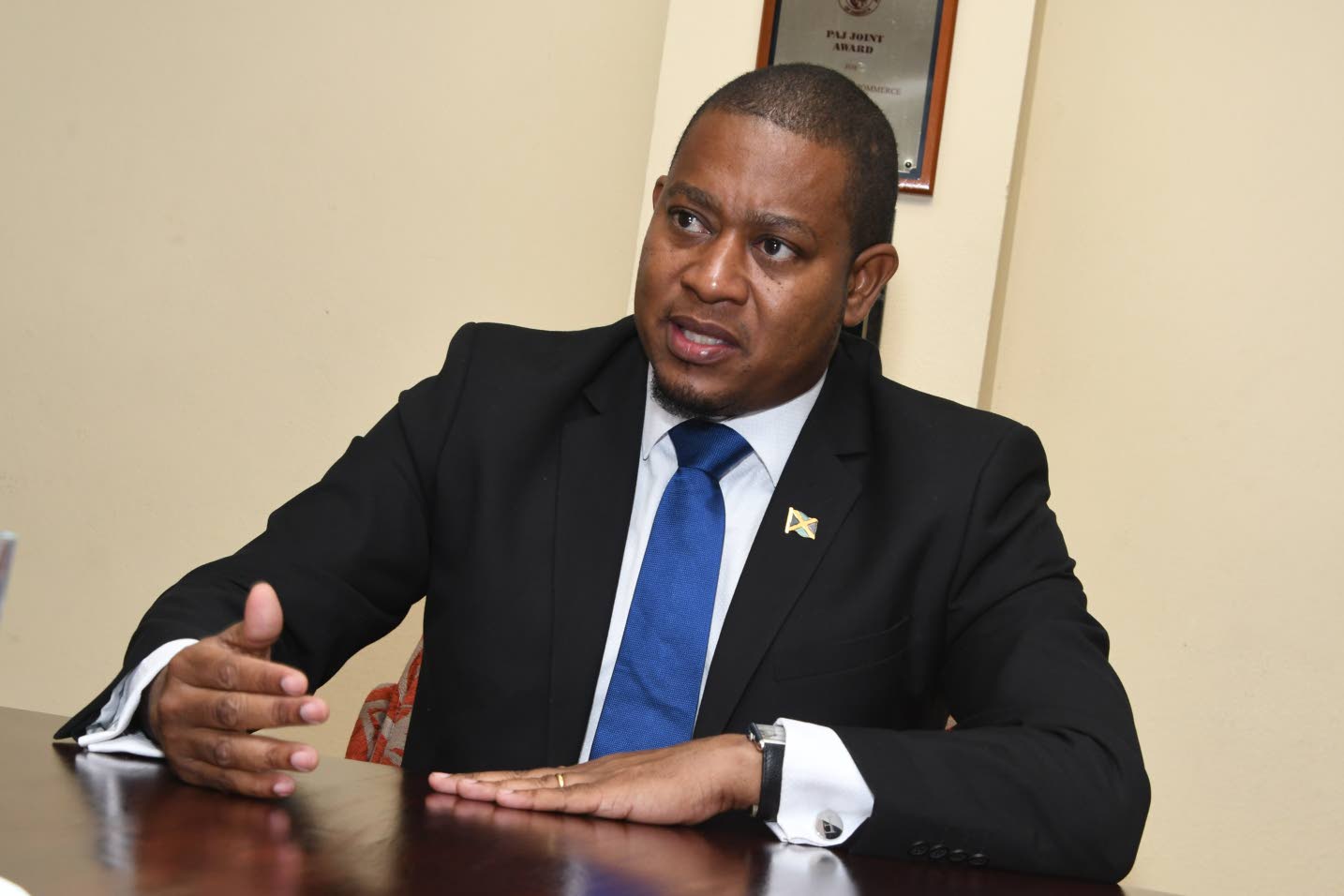
Agriculture Minister Floyd Green


