



Safety in the driver’s seat: A call to action
THE latest report from the Island Traffic Authority (ITA) brings bittersweet news. On one hand, there is a glimmer of hope: road fatalities are down 31 per cent compared to this time last year. On the other hand, the numbers remain heartbreaking.
While statistics show that men account for most road fatalities (76 per cent), women are far from immune. In fact, private motor vehicle passengers account for the highest proportion of deaths. This means that even when women aren’t behind the wheel, their lives and those of their children are at risk.
The rise in child fatalities — seven children lost in just the first 54 days of this year — is a clarion call.
Here is how we at GKFG General Insurance Segment (GK General Insurance & KEY Insurance) believe drivers can take control of their safety and lead the charge for a ‘Vision Zero’ culture on our roads to eliminate all traffic fatalities and severe injuries while promoting safe, equitable mobility.
Make restraints non-negotiable
The National Road Safety Council has cited systemic failures in seatbelt and child restraint use. In Jamaica, we sometimes treat a car seat as an extra, but globally, it is the single-most effective way to save a child’s life in a crash. The truth is, if the car is moving, everyone is buckled in, child, pet, or adult. No exceptions for short trips or quiet back roads. Ensure your child is in an age-appropriate car seat or booster. A seatbelt alone is not enough for a small frame.
Use your voice as a passenger
Colonel Daniel Pryce of the ITA urges passengers to speak up, and I want to echo that. If you are in a taxi, a coaster bus, or a friend’s car and they are driving recklessly or speeding, speak up. Your silence is seen as consent to danger. We need to refuse to travel with drivers who disregard the rules. It is better to arrive late than to never arrive at all.
Master the ‘safety circle’
Before you even put the key in the ignition, do a quick 360-degree check of your vehicle. Check your tyres and lights. Ensure your mirrors are adjusted for your height, not your partner’s. Also, stay alert. Distracted driving (checking a WhatsApp message or applying lipstick or foundation/make-up at a light) is a cause of collisions.
Advocate for safer zones
We must demand better infrastructure. Whether through your Parent Teachers’ Association (PTA) or community group, advocate for safety measures near schools, such as raised pedestrian crossings and enforced 30km/h zones. If countries like Sweden and the Netherlands can achieve near-zero child fatalities through smart design, why can’t we?
Practise defensive, not aggressive, driving
The road is not a place for your ego. If someone is tailgating you or driving aggressively, pull over and let them pass. Also, look out for crash hotspots. Be extra cautious in known crash areas or during rush hour when patience is low, and speeds are high. Keep your distance. Always maintain enough clearance to react if the car in front of you brakes suddenly.
Road safety is a shared duty. As the pillars of our families, we have the power to set the standard. Let’s make 2026 the year we move beyond statistics and towards a culture of care. When you get behind the wheel this week, remember you aren’t just driving a car, you are carrying Jamaica’s future. Let’s help get everyone home safely.
Tammara Glaves Hucey is managing director – general insurance businesses segment at GraceKennedy Financial Group.
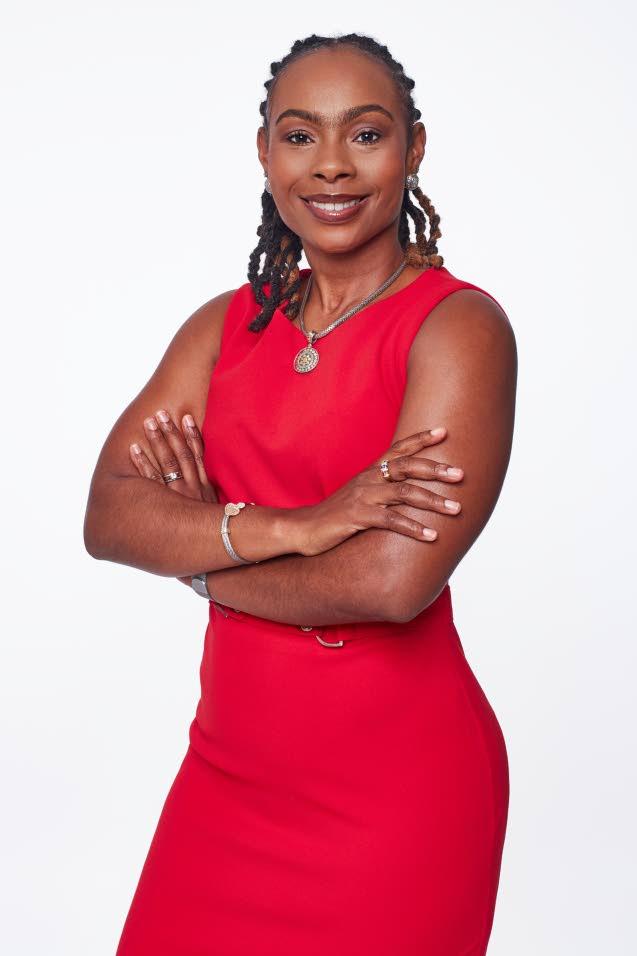
Tammara Glaves Hucey


