



Sex crime silence: Yes or no?
NGO head, PAJ and others hold conflicting views on withholding names of accused
EXECUTIVE director of Eve for Life Jamaica Joy Crawford is calling for the identities of individuals accused of sexual crimes against minors to be made public once they are before the court, arguing that the practice of not disclosing too often hides behind the justification of protecting the child while denying victims the justice they seek.
Crawford reasoned that when a victim publicly names his or her abuser it is a deliberate act of courage and a call for accountability — one that should not be muted by editorial caution. She maintained that once an accused individual has been formally charged and brought before the court there should be no justification for withholding his/her identity, adding that continued anonymity risks emboldening offenders and undermining public trust in the justice system.
Her stance has sparked sharp criticism from the Press Association of Jamaica, whose president, Dashan Hendricks, warned that naming alleged perpetrators could inadvertently expose victims, particularly in cases of incest or close community ties. He stressed that protecting a child’s right to privacy must remain paramount, noting that revealing the accused’s identity can make it easier for the public to identify the survivor, potentially subjecting them to stigma, trauma, or further harm.
The discussion follows a recent report that a former Member of Parliament (MP) associated with the People’s National Party (PNP) had been charged with incest, a term used to describe sexual activity or relationships between close family members who are related by blood. The allegations are that the former MP took a 13-year-old female relative to run errands in January of this year. Following that, he reportedly brought her to his home where he had sex with her.
A report was made to the police by the survivor, and he was arrested and charged. The name of the accused was withheld to protect the identity of the child.
However, Crawford, whose organisation works to empower young, vulnerable mothers and survivors of sexual violence by providing mentorship, counselling, and strong advocacy on their behalf, insists that it is time for Jamaica to “call a spade a spade’’ and identify offenders.
“We need to name them. Once they have gone before the courts it should not be a secret,” she told the Jamaica Observer.
“We always say we are protecting the victims, and I can appreciate that, we are protecting the victims. But here’s the deal, are we really protecting the victims? Especially if a victim comes forward and names their perpetrator, they want justice. They want action, so who are you really protecting? Yes, of course, there’s embarrassment; yes, there’s stigmatisation. Yes, there are persons who are going to be looking at the person, but we have to understand that when the victim gets that mental toughness and clarity to come forward, they don’t want to be pushed back in,” said Crawford.
She continued: “When they come and say, ‘I’m going to name this person,’ ‘I’m going to go before the court,’ ‘I’m going to make a report,’ we need to stop saying to them, ‘Oh, no, don’t do that,’ ‘Don’t let anybody know,’ or ‘Don’t let anybody find out.’ That’s what we do. But remember, they have the disgust, they have counted the costs, and they’re the ones who have said, ‘I am naming this person and I am reporting them to the police.’ We’re the ones who feel uncomfortable about it,” she said.
Crawford insisted that there is a “false sense of, ‘Oh, we’re protecting the victim, so we won’t name the person’ ”.
“No, you’re protecting society, you’re protecting your morality, and you’re protecting your friends — that’s what you’re doing. You’re not protecting the victim — that’s a warped mentality,” stressed the executive director.
The PAJ president, speaking to the Sunday Observer, underscored that media caution is not an attempt to protect perpetrators, but rather to protect the child. Hendricks said, while he understands the argument that victims who come forward want justice and accountability, that cannot be the only consideration for the press.
“Justice for a child does not mean the media should act in a way that could expose that child to further harm. In incest cases, naming the accused may satisfy a public appetite for identification, but it can also defeat the protective purpose of the law if that naming effectively reveals the child. This is why many media houses withhold names in these cases,” he explained.
“It is a legal, ethical, and child protection judgement. It is not about sympathy for perpetrators. It is about recognising that children are uniquely vulnerable, that family-based sexual abuse carries an added risk of indirect identification, and that the law requires the child’s welfare to come first. So my position would be this: If naming an accused person creates a real likelihood that the child can be identified, then the media are right to withhold that name. The first duty is to avoid compounding the harm already done to the child,” he told the Sunday Observer.
Hendricks further noted that the Child Care and Protection Act directly addresses the issue, outlining clear protections for children in media reporting. He cited Section 44, which states that in certain proceedings, “no report of the proceedings shall reveal the name, address, or school, or include any particulars calculated to lead to the identification of any child concerned in the proceedings”.
He added that Section 45 reinforces this in relation to Children’s Court matters, stating: “No report of any proceedings in a Children’s Court shall reveal the name, address, or school or include any particulars calculated to lead to the identification of any child concerned in those proceedings…”
Ultimately, he said the Act calls for the best interest of the child to be paramount to protect them from abuse, neglect, or harm.
“That [Act] is the starting point for any responsible newsroom. In incest matters especially, naming the accused can, in practical terms, identify the child because of the close family relationship. Publication of the adult’s name can make it very easy for members of the public, relatives, neighbours, schoolmates, or people in the community to work out who the child is. Once that happens, the child may suffer a second injury through exposure, stigma, shame, retraumatisation, or social pressure. The media have to weigh that risk very carefully,“ he reasoned.
Youth empowerment group Fi We Children Foundation (FWCF) also supports Hendricks’ stance, noting that while public interest in accountability is understandable, it must never come at the expense of a child’s safety and dignity.
“International standards on child protection and ethical journalism are clear: The identity of a child victim must be safeguarded at all times. Naming or revealing identifying details of the accused in cases of incest or intra-family abuse can indirectly expose the child, causing further harm, stigma, and trauma,” FWCF said in the release last week.
UNICEF guidelines also strictly prohibit naming or identifying child victims of abuse, exploitation, or crime to prevent stigma, retraumatisation, and danger. Journalists and officials must obscure visual identities, change names, and avoid details that could lead to recognition, ensuring the child’s safety and privacy are prioritised.
However, Crawford remains firm in her stance, arguing that withholding a name does not guarantee a person’s identity will remain concealed, nor can it offer any real assurance of protection.
“Even if it’s not in the media, somebody in the neighbourhood knows that the man was charged, the police know that he was charged, the man on the street knows that he was charged. It’s not a secret, guys,” argued Crawford.
“…We need to give them the support that they need, we need to bring the perpetrator to justice, we need to give them the counselling…Let’s take care of them, but do not put them back in silence because we are uncomfortable or we feel bad about whoever the person is. It’s not for the victim, it’s for us. It looks ugly for us. Let’s stop deceiving ourselves,” she stressed.
Incest is a long-standing issue in Jamaica. But recent data from the Jamaica Constabulary Force (JCF) indicates a steady decrease in cases from 33 reports in 2019 to eight as of November 18, 2024.
A Jamaica Observer article in 2020 titled ‘Those incest ‘hot spot’ parishes’ further indicated that data from the JCF for the year 2016 showed 30 cases of incest. A year later 29 cases were reported, and 23 reports were made in 2018. While the number of reports have decreased, researchers warn that the figures do not indicate incidents no longer happen as it could be that matters are simply not being reported.
CRAWFORD…do not put them back in silence because we are uncomfortable or we feel bad about whoever the person is Photo: JIS News
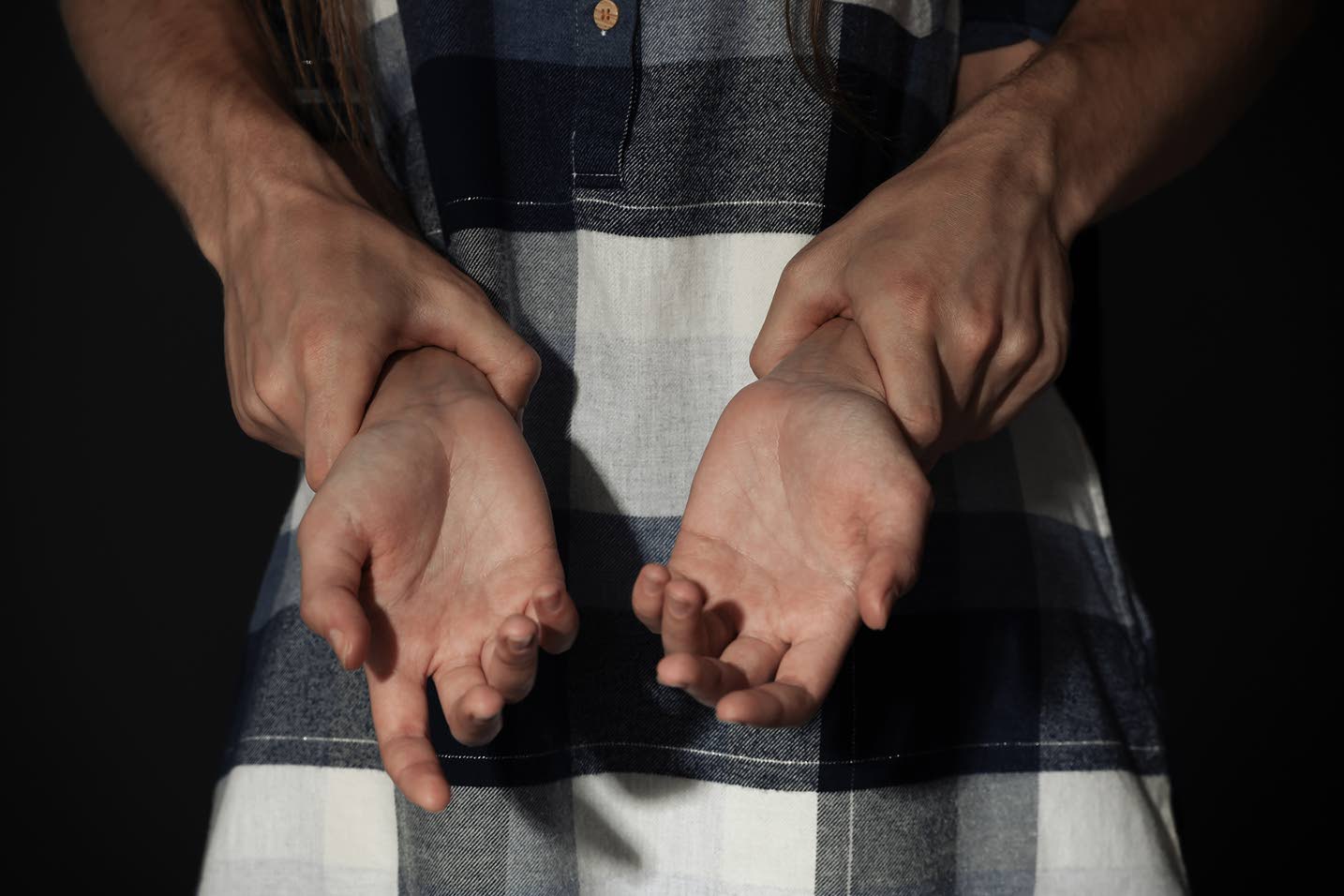
Data from the Jamaica Constabulary Force indicate a decrease in incest cases from 33 reports in 2019, to eight as of November 18, 2024.
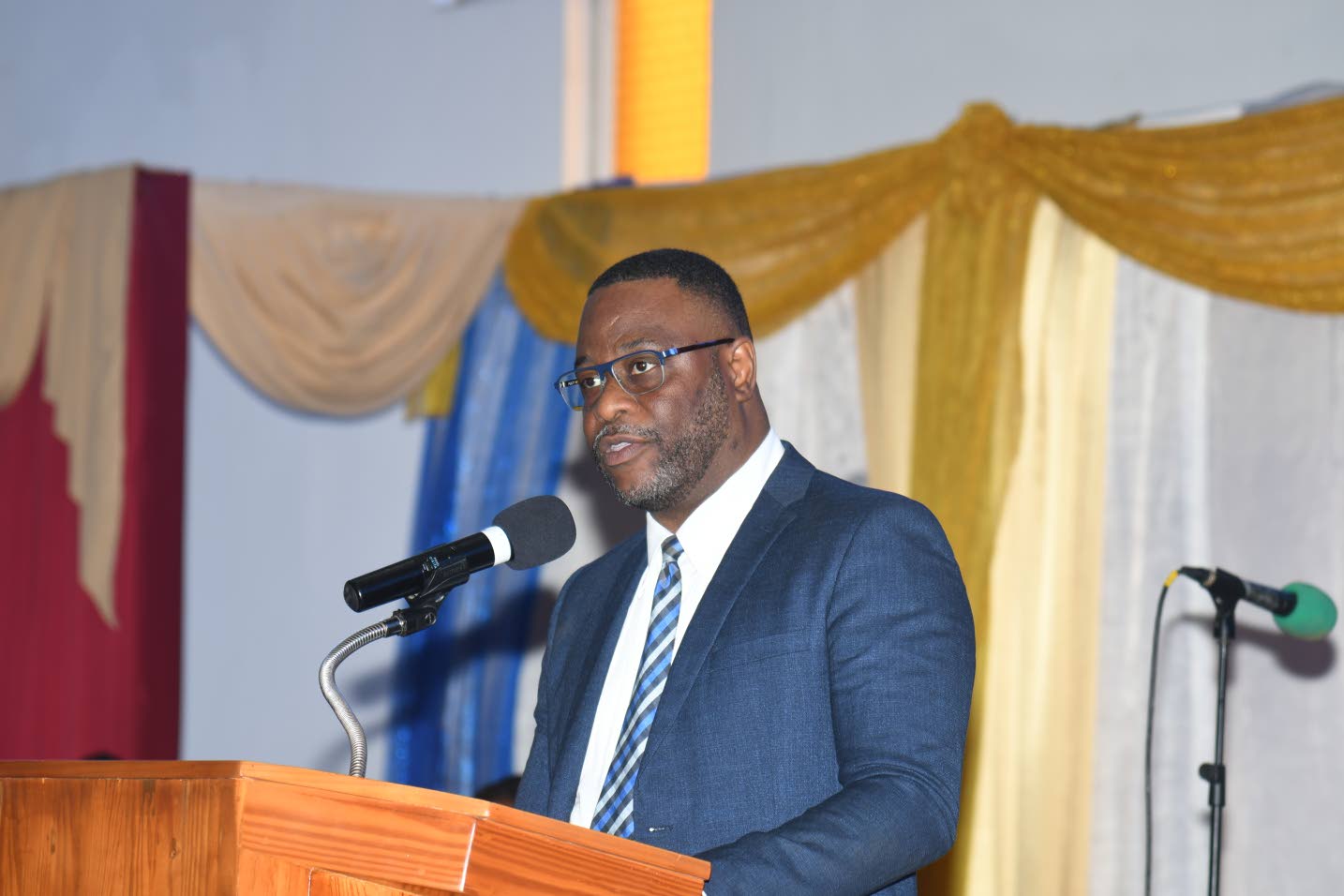
HENDRICKS…justice for a child does not mean the media should act in a way that could expose that child to further harm Photo: Karl Mclarty
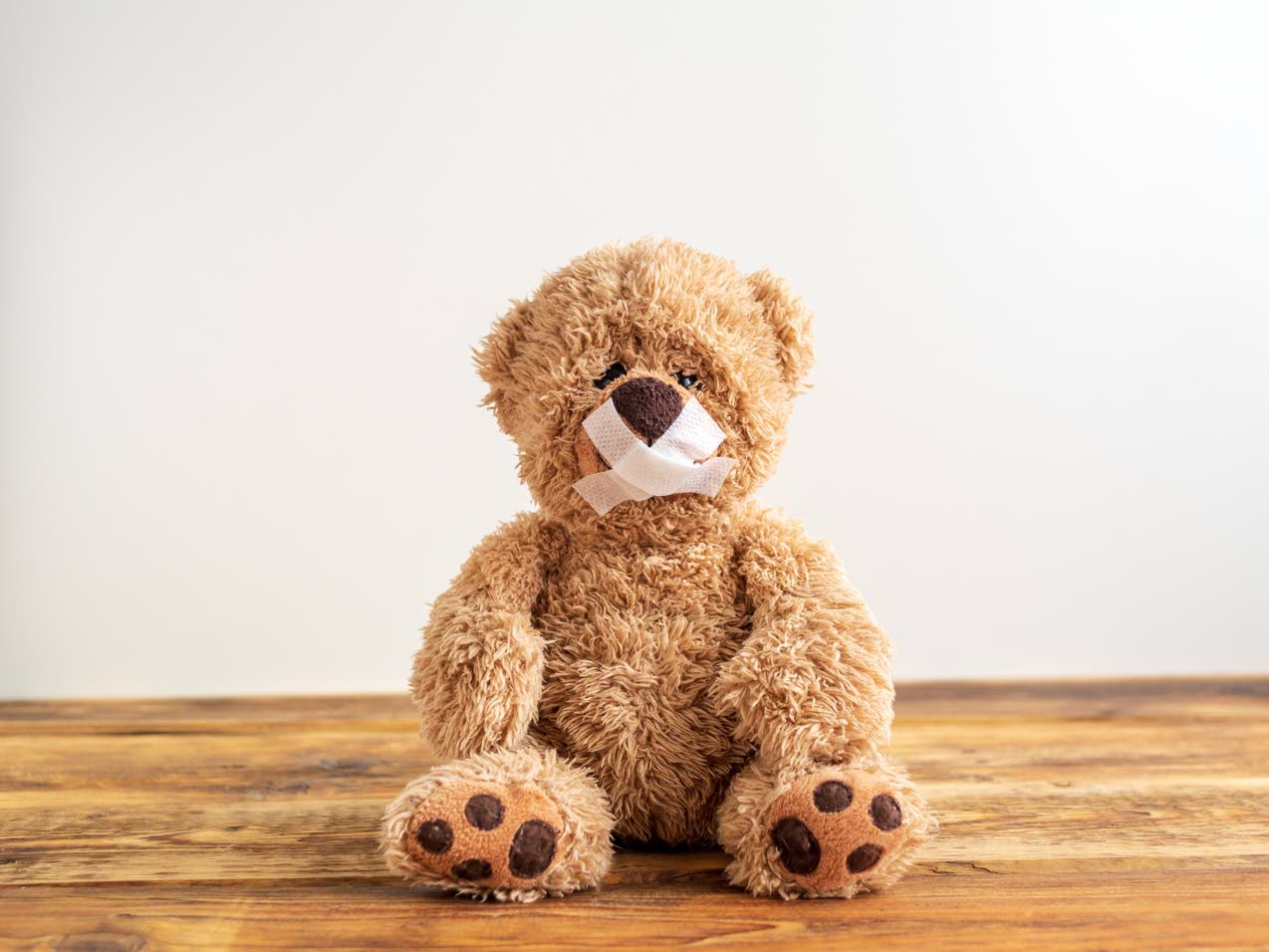
An NGO head questions whether victims are being protected when accused offenders in sex crimes involving minors are not named.


