Strategy steadies investors during geopolitical uncertainty
The Sterling Report
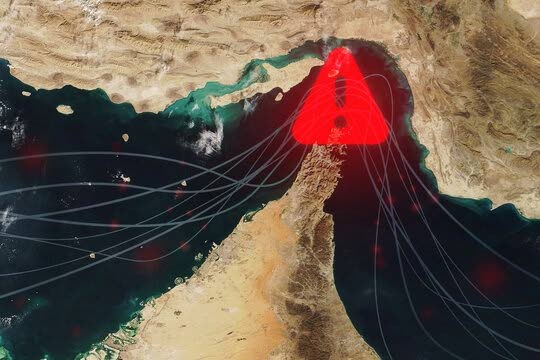
CHANGE is constant, and these days volatility seems to be the name of the game. It may appear to the fixed-income investor that volatility is the new normal. Over the past five years we saw the return of inflation, the COVID-19 pandemic, and interest rates rose to their highest levels in decades. Then, just when we thought things were slowly going back to normal, we are now facing geopolitical tension in the Middle East.
Many investors are understandably concerned about the potential impact these tensions will have on their portfolios. With the current situation in the Middle East it is prudent to focus on what is known and to be strategic with your investment plans. Constant speculation about the unknown can lead to rash decisions that divert investors from their long-term financial well-being.
While past performance does not necessarily indicate future results, fundamentals remain particularly important during times of uncertainty. Long-term investing rewards close attention to detail and the fundamentals of a business, both of which tend to have a more lasting impact than periods of market tension. Once your issuer continues to service their debt and pay on time, it may not be best to hastily exit your position. While there has been a recent rise in yields due to bond prices falling, investors should avoid acting prematurely. Interest rates are not yet rising, so you may exit a position and not be able to replicate the current coupon or yield you hold on to your existing instruments.
Some investors also may be inclined to liquidate investments and move to cash. Studies of global investing have shown us that portfolios with a balanced mix of equities and bonds historically outperform cash over time. If you already have cash, you may consider holding on to short-term investments like a repurchase agreement or certificate of deposit until you are ready to deploy funds and take advantage of rising yields.
Managing risk in your portfolio matters. The duration of the conflict will shape how markets perform. Being flexible and sensible with your fixed income portfolio at this time is pertinent. The creditworthiness of any new investment is extremely important in the current environment. Investors seeking less volatility should focus on securing investment-grade opportunities — issuers who have strong earnings, healthy balance sheets, and have stood up to the test of time through various economic cycles and geopolitical upheaval.
For the fixed income investor, reliable and recurring income is what is most important. While there is no crystal ball to predict the future, maintaining a disciplined long-term strategy with clear goals and a strong focus on credit quality, supported by a licensed financial advisor, can help you weather any geopolitical storms.
Christine Rankine is assistant vice-president, personal financial planning at Sterling Asset Management. Sterling provides financial advice and instruments in US dollars and other hard currencies to the corporate, individual and institutional investor. Visit our website at www.sterling.com.jm
Feedback: if you wish to have Sterling address your investment questions in upcoming articles, e-mail us at info@sterlingasset.net.jm.