


Subscribe Login
Jamaica Observer
ePaper
The Edge 105 FM Radio Fyah 105 FM
Jamaica Observer
ePaper
The Edge 105 FM Radio Fyah 105 FM
    • Home
    • News
      • Latest News
      • Cartoon
      • International News
      • Central
      • North & East
      • Western
      • Environment
      • Health
      • #
    • Business
      • Business Bites
      • Social Love
    • Sports
      • Football
      • Basketball
      • Cricket
      • Horse Racing
      • World Champs
      • Commonwealth Games
      • FIFA World Cup 2022
      • Olympics
      • #
    • Entertainment
      • Music
      • Movies
      • Art & Culture
      • Bookends
      • #
    • Lifestyle
      • Page2
      • Food
      • Tuesday Style
      • Food Awards
      • JOL Takes Style Out
      • Design Week JA
      • Black Friday
      • #
    • All Woman
      • Home
      • Relationships
      • Features
      • Fashion
      • Fitness
      • Rights
      • Parenting
      • Advice
      • #
    • Obituaries
    • Classifieds
      • Employment
      • Property
      • Motor Vehicles
      • Place an Ad
      • Obituaries
    • More
      • Games
      • Elections
      • Jobs & Careers
      • Study Centre
      • Jnr Study Centre
      • Letters
      • Columns
      • Advertorial
      • Editorial
      • Supplements
      • Webinars
    • Home
    • News
      • Latest News
      • Cartoon
      • International News
      • Central
      • North & East
      • Western
      • Environment
      • Health
      • #
    • Business
      • Business Bites
      • Social Love
    • Sports
      • Football
      • Basketball
      • Cricket
      • Horse Racing
      • World Champs
      • Commonwealth Games
      • FIFA World Cup 2022
      • Olympics
      • #
    • Entertainment
      • Music
      • Movies
      • Art & Culture
      • Bookends
      • #
    • Lifestyle
      • Page2
      • Food
      • Tuesday Style
      • Food Awards
      • JOL Takes Style Out
      • Design Week JA
      • Black Friday
      • #
    • All Woman
      • Home
      • Relationships
      • Features
      • Fashion
      • Fitness
      • Rights
      • Parenting
      • Advice
      • #
    • Obituaries
    • Classifieds
      • Employment
      • Property
      • Motor Vehicles
      • Place an Ad
      • Obituaries
    • More
      • Games
      • Elections
      • Jobs & Careers
      • Study Centre
      • Jnr Study Centre
      • Letters
      • Columns
      • Advertorial
      • Editorial
      • Supplements
      • Webinars
  • Home
  • News
    • International News
  • Latest
  • Business
    • Business Bites
  • Cartoon
  • Games
  • Food Awards
  • Health
  • Entertainment
    • Bookends
  • Regional
  • Sports
    • Sports
    • World Cup
    • World Champs
    • Olympics
  • All Woman
  • Career & Education
  • Environment
  • Webinars
  • More
    • Football
    • Elections
    • Letters
    • Advertorial
    • Columns
    • Editorial
    • Supplements
  • Epaper
  • Classifieds
  • Design Week
Canning: The Future of Food Security?
Canning is one of the safest food preservation methods available.
Food, Lifestyle
October 9, 2025

Canning: The Future of Food Security?

Canned foods have long had a bad rap in Jamaica. From canned curried goat to ackee, callaloo, mannish water, and even sugar cane — social media erupts with disbelief whenever a new canned version of a traditional dish surfaces. The outrage is often emotional, with many Jamaicans questioning the authenticity, taste, and healthiness of such products.

However, while scepticism is understandable, it’s time to look beyond the label and see canned foods for what they truly are: a powerful tool for food safety, food security, and resilience in the face of climate change.

The Science Behind Canning

Canning is not just a matter of putting food in a tin. It is a carefully controlled scientific process that relies on heat and hermetic sealing to ensure safety and shelf stability. Foods are placed in containers — traditionally metal cans, but also glass jars, retort pouches, and other hermetically sealed packaging — and then heated to a temperature high enough to kill bacteria, yeasts, and moulds.

The critical target is Clostridium botulinum, the bacterium that produces the deadly botulinum toxin. By heating food to the right temperature for the right length of time, spores are destroyed, and the food remains safe. Once sealed airtight, no new microorganisms can enter. This creates a shelf-stable product that can last months or even years without refrigeration — all without the need for chemical preservatives.

It’s also important to note that the liquid often seen inside canned foods — the brine or packing medium — is typically just water, sometimes with added salt or sugar. These aren’t harmful chemicals, but simple solutions that help preserve texture, flavour, and safety. In the case of fruits, syrups are often used; for vegetables and meats, plain brine (a mixture of salt and water) is commonest.

In short, canning is food safety science at work: heat to destroy pathogens, hermetic sealing to keep them out, and a simple brine or syrup to maintain quality — not a cocktail of harmful additives.

The Climate Crisis is Changing Our Plate

Jamaica, like many other small island developing states, is already feeling the heat of climate change — literally. Droughts are becoming more severe. Flooding is more frequent. Soil health is declining. Rising sea temperatures are impacting fisheries and marine ecosystems. More intense hurricanes mean increased destruction to crops and livestock.

Even our beloved jerk chicken may not escape unscathed. Pimento wood, used to infuse that signature smoky flavour, comes from slow-growing trees that depend on stable forest conditions. As deforestation and erratic weather increase, the availability of this key resource is at risk.

These aren’t distant threats — they’re happening now. And they’re already influencing how, when, and what we eat.

What is Food Security, and Why Does it Matter?

Food security means having reliable access to sufficient, safe, and nutritious food to maintain a healthy life. It’s not just about full supermarket shelves — it’s about making sure food remains accessible during natural disasters, trade disruptions, or economic shocks.

Canning helps to stabilise our food supply. It extends shelf life, reduces waste, and allows for the storage of foods that might otherwise spoil. When fresh produce becomes scarce due to drought or a hurricane wipes out a harvest, canned foods can fill the gap safely.

Busting the Myths Around Canned Foods

One of the biggest concerns people have about canned food is that it’s “unhealthy” or “full of chemicals”. Most canned foods contain exactly what’s stated on the label — the food itself, often with a little added salt, sugar, or water for preservation or taste. This is furthermore verifiable via the label.

There are no mystery chemicals or strange additives in properly canned callaloo, ackee, or mackerel. In fact, unlike some “fresh” produce that may travel long distances and sit for days before reaching your plate, canned foods are sealed and processed at peak freshness, locking in nutrients while preventing spoilage.

Canning is also one of the safest food preservation methods available. The high heat used in the process destroys harmful bacteria like Clostridium botulinum, the one responsible for botulism. Furthermore, with modern manufacturing standards, most reputable brands do not use BPA-lined cans anymore, responding to health-conscious consumers. In short, canned foods are not junk food. They’re just preserved differently — and safely.

Canning as Climate Adaptation

As climate change threatens agricultural yields, canning helps reduce post-harvest losses. Fruits and vegetables that would otherwise spoil due to transportation delays, poor storage, or market oversupply can be canned and sold year-round. This supports local farmers, strengthens rural economies, and keeps culturally important foods in circulation.

Jamaica has a proud agro-processing sector, with companies already producing canned ackee, breadfruit, and other traditional staples. With more investment and public trust, this sector could become a cornerstone of Jamaica’s climate-resilient food system.

Feeding the Diaspora, One Can at a Time

For Jamaicans abroad, canned foods are more than just convenient — they’re a lifeline to home. In places where fresh breadfruit or callaloo are hard to find, a can becomes a connection to culture. It helps maintain our food identity across generations and continents. Whether it’s a college student in Canada missing his grandmother’s cooking or a retiree in the UK craving mannish water, canned Jamaican foods deliver comfort, nostalgia, and nourishment.

The Road Ahead: Changing Perception, Shaping the Future

It’s time to evolve the way we think about canned food. Instead of shaming or dismissing it, we should embrace it as part of a modern food safety solution, especially in a world shaped by unpredictable weather, migration, and global market disruptions.

While nothing beats fresh food or traditional preparation methods, we must make space for both. Canned food is not the enemy of culture — it is its insurance policy.

So, the next time you see a can of curried goat or ackee on the shelf, don’t scoff. Think about what it represents: a nation preparing for the future, preserving its past, and protecting its people.


About the Author

Allison Richards is a food safety communicator and the founder of The Food Safety Girl, a consumer awareness platform dedicated to promoting food safety in Jamaica. She is also the host of The Big Bite Food Safety Show, a radio program that educates listeners on food safety issues. With over 14 years of experience in food safety regulation, Allison is passionate about empowering consumers and industry stakeholders to make informed choices that protect both health and the environment.

Allison Richards | thefoodsafetygirlja@gmail.com.
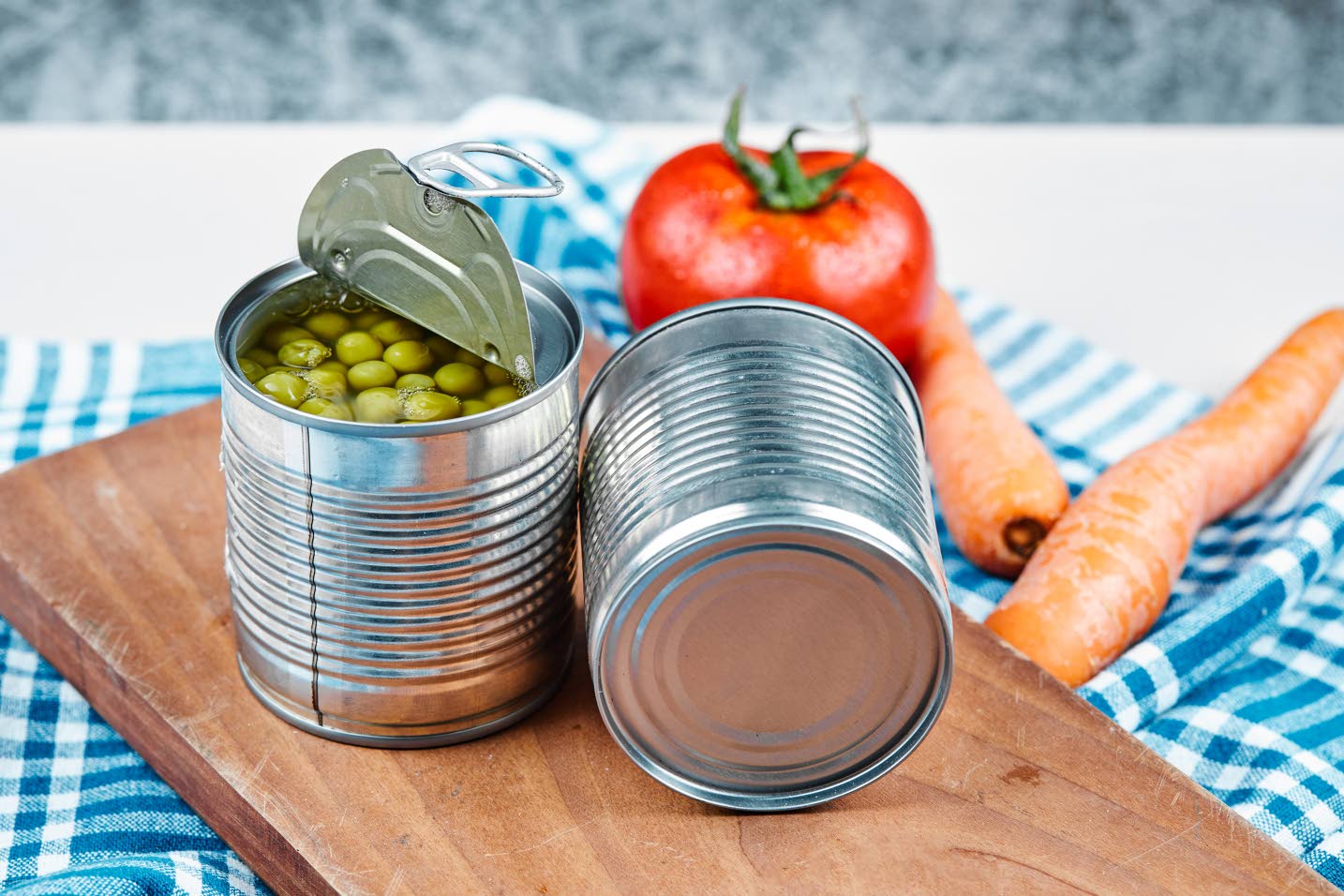
Canning is food safety science at work: Heat to destroy pathogens, hermetic sealing to keep them out, and a simple brine or syrup to maintain quality — not a cocktail of harmful additives.*

Canning is food safety science at work: Heat to destroy pathogens, hermetic sealing to keep them out, and a simple brine or syrup to maintain quality — not a cocktail of harmful additives.
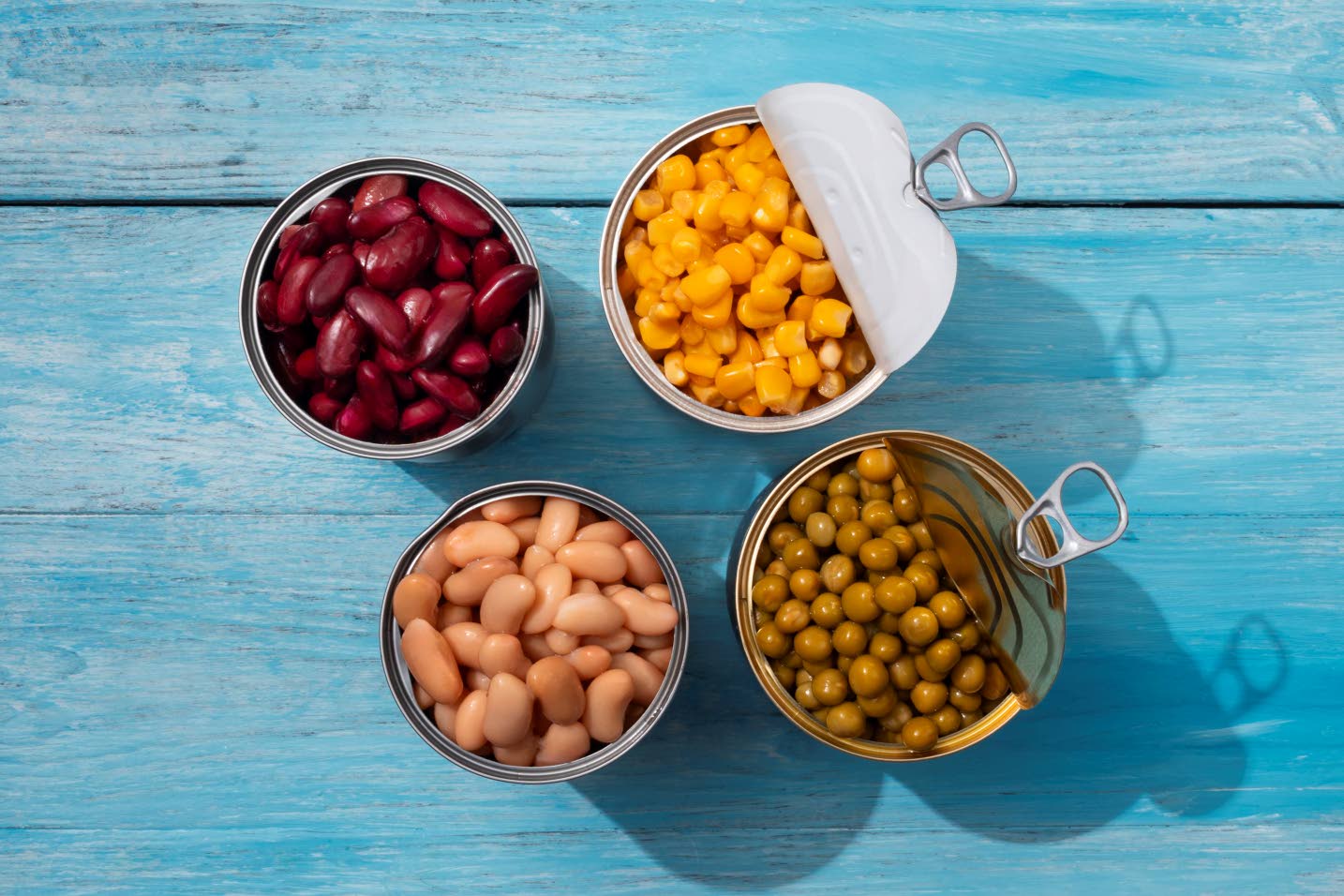
Most canned foods contain exactly what’s stated on the label — the food itself, often with a little added salt, sugar, or water for preservation or taste.*

Most canned foods contain exactly what’s stated on the label — the food itself, often with a little added salt, sugar, or water for preservation or taste.

{"xml":"xml"}{"jamaica-observer":"Jamaica Observer"}
img img
0 Comments · Make a comment

ALSO ON JAMAICA OBSERVER

48-hour curfew imposed in sections of Kingston Eastern
Latest News, News
48-hour curfew imposed in sections of Kingston Eastern
March 17, 2026
KINGSTON, Jamaica — A 48-hour curfew has been imposed in sections of the Kingston Eastern policing division. The curfew took effect at 6:00 pm on Tues...
{"jamaica-observer":"Jamaica Observer"}
Budget Debate: Golding says reasons offered by gov’t for terminating Cuban Medical Programme are unconvincing
Latest News, News
Budget Debate: Golding says reasons offered by gov’t for terminating Cuban Medical Programme are unconvincing
March 17, 2026
KINGSTON, Jamaica — Opposition Leader Mark Golding has described as “unconvincing” the reasons offered by the Jamaican Government for terminating the ...
{"jamaica-observer":"Jamaica Observer"}
Man accused of escaping custody, breaching bail remanded in court
Latest News, News
Man accused of escaping custody, breaching bail remanded in court
March 17, 2026
KINGSTON, Jamaica — A man accused of fleeing police custody after escaping from a Transport Authority vehicle was remanded when he appeared in the Kin...
{"jamaica-observer":"Jamaica Observer"}
Brazil starts to restrict minors’ access to social media
International News, Latest News
Brazil starts to restrict minors’ access to social media
March 17, 2026
BRASILIA, Brazil (AFP) — Brazil began implementing new measures on Tuesday to restrict minors' access to social media and prevent them from viewing vi...
{"jamaica-observer":"Jamaica Observer"}
Labour ministry and Jamaica Household Workers’ Union sign MOU
Latest News, News
Labour ministry and Jamaica Household Workers’ Union sign MOU
March 17, 2026
KINGSTON, Jamaica — The Ministry of Labour and Social Security and the Jamaica Household Workers’ Union (JHWU) have signed a memorandum of understandi...
{"jamaica-observer":"Jamaica Observer"}
White House pressure on Cuba mounts as island fights power cut
International News, Latest News
White House pressure on Cuba mounts as island fights power cut
March 17, 2026
HAVANA, Cuba (AFP) — Washington heaped pressure on Cuba's communist authorities Tuesday to allow free-market reforms as the impoverished island scramb...
{"jamaica-observer":"Jamaica Observer"}
Senegal stripped of AFCON title, Morocco champions
International News, Latest News
Senegal stripped of AFCON title, Morocco champions
March 17, 2026
PARIS, France (AFP) — The Confederation of African Football (CAF) on Tuesday stripped Senegal of the Africa Cup of Nations (AFCON) title they won in J...
{"jamaica-observer":"Jamaica Observer"}
Real Madrid dump Man City out of Champions League once more
Latest News, Sports
Real Madrid dump Man City out of Champions League once more
March 17, 2026
MANCHESTER, United Kingdom (AFP) -- Real Madrid dumped 10-man Manchester City out of the Champions League for the fourth time in five seasons as a 2-1...
{"jamaica-observer":"Jamaica Observer"}
❮ ❯

Polls

HOUSE RULES

  1. We welcome reader comments on the top stories of the day. Some comments may be republished on the website or in the newspaper; email addresses will not be published.
  2. Please understand that comments are moderated and it is not always possible to publish all that have been submitted. We will, however, try to publish comments that are representative of all received.
  3. We ask that comments are civil and free of libellous or hateful material. Also please stick to the topic under discussion.
  4. Please do not write in block capitals since this makes your comment hard to read.
  5. Please don't use the comments to advertise. However, our advertising department can be more than accommodating if emailed: advertising@jamaicaobserver.com.
  6. If readers wish to report offensive comments, suggest a correction or share a story then please email: community@jamaicaobserver.com.
  7. Lastly, read our Terms and Conditions and Privacy Policy

Recent Posts

Archives

Facebook
Twitter
Instagram
Tweets

Polls

Recent Posts

Archives

Logo Jamaica Observer
Breaking news from the premier Jamaican newspaper, the Jamaica Observer. Follow Jamaican news online for free and stay informed on what's happening in the Caribbean
Featured Tags
  • Editorial
  • Columns
  • Health
  • Auto
  • Business
  • Letters
  • Page2
  • Football
Categories
  • Business
  • Politics
  • Entertainment
  • Page2
  • Business
  • Politics
  • Entertainment
  • Page2
Ads
img
Jamaica Observer, © All Rights Reserved
  • Home
  • Contact Us
  • RSS Feeds
  • Feedback
  • Privacy Policy
  • Editorial Code of Conduct