



The Hidden Food Safety Risks After Flooding
In the aftermath of Hurricane Melissa, many Jamaican households are left facing a quieter but equally dangerous threat — the risk of food contamination. While damaged roofs, flooded roads and downed power lines are the most visible signs of destruction, what often goes unnoticed is how flood waters can compromise the safety of our food.
The truth is that this is rarely just water. It is often a toxic mix of sewage, animal waste, industrial run-off, pesticides, oil, and bacteria. Once it seeps into homes, markets or farmlands, the ripple effects on food safety can linger for weeks — even months.
Contamination Begins with the Flood
When flood waters rise, they spread contaminants over everything in their path. This includes crops, livestock areas, food storage facilities and household pantries. Flood water can easily carry harmful microorganisms such as E coli, Salmonella, and Hepatitis A.
For farmers, this means that any crop coming into direct contact with flood water should be considered unsafe. Leafy vegetables like callaloo, pak choi, and lettuce are particularly vulnerable because their broad leaves trap sediments and bacteria. Root crops such as yam, sweet potato and carrot can also absorb contaminants through broken skin or cracks.
Unfortunately, washing flooded produce with ordinary water is not enough to make it safe. Once contaminated, the microorganisms can cling tightly to surfaces or even penetrate the plant tissue. The safest option is to discard flooded crops and avoid harvesting until soils have dried and been tested.
Power Outages and the Cold Chain Crisis
Another major food safety concern following Hurricane Melissa has been the loss of electricity. Across parishes, widespread outages left refrigerators and freezers idle for days. When refrigeration stops, the delicate balance of food safety is quickly lost. Bacteria multiply rapidly between 40°F and 140°F (4°C to 60°C) — the so-called “danger zone”. Once perishable food such as meat, fish, dairy and cooked meals warm to this range for more than a few hours, they become unsafe to eat, even if they look and smell fine.
According to the United States Centers for Disease Control (CDC), a refrigerator without power keeps food safe for about four hours if unopened. A full freezer can maintain safe temperatures for up to two days, but only if the door remains closed. In Jamaica’s tropical heat, those windows are often even narrower.
This means that after a hurricane, any food that has been unrefrigerated for more than four hours should be thrown away. It is a difficult decision, especially when food is scarce, but the risk of foodborne illness is too great to ignore.
Dry and, Canned Foods: What to Keep
Many people assume that dry goods are automatically safe, but flood water changes that. Flour, sugar, rice, cereals, and powdered products absorb moisture easily and can become breeding grounds for mould and bacteria.
If flood water has reached your pantry shelves or touched food packaging, inspect carefully. Paper, cardboard, or thin plastic packaging should be discarded immediately. Glass jars with lids, bottles, and cans can sometimes be saved, but only after thorough cleaning. Remove labels, wash with soap and clean water, then disinfect with a bleach solution (one tablespoon bleach to one gallon of water). Rinse and air-dry before opening.
Do not consume any food from cans that are rusted, bulging, or leaking. Even if sealed, harmful bacteria like Clostridium botulinum can thrive inside compromised containers.
Water: The Foundation of Food Safety
Perhaps the most overlooked threat after flooding is the contamination of drinking water sources. In communities dependent on wells, tanks or rivers, flood waters can carry pathogens and chemicals directly into the supply. Even the municipal water system, which many assume to be safe, can become compromised when flood waters infiltrate treatment plants, pipelines, or storage reservoirs. Using contaminated water to wash produce, cook meals, make ice or mix baby formula can lead to serious illnesses such as gastroenteritis, cholera and typhoid.
The Ministry of Health and Wellness advises that, in emergencies, all household water — including water from the municipal supply — should be treated before use. Boil water for at least one minute or use approved purification tablets. If neither is available, household bleach can be used: add one teaspoon of bleach per five gallons of water, mix well and let stand for at least 30 minutes before drinking or using it in food preparation.
Taking these extra precautions, even when the tap water appears clear, can prevent outbreaks of waterborne diseases and protect families during the fragile post-flood recovery period.
Unsafe Kitchens and Surfaces
Even when the visible water is gone, flood-contaminated surfaces can harbour bacteria for days. Kitchen counters, cutting boards, pots, utensils, and even refrigerators must be washed and sanitized before use. A simple solution of one tablespoon of bleach per gallon of clean water can safely disinfect most surfaces. Remember to wash your hands thoroughly with treated water and soap before handling food. In shelters and community feeding programmes (now common across Jamaica after Hurricane Melissa), these practices are essential. Large-scale meal preparation in unsanitary conditions can cause outbreaks that compound an already difficult recovery.
Agriculture’s Long Road to Recovery
Beyond individual households, flooding leaves long-term scars on Jamaica’s agricultural sector. Contaminated soil can retain heavy metals, parasites and harmful bacteria, affecting future planting cycles. Livestock feed and water sources may also be polluted, which can introduce toxins into milk, eggs and meat.
Farmers must take precautions before resuming production by allowing floodwaters to recede fully and soils to dry, removing debris and testing soil for contamination, and avoiding the use of flood-affected feed or water for animals, and harvesting only after crops show healthy regrowth and meet food safety standards.
These steps are crucial not only to protect consumers but also to rebuild confidence in locally grown produce after disaster events.
A Community Responsibility
The food safety implications of flooding extend far beyond the kitchen. They affect public health, national food security, and the economy. Illness outbreaks reduce productivity and strain already limited health-care systems. Spoiled produce and damaged inventory can devastate small farmers and vendors who live week to week.
For this reason, everyone has a role to play in ensuring the food we consume and distribute post-disaster is safe. Consumers should avoid buying food from flooded shops or vendors with questionable storage conditions. Vendors and supermarkets must separate and properly dispose of contaminated goods. Relief agencies and donors should verify that donated foods are properly packaged, within expiry dates, and safe for transport and storage.
Transparency and communication are key. When in doubt, report unsafe food sales or improper disposal to the local public health department.
Finally, when the flood waters recede, the danger doesn’t disappear — it simply becomes less visible. The bacteria, toxins and chemicals left behind can silently threaten our health if we are not vigilant.
In the wake of Hurricane Melissa, let us take this as a reminder that food safety is disaster safety. By staying informed, following official guidance, and making careful choices about what we eat and how we store it, we protect not only our families but our nation’s resilience as a whole. After all, recovery is not just about rebuilding homes — it’s about ensuring that the food on our tables is safe, wholesome, and worthy of the Jamaican spirit of survival.
About the Author
Allison Richards is a food safety communicator and the founder of The Food Safety Girl, a consumer awareness platform dedicated to promoting food safety in Jamaica. She is also the host of The Big Bite Food Safety Show, a radio program that educates listeners on food safety issues. With over 14 years of experience in food safety regulation, Allison is passionate about empowering consumers and industry stakeholders to make informed choices that protect both health and the environment.
Floodwaters are heavily contaminated. When they touch crops, they transfer harmful pathogens directly onto the produce. Farmers must treat all flood-affected crops as unsafe for consumption.
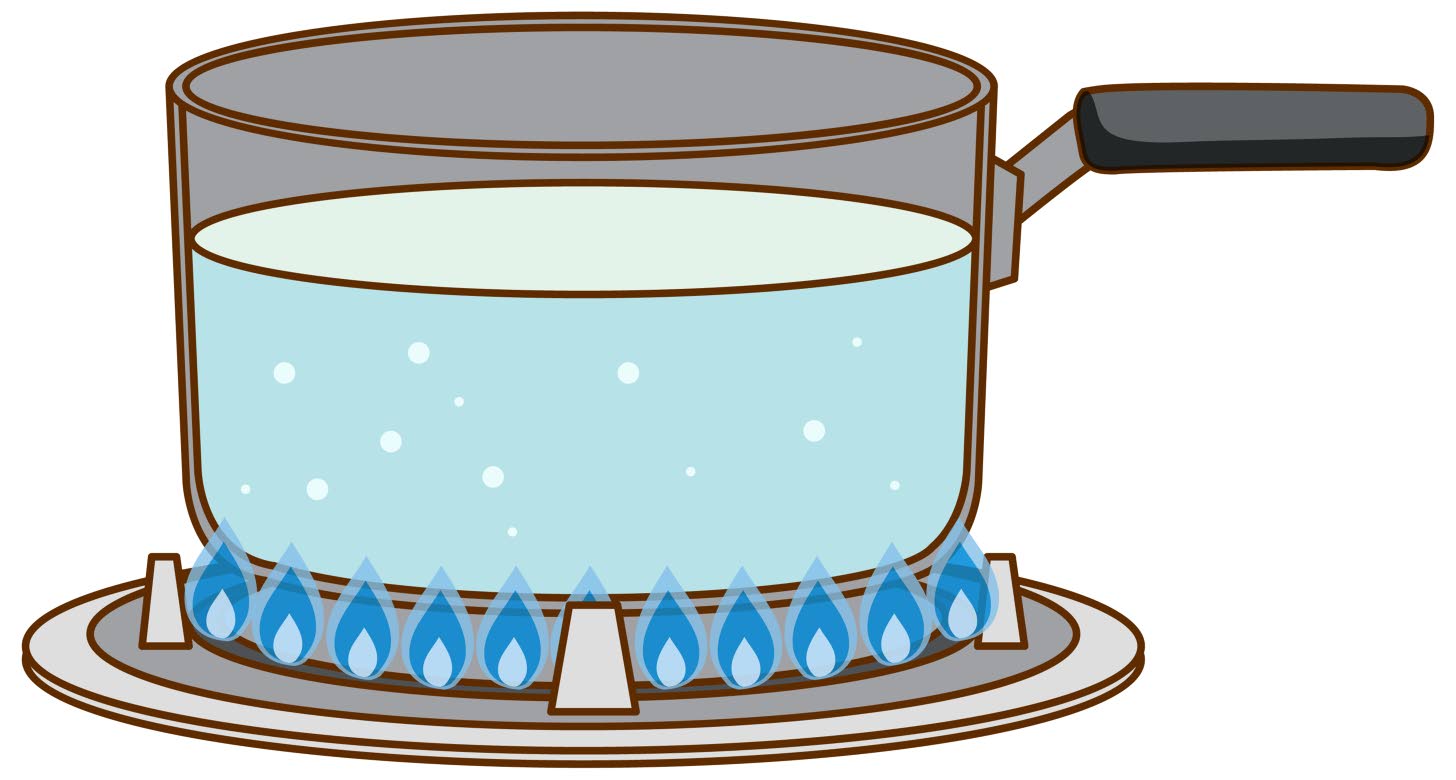
Hurricane-related flooding can compromise public water supplies. If there’s any doubt about the water quality, boil it for at least one minute before use.


