



The Hidden Dangers of Uninspected Meat
The discovery of cow carcasses in a van in Manchester on November 9, as reported by
The Jamaica Observer on November 10, has reignited national concern over the safety of Jamaica’s meat supply, especially in the aftermath of widespread flooding. Police suspect the animals were slaughtered illegally, raising the alarming possibility that uninspected, contaminated meat could be finding its way onto dinner tables.
Beyond the obvious illegality, the sale and consumption of meat from unverified or flood-affected animals carry grave public health implications. While most people associate floods with infrastructure damage and crop loss, few realise how profoundly they threaten the safety of the food we eat, particularly meat and poultry.
When Flood Waters Meet the Food Chain
Flood water is rarely just rain. It is a murky cocktail of sewage, animal waste, fertilisers, industrial chemicals, oil, pesticides, and disease-causing bacteria. Once it spreads across communities, farmlands, and animal enclosures, everything it touches becomes potentially contaminated.
Animals caught in flood waters can ingest or absorb these pollutants through open wounds, nostrils, or mucous membranes. Those that drown are especially unsafe. Their carcasses quickly become breeding grounds for E. coli, Salmonella, Clostridium, and Leptospira. These pathogens thrive in warm, moist tissue and multiply rapidly after death.
Even when meat looks “fresh”, contamination may have already occurred internally. Cooking may not always destroy certain toxins produced by bacteria in the flesh. This makes any carcass recovered after drowning or contact with floodwater unfit for human consumption.
Flood water can also compromise refrigeration and storage systems. When prolonged power outages occur, the “cold chain” breaks, allowing bacteria to multiply unchecked in meat storage areas. Re-freezing or masking spoiled meat with seasonings cannot undo this damage — it merely hides the danger.
The Critical Role of Legal Slaughter and Inspection
Every legally slaughtered animal in Jamaica undergoes two vital checks: ante-mortem and post-mortem inspection, both performed by trained public health officers.
Ante-mortem inspection takes place before the animal is killed. Officers look for signs of illness, stress, infection, or injury. Animals showing unusual behavior, breathing difficulty, or visible sores are removed from the slaughter line. This prevents meat from diseased animals — such as those carrying tuberculosis, brucellosis, or parasitic infestations — from entering the food supply.
Post-mortem inspection occurs immediately after slaughter. Internal organs and tissues are examined for abscesses, discoloration, parasites, or abnormal odours. Only carcasses deemed healthy are stamped and passed for sale.
In illegal or backyard slaughter (often done in open fields or backyards), none of these critical safeguards exist. Without clean surfaces or running water, animals may be killed under unsanitary conditions, left unbled, or butchered, and can be easily contaminated by dirt, flies, and bacteria. The tools used on sick animals can also spread disease, and without refrigeration, bacteria like Salmonella multiply rapidly.
Proper bleeding (exsanguination) is another hallmark of legal slaughter. It is not merely a ritual; it is a food safety measure. When blood remains in the carcass, it accelerates spoilage and provides an ideal environment for bacteria to multiply. This is one reason why meat from illegally slaughtered animals often smells sour, spoils quickly, and has a darker, sticky surface.
Unregulated transport adds to the danger — meat moved in unrefrigerated vans may look fine but can harbor millions of bacteria. Eating such meat can lead to food poisoning, leptospirosis, or even anthrax, putting children, the elderly, and those with chronic illnesses at the highest risk.
Public Health’s Watchdog Role
The Public Health Department, working with the Veterinary Services Division and local municipal abattoirs, forms the backbone of meat safety enforcement in Jamaica. Their inspectors conduct routine checks at licensed slaughterhouses, meat shops, supermarkets, and restaurants to ensure compliance with hygiene standards.
These inspections cover everything from facility cleanliness and temperature monitoring to pest control and equipment sanitation. Inspectors also verify that carcasses bear the official inspection stamp — evidence that the meat was passed as safe for consumption.
How Businesses Can Protect Themselves
For supermarkets, restaurants, meat shops, and processors, food safety begins with trusted sourcing. Establishments must only purchase meat from licensed and inspected suppliers. Every delivery should be accompanied by a certificate of inspection or clearly stamped carcass markings.
Business operators should store meat at correct temperatures (below 5°C (refrigerated) and below -18°C (frozen)), avoid purchasing “fresh” meat from unregistered or roadside vendors, implement a first in, first out (FIFO) system to prevent older products from spoiling unnoticed, conduct daily visual and odour checks for any signs of contamination, and train all staff on basic hygiene, temperature monitoring, and contamination prevention.
Even one contaminated carcass in a commercial cold room can spoil other stored meat — causing not just illness, but economic loss and damage to reputation.
How Consumers Can Stay Safe
Consumers are the last line of defence in the food chain — and their vigilance matters.
When shopping for meat, look for the inspection stamp. Officially passed meat carries a clear ink stamp from the Public Health Department. Check the colour and smell. Fresh beef should be bright red, and pork, pale pink. Avoid grey, greenish, or brown meat. A strong, sour, or rotten odour means spoilage. Avoid roadside vendors or “deal” prices. If it seems too cheap to be true, it probably is. Ensure proper storage at home. Keep meat chilled and separate from ready-to-eat foods. Cook thoroughly. Meat should reach an internal temperature of at least 74°C for poultry and 71°C for ground meats.
During flood recovery periods, avoid purchasing meat that may have been exposed to flood waters, and do not consume any animal found dead or drowned. The health risks far outweigh the cost of replacement.
Protecting the Integrity of Jamaica’s Food System
The Manchester case underscores a larger truth: food safety is national safety. One illegal operation or one flooded farm can undermine consumer trust, endanger health, and damage Jamaica’s agricultural reputation.
Every stakeholder, from farmers and transporters to chefs and consumers, shares responsibility for maintaining food integrity. Legal slaughterhouses, public health inspectors, and informed buyers are not just bureaucratic checkpoints; they are the invisible barriers that prevent disease outbreaks. Consumers are urged to report any suspicious meat sales or uninspected slaughtering to their local Public Health Department or the police.
As communities rebuild after Hurricane Melissa, Jamaicans must remember that the danger doesn’t end when the floodwaters recede. The contamination left behind can silently infiltrate our food system. Eating uninspected or flood-exposed meat isn’t just risky; it’s potentially deadly and should not be practised.
About the Author
Allison Richards is a food safety communicator and the founder of The Food Safety Girl, a consumer awareness platform dedicated to promoting food safety in Jamaica. She is also the host of The Big Bite Food Safety Show, a radio program that educates listeners on food safety issues. With over 14 years of experience in food safety regulation, Allison is passionate about empowering consumers and industry stakeholders to make informed choices that protect both health and the environment.
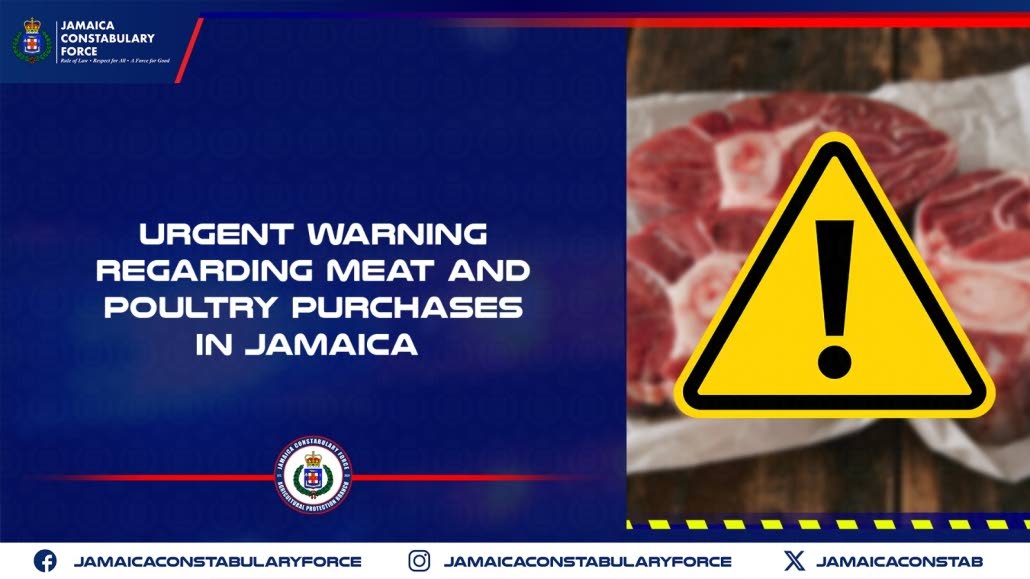
In November, the JCF’s Agricultural Protection Branch issued an urgent public advisory to all residents of Jamaica regarding the purchase and consumption of meat and poultry, particularly those originating from western parishes severely impacted by Hurricane Melissa.
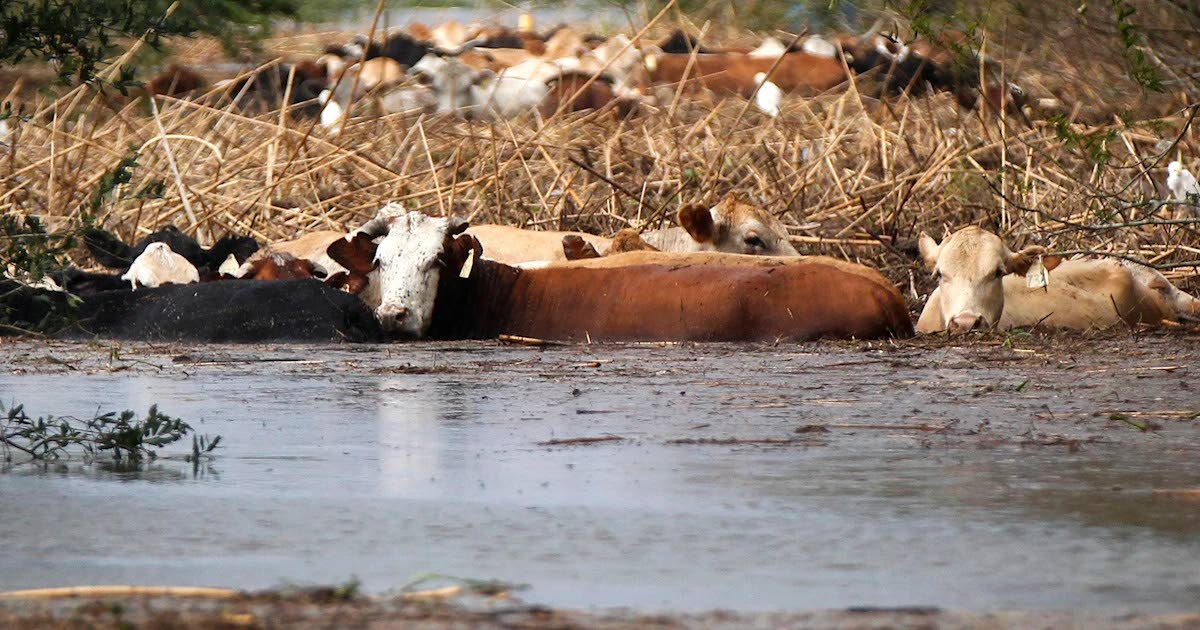
Animals caught in flood waters can ingest or absorb pollutants through open wounds, nostrils, or mucous membranes. Those that drown are especially unsafe.
Allison Richards | thefoodsafetygirlja@gmail.com.


