



Restoring Orchids Post-Melissa (Part 2)
Style Observer Gardening (SOG) continues its post-hurricane orchid restoration series, leaning on the expertise of Stacy Thompson, Plantology876 principal.
Bringing orchids back to bloom demands more than general post-storm care; it requires individual attention and specific treatment. Thompson offers tailored suggestions for five common Jamaican orchid varieties: Phalaenopsis, cattleya, dendrobium, vanda, and oncidium.
Phalaenopsis
Phalaenopsis, or moth orchids, are highly susceptible to root rot and salt burn, particularly when exposed to storm surge water. Thompson suggests treating these sensitive plants promptly. “Ensure that you replant them in a fresh, airy, bark mix if the media smells sour,” she tells SOG. “To aid recovery, mist daily (not soaking) for humidity and avoid direct morning sunlight until two to three weeks after recovery signs.”Those signs include the emergence of new leaves and roots.
Cattelya
According to Thompson, cattleyas are among the most resilient orchids, highly tolerant of wind and capable of surviving long periods without water. This is due to their pseudobulbs, which are swollen stems designed to store water, nutrients, and carbohydrates during drought. To treat damaged cattelyas, assessing the state of pseudobulbs is key. “Make sure to remove crushed pseudobulbs and repot in coarse bark or charcoal. Resume watering once the potting medium dries halfway,” Thompson urges.
Dendrobium
Dendrobiums are hardier than other orchids, making them robust enough to recover from partial cane loss. (These canes are upright, modified pseudobulbs that store essential water and nutrients). Thompson advises that the most important factor is getting them back on their feeding schedule. “Cut damaged canes back to one to two nodes above healthy roots. Make sure that you place them in bright, indirect light and resume feeding as soon as possible,” Thompson suggests.
Vanda
Vandas are among the most popular varieties. However, they are highly sensitive to salt. If the plant, especially the aerial roots (which absorb moisture and anchor the plant), contacts salt water, immediate care is necessary. “Ensure that the aerial roots are washed thoroughly to remove salt. Suspend them in bright shade, and spray the roots twice per day. Avoid submerging roots in stagnant water. Instead, use clean rain water if possible,” Thompson says.
Oncidium
Dancing Lady orchids (oncidiums) are resilient and will recover quickly if their pseudobulbs remain firm. If they are firm, Thompson recommends watering for one week to allow air to circulate the roots. If there is leaf spotting, apply a fungicide spray to the affected areas.
Ultimately, Thompson stresses that the resilience of orchids — and all green spaces — is a reflection of the consistent care and patience invested in them. “Green spaces are living systems — resilient, forgiving, and capable of rebirth. After every storm, with patience and care, your orchids will bloom again,” Thompson says.
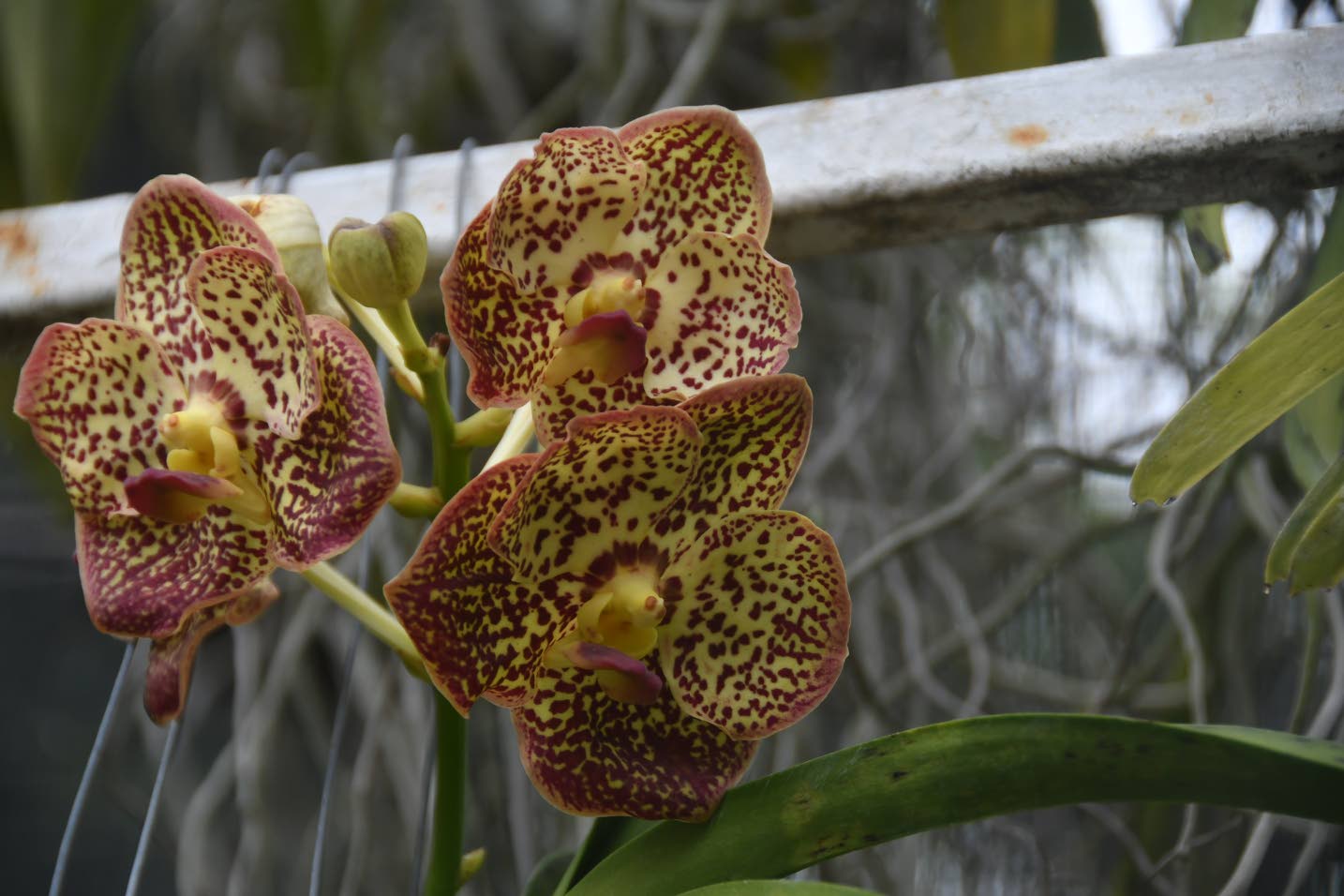
Vanda (Photo: Garfield Robinson)
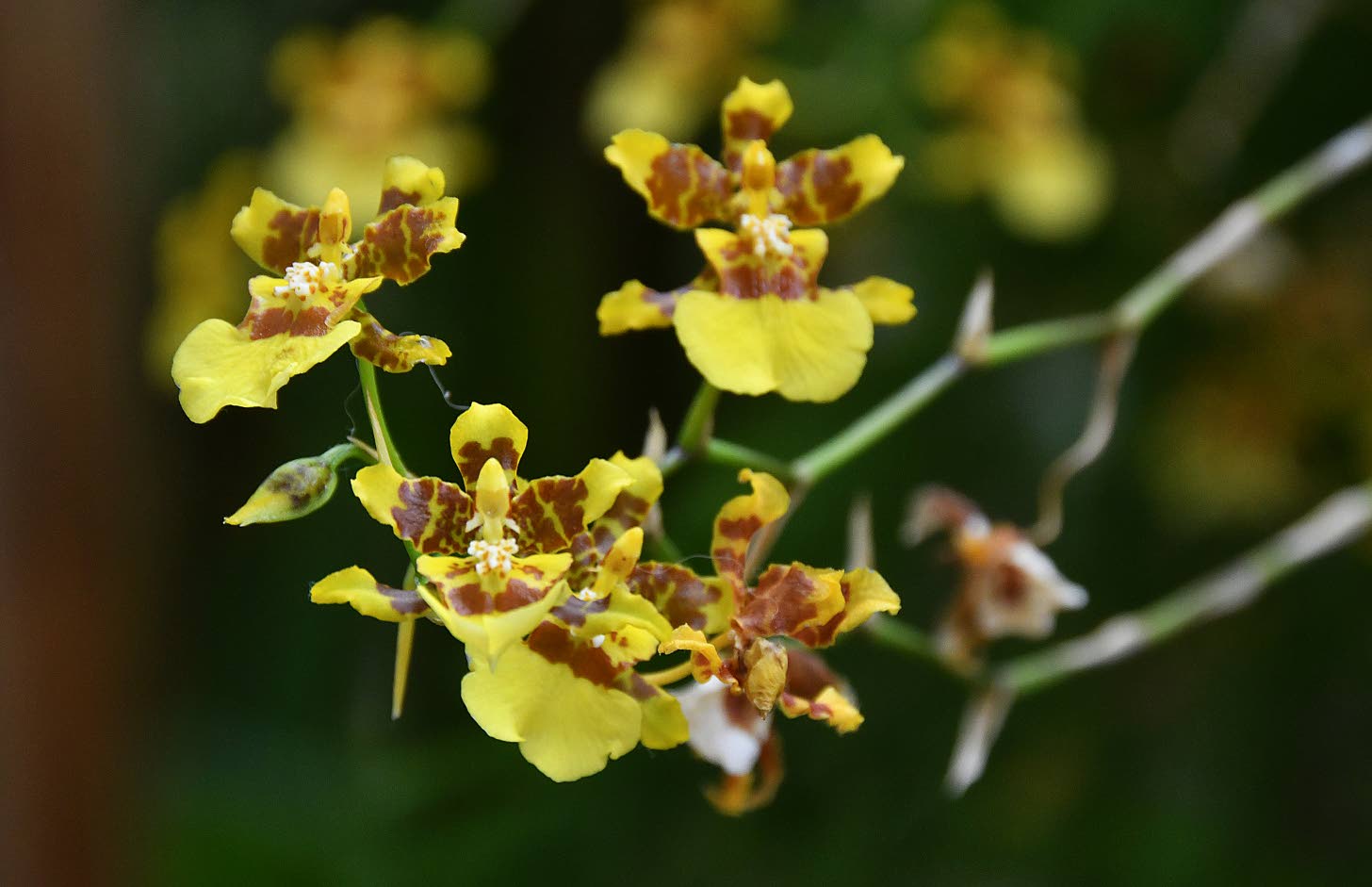
Oncidium or ‘Dancing lady’ (Photo: Naphtali Junior)
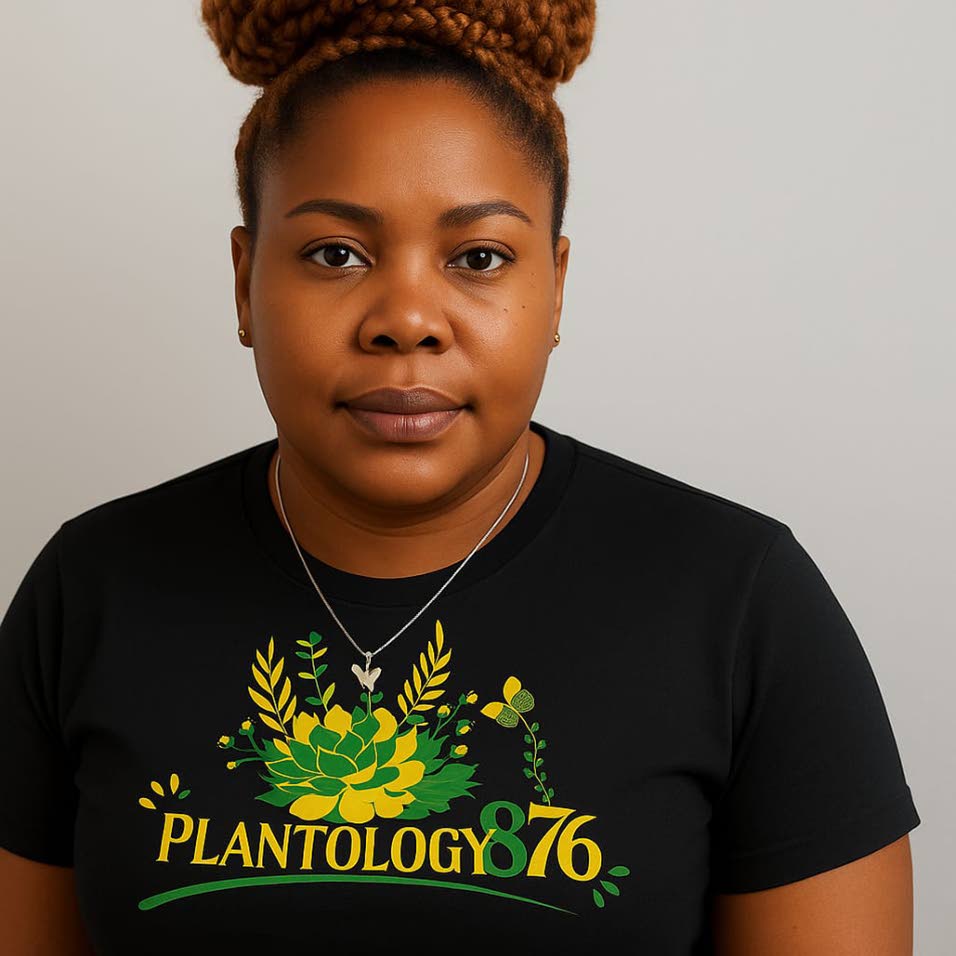
Stacy Thompson, principal, Plantology876 (Photo: Stacy Thompson)
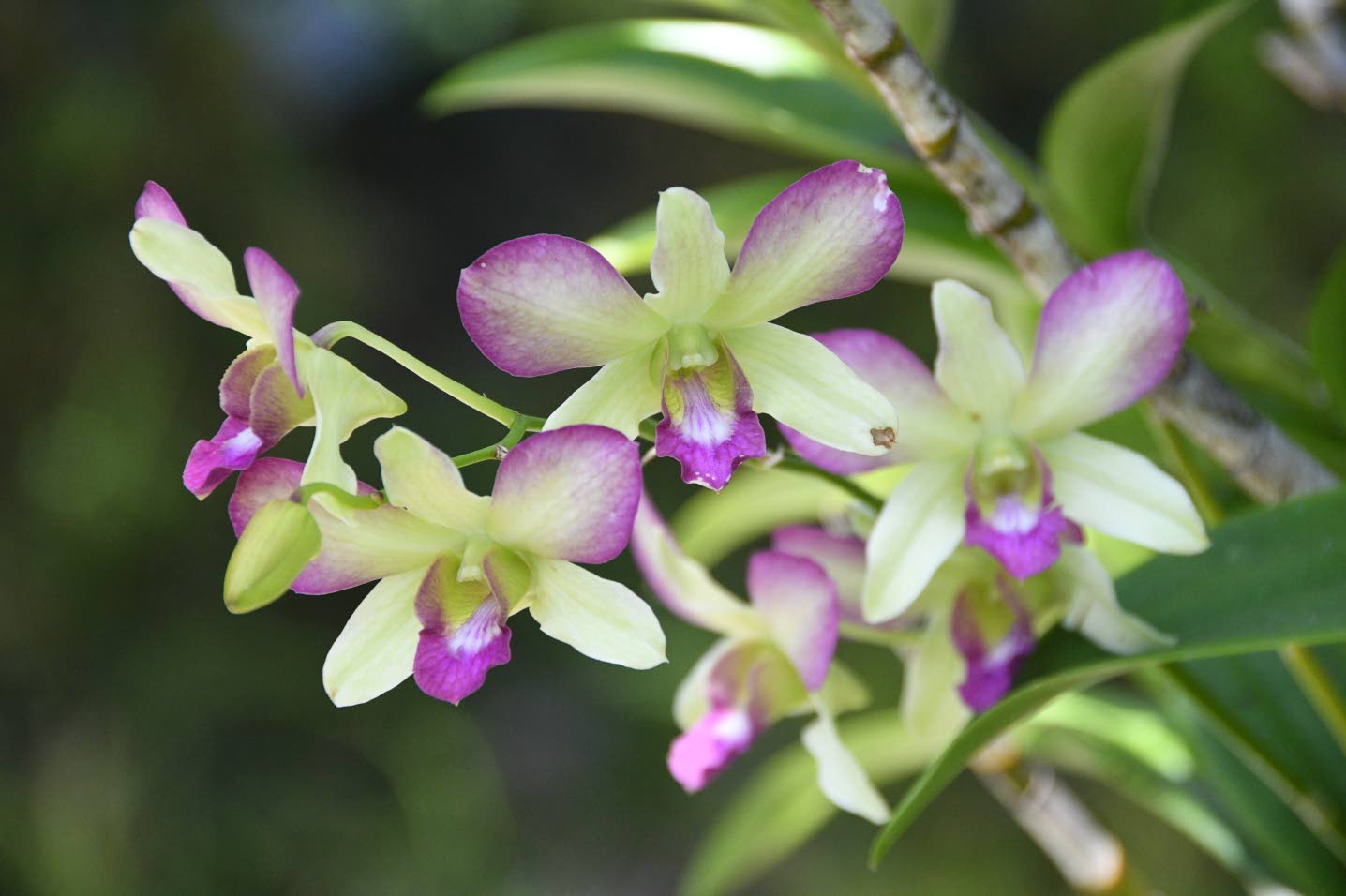
Dendrobium (Photo: Joseph Wellington)
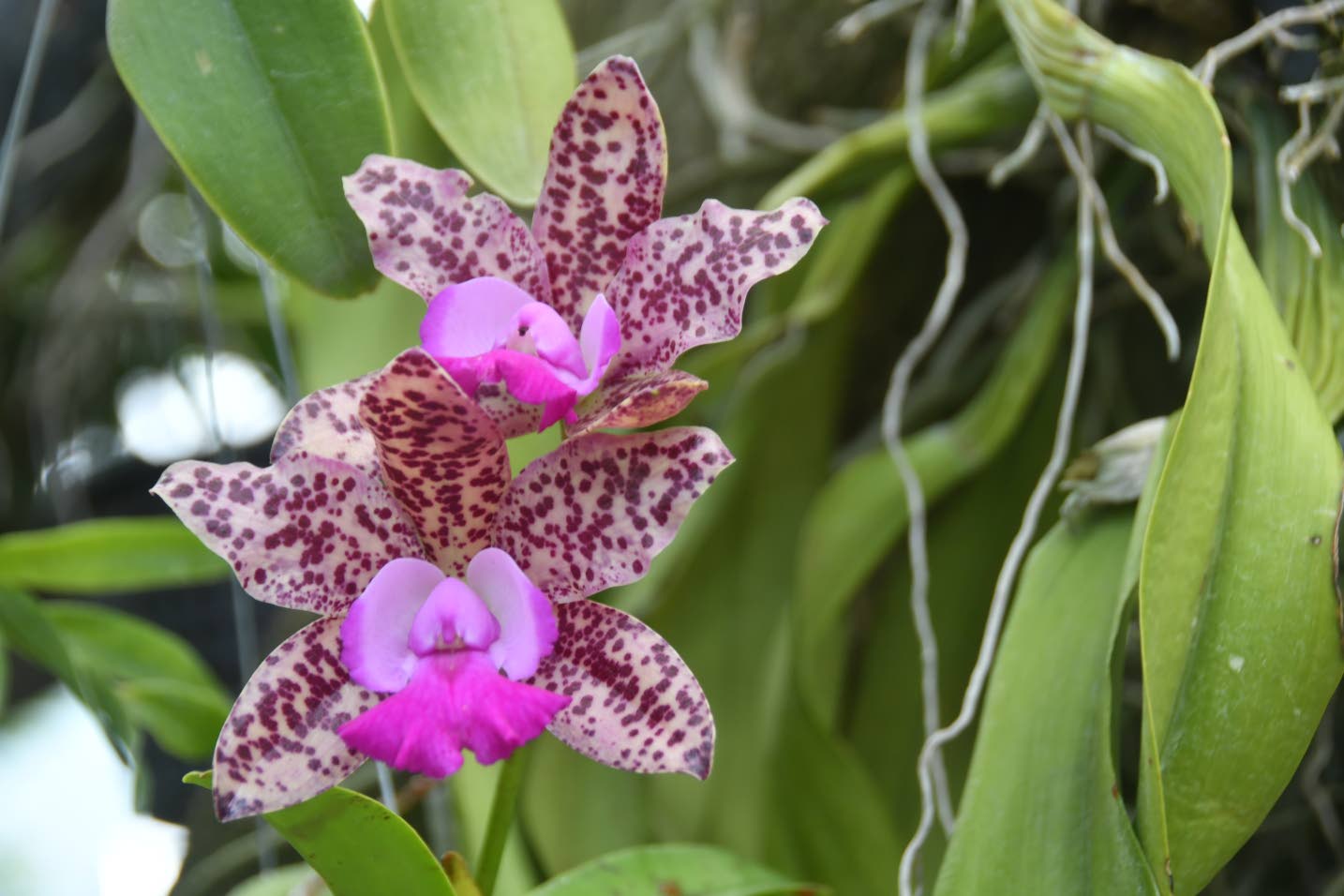
Cattleya Krull’s Spotted Angel (Photo: Garfield Robinson)


