



Leptospirosis Outbreak After Melissa: What Jamaicans Need to Know
Jamaica is currently facing a leptospirosis outbreak, with nine confirmed cases, 28 more suspected, and at least six reported deaths. While nine confirmed cases have been reported, experts suggest that Jamaica’s existing surveillance may detect only a fraction of real infections — underreporting is likely significant, given that leptospirosis is often misdiagnosed, surveillance is limited, and cases are not always laboratory-confirmed.
The Science Behind Leptospira
Leptospira, the bacteria responsible for leptospirosis, are spiral-shaped organisms that thrive in water and moist soil. They can infect a wide range of animals, particularly rodents, livestock, dogs, and wildlife. The bacteria prefer neutral to slightly alkaline conditions and are sensitive to acid. Exposure to high temperatures or dry conditions can kill them, but they can persist in moist soil or freshwater for months — up to 600 days in water and 183 days in damp soil. These survival characteristics explain why flood waters, stagnant water, and damp areas can become dangerous reservoirs for the bacteria.
How the Disease Spreads
Humans typically contract leptospirosis through contact with urine from infected animals, especially rats, livestock, and dogs. The bacteria can enter the body through cuts, abrasions, or mucous membranes in the eyes, nose, or mouth. Food or water can also become contaminated if exposed to infected urine, adding a public health and food safety dimension to the outbreak.
Impact on Food Safety
The disease poses a serious risk to food safety, particularly after flooding. Flood waters can contaminate farmland, crops, and water sources used for food preparation. Livestock or rodents excreting the bacteria can deposit them in soil or water near food production areas, creating cross-contamination risks. Surfaces, packaging, and storage areas exposed to contaminated water or rodents may further spread the bacteria, especially if cleaning and disinfection are inadequate.
Indirect Drivers of Leptospirosis
While flood waters from Hurricane Melissa have certainly increased the risk of leptospirosis, the hurricane is not the only driver of this outbreak. Cases have been reported in areas that were not heavily affected by flooding, emphasising that leptospirosis can spread through other environmental exposures — including contaminated soil, water, and direct contact with infected animals — even outside the immediate hurricane-affected zones. The hurricane’s impact on the environment has created additional indirect risks: Flood waters displaced large numbers of rodents from their usual habitats, driving them closer to homes, food storage areas, and communities. Meanwhile, new construction, debris from damaged buildings, and increased household and commercial waste resulting from the hurricane have created more opportunities for rodents to thrive. Waste collection has also been hampered by access difficulties, poor planning, and infrastructure challenges, leaving piles of refuse that serve as breeding grounds for rats and other vectors. Combined, these factors have amplified the potential for human exposure to Leptospira, making it clear that the risk of infection extends beyond the immediate flood zones and persists as communities recover.
Preventing Transmission
Preventing transmission requires both personal and community action. People should protect any cuts or abrasions before contact with flood waters or soil and wear protective clothing such as boots, gloves, and waterproof attire to reduce exposure. Controlling rodents is essential, including securing food waste, trapping rodents, and sealing storage areas. Access to safe water is critical, and where clean water is limited, boiling water or using chemical treatments can help make it safe for washing, cooking, or drinking. For those without access to safe water, practical alternatives include using a diluted vinegar (acetic acid) solution (1 part vinegar to 3 parts water) to wash fresh produce, and raw vinegar to clean hands, food contact surfaces, and food packaging when soap and water are unavailable. Alcohol-based hand sanitisers with at least 70 per cent alcohol, disinfectant wipes, and portable water treatment methods such as purification tablets or filters also provide effective alternatives in low-water situations.
Why Heat, Acid, and Dry Conditions Matter
The biology of Leptospira explains why heat, acid, and dryness reduce risk. Cooking and sanitising food or surfaces can inactivate the bacteria, while dry conditions and sunlight hinder survival. Despite this, cross-contamination remains a concern after cooking or during handling, emphasising the need for proper hygiene and storage practices. Food should be stored in sealed, rodent-proof containers and kept off the ground, while containers and surfaces exposed to flood waters should be thoroughly disinfected. Any food that has come into contact with flood water or animals should be discarded.
Consumer Responsibility
Consumers play a vital role in prevention. Only canned goods that may have contacted flood water should be consumed after careful cleaning, and meat or dairy from unverified or uninspected sources should be avoided. All foods should be cooked thoroughly, and proper hygiene should be practiced to prevent cross-contamination. Rodent infestations and suspicious meat sources should be reported to the relevant authorities. Anyone who has been exposed to flood waters or environments contaminated by animal urine should be vigilant for symptoms of leptospirosis. Early signs often include fever, headache, muscle pain (particularly in the calves and lower back), chills, nausea, vomiting, diarrhoea, abdominal pain, red eyes (conjunctival suffusion), skin rash, and extreme fatigue or malaise. In severe cases, the disease can progress to jaundice, kidney or liver failure, bleeding, meningitis, or respiratory distress, which require urgent medical attention. Anyone experiencing these symptoms after flood exposure should seek medical care promptly, as early antibiotic treatment is critical to prevent serious complications or death.
Finally, this leptospirosis outbreak underscores that risk is not confined to hurricane-affected areas. Understanding the bacteria’s biology, their environmental survival, and proper hygiene and food-handling measures is crucial. Jamaicans can protect themselves by practising safe food handling, using protective clothing, controlling rodents, and seeking timely medical care. In this outbreak, vigilance is not just precaution — it can save lives.
About the Author
Allison Richards is a food safety communicator and the founder of The Food Safety Girl, a consumer awareness platform dedicated to promoting food safety in Jamaica. She is also the host of The Big Bite Food Safety Show, a radio program that educates listeners on food safety issues. With over 14 years of experience in food safety regulation, Allison is passionate about empowering consumers and industry stakeholders to make informed choices that protect both health and the environment.

Allison Richards | thefoodsafetygirlja@gmail.com.
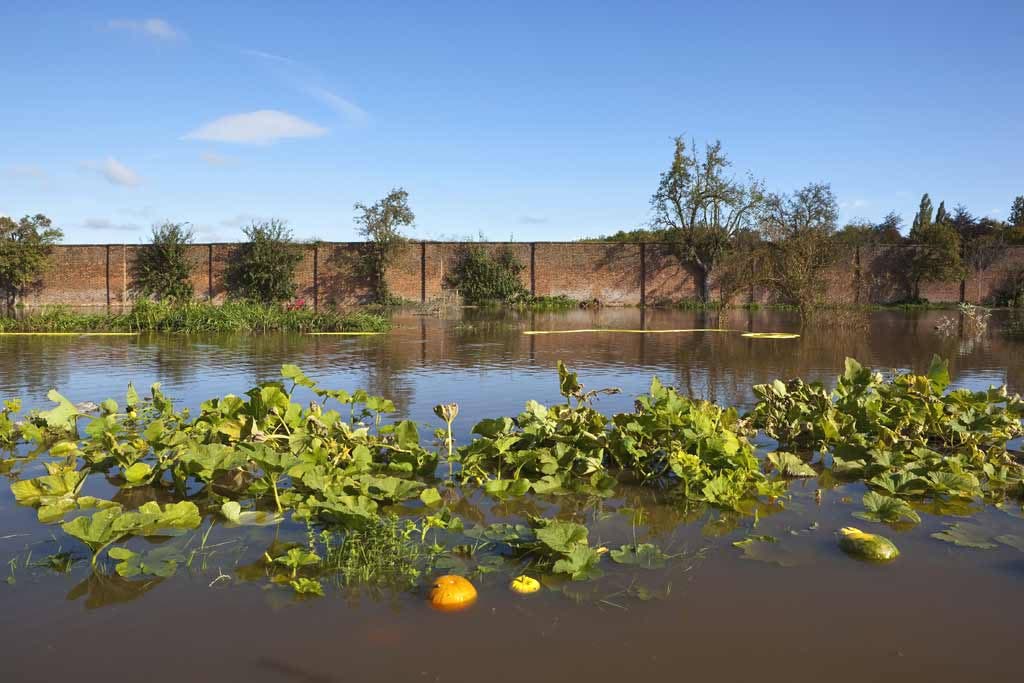
Following floods, the risk of Leptospirosis infecting the food supply is significant. Flood waters contaminate agricultural areas, posing a direct threat to crops and the water used for washing and preparing food. foodsafetytrainingcertification.com

When water is scarce, a highly effective alternative is to use hand sanitisers containing a minimum of 70 per cent alcohol.


