



Literacy under attack
“Acquiring literacy is an empowering process, enabling millions to enjoy access to knowledge and information that broadens horizons, increases opportunities, and creates alternatives for building a better life.”— Kofi Annan.
As the society navigates the infancy of the 2025/2026 academic year, a number of issues have been carried forward which require urgent attention. Over the years policymakers have been intentional about singing the praises of pockets of excellence throughout the education system. Yet the elephant in the room has been ignored. From its earliest inception Jamaica’s education system has not had a level playing field.
The learning gaps have worsened since COVID-19, both at the primary and secondary levels. Additionally, the learning gaps are to a large extent aligned to the socio-economic class of the students. Yet what has remained constant despite changes in governments is the high illiteracy rate across the primary and secondary levels. Across the 14 parishes many students enter high school unable to read at the grade 7 level. A significant number of students are deficient in phonemic awareness and syllabification skills and this is problematic. Each year hundreds of poor people’s children are placed in certain high schools and are unprepared to navigate the educational journey because they lack the basic tools to do so. This is unethical. This difference in students’ abilities when they enter high school makes pay by performance for teachers problematic.
What is obvious is that our intervention literacy programmes must be emphasised at the primary level. Much more support is required at the primary level. Once the student enters high school the focus of both students and their parents shift. This is both a sociocultural and economic issue. The emphasis at the secondary level of the education system was never intended to be rooted in interventions in literacy. For many struggling parents, the five-year countdown to adulthood begins in earnest when they envisage the end of their responsibilities towards their children. We cannot focus solely on the high levels of illiteracy rates at the secondary level without purposeful examination at the primary level. The time has come for extended writing to be timetabled at the primary level.
The nation’s attention was recently drawn to Pembroke Hall High School where a significant number of the students in grade 7 were having reading challenges. The principal added that many of the grade 7 students struggle to recognise letters of the alphabet.
Literacy Intervention Programmes
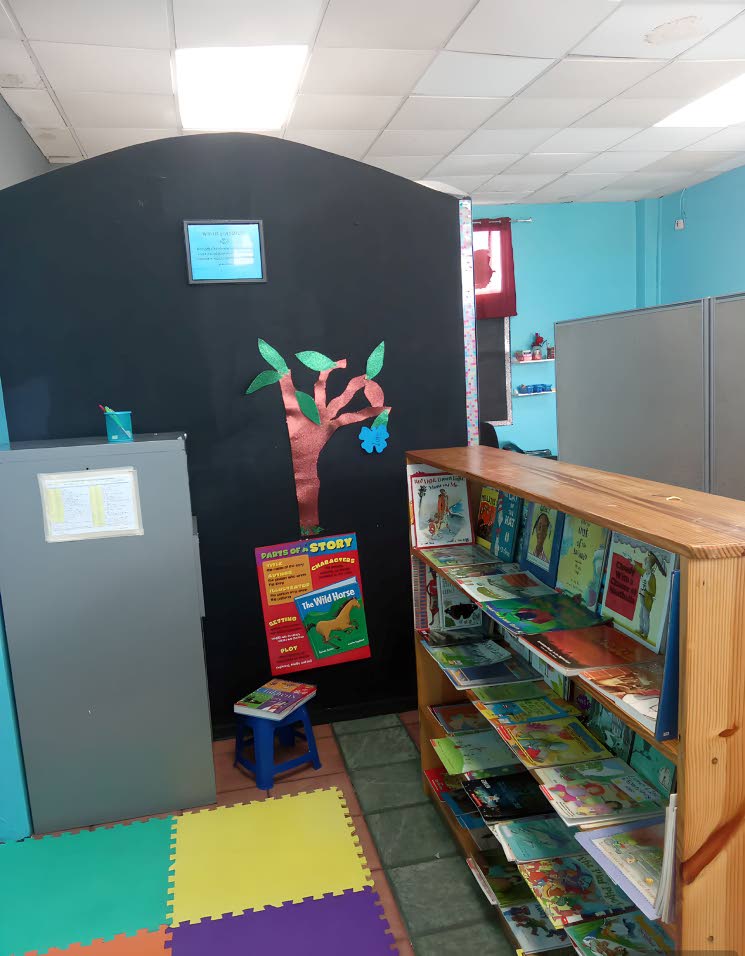
While we must acknowledge that Pembroke Hall’s story is a national one, the solution must be local and intentional. Part of the solution requires a change in mindset, given that those who make policies oftentimes believe that and behave like the solutions are always grounded in a top-down approach. Among the solutions needed is more staff support at the primary level to address the crippling levels of illiteracy. Each primary school should be given a reading or literacy intervention specialist. These expert staff members must be full-time at the targeted schools.
Staff support also means engaging early intervention programme (EIP) teachers at both the primary and secondary levels. The purpose of the EIP teacher is to address particular academic skills deficit among students. The rationale of the EIP programme is to supply additional resources to assist students who are performing below grade level to obtain the necessary academic skills in order to reach grade-level performance in the shortest time possible.
Firstly, the best practice would involve the EIP teacher pulling a group of previously selected students out of the general education classroom to provide interventions.
Secondly, parents need to do more. Perhaps it is time the society incentivised parents to attend Parent-Teacher Association meetings. Parents are a critical block of stakeholders and, therefore, they should work closely with the school to ensure that the gains made in schools continue at home.
Thirdly, class size at the primary level must be reduced to a high of one teacher to 25 students. Even the 1:25 ratio regarding teacher and students will be challenging much less what currently exists, whereby there are more than 35 students in a class. Research done on the issue of class size by Northwestern University Associate Professor Diane Whitmore Schanenbach and published by the National Education Policy Center at the University of Colorado Boulder makes it extremely clear that class size matters. Professor Schanenbach argues that mechanisms at work linking small classes to higher achievement include a mixture of higher levels of student engagement, increased time on task, and the opportunity small classes provide for high quality teachers to better tailor their instruction to students in the class.
Undoubtedly, students learn at different levels. In many instances there are students who require individual attention in order to master the content being taught. However, with large class sizes this individual attention from the teacher is impossible.
Fourthly, how we teach must be revisited. Research must be used concerning differentiation in teaching techniques. Our boys learn differently from our girls, and this must not only be factored in lesson plans but must be executed in the lessons. The truth is the education system is not appealing to boys. This disconnect is rooted in many variables. Unfortunately, policymakers continue to push an education system which, by default, caters more to girls.
This gendered divide, concentrated in the formal education system, has antecedents in the patriarchal framework that has been in place since the period of enslavement. Boys, by design, are more tactile learners while girls are more auditory or visual-based learners, often a result of their overall socialisation and specifically gender socialisation. The sit, talk, and chalk approach that is predominant in our classrooms favours girls more than boys as girls are more prone to remain in their classrooms for extended periods of time.
The fifth point of concern has to do with the growing numbers of neurodivergent students who are not being catered to in regular schools. While some of these students can function in a regular school there are many others on the opposite end of the spectrum who require targeted intervention. An inclusive education system must be responsive to the needs of all students.
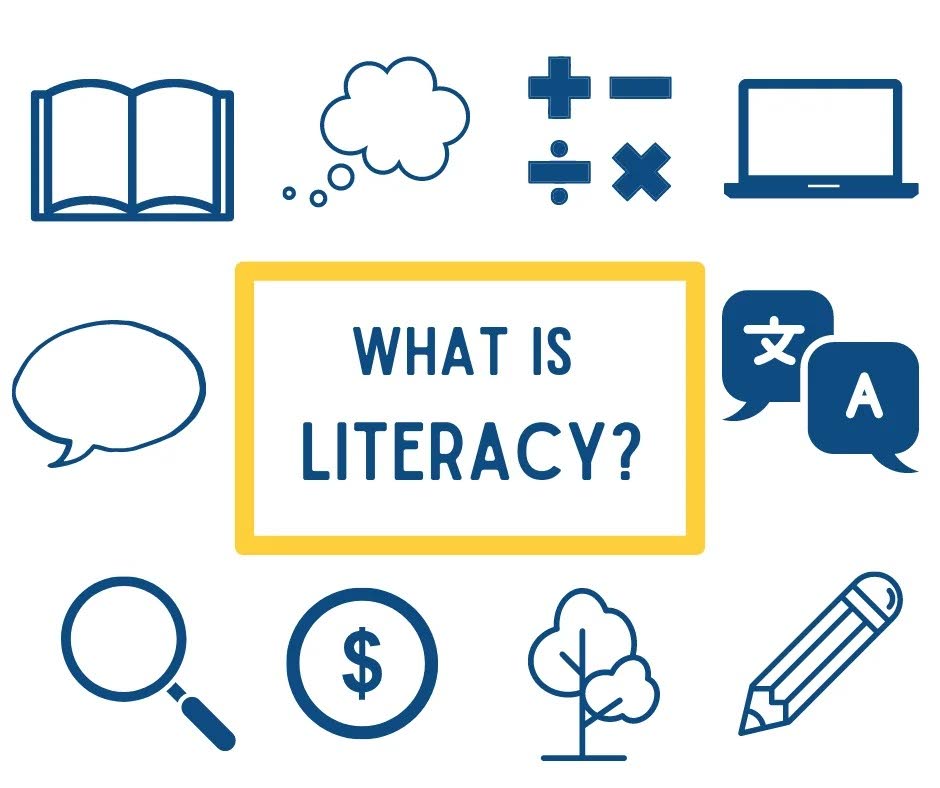
The final point concerns scaffolding of teachers. Too often our teachers are left on their own; where is the supervision and scaffolding necessary to impact student outcomes? We should not expect that artificial intelligence (AI) will do this. More targeted and engaging supervision is needed across both the primary and secondary levels of the education system. Reading is more than just word recognition. Reading involves comprehension, fluency, and automaticity of the material being read. Literacy is under attack and the State must respond accordingly. As a society we must reimagine and repackage education to counter the dunce culture. Our current state of dunce culture did not occur overnight; it clearly means that it will take concerted effort and resources to undo and replace this undesirable mindset. Once again the education system is being called upon to be the tool of transmission of positive values and attitudes in the society.
An educational revolution is needed at the Early Childhood level to arrest the attack on literacy in Jamaica. This paradigm shift should begin age-appropriate content with trained teachers who are properly compensated.
We are all responsible for the non-reading culture we have embraced over the years. As a society, it is time we depoliticise education in order to reap its transformative benefits.
Wayne Campbell is an educator and social commentator with an interest in development policies as they affect culture and/or gender issues. Send comments to the Jamaica Observer or waykam@yahoo.com.
Wayne Campbell
Reading is more than just word recognition.


