



Stink strategy mobilised
Remedial work underway at Greenwich Sewage Plant to combat foul odour, NWC says
AFTER years of mounting complaints and concerns from residents about foul odour and health risks linked to the Greenwich Town sewage facility, the National Water Commission (NWC) says it is maintaining momentum to bring relief to the community.
In an interview with the Jamaica Observer last evening, NWC’s Acting Corporate Public Relations Manager Delano Williams noted several improvements which were said to have been underway before the most recent outcry from residents, including the reconfiguration of truck offloading areas to cut down odour and improve efficiency.
“We are going to make some changes to the concrete structure where the trucks dump into,” said Williams.
“That means they will have a more enclosed receptacle to connect their hoses, which will prevent the odour from just escaping into the air. We have already done the designs, and the project is in the procurement phase,” he said, further explaining that this aspect was especially prioritised because residents noted that the stench is at its worst when waste is being dispensed.
In addition to the reconfiguration, Williams said that the facility’s management company, Central Wastewater Treatment Company (CWTC), will conduct a comprehensive air quality analysis, with testing to take place at key points, such as nearby school compounds, to establish benchmarks and measure improvements once upgrades are complete.
He also shared that upgrades in recent months have reduced the risk of sewage overflows and were intended to minimise the presence of persistent malodours. Fence repairs expected to be completed in the next four weeks were also noted as works in progress, alongside dust mitigation work — including road patching — inside the compound, which he says has already started.
Still, Williams lamented that the unauthorised access to the facility and improper disposal practices by some truck operators persist as serious challenges. He called for a coordinated response among stakeholders to address the problem.
“The bigger concern is also how some truck operators use the site; sometimes you have spills or improper disposal that make the problem worse. They’re rushing, and so you have sewage being splashed unto the pavement because it’s also open,” he said.
The NWC’s reassurance comes after years of frustration among Greenwich Town residents, in south-west St Andrew, who have repeatedly raised alarm about conditions at the plant. Community members have long complained about living encapsulated in a bubble of rankness, fears of health risks, and disruption of daily life.
Educators have been especially vocal about the facility’s proximity to schools, arguing that children are among the most vulnerable to the effects.
Williams acknowledged that while wastewater facilities are essential, they often create tension when placed too close to residential areas.
“Nobody wants a big toilet close to their community. There’s no zoning on it to say, ‘Alright, this is too close,’ “ he reasoned.
Despite these realities, Williams said the NWC is still committed to ameliorating the residents’ plight.
“Whatever we need to do with this one, we’re going to follow through and get it done in terms of making the alterations to the receptacle for waste dumping,” he said.
Ten years ago, then acting president of the NWC, Mark Barnett promised that they would be taking necessary steps to reduce the unrelenting stench.
The steps in question were to ensure that the hoses on cesspool trucks were being used correctly while dispensing waste, to avoid spillage, and using white limestone to create an oxidising environment that would suppress the odour from the waste.
The former president also put forward a motion to eventually implement a formal infrastructure to enclose the facility.
In 2022 the situation persisted, with residents again voicing their concerns pertaining to the stench, expressing dismay that the issue was still not resolved.
The NWC, though noting that the site had been decommissioned and only operated as a conveyance point for sewage to the Soapberry Treatment Plant, mobilised once more.
They argued then, too, that the situation was being significantly complicated due to the illegal dumping of waste into the plant at nights, despite their best efforts to regulate its usage.
Nevertheless, the NWC at that time reiterated its commitment to reducing the community’s interminable struggle by pledging to source a design engineer to ensure that the plant was effective in its use as a conveyance site to Soapberry, and pledged that over the following six months they would facilitate the undertaking of works to erect boundaries and a fence with an entrance gate to curtail illegal access to the plant.
Now, in 2025, with a fence in place but noticeably damaged, residents are once again at the forefront of a desperate plea, waiting with bated breath for a whiff of fresh air and noting that, over time, the smell has only managed to worsen.
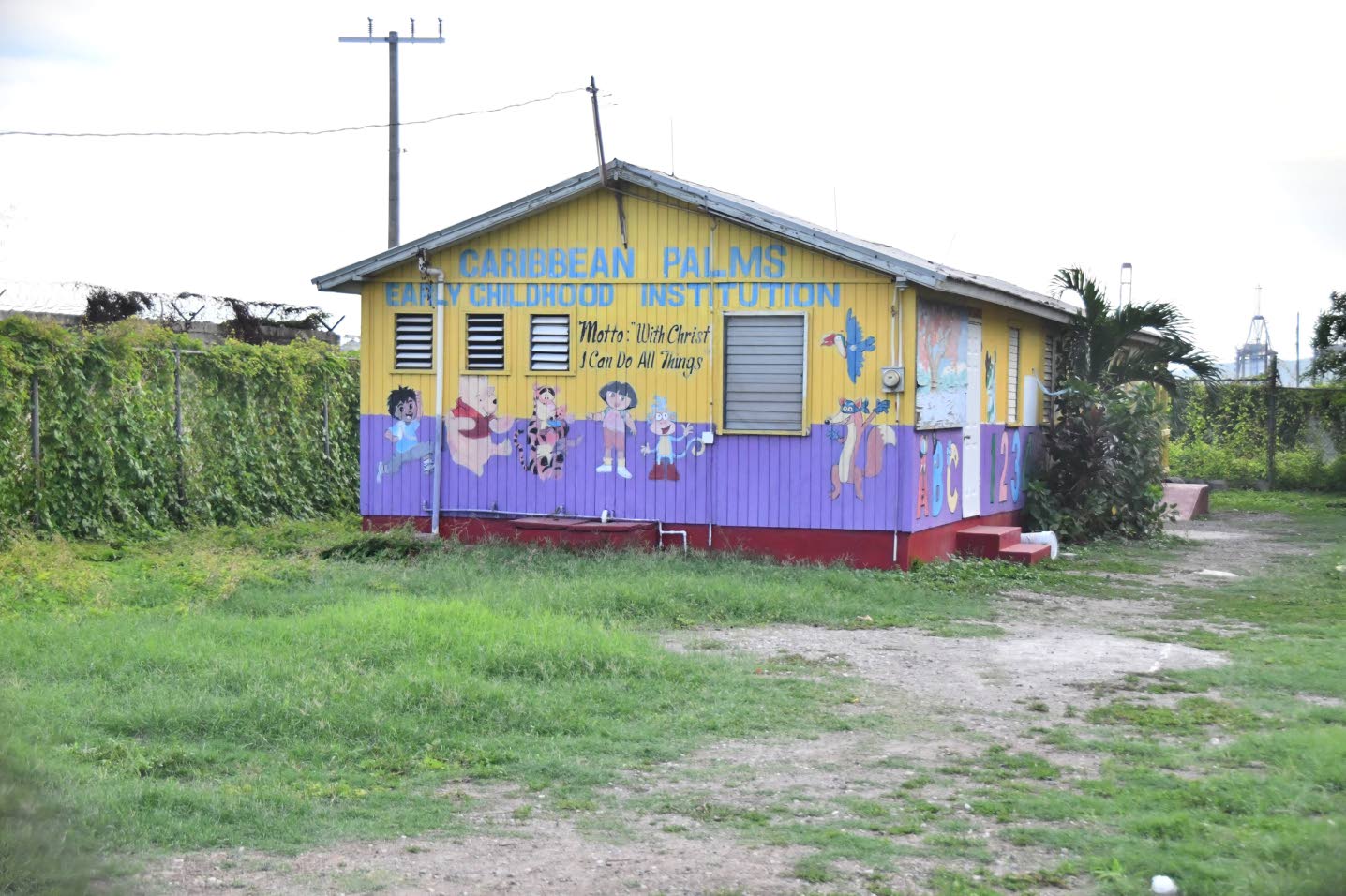
The 11-year-old Caribbean Palms Early Childhood Institution caters to students who have suffered from the stench since the first day the school opened. (Photo: Naphtali Junior)
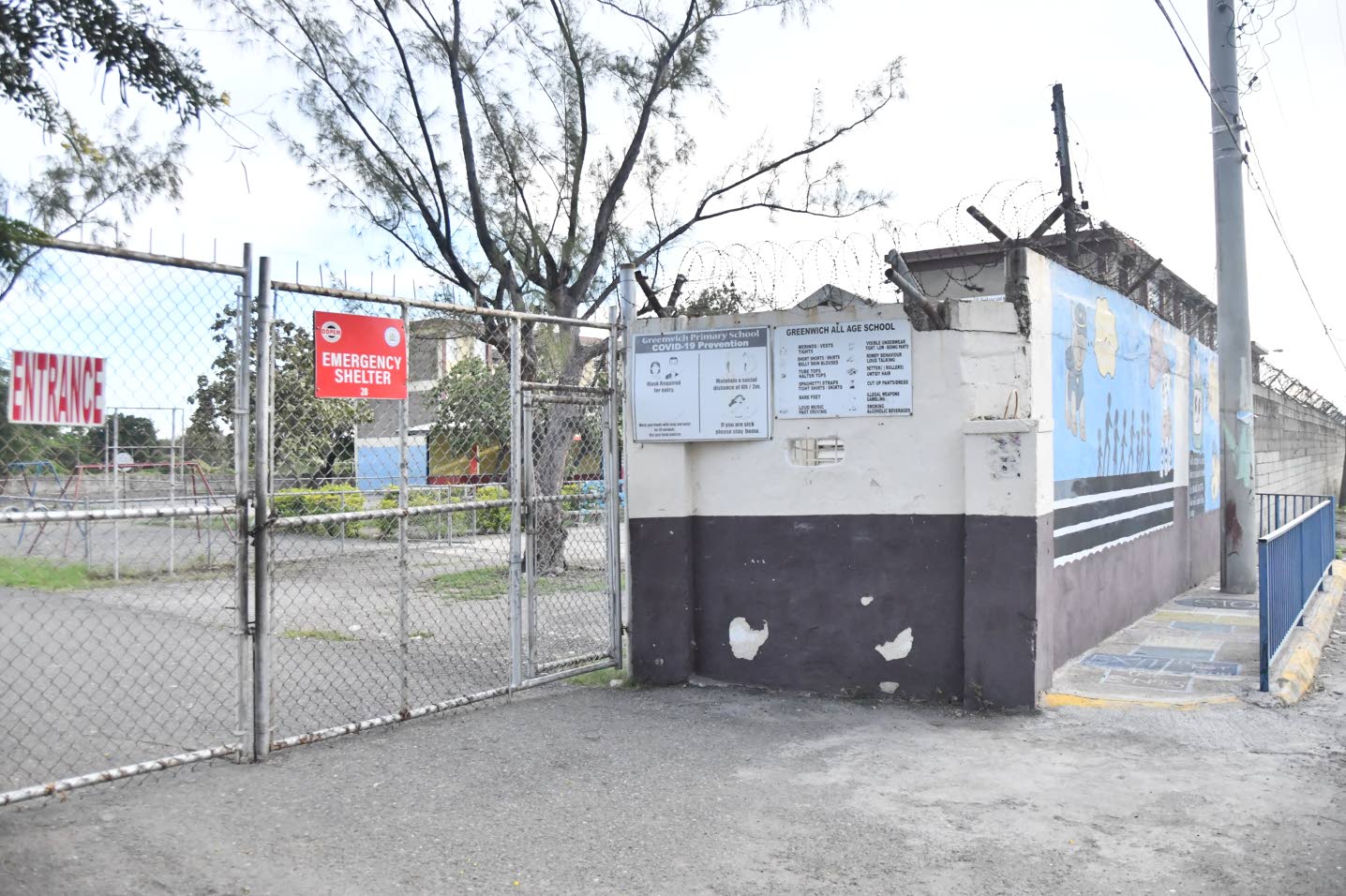
Administrators at Greenwich Primary School say the community’s best efforts to appeal to authorities to eradicate the stench had fallen on deaf ears. (Photo: Naphtali Junior)


