



The uglification of the Jamaican space — Part One
In the 1980s the Edward Seaga Administration introduced the Metropolitan Parks and Markets (MPM). This was part of a broader vision by the Government to attack urban blight, clean up major towns and cities, and generally enhance community life in urban centres. Markets, especially the Coronation Market, were upgraded to provide better vending and sanitary spaces for vendors and shoppers alike. Thus, small-scale commerce was encouraged and existing parks were upgraded.
To my best recollection, MPM, along with several other entities, is now supervised by the National Solid Waste Management Authority (NSWMA), which was introduced by the P J Patterson Administration in 2002. Over time, due to political degradation by competing interests, the broader vision of Seaga has been abandoned, and today we can see signs of this abandonment.
The organisation, in my opinion, became a mere feeding trough for supporters of whichever political party formed the Government and is now coming under withering criticism for its inability to carry out one of if not its premier responsibility, that of garbage collection. I believe political malfeasance plagues the operations at the authority. This despite the no-nonsense approach often taken by its present Executive Director Audley Gordon.
The truth is the NSWMA is not operating at an optimal level. Thus, you see evidence of physical decay in any major town or district you visit in Jamaica. It is not only that garbage is strewn all over the place, but walls are unpainted, sidewalks broken, waste water runs on streets, and sanitary convenience, wherever they exist at public markets, are dirty and in broken states. And I could go on. The “junjo” caused by broken pipes in walls and water running on the sides of buildings is heart-rending.
Where are the municipal corporations and councillors in all this? Jamaica has 228 councillors. So the question has to be asked: What are these people being paid for? Why does a pothole in any constituency, as I asked in my last piece, have to be left untended until it becomes a pond? What level of coordination or lack thereof takes place between a central authority, such as the NSWMA, which falls under the same ministry of local government and community development, and the municipal corporations that garbage is left lying in areas for days. This is not just a nuisance, but a health hazard to residents in these communities.
Something literally stinks in the state of Denmark. Why are verges and roadways not brushed and trees trimmed on a regular basis? The lengthman system of a past era when individuals would be employed to take care of designated stretches of roads cries out for reimplementation.
Every municipal authority should hang it’s head in shame at the persistence of these irritations, which really does not require a great deal of capital to be solved. I lay the blame at the feet of the councillors, not the Members of Parliament (MP). Yes, MPs have overarching responsibility, but their core constitutional function is to legislate in the people’s Parliament so that good order can prevail. They work with their councillors, but it is not their primary responsibility to fix potholes and so on. The councillors are paid to insist that these be done. But the parish councils are suffering from an abysmal lack of executive leadership.
The mayors play a critical role here. I do not know how au fait the average mayor is with his or her responsibility and how well he or she understands the line of demarcation between loyalty to the people he or she represents and loyalty to the political party that expects him or her to dole out largesse. This is where the rub is. For the tentacles of corruption, as we have seen from time to time emanating from some councils, often renders the CEO powerless in carrying out his or her functions. They defy the political norm to their own political, and to be frank, personal peril.
Thus, the mayor becomes a hapless victim of a system that has been hollowed out over the years by political chicanery and malfeasance. So when we talk about change and exerting executive leadership we should have no illusions about the Sisyphean or Herculean task that this entails.
But they signed up for the job, and as citizens we expect nothing less than for them to do their work so that the uglification of our public spaces can be arrested and hopefully eliminated. Talk of being a productive or First World society anytime soon is just that — talk. If we are not prepared to do the heavy lifting and deal with the rot that is spreading at the foundational levels of our society, then any hope of being a First World society is a mere pipe dream.
We have to clean up our physical spaces and give people the respect and dignity they deserve. It is not beyond us to do this. Neither is it a matter of the limitation of capital. We often waste millions of dollars on so-called big projects which fail and then lament that we do not have the resources when we are challenged to remove grime from people’s faces.
The little things count. They are what makes the big things happen. When will we learn this lesson. The big elephant in the corn patch is an absence of will. If we will it, it will happen when we persevere to make it happen.
Dr Raulston Nembhard is a priest, social commentator and author of the books: Finding Peace in the Midst of Life’s Storms; Your Self-esteem Guide to a Better Life and Beyond Petulance: Republican Politics and the Future of America. He hosts a podcast — Mango Tree Dialogues — on his YouTube channel. Send comments to the Jamaica Observer or stead6655@aol.com.
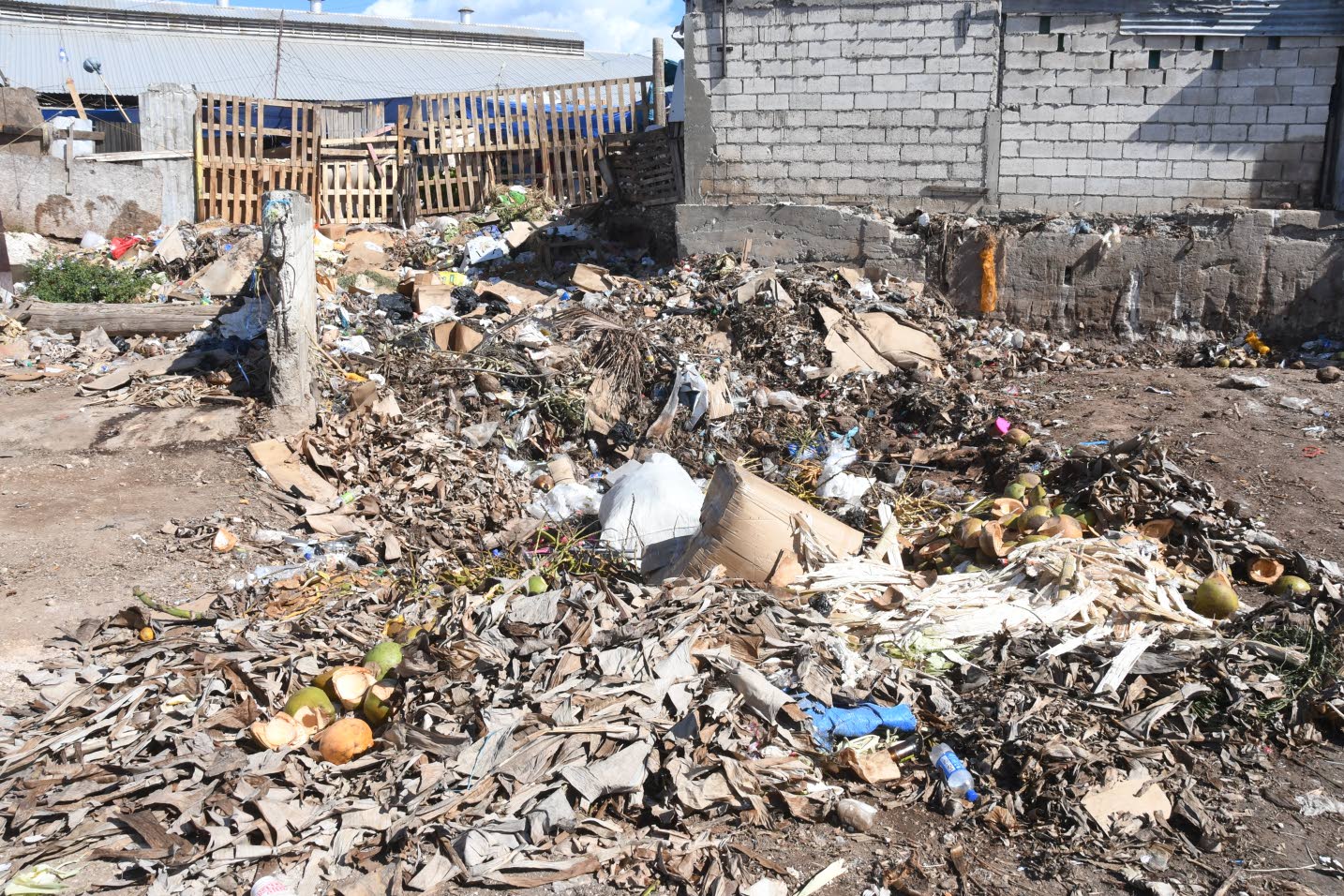
This file photo shows garbage pile-up at Coronation Market.
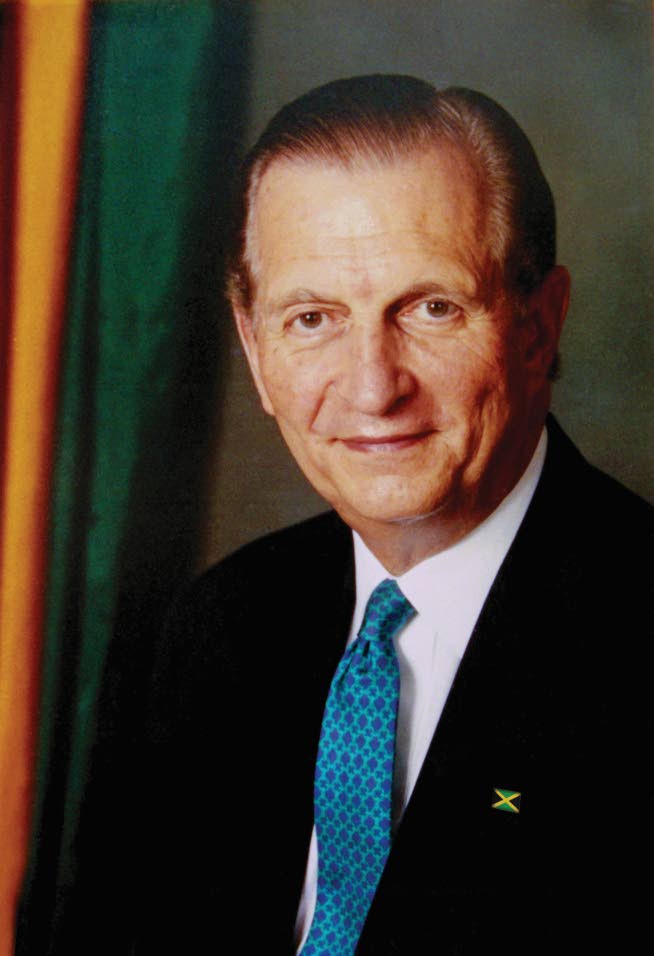
Edward Seaga.

PJ Patterson .
Raulston Nembhard


