



Speak up and speak out: End abuse in our homes!
The Ministry of Culture, Gender, Entertainment and Sport is making an urgent appeal to every Jamaican: The violence in our homes must end. This is no longer a man and woman problem, it is a national issue that is impacting every single community across our island.
The Ongoing Fight Against Domestic Violence
On Tuesday, October 21, 2025 a domestic violence incident left Sashana Shaw dead and her teenage daughter critically injured. This tragic event has shaken the community, causing a collective sense of grief and anger. The ministry extends its condolence to her daughter, family, and friends. And we wish her daughter a speedy recovery.
The loss of Shaw is a stark reminder of the sometimes lethal results of gender-based violence (GBV) and the continued need for a swift, comprehensive, and collective response from the all community members, including family, friends, neighbours, and local authorities to prevent and address these acts of violence.
Strengthening the Law
The Ministry of Culture, Gender, Entertainment, and Sport wishes for the public to note that active work is being done to amend the Domestic Violence (Amendment) Act, 2023 and address the investigation, search, arrest, and prosecution of perpetrators within the authorities.
Important amendments to the Act came into effect on January 22, 2024 to provide stronger protection and harsher penalties for abusers. These amendments include:
• relatives and the Office of the Children’s Advocate can now apply for protection orders on behalf of victims, especially children.
• the widening of scope for harassment, property damage, and emotional harm.
• judges can order abusers to leave the home, stay away from victims, and most importantly, surrender their firearms.
• breaching a protection order can lead to a fine of up to $1 million or one year in prison, increased from $10,000.
These amendments are to strengthen safety for victims and send a clear message that domestic violence will not be tolerated in Jamaica. We intend to re-establish a joint select committee of Parliament to further commence review of the Act.
Support for Survivors
The Bureau of Gender Affairs (BGA) continues to ensure that all survivors of GBV — victims and individuals who are exposed to GBV — are actively supported. All individuals are provided with access to social services such as counselling, medical care, legal aid, policing, helplines, and safe spaces for protection and empowerment when needed.
Women can seek support through the GBV helpline numbers (876) 553-0372 and (876) 236-1713. Males can also contact the GBV helpline at (876)-553-0387.
Early-Warning Gender Based Violence App
As part of the Jamaica Labour Party’s (JLP) manifesto promise to “Apply a Gender Lens to Our Justice System”, the development of an early warning GBV app has commenced. The app is intended to compile all essential resources and entities under one accessible app to streamline information and support for the general public, victims, survivors, and those experiencing GBV. The app will work in conjunction with the GBV Helpline and our regional shelters monitored by the BGA.
The introduction of this app forms part of the Government of Jamaica’s commitment to make the justice system more responsive to issues related to gender and violence.
A Call to the Nation
In furtherance of the above, the ministry wishes to address a common theme that has been found during GBV investigations: Community members knew what was happening in the household. Violent arguments found their way into community gossip, but people said: “Mi neva think di man woulda kill har,” when the crime had been committed.
The ministry has found that the most difficult part has been the failure to shift our culture away from one which accepts domestic violence as man and woman business to one that should not be tolerated in our country.
It is a simple notion that we can all understand: If we tell our children not to hit the boys and girls who they interact with, then why do we feel the need to hit each other as grown men and women? If you feel the urge to hit someone or abuse someone for their actions, then you should leave the environment. If you are experiencing deep emotional distress and anger, you should stop engaging in the interaction.
No healthy relationship should ever lead to malicious harm and violence. This toxicity is not humorous, nor is it something that should be simplified as “just is” because it is not “just that”. It is extremely damaging and deeply troubling. We have allowed abuse to become far too normalised, far too engrained into our culture. This must change.
Every Jamaican has a role to play in rejecting the violence we see occurring in our dynamics between man and woman.
What happens between partners in situations of conflict and abuse is our business. Why? Because when we witness this kind of behaviour and choose to remain silent we help to keep the cycle alive. Our laughter or silence in these situations gives deadly permission for people to remain in these toxic and violent situations. Worse, it teaches our children and youth that abuse is acceptable, and from there the violence in our society continues. Nothing will change unless we speak up and take action.
Tips for Taking Action Against Domestic Violence
Every Jamaican can help prevent and stop abuse. Here are simple, practical steps:
1) Know the warning signs — for everyone
Be aware of behaviour that indicate abuse:
• frequent threats, harassment, controlling behaviour, or property damage
• emotional or physical harm to partners, children, or household members
2) speak up/speak out — for bystanders
Being an active bystander can prevent abuse from escalating.
• Speak up if you notice non-threatening signs of abusive behaviour, pull the person aside and speak privately and calmly. For example: A friend often belittles their partner in conversations. You talk to them about how this behaviour can escalate and offer support.
• Speak out and intervene immediately when you see dangerous or violent behaviour. Make it clear that you do not support abuse and that it is unacceptable.
3) Have open conversations — for everyone
Talking openly about relationships and respect helps prevent abuse.
• Talk with children, family, and community members about healthy relationships, respect, and boundaries.
• Encourage discussions about anger management and conflict resolution.
4) Report Abuse — for everyone
Reporting abuse is a civic duty that saves lives, prevents escalation, and ensures justice. Confidentiality is protected by law!
• Contact the police if someone is in immediate danger.
• Reach out to the Bureau of Gender Affairs (BGA) for guidance and support.
• The Ministry of Culture, Gender, Entertainment, and Sport provides safe spaces for women fleeing from GBV and other forms of violence.
• Women can seek support through helpline numbers for females, (876) 553-0372 and (876) 236-1713. Males can contact the helpline by calling (876) 553-0387.
5) Support Survivors — for everyone
Supporting survivors helps them recover and stay safe.
• Offer emotional support and accompany victims to medical or legal services if needed.
• Connect survivors to safe spaces or shelters.
• Focus on safety and empowerment, never blame the victim.
6) Step away if angry — for perpetrators
For adults struggling to control anger, it is important to know when you step away when you are feeling provoked or before conflict escalates. Violence is never justified; use coping strategies such as:
• taking deep breaths
• going for a short walk
• talking things through with a trusted friend or family member
• writing down feelings to reflect before acting
By acting, speaking up, and supporting victims, we break the cycle of violence and help create safer homes and communities across Jamaica. Violence cannot and must not be the Jamaican way of life.
Olivia Grange is minister of Culture, Gender, Entertainment and Sport.
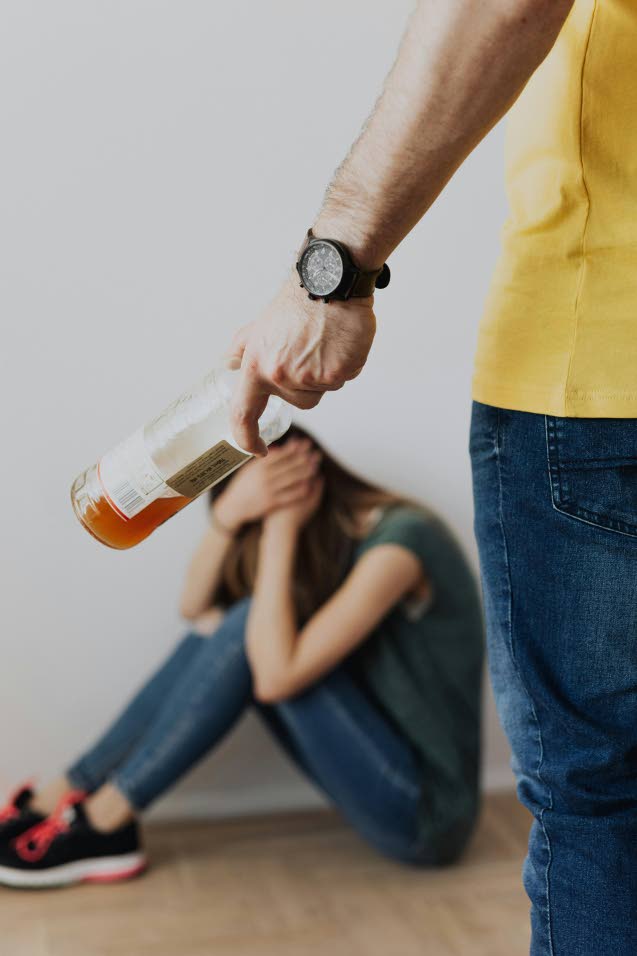
The violence in our homes must end.
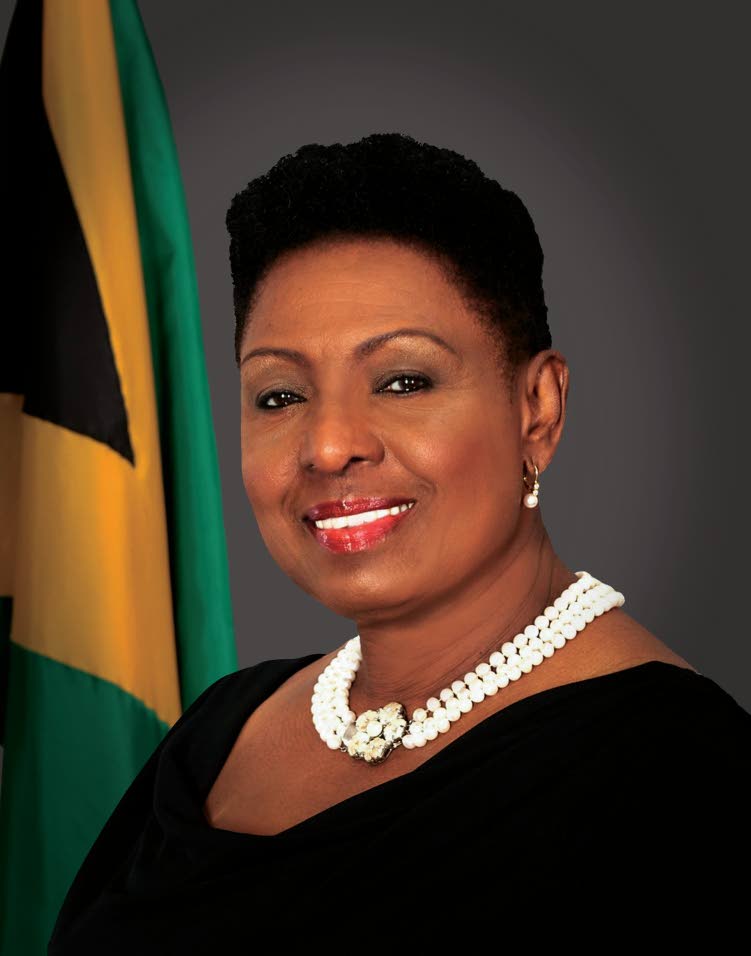
Olivia Grange .


