



Fish Farming and Food Safety
As global demand for seafood continues to surge and capture fisheries plateau, fish farming — or aquaculture — presents a promising path to achieving food security, economic growth, and a sustainable protein supply. Today, aquaculture contributes about 50 per cent of the world’s seafood output.
Jamaica’s First Marine Fish Farming
In Jamaica, freshwater aquaculture (notably tilapia) has long been present, with the National Fisheries Authority (NFA) promoting commercial fish farming since the 1970s. In October 2025, the country took a bold new step: The launch of its first-ever marine fish farming pilot programme. This initiative, focusing on red snapper grow-out (in cages at sea), is supported by the Food and Agriculture Organization (FAO) and Jamaican authorities, and is intended to deepen the “blue economy” and reduce pressure on reef fisheries and dependency on seafood imports.
While aquaculture holds significant promise for Jamaica’s food security and coastal economies, it is not without food safety challenges. For consumers, regulators, and farmers alike, understanding the risks and controls is essential.
The Food Safety Risks: Biological and Chemical Hazards
Fish and other aquatic animals can accumulate or carry hazards that pose significant risks to human health. These food safety hazards are broadly divided into biological and chemical risks.
From a biological standpoint, aquaculture environments can harbor pathogenic bacteria, such as Vibrio species (Vibrio vulnificus, V. parahaemolyticus, V. anguillarum), which thrive in warm, marine, or brackish waters. These pathogens are known to cause severe gastrointestinal illness, wound infections, and even septicemia in humans. Other bacterial threats, such as Salmonella, Listeria monocytogenes, and Aeromonas species, may be introduced through contaminated feed, poor water quality, or unsanitary handling practices. Parasites, including Anisakis in marine fish and similar species in freshwater environments, can survive in undercooked products and cause infection when consumed. Additionally, antimicrobial-resistant bacteria have emerged as a growing concern in intensive aquaculture systems, where the overuse of antibiotics can select for resistant strains that may be transmitted to consumers through food or contact.
Chemical hazards are equally concerning. Antibiotic residues may remain in fish tissues when withdrawal periods are not properly observed after treatment, leading to potential allergic reactions, disruption of gut microbiota, or further antimicrobial resistance. Heavy metals such as mercury, cadmium, lead, and arsenic can enter fish through contaminated feed or water and accumulate in their tissues, posing chronic health risks to consumers. The use of pesticides, algicides, and fungicides to control parasites and water may also present toxicity concerns if misused. Moreover, persistent organic pollutants (POPs), such as PCBs and dioxins, can enter aquatic systems through environmental pollution and bioaccumulate in fish over time.
Benefits & Food Security Role
Despite the potential risks, aquaculture offers numerous advantages that make it a valuable tool for advancing Jamaica’s food security and economic development goals. One of the most significant benefits is increased domestic production and reduced reliance on imports. Jamaica currently depends heavily on imported fish and seafood to meet consumer demand. A stronger local aquaculture industry could help stabilise supply, reduce import bills, and improve national food self-sufficiency.
The sector also provides important economic and employment opportunities, particularly in coastal communities. Marine farming operations generate jobs for cage operators, hatchery technicians, feed producers, transport workers, and processors, supporting rural livelihoods and community resilience. Additionally, aquaculture can ease pressure on wild fish stocks. By farming species such as red snapper, fishing pressure on Jamaica’s reef ecosystems and natural populations can be reduced, contributing to more sustainable fisheries management.
From a nutritional perspective, farmed fish represent a vital source of high-quality protein and essential nutrients — including omega-3 fatty acids, vitamins D and B12, and trace minerals such as iodine and selenium. These contribute to improved dietary diversity and nutrition, especially for populations vulnerable to protein and micronutrient deficiencies.
Moreover, the industry holds strong potential for scalable growth. Advances in marine cage culture and hatchery technologies now enable controlled and efficient expansion in coastal zones. Jamaica’s new marine fish farming pilot project, which focuses on red snapper cultivation in sea cages, will play an important role in validating these technologies and assessing their environmental and economic feasibility. The Jamaican Government has also signalled plans to pair this initiative with the development of aquaculture agro-parks and an expansion of cage culture systems to modernise and strengthen national production.
Controlling the Risks: How Farmers Can Ensure Safe, High-Quality Fish
To make aquaculture both productive and safe, strong control systems must guide every step — from farm setup to the consumer’s plate. Choosing the right site is critical: farms should be in clean water with minimal pollution, and water quality must be monitored for temperature, oxygen, and microbial balance. Preventing run-off, sewage, or industrial waste from entering ponds or cages helps maintain healthy conditions.
Biosecurity is another key pillar. Farmers should quarantine new stock, use disease-free fingerlings from certified hatcheries, and keep out pests or wild fish that carry pathogens. Proper feed management also reduces risk — using high-quality, contaminant-free feed and avoiding overfeeding, which can fuel bacterial growth.
The responsible use of veterinary drugs is essential. Only approved medicines should be used under veterinary guidance, with strict withdrawal periods before harvest. Where possible, farms should rely on preventive approaches like vaccines, probiotics, and good husbandry instead of antibiotics.
At harvest, maintaining clean handling and cold temperatures (below 4°C) is vital to preserve freshness and prevent contamination. Post-harvest, producers should follow HACCP-based systems, uphold a reliable cold chain, and ensure traceability from pond to plate.
Regular testing and monitoring for bacteria (Vibrio, Salmonella, Listeria) and chemical residues (antibiotics, heavy metals, pesticides) are the final safeguard. Together, these measures protect both public health and consumer confidence in farmed fish.
When done right, farmed fish can be a safe, nutritious, and sustainable food source. Many countries, including Norway, Chile, and Belize, have successfully implemented strong monitoring systems that ensure traceability from pond to plate — a model Jamaica can emulate.
Should Consumers Worry?
While risks do exist, properly managed aquaculture is generally safe — and consumers can take simple, proactive steps to protect themselves. The first is to buy fish from reputable suppliers who follow sanitary practices and, where possible, are certified by relevant authorities. Always check for freshness — fish should smell clean and mild, never sour, “fishy”, or ammonia-like. At home, cook fish thoroughly to an internal temperature of at least 63°C, or until the flesh becomes opaque and flakes easily. To prevent cross-contamination, use separate cutting boards and knives for raw fish, and wash hands and surfaces after handling. Those who enjoy raw or lightly cooked dishes such as sushi or ceviche should ensure the fish comes from a trusted and properly treated source. Finally, store fish at or below 4°C and consume it promptly. In short, safe fish farming combined with smart consumer habits keeps aquaculture products both wholesome and worry-free.
Conclusion
Aquaculture is a powerful tool in Jamaica’s quest for food security and economic development, but it must be built on a foundation of strict food safety systems. Biological and chemical hazards are real but manageable if risk controls are applied from pond to plate. Consumers should be informed and practise good handling. The launch of Jamaica’s first marine fish farming pilot represents an exciting turning point — if combined with rigorous oversight and industry standards, it could herald a new era in sustainable seafood for the island.
About the Author
Allison Richards is a food safety communicator and the founder of The Food Safety Girl, a consumer awareness platform dedicated to promoting food safety in Jamaica. She is also the host of The Big Bite Food Safety Show, a radio program that educates listeners on food safety issues. With over 14 years of experience in food safety regulation, Allison is passionate about empowering consumers and industry stakeholders to make informed choices that protect both health and the environment.
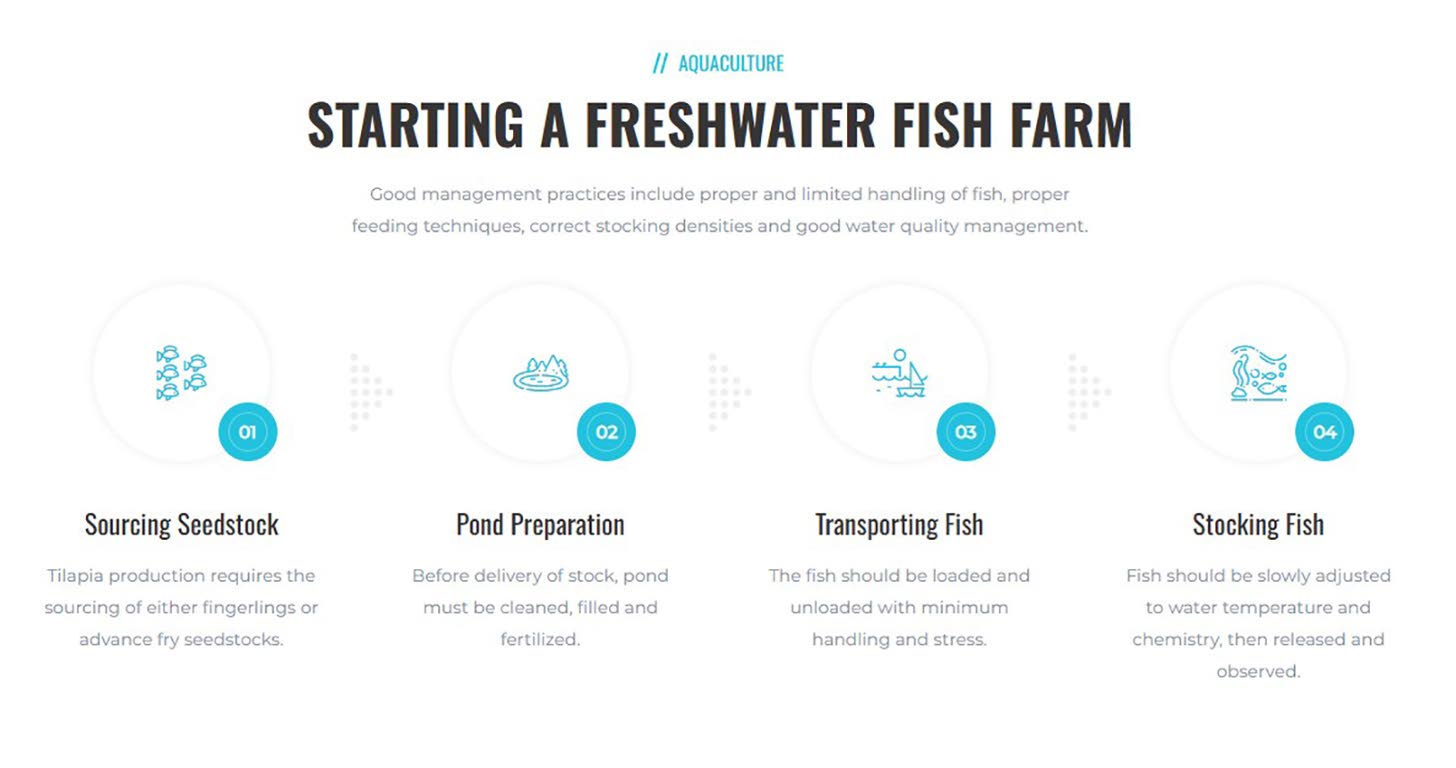
To make aquaculture both productive and safe, strong control systems must guide every step — from farm set-up to the consumer’s plate. fisheries.gov.jm/aquaculture/

Allison Richards | thefoodsafetygirlja@gmail.com.


