



Jamaica’s strategic ascendancy
In the storied city of Samarkand, Uzbekistan, where the legacies of the Silk Road meet the diplomacy of a new century, Jamaica has once again asserted its voice on the world stage. The island’s election to the UNESCO Executive Board for the 2025-2029 term is more than a ceremonial triumph, it is a reaffirmation of Jamaica’s growing influence in shaping global cultural and educational priorities.
Represented by Olivia “Babsy” Grange, minister of culture, gender, entertainment and sport, Jamaica’s success — secured through the support of more than 100 member states — marks Minister Grange’s second tenure on the board. Her re-election stands as a tribute to her years of dedication in promoting cultural diplomacy and ensuring that Jamaica’s creative and historical legacy continues to resonate across borders.
This victory is not simply about prestige, it represents a strategic opportunity to deepen Jamaica’s impact on international policy and to ensure that the voices of small island states remain central in global discussions about heritage, education, and cultural equity.
A TRADITION OF CULTURAL LEADERSHIP
Since first serving on the executive board, Jamaica has used its platform to champion the protection and celebration of intangible cultural heritage. The successful inscription of reggae music in 2018 as a UNESCO-recognised treasure remains one of the most defining moments of that legacy — a recognition of the island’s enduring contribution to world culture.
Now, with renewed representation, Jamaica returns to the table at a pivotal time for the Caribbean. The region continues to advance initiatives such as the Caribbean Cultural Fund, designed to support projects that preserve and modernise shared heritage — from digitising oral histories in Haiti to restoring historic architecture in Barbados. In her remarks following the election, Minister Grange described Jamaica’s success as “a vote of confidence in our leadership and a platform from which we can advocate for cultural equality and access for all nations”.
Amplifying Heritage
UNESCO’s mission — to build peace through education, science, and culture — mirrors Jamaica’s own story: a history defined by resilience, creativity, and the pursuit of unity. Membership on the 58-nation executive board gives Jamaica an opportunity to help shape the organisation’s priorities, from protecting endangered World Heritage sites to advancing inclusivity in the arts.
This role carries real implications. Jamaica can now advocate for stronger protections for the Blue and John Crow Mountains National Park, which represents both ecological diversity and Maroon heritage. It also provides an avenue to champion gender parity in the creative industries, ensuring that women in dancehall, dub poetry, and theatre are recognised on the international stage.
Moreover, the seat enables Jamaica to attract international partnerships and funding for ambitious projects — such as immersive digital experiences of Port Royal’s sunken city or youth programmes that blend traditional Jonkonnu masquerades with modern technology. These efforts would not only preserve history but also create new opportunities for education, tourism, and cultural entrepreneurship.
Still, this moment calls for introspection. Jamaica’s cultural sector — despite its global influence — remains underfunded. With an estimated 5 per cent contribution to gross domestic product (GDP) from heritage and creative industries, the disparity between cultural value and investment remains significant. The challenge now is to use this international platform to attract resources, strengthen infrastructure, and position culture as a cornerstone of sustainable national development.
Turning Prestige into Policy
Diplomatic achievements are meaningful only when matched by tangible outcomes. Jamaica’s new role on the UNESCO Executive Board must, therefore, be accompanied by stronger transparency, effective coordination, and institutional reform at home.
Past controversies surrounding cultural project management have revealed weaknesses that need to be addressed. Additionally, heritage sites in Accompong and the Cockpit Country continue to face threats from mining and environmental degradation — issues that require decisive policy action.
The time has come to align global commitments with local realities to modernise cultural institutions like the Little Theatre Movement; upgrade archives and museums; and foster training exchanges with international experts in conservation, film, and sound engineering. Only then will Jamaica’s diplomatic standing translate into everyday impact for artistes, historians, and communities.
Empowering Jamaica’s Youth
With more than 60 per cent of its population under 30, Jamaica’s cultural diplomacy must also be forward-looking. The UNESCO platform provides an opening to create programmes that connect STEM (science, technology, engineering, and mathematics) and the arts, empowering young people to innovate through cultural expression.
Initiatives that elevate patois and creole languages in education or mentorship programmes linking traditional craftspeople with digital creators could redefine what cultural leadership looks like in the Caribbean. In doing so Jamaica would not only celebrate its past, but also equip its youth to shape the future of global culture.
A Legacy Renewed
Jamaica’s election to UNESCO’s Executive Board is a moment of both pride and purpose. It affirms that our greatest strength lies not only in our natural beauty or athletic dominance but in the creative and intellectual force of our people.
From Marcus Garvey’s call for self-determination to Bob Marley’s message of peace and liberation, Jamaica has always been more than a country — it has been an idea, a rhythm, and a conscience that stirs the world. This new chapter continues that legacy, giving Jamaica a seat at the table where culture meets global policy.
As the sessions in Samarkand continue, Jamaica stands not as an observer, but as a participant shaping the dialogue on heritage, identity, and development. The task ahead is to ensure that this global recognition feeds back into local empowerment so that the spirit of our ancestors, the echoes of the Maroon drums, and the pulse of reggae continue to inspire generations to come.
In this new season of diplomacy, Jamaica’s call is clear: Rise up, take your place, and lead with the creative courage that has always defined who we are.
Janiel McEwan is an economic consultant. Send comments to the Jamaica Observer or janielmcewan17@gmail.com.
Janiel McEwan
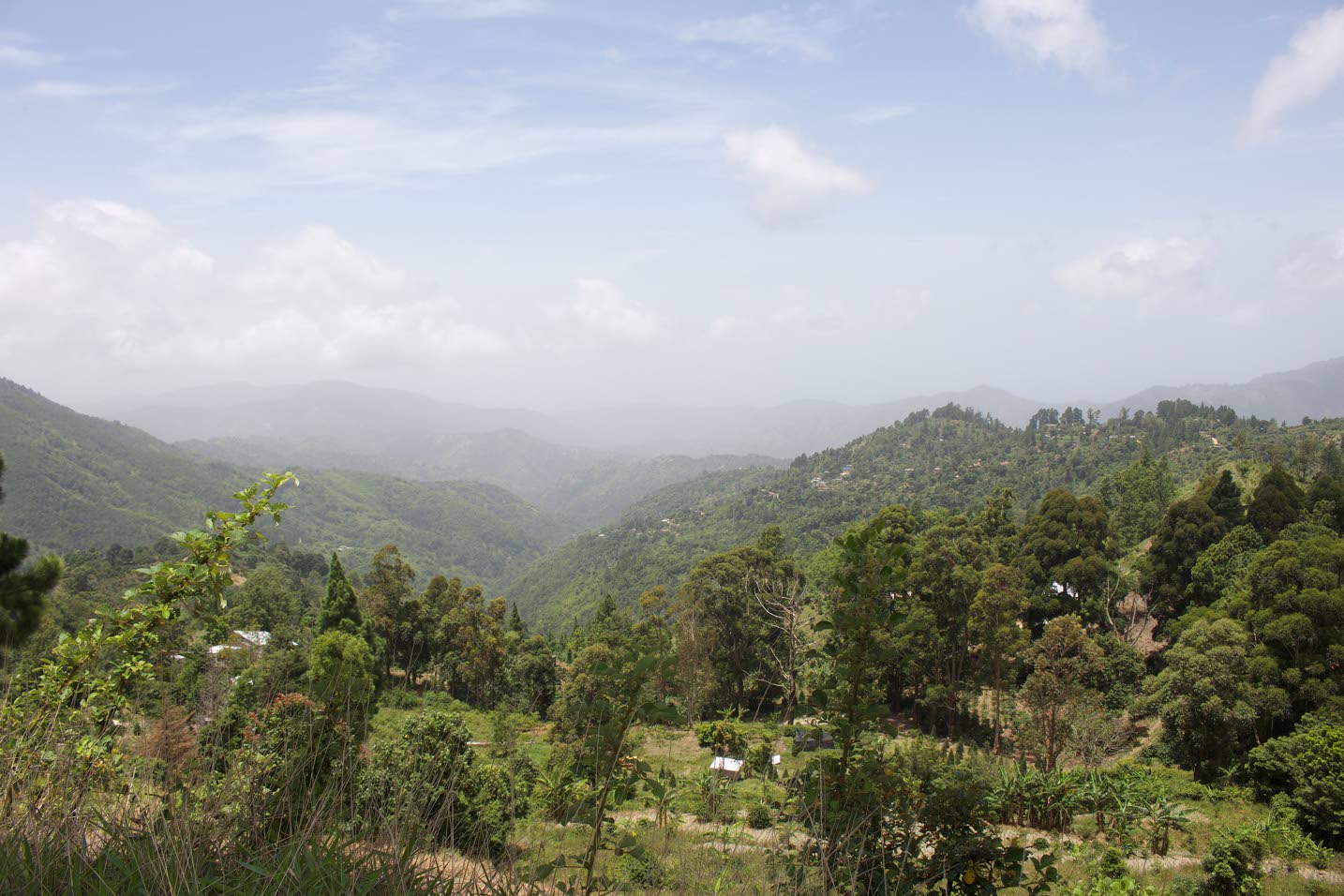
One of the beautiful vistas of the Blue and John Crow Mountains National Park and World Heritage SiteCourtesy JCDT


