



TERM OF HOPE
Education minister accepts classes will resume with lingering challenges from Melissa
MONTEGO BAY, St James — Minister of Education Senator Dr Dana Morris Dixon has urged Jamaicans to face the new school term, which begins today, “with hope and our unstoppable Jamaican spirit”, despite the challenges which remain in the aftermath of Hurricane Melissa.
The Category 5 storm, which made landfall on October 28 with winds reaching up to 185 miles per hour, left more than 600 educational institutions across Jamaica with varying degrees of damage, with schools in Region Four — which covers St James, Hanover, and Westmoreland — particularly hard hit.
Most schools will reopen this morning as efforts are made to return to full teaching and learning and, in a message to mark the start of the new school term, Morris Dixon said the resumption is taking place following one of the most challenging periods in Jamaica’s history.
“Hurricane Melissa hit us hard, especially those in the west. Many schools and the lives of thousands of students and staff were disrupted. This was the biggest shock to our education system that we have seen in decades,” said Morris Dixon.
“But Jamaica, we are resilient people. From day one our teams across the ministry, our partners, our school leaders, and our communities came together. We worked around the clock to clean up, repair, restore, and — most importantly — make sure that our students and stakeholders can return to safe learning spaces as quickly as possible,” added Morris Dixon as she expressed appreciation to all who played a part in the process of getting the schools ready for the resumption of classes today.
The education minister noted that some schools will resume classes with temporary arrangements while major repairs continue.
“Some will share spaces with our innovative host schools, and others will use blended approaches, and for a little while longer learning will continue in these modalities — but no child will have their academic future put at risk because of the challenges,” said Morris Dixon.
She pointed out that the restoration of the education sector is being done with a push to make it stronger and more resilient.
“We must use this disaster to rethink, redesign and rebuild an education system that is safer, smarter, and more resilient for the future. The level of damage we experienced just a few months ago should not be experienced again,” declared Morris Dixon.
On Friday, head of the education ministry’s Region Four Dr Michele Pinnock told the
Jamaica Observer that schools in the three hard-hit parishes will decide on how to operate, based on several factors.
“Most of these schools will be operating on the hybrid approach, meaning they will have a rotational system. [For example], all grade six children will come back to school Monday through to Friday and then the rest of the school will…come on particular days,” said Dr Pinnock.
“On the days that they’re not at school they will be given printed materials, and where electricity is not an issue in that community they will be using the
Google Classroom. So, we would have established what we now call a learning kit as printed material that the children would actually get,” added Dr Pinnock.
She underscored that, as far as possible, the ministry is trying to get all children back into the classrooms for face-to-face engagement but will resort to other measures when that is not possible.
“In the areas where electricity is still an issue where the children come from, what the schools will be doing is using reduced hours. In other words, they won’t go up until the usual close of school, just to ensure that all the children will be able to get home early,” added Dr Pinnock.
She is also encouraging parents, especially those who may be faced with varying challenges, “to make sure that they contact the school or any school nearest to them, because we want all the children to be engaged”.
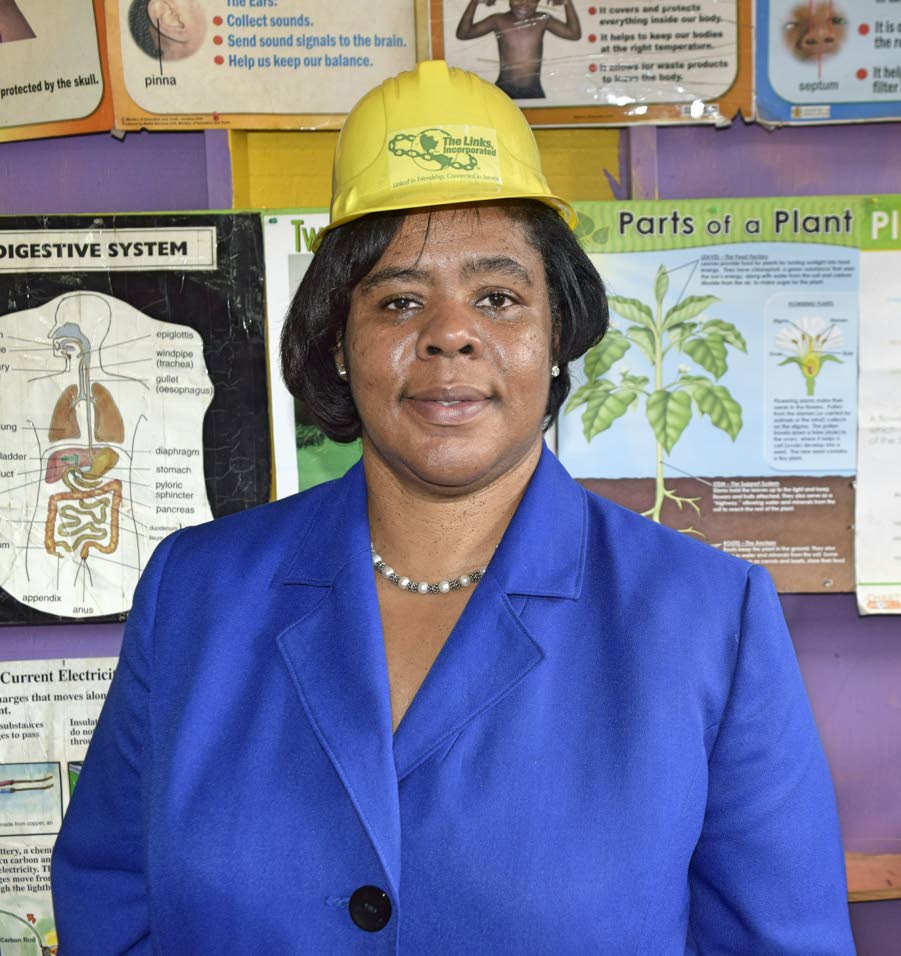
PINNOCK…as far as possible the ministry is trying to get all children back into the classrooms for face-to-face engagement
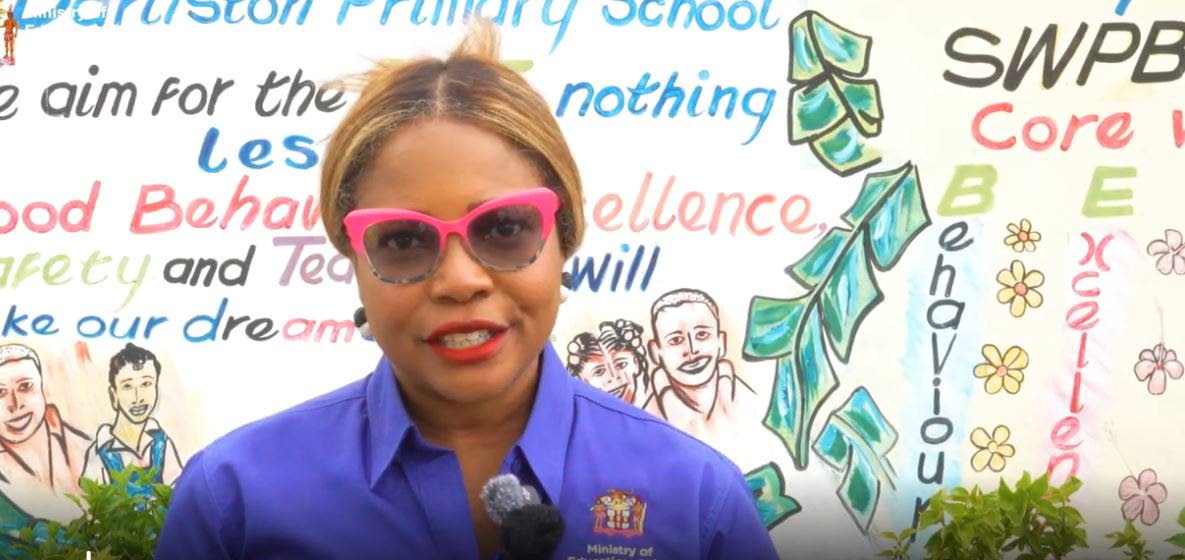
A screen grab of Minister of Education Senator Dr Dana Morris Dixon delivering her back-to-school message before today’s start of the new school year.


